
Save Izzy: campaign calls on government to restore funding for vital services directory
Posted on 07 Oct 2026
A major public campaign launched this morning is calling on the federal government to restore…
Posted on 10 Dec 2025
By Nick Place, journalist, Community Directors

Economic empowerment is essential to enabling recovery, restoring agency and preventing future exploitation of survivors of modern slavery, according to a new survivor-led report from Project Respect, Survivor Connections and Fair Futures.
Learning from Experience: The role of economic empowerment in preventing exploitation found that people seeking to leave modern slavery needed significant assistance. Consistent access to safe, long-term housing, education, trauma responsive work opportunities, financial literacy, healthcare and peer support were required if they were to have a chance to thrive.

The report aims to promote the wisdom and experience of modern slavery survivors, while also providing practical recommendations for government, business and service providers to strengthen prevention and recovery efforts. It urges major reforms to prevent exploitation and offer survivors sustainable futures, while also emphasising the need for both long-term support and crisis-led responses.
The executive director of frontline service organisation Project Respect, Carolyn Gowers, said, “It was important to us that the design of this project was truly survivor led, to support unrestrained truth telling from survivors. Survivors responded and were clear that they wanted their experiences known in order to influence positive system change. It is now up to all of us to make this change happen.”
Survivor Connections brought the lived expertise and provided peer support, with director and survivor Sarah Schricker saying, “This project was born out of the need to be a part of the conversations about our economic recovery and empowerment, rather than just being the subjects of them. To ensure our voices lead conversations about the barriers and opportunities in building economic empowerment, supporting our healing and preventing further harm.”
The term “modern slavery” is not widely understood, but the report’s authors said modern slavery remains an enormous issue in Australia, with an estimated 41,000 people trapped in coercive and exploitative circumstances.
“Picture a packed football stadium, like Sydney Football Stadium, with 41,000 people in it. That’s about the same number of people that are estimated to be stuck, controlled and exploited through forced labour, human trafficking and slavery in Australia,” they said.
“Only a fraction of actual cases are identified. For every recorded survivor in Australia, there are about four undetected survivors.”
The report said that in the 2024– 25 financial year, the Australian Federal Police received 420 reports of suspected modern slavery offences, the highest annual number on record.
The new report draws on lived experience from 18 survivors and emphasises the importance of economic empowerment in prevention and recovery.
“Participants talked about major financial burdens they carried after their exploitation, such as having lost apartments they had owned, or being saddled with large debts related to their exploitation,” said Fair Futures CEO Fiona David. “Some described having to live constantly on the move, in their car with their children, either for safety reasons or for lack of housing. These are fixable issues that need to be urgently addressed.”
“Economic empowerment to me means that no one has power over you because of poverty or disadvantage. It means that you can thrive instead of fighting just to survive.”
In surveys and interviews, survivors spoke about how economic empowerment was essential if they were to have choice in and control over their life, enjoy safe and healthy relationships, feel secure in stable and safe housing, effectively manage their money, participate in training and education, and be able to explore work opportunities.

One survey respondent said, “Economic empowerment to me means that no one has power over you because of poverty or disadvantage. It means that you can thrive instead of fighting just to survive. It means you can do the things you need to be well, and not be forced to do things that make you unwell. It means when people do bad things to you, you have a way to do something about it.”
The report outlines the effects of trauma on survivors and offers recommendations to support survivors:
Learning from Experience was a collaboration between Survivor Connections, Project Respect, Fair Futures and the federal Attorney-General’s department, using funding from the department.
It began with a workshop held with survivors to develop the concept and approach, and it included pre-interview surveys and structured individual interviews. A workshop with survivors explored key themes and considered recommendations. The report was launched on December 4.
More information
The Learning from Experience report is here.
Posted on 07 Oct 2026
A major public campaign launched this morning is calling on the federal government to restore…
Posted on 07 Oct 2026
The Australian Literacy & Numeracy Foundation (ALNF) has announced a partnership with mining…

Posted on 07 Oct 2026
A conference in Darwin will this morning hear detailed, strategic plans for how Australia could…

Posted on 30 Sep 2026
Not-for-profit leaders have been warned to be wary of approaches from potential “funding partners”…
Posted on 30 Sep 2026
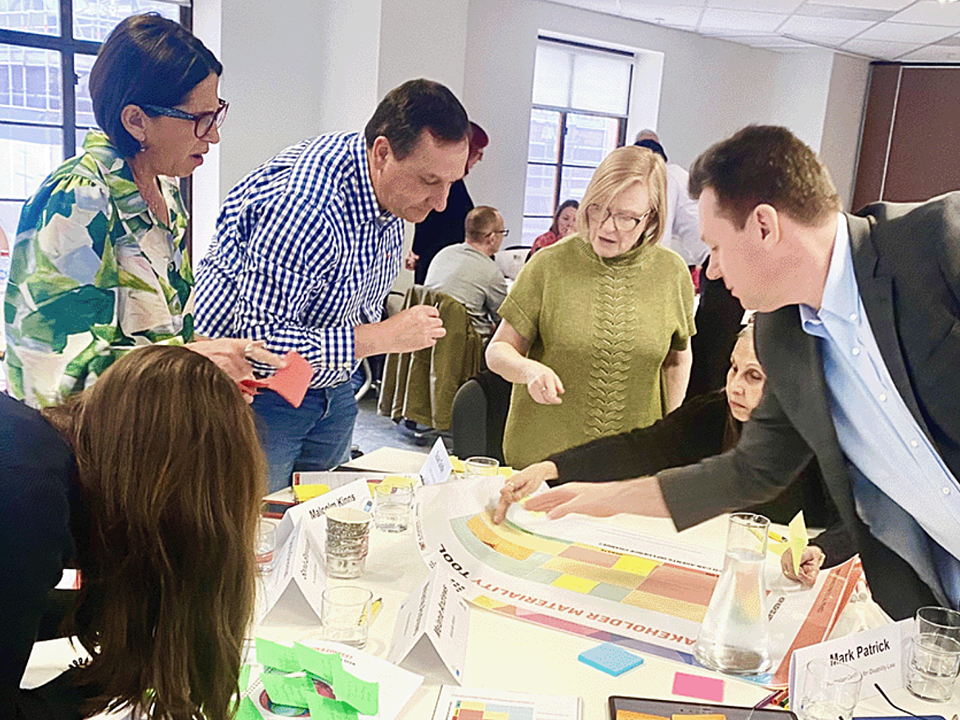
More than 200 fully funded Centre for Social Impact (CSI) scholarships will help equip for-purpose…

Posted on 30 Sep 2026
Personal stories are among the most powerful tools a charity can have to raise funds and awareness,…
Posted on 23 Sep 2026
A just-released major global survey of charities has found that demand for charity assistance has…
Posted on 23 Sep 2026
Fresh from welcoming delegates to last week’s Philanthropy Australia conference in Brisbane,…

Posted on 23 Sep 2026
A national strategy to develop Australia's regional cities is needed to break the housing…

Posted on 23 Sep 2026
Eight years after a report to Treasury first suggested the charities regulator should be more…
Posted on 17 Sep 2026
Australia’s biggest gathering of philanthropists, which drew more than 1200 delegates to Brisbane…
Posted on 16 Sep 2026
A new partnership between Paul Ramsay Foundation (PRF) and Atlassian Foundation aims to attract…