
NFP tech experts urge orgs to scale up cybersafety
Posted on 15 Oct 2026
Good cybersecurity must be the foundation of not-for-profits’ efforts to adopt artificial…
Posted on 05 Aug 2025
By Nick Place, journalist, Institute of Community Directors Australia

A new study by charity Good360 Australia has found that an increasing number of Australians are experiencing “hygiene poverty”, where rising costs mean they can no longer afford essential personal hygiene or cleaning products.
Almost one in seven surveyed Australians reported struggling to afford cleaning products in the six months leading into the survey, with one in eight saying they were experiencing hygiene poverty for the first time.
Almost one-third of young people (30 per cent of 18–24-year-olds) and one in five women (21 per cent) were concerned about their lack of ability to afford personal hygiene or cleaning products.
“While some commentators have declared that the cost-of-living crisis is over, our research has uncovered the heartbreaking reality that millions of Australians are struggling to afford everyday basics such soap, shampoo, toothpaste, deodorant, household cleaning products and feminine hygiene products such as tampons,” said Good360 Australia founder and managing director Alison Covington.
“Eliminating hygiene poverty isn’t just about ensuring people have access to these products, it’s about helping people to live a dignified and healthy life. There should not be millions of Australians, including children, going without the basics they need to thrive.”
The national survey was conducted online in July 2025, with percentages calculated from responses matched to ABS population data. All up, it showed that up to four million Australians are living with hygiene poverty, with potential effects on their confidence and health.
“Hygiene poverty can cause feelings of low self-esteem, embarrassment and shame, and make it difficult for people to maintain their health.”
“The impacts of hygiene poverty are wide ranging, with our research showing it takes a devastating toll on people’s mental and physical wellbeing,” Covington said.
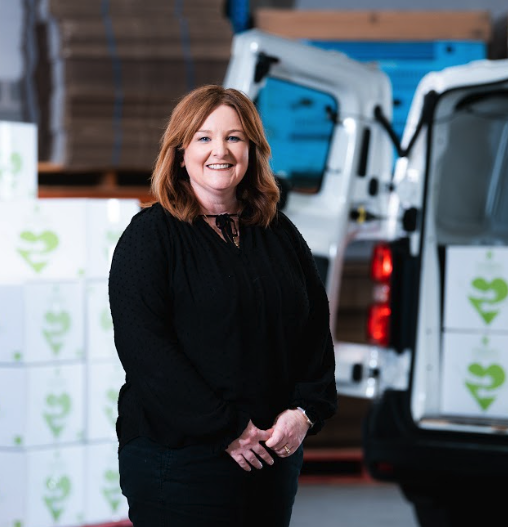
“Hygiene poverty can cause feelings of low self-esteem, embarrassment and shame, and make it difficult for people to maintain their health. Our research also highlights the significant consequences on daily life, such as people avoiding social events or other critical commitments such as work and school.”
Good360 Australia sources unused and unsold consumer goods for distribution to those in need. It works with more than 600 partner businesses and retailers to ensure unsold items, returns, end-of-line excess and other goods and services don’t head to landfill, and directs them instead to more than 4800 charities and disadvantaged schools across the nation. The charity aims to redirect the estimated $4.5 billion in new goods annually that would otherwise go to waste, instead giving those products a “first life”.
Its goal is that “surplus finds purpose, not landfill”.
A large part of that work is battling hygiene poverty, and the charity says that as of July, it had helped two million Australians access 26.5 million personal hygiene and cleaning products, simultaneously preventing 3420 tons of goods from going to waste.
“While we are proud of our efforts to connect over 26 million personal hygiene and cleaning essentials that may have been destined for landfill to Australians in need, this is just the tip of the iceberg,” Covington said.
“Hygiene poverty is a hidden but pervasive and personally devastating issue. It’s time for corporate Australia and governments to step forward and help eradicate hygiene poverty for good by funding initiatives that put these essentials into the homes that need them most.”
Posted on 15 Oct 2026
Good cybersecurity must be the foundation of not-for-profits’ efforts to adopt artificial…

Posted on 15 Oct 2026
A few years ago, I sat on a small community board that was still held together by email threads and…

Posted on 15 Oct 2026
“Build a better mousetrap, and the world will beat a path to your door”, the old saw goes.…

Posted on 15 Oct 2026
The nation's digital inclusion advocate is pushing for more equity in the rollout of AI in light of…

Posted on 15 Oct 2026
Not-for-profit leaders should be conducting regular “fire drills” that replicate AI-powered…

Posted on 15 Oct 2026
Boards that leave cybersecurity to the one director with IT expertise are leaving their…

Posted on 15 Oct 2026
Community Directors has a warehouse-style office filled with artworks, and if I glance up towards…

Posted on 15 Oct 2026
As the manager of a palliative care service, Stephanie Kirkman Meikle has learnt that the prospect…
Posted on 14 Oct 2026
In the ongoing political debates about migration levels, Asylum Seeker Resource Centre founder Kon…

Posted on 14 Oct 2026
Over the weekend, federal Liberal leader Angus Taylor told the Conservative Political Action…

Posted on 14 Oct 2026
The federal government’s special envoy for social housing and homelessness, Josh Burns MP, has…
Posted on 14 Oct 2026
Carers Victoria is holding an event this afternoon (October 14) during National Carers Week to…