
Save Izzy: campaign calls on government to restore funding for vital services directory
Posted on 07 Oct 2026
A major public campaign launched this morning is calling on the federal government to restore…
Posted on 14 Oct 2025
By Nick Place, journalist, Community Directors
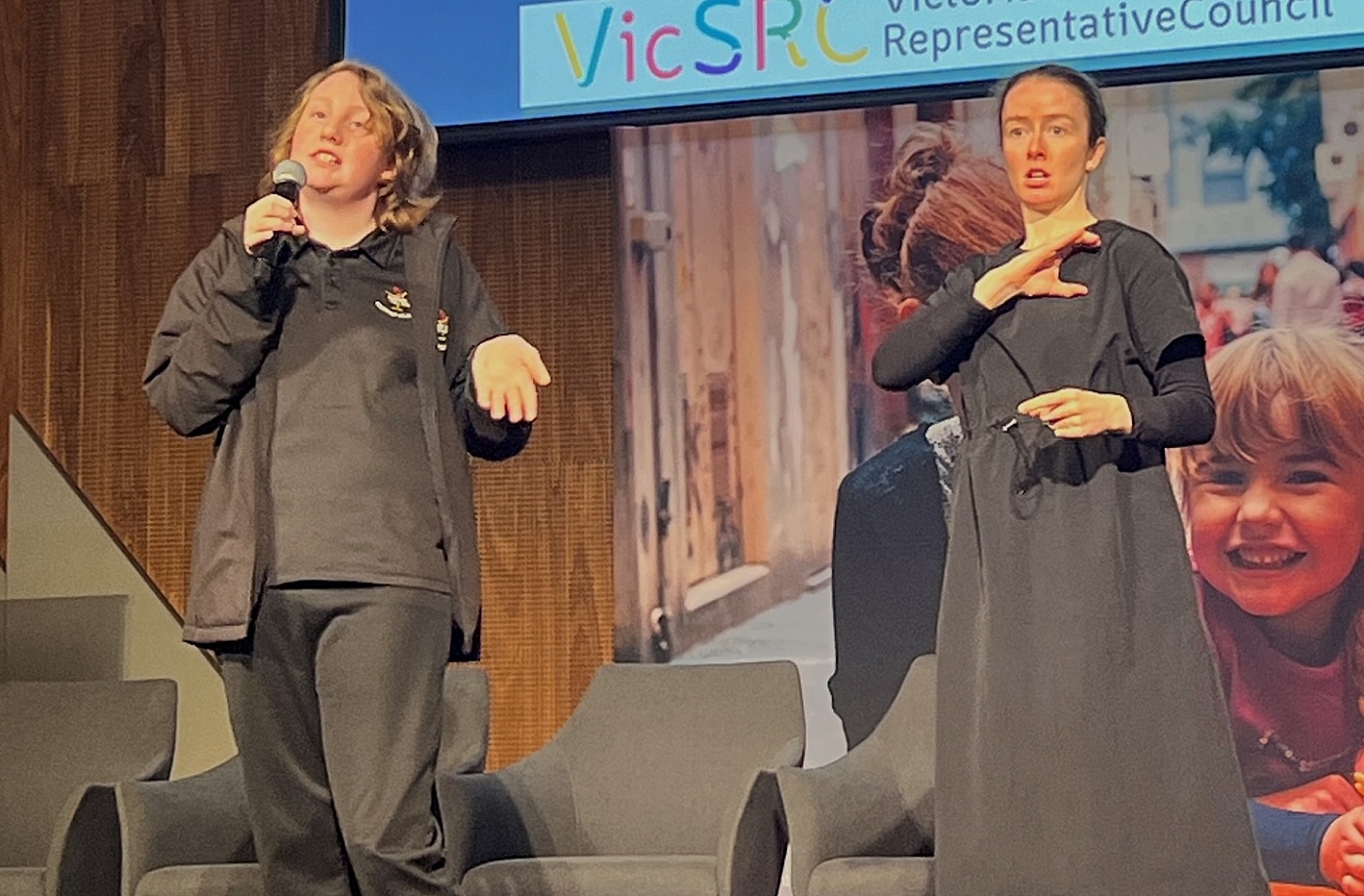
Owen Poot’s heart sank. The 14-year-old from Aquinas College was due to deliver a presentation about musicals at I CAN Network’s annual expo, where children and young people living with autism take the stage to show what they’re capable of, in defiance of societal expectations of what they’re not.
Planning one more private read-through of his cue cards in a quiet corner of the Melbourne Convention and Exhibition Centre (MCEC), Owen opened his folder and found it empty. He’d accidentally left the cards at home.
“It was so terrifying because it's just, like, I was so sad. I was like, I got this, and then I opened my folder because I should rehearse and read my cue cards and I just had to make something up on the spot,” he said after stepping off the stage. “I think I did okay.”

The I CAN Network is an NFP founded 12 years ago with a mission ‘To prove what autistics CAN do’. The annual expo, which this year had capacity for more than 500 people at the MCEC, is an event where children and young people living with autism are encouraged to speak about any topic they’re passionate about. Owen’s speech about musicals was followed by one about how to write fantasy novels; that was followed by a moving talk from Bec, an I CAN Mentor and Year 12 success story, about how she failed university twice, not coping with the strange environment, before receiving a neurodivergent diagnosis that allowed her to understand herself better, modify her approach to study, and emerge with a teaching degree.
I CAN Network co-founder Chris Varney said the expo, created with the support of the Newsboys Foundation, gave neurodiverse young people a sense of identity and confidence in what made them unique, and a sense of self-worth. He said some young people faced their worst fear by taking the stage instead of remaining “invisible”, while others struggled to sit and listen.
Daring to speak at the expo was “a huge win for some kids who otherwise go through their entire schooling never hearing their name read out at assembly or receiving recognition,” Varney said. “There are kids who definitely don’t want to talk but then say it’s the best thing they’ve ever done in their whole school life.”
For Owen, emerging from the even more difficult task of presenting without his carefully crafted speaker notes and slides, the key to being able to present was adopting a different persona. “For me, when I’m thinking about performing, it’s like I’m not really performing as me, I’m performing as another character,” he explained. “It’s not me, Owen, going up there, doing it. It’s someone else completely. I’m still pretty proud of myself, that I was able to do that.”
“The brilliance of I CAN and what it has started ... is that it’s created a ‘we’, an ‘us’, a support system in a culture where I’m always a little nervous about the me, me, me focus, or the narcissism.”
The expo’s theme this year was “I CAN be me”, with I CAN’s patron, community leader Rev Tim Costello, telling the audience that the power of “me” was made possible by embracing the need for “we”.
“It’s about we, not me. It’s about us, not I. Morality is about considering others who I am connected to,” he said. “The brilliance of I CAN and what it has started ,and we’re celebrating our 10 years, is that it’s created a ‘we’, an ‘us’, a support system in a culture where I’m always a little nervous about the me, me, me focus, or the narcissism.

“When I forget it’s just about me and actually see it is ‘we’ … which I CAN has created with its mentors, its online system, curiously, we are much happier,” he said. “It’s no longer just about me. I CAN is a profoundly moral movement. It’s a moral movement that has built the networks of support knowing life’s not fair. It is hard. There is no me without the ‘we’ sitting in this room today.”
As well as the action on the stage, I CAN’s expo featured interactive exhibits, workshops and masterclasses on how to support neurodiverse students and inclusive employment practices, and a chance for autism service providers, advocates and families to share their stories and knowledge. Large tables of sensory fidget toys and other calming aids occupied the back of the room.
Away from the expo, the I CAN Network is embedded in 191 Victorian schools and also operates national programs, all designed to help autistic and neurodiverse students to thrive.
I CAN Network website: here.
Posted on 07 Oct 2026
A major public campaign launched this morning is calling on the federal government to restore…
Posted on 07 Oct 2026
The Australian Literacy & Numeracy Foundation (ALNF) has announced a partnership with mining…
Posted on 07 Oct 2026
A conference in Darwin will this morning hear detailed, strategic plans for how Australia could…

Posted on 30 Sep 2026
Not-for-profit leaders have been warned to be wary of approaches from potential “funding partners”…
Posted on 30 Sep 2026
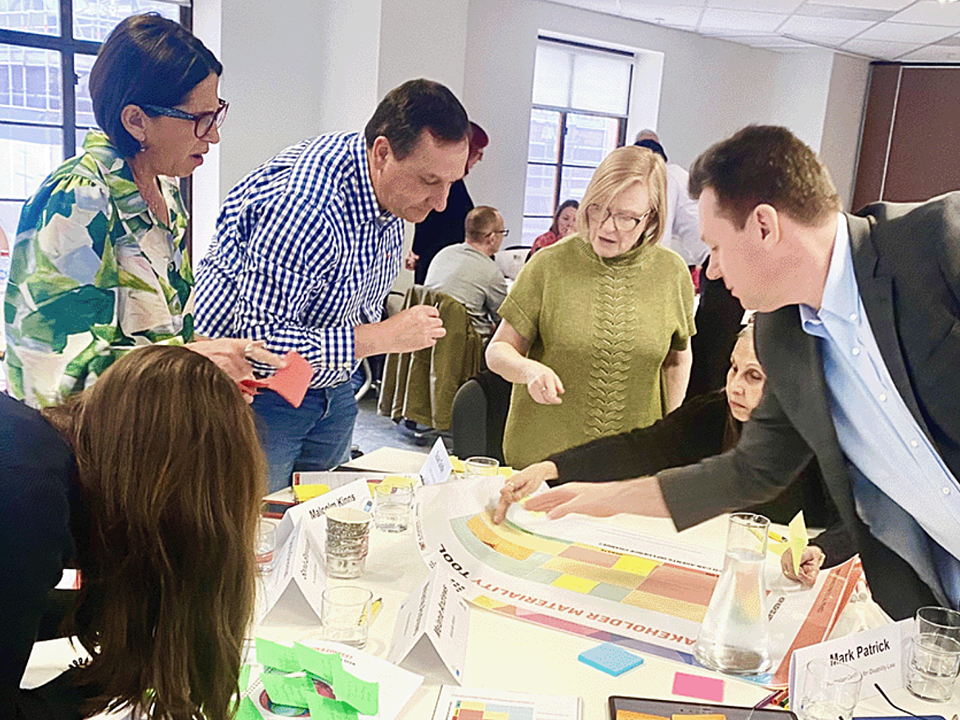
More than 200 fully funded Centre for Social Impact (CSI) scholarships will help equip for-purpose…

Posted on 30 Sep 2026
Personal stories are among the most powerful tools a charity can have to raise funds and awareness,…
Posted on 23 Sep 2026
A just-released major global survey of charities has found that demand for charity assistance has…
Posted on 23 Sep 2026
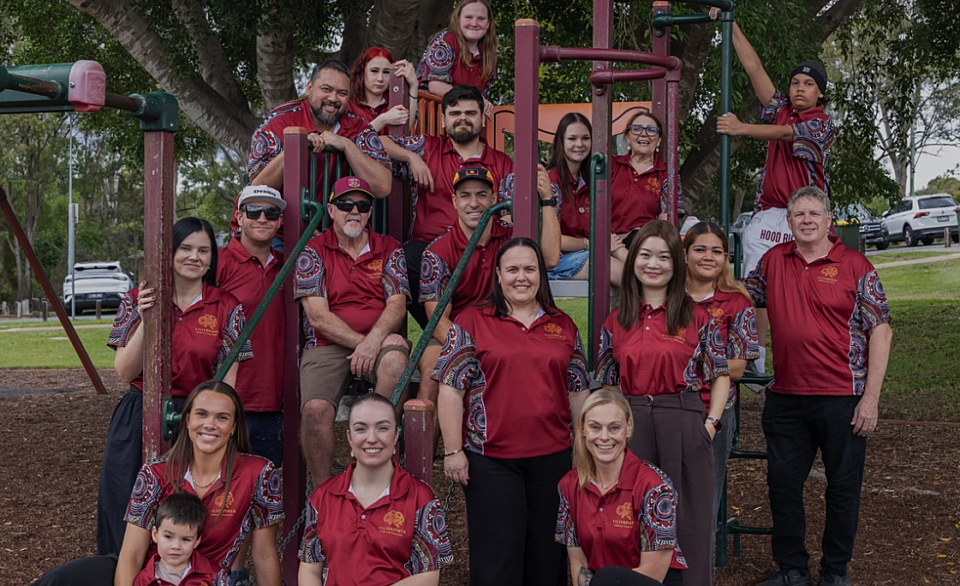
Fresh from welcoming delegates to last week’s Philanthropy Australia conference in Brisbane,…
Posted on 23 Sep 2026
A national strategy to develop Australia's regional cities is needed to break the housing…

Posted on 23 Sep 2026
Eight years after a report to Treasury first suggested the charities regulator should be more…
Posted on 17 Sep 2026
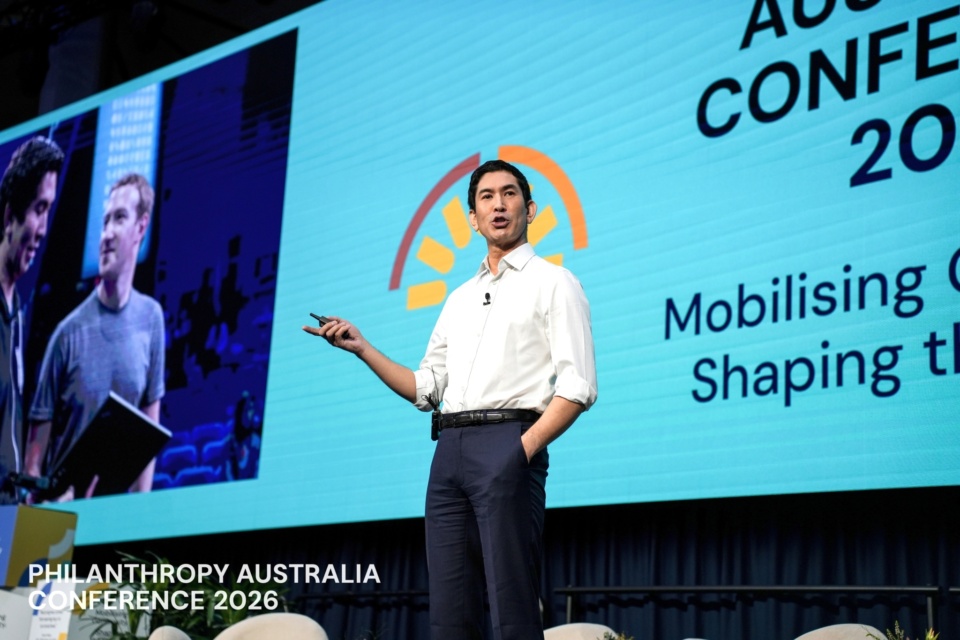
Australia’s biggest gathering of philanthropists, which drew more than 1200 delegates to Brisbane…
Posted on 16 Sep 2026
A new partnership between Paul Ramsay Foundation (PRF) and Atlassian Foundation aims to attract…