
Save Izzy: campaign calls on government to restore funding for vital services directory
Posted on 07 Oct 2026
A major public campaign launched this morning is calling on the federal government to restore…
Posted on 28 Oct 2025
By Nick Place, journalist, Community Directors
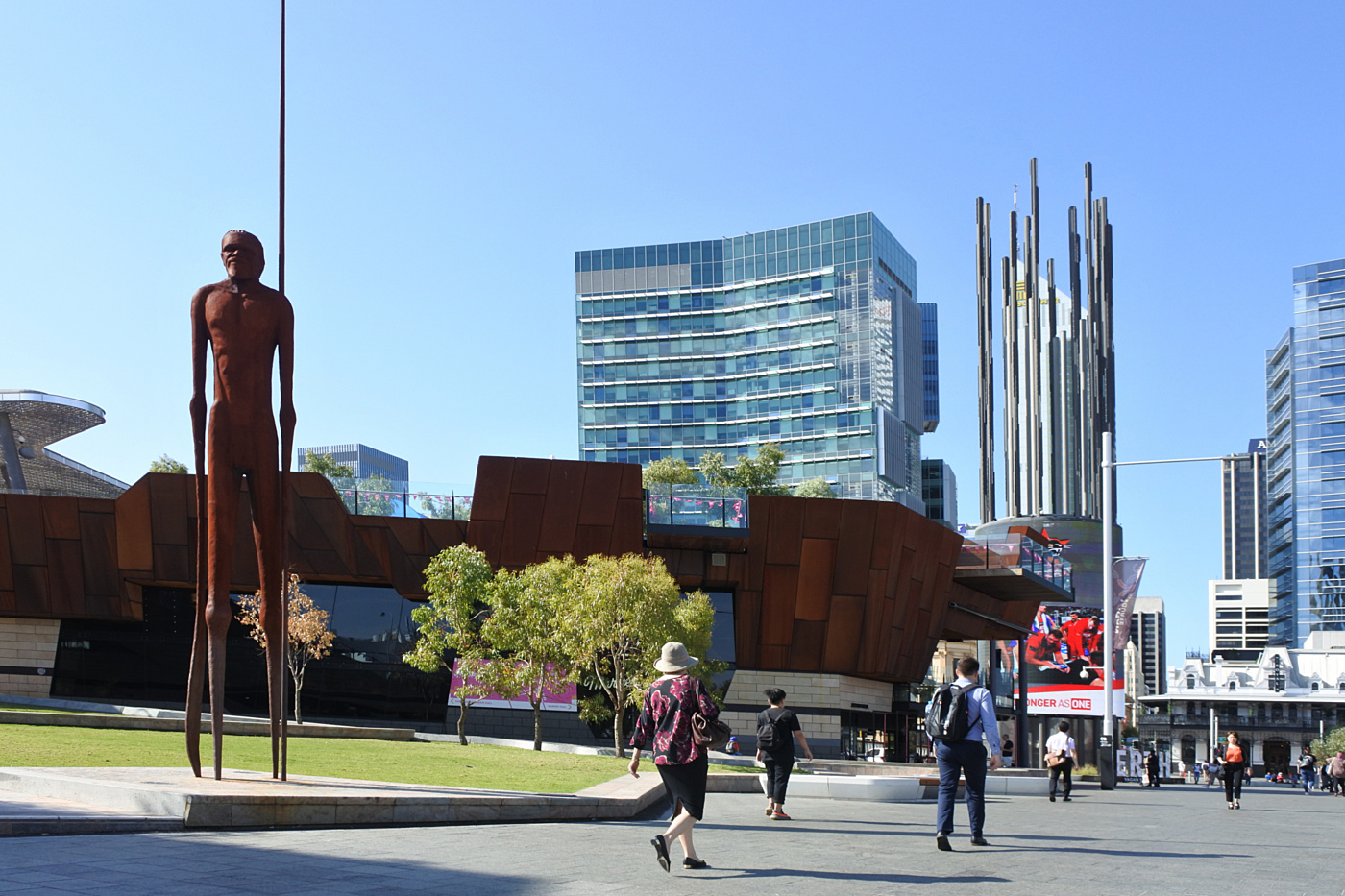
When Western Australia celebrates its bicentenary next year, David Wray wants to ensure the experiences of the state’s Indigenous people are considered and acknowledged – but he’s chosen an unusual way to go about it.
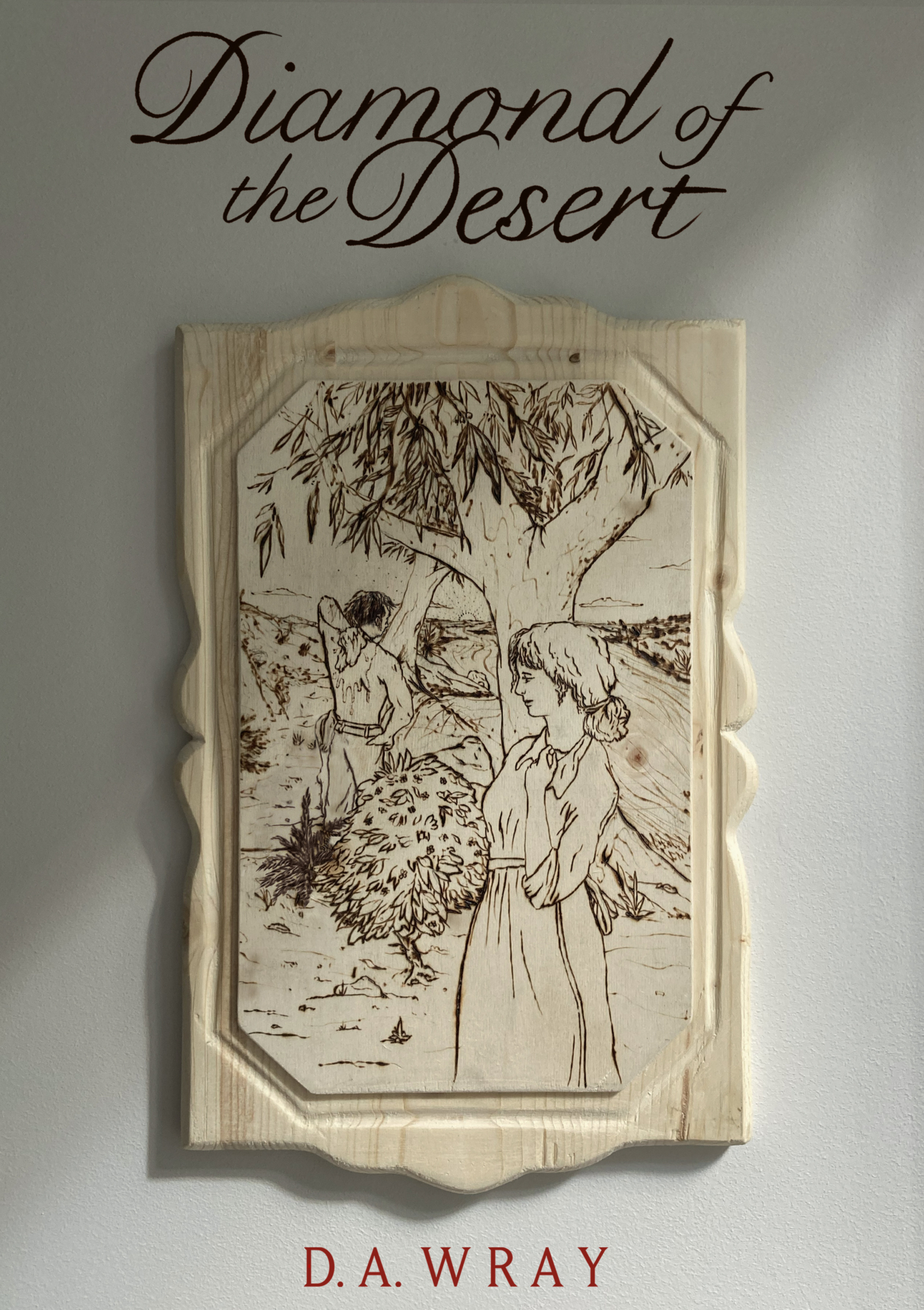
David has written a book, Diamond of the Desert, which he believes is unique in incorporating Indigenous ‘truth-telling’ into a fictional storyline, and he’s offering the book for free to not-for-profit organisations to sell, allowing them to receive 100 per cent of the cover price in exchange for helping the novel travel into the wider world.
The book will be launched this Saturday, November 1, and tells what Wray calls “the first historically accurate fiction that tells the full story of colonial expansion”.
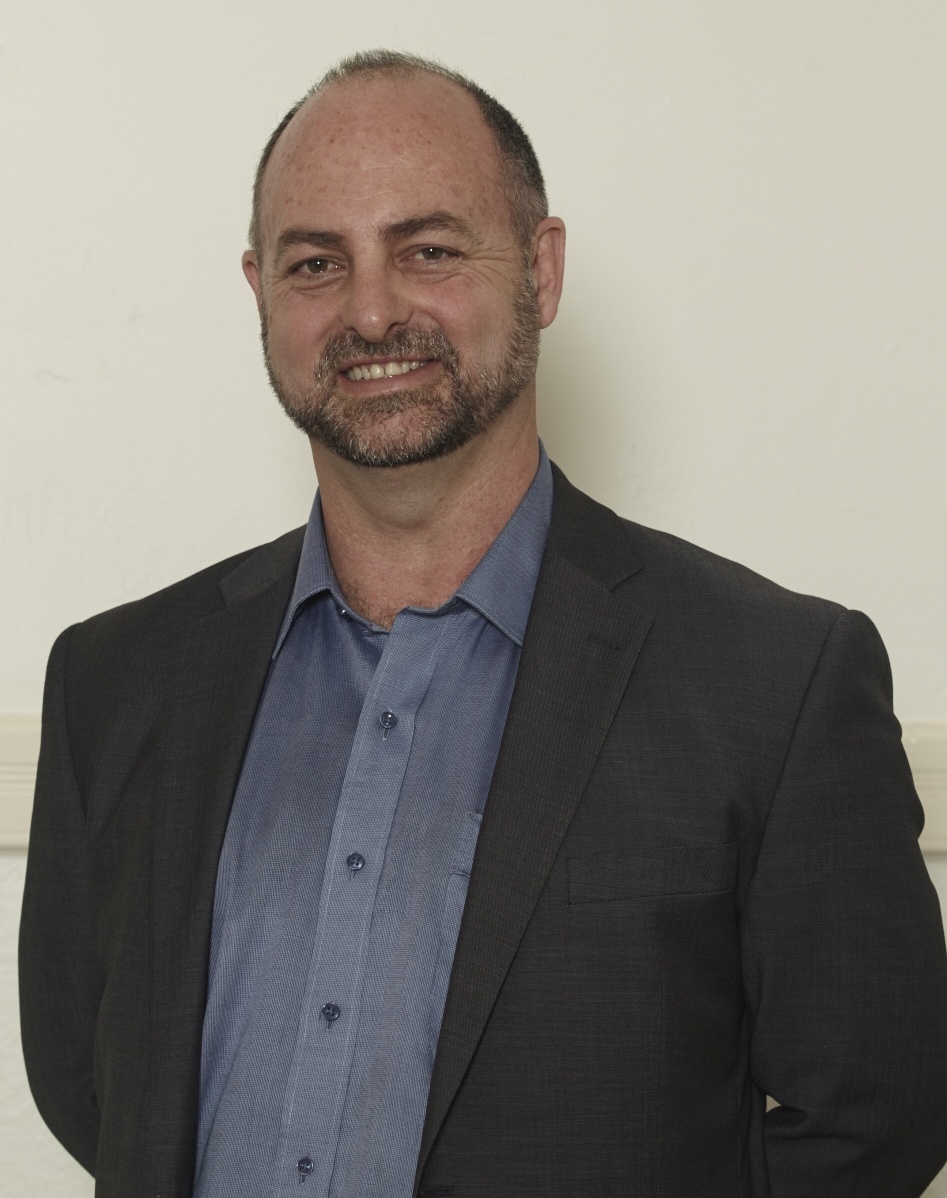
“It’s guaranteed to educate as it entertains,” he told the Community Advocate.
Diamond of the Desert, which David has self-published, is set against the backdrop of European expansion into northern WA in the 1850s.
Wray believes the core theme – the influence of cultural beliefs, and the transformative power of education – will resonate with readers, and he feels the timing of that message is important.
“Albany was founded in 1826 and Perth is 1829,” Wray said. “So the next three years are going to be the time to have that debate, which we didn’t have at the 150th anniversary. I remember that – 1979 – and there was not a single mention of Aboriginal people in any of that. So, this time around, that’s not going to be the case. There will be debate and it’ll bring up all of the ugliness that you saw through things like Australia Day ‘change the date’.
“What I’m hoping is that the book can just kind of educate people a little bit. I’ve included a couple of literary sub-themes, which are a Dreaming story about greed and connection.
“Connection is the way forward for reconciliation.”
Speaking to the Community Advocate, Wray said non-Indigenous storytelling tended not to truthfully revisit how First Nations and European peoples first engaged, or how the relationship disintegrated.
“The English culture at the time was all about ‘they [First Nations peoples] will come round to realise that our way is the right and proper way, and the natives will adapt soon enough when they see that our way is better’,” he said. “So, for the first 20 years, over here in WA, things were kind of largely amicable, but then expansion happened and that’s what the book is about, that expansion and the impact on Aboriginal people alongside these settlers flooding into the old lands. So, it’s significant.”
“What I’m hoping is that the book can just kind of educate people a little bit. … Connection is the way forward for reconciliation.”
Wray said he had been buoyed by the reaction of beta readers, who had read the unpublished manuscript. “They said that they had no idea about those truths, and these are all intelligent, well-educated, moderate people, and yet they’d never really been confronted by things like ‘black birding’ and dispossession of lands and economic and social collapse.”
The latest figures available from the Australian Society of Authors show that the average writer of literary nonfiction in this country earns $14,500 per year from their work, which means many writers earn less. This is why Wray decided to forego his potential income in favour of helping non-government organisations and not-for-profits and chasing greater visibility.
“I thought getting the book into the hands of people is the hard part, and I thought, I wonder if some NGOs could actually do it?” he said. “Could they sell books to their board, supporters and networks, and get the benefit of the profit from it? A bit like the old chocolate drives.
“The stats are shocking for traditionally published authors,” he added. “The only selling ones are romance, and it’s just really, really hard getting it out there, but that’s what I want to do. I want it in people’s hands because as far as I can work out, this is the first book, at least for West Australia, to tell the Aboriginal story alongside the colonial story. It’s important.”
Wray is offering 100 per cent of book sales to any NGO or NFP willing to take on the challenge. To participate, organisations only need to email david@switchconsultancy.org and describe what they would plan to do with the proceeds of sales.
“It may be a Yarning event with local elders; supporting staff attendance to a conference; or perhaps a NAIDOC Week event,” he said. “It’s up to you.”
Posted on 07 Oct 2026
A major public campaign launched this morning is calling on the federal government to restore…
Posted on 07 Oct 2026
The Australian Literacy & Numeracy Foundation (ALNF) has announced a partnership with mining…
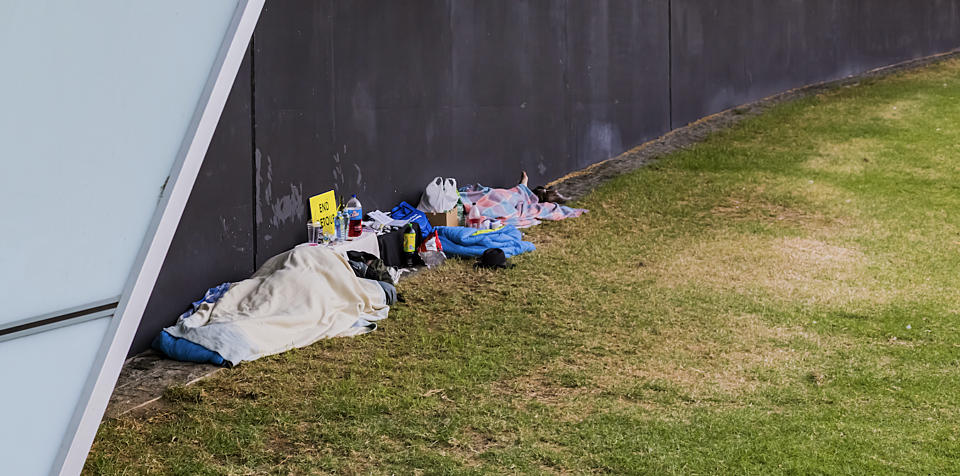
Posted on 07 Oct 2026
A conference in Darwin will this morning hear detailed, strategic plans for how Australia could…

Posted on 30 Sep 2026
Not-for-profit leaders have been warned to be wary of approaches from potential “funding partners”…
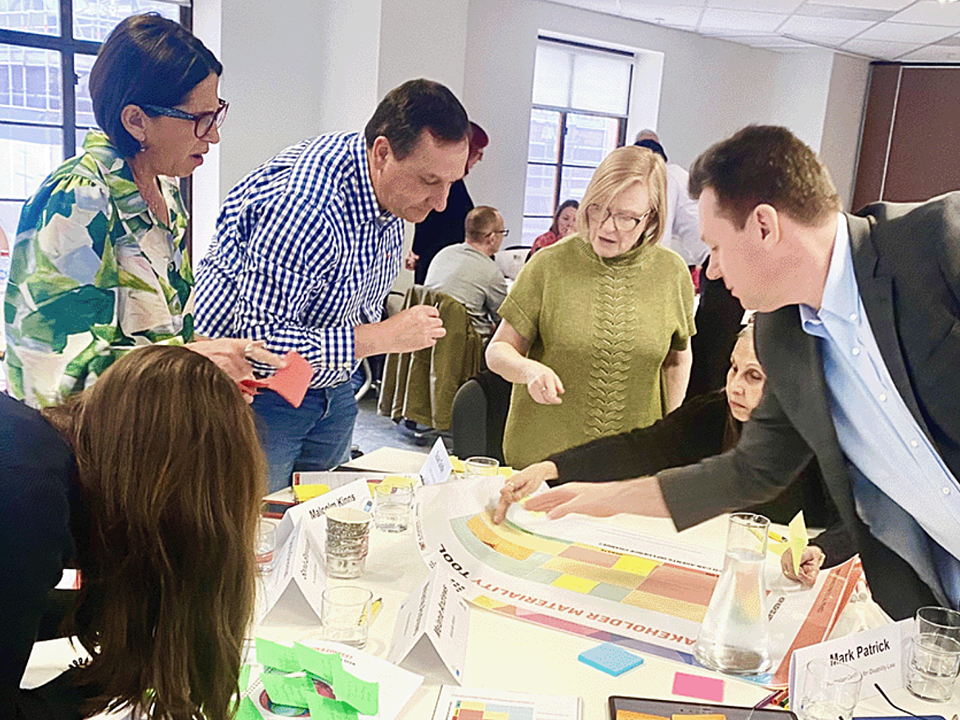
Posted on 30 Sep 2026
More than 200 fully funded Centre for Social Impact (CSI) scholarships will help equip for-purpose…

Posted on 30 Sep 2026
Personal stories are among the most powerful tools a charity can have to raise funds and awareness,…
Posted on 23 Sep 2026
A just-released major global survey of charities has found that demand for charity assistance has…
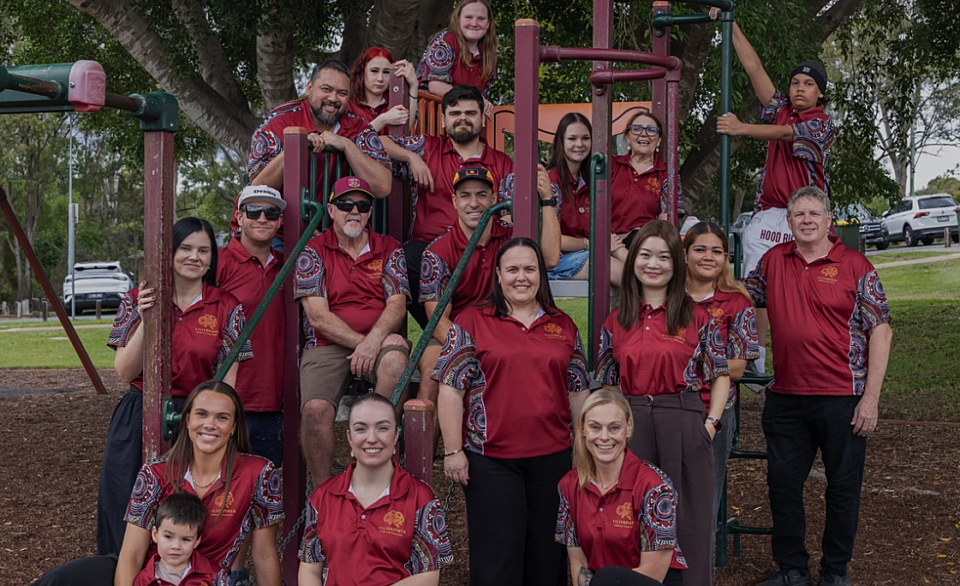
Posted on 23 Sep 2026
Fresh from welcoming delegates to last week’s Philanthropy Australia conference in Brisbane,…
Posted on 23 Sep 2026
A national strategy to develop Australia's regional cities is needed to break the housing…

Posted on 23 Sep 2026
Eight years after a report to Treasury first suggested the charities regulator should be more…
Posted on 17 Sep 2026
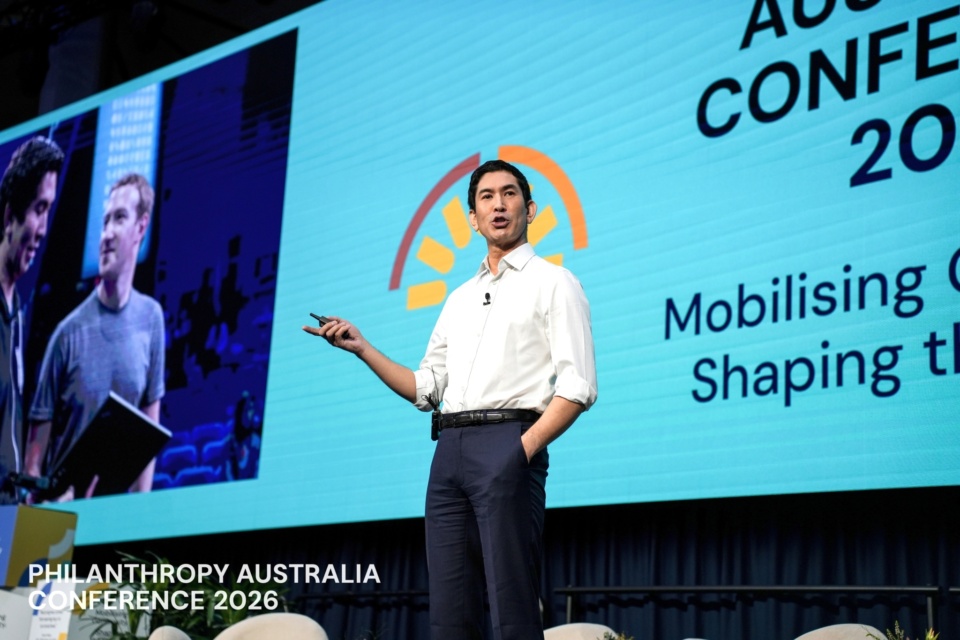
Australia’s biggest gathering of philanthropists, which drew more than 1200 delegates to Brisbane…
Posted on 16 Sep 2026
A new partnership between Paul Ramsay Foundation (PRF) and Atlassian Foundation aims to attract…