
Save Izzy: campaign calls on government to restore funding for vital services directory
Posted on 07 Oct 2026
A major public campaign launched this morning is calling on the federal government to restore…
Posted on 08 Dec 2025
By Matthew Schulz, journalist
A pioneering welfare effort that helps solo mums into self-employment, a First Nations-led impact assessment tool, and a national homelessness outcomes framework have taken top honours at the annual Social Impact Measurement Network Australia (SIMNA) Awards.
The awards recognise excellence, innovation and collaboration in impact measurement by not-for-profits, funders, governments, companies and social enterprises.
This year’s winners are:
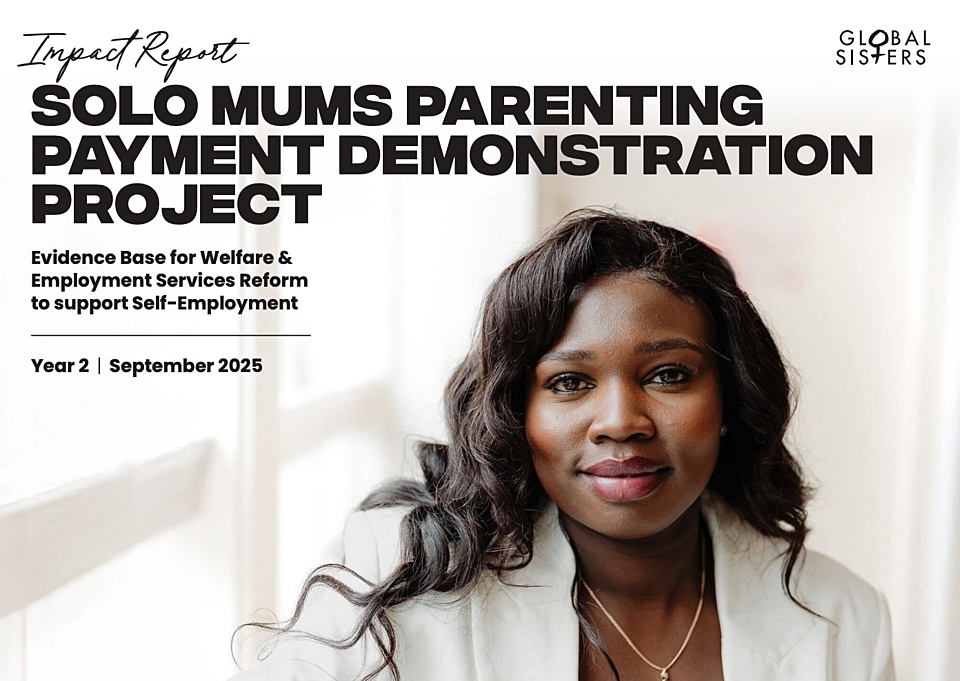
The top award for excellence in social impact measurement went to a project that helps solo mothers on income support to build financial independence through self-employment.
The Solo Mums Parenting Payment demonstration project by Global Sisters was designed with the NSW Office of Social Impact Investment and supported by the AMP and Paul Ramsay foundations.
Heather McLean-Thompson, Global Sisters’ chief operating officer and head of social impact, said the organisation aimed to “remove barriers to women's economic security”.
“Through the demonstration project, we're aiming to prove that 300 solo mums can move off welfare through self-employment,” she said in the organisation’s pitch to judges.
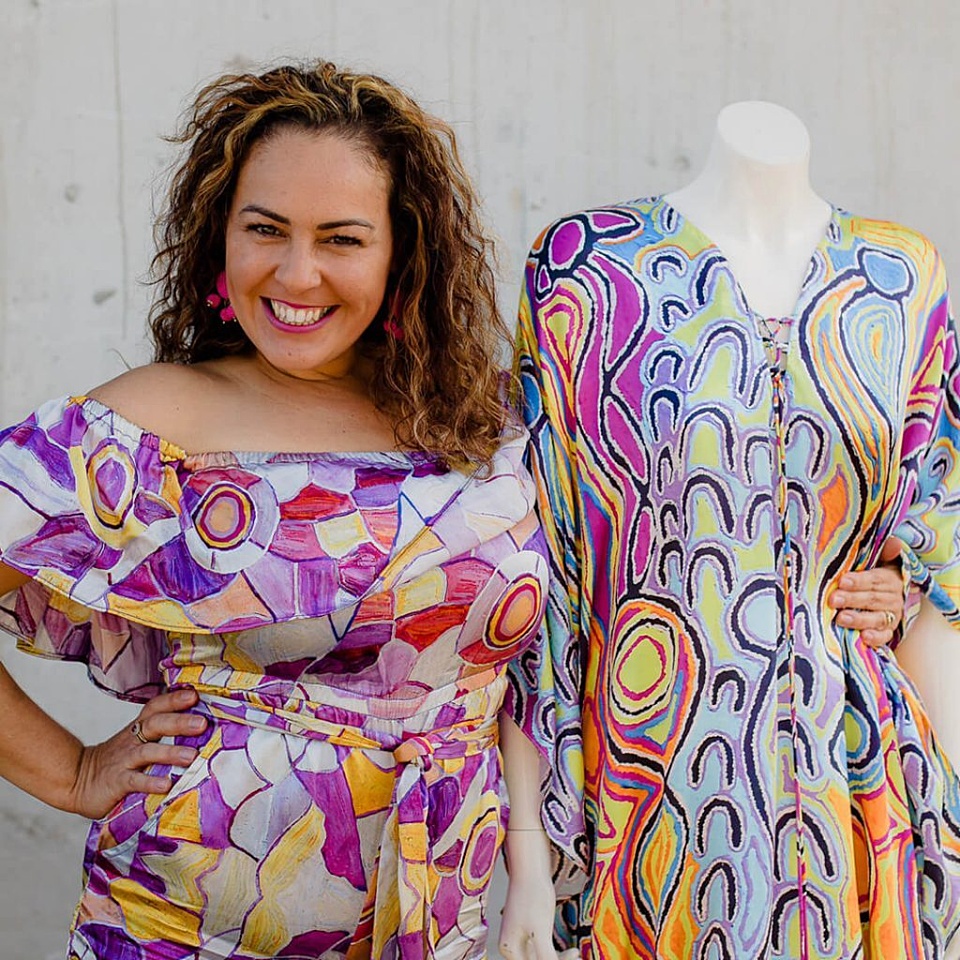
Mandy Richards is the founder and CEO of Global Sisters, a charity reinventing employment, low-income housing and other essentials for women in need. She won the title of CEO of the Year at the 2025 Third Sector Awards.
She recently spoke about her work as part of Community Directors' People with Purpose series.
McLean-Thompson said the organisation employed longitudinal data, “timeline mapping” to track participants’ progress, and systems mapping and analysis.
A key finding from the study was that most participants needed more time to reach full financial independence, largely because of the long-term effects of surviving violence.
The study found that existing government timelines were “completely unrealistic and unachievable”, but the Global Sisters model showed how getting women off welfare was possible.
“We are now using the evidence base as advocacy to create permanent and lasting change,” she said.
Judges praised the project as “a standout example of social impact measurement driving both program innovation and systems change”.
They cited the “mixed-method framework, feminist design, strong lived-experience voice, and verified business outcomes” saying the project would stand as a model for excellence “in measuring what matters for disadvantaged women.”
“How is it that a $6 billion spend in one year alone hasn't translated to improving the lives of Aboriginal and Torres Strait Islander people? I'll tell you why. We're measuring the wrong thing.”
A First Nations-owned and -led consultancy has been recognised for developing a digital diagnostic tool to assess and improve impact for First Nations communities.
15 Times Better’s “15xB Impact Assessment” assesses organisation’s performance across seven domains, including strategy, employment, governance and cultural respect.
The tool combines cultural knowledge and structured impact measurement and has been trialled by 20 organisations, including companies such as Bupa and IFM Investors.
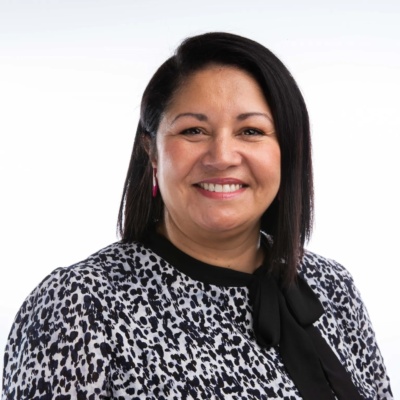
In her pitch, 15 Times Better CEO and founder Topaz McAuliffe said, “How is it that a $6 billion spend in one year alone hasn't translated to improving the lives of Aboriginal and Torres Strait Islander people? I'll tell you why. We're measuring the wrong thing.”
“In the absence of a standard to measure impact, we have developed the GRO (gaps, risks, opportunities) assessment, which looks at seven key impact areas aligned to core business.”
The system uses a structured logic model to highlight gaps, quantify risks and highlight paths to greater effectiveness, as part of an ongoing assessment process.
The judges described the effort as “a gamechanger”.
“This application showcases innovative design by flipping the focus, for real transformational change,” judges said. “First Nations-led design, expertise and priorities elevate the tool, and the application is explicit in challenging implicit and explicit power through the criteria you have developed.”
A national effort to better measure the effort of homelessness services is the winner of this year’s collaboration award.
The Salvation Army-led Homelessness National Outcomes Measurement Pilot enlisted more than 700 workers across 23 services to test a trauma-informed, strengths-based framework.
The project brought together people with experience of homelessness, frontline staff and data specialists to design a flexible national tool that could support both standardisation and local context.
The Salvation Army said the pilot involved working with services and clients to refine the framework, ensuring it was “robust” and “grounded in the realities of homelessness”.
Research analyst Stefano Verrelli, who led the project, accepted the award, but said the recognition belonged to the organisation’s homelessness leaders, practice specialists, frontline teams, and people who had experienced homelessness, “who trusted us with their stories and wisdom, ensuring this work stayed connected to the realities that matter most”.
The new framework was expected to be used nationally, following the successful pilot.
Judges praised the program’s “feedback loop”, which ensured that “clients and communities, especially those involved with consultation, [were able] to understand the value of their involvement and collaboration.”
The runners-up in 2025 were:
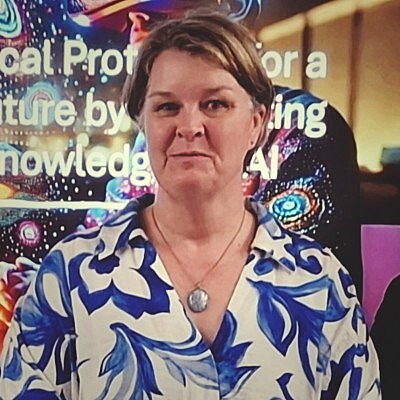
The online awards ceremony also featured a debate between experts about the impact of artificial intelligence (AI) on social impact, and whether it was beneficial or detrimental.
The debate featured Federation University’s Professor Bindi Bennett, evaluation consultant Matt Healey, the National AI Centre’s Rita Arrigo, and, playing the role of ChatGPT, former SmartyGrants chief technology officer and outgoing SIMNA co-chair Sarah Barker, wearing a white mask sporting a ChatGPT logo.
The group tackled equity, ethics, obsolescence and opportunity, but most agreed with Barker’s suggestion that users should “treat AI like a tool … with a personality cult behind it”.

“There are always humans shaping the world views, the blind spots, and adding marketing spin. Ask who benefits, who built [the AI] and who gets left out,” she/ChatGPT said.
Professor Bennett won nods from the others when she argued that any use of AI must “stay relational, community-led and justice based”.
SmartyGrants – which is part of the Our Community group of social enterprises – has been a sponsor of the event for the past six years.
More about the winners and runners-up at simna.com.au
Posted on 07 Oct 2026
A major public campaign launched this morning is calling on the federal government to restore…
Posted on 07 Oct 2026
The Australian Literacy & Numeracy Foundation (ALNF) has announced a partnership with mining…
Posted on 07 Oct 2026
A conference in Darwin will this morning hear detailed, strategic plans for how Australia could…

Posted on 30 Sep 2026
Not-for-profit leaders have been warned to be wary of approaches from potential “funding partners”…
Posted on 30 Sep 2026
More than 200 fully funded Centre for Social Impact (CSI) scholarships will help equip for-purpose…

Posted on 30 Sep 2026
Personal stories are among the most powerful tools a charity can have to raise funds and awareness,…
Posted on 23 Sep 2026
A just-released major global survey of charities has found that demand for charity assistance has…
Posted on 23 Sep 2026
Fresh from welcoming delegates to last week’s Philanthropy Australia conference in Brisbane,…

Posted on 23 Sep 2026
A national strategy to develop Australia's regional cities is needed to break the housing…

Posted on 23 Sep 2026
Eight years after a report to Treasury first suggested the charities regulator should be more…
Posted on 17 Sep 2026
Australia’s biggest gathering of philanthropists, which drew more than 1200 delegates to Brisbane…
Posted on 16 Sep 2026
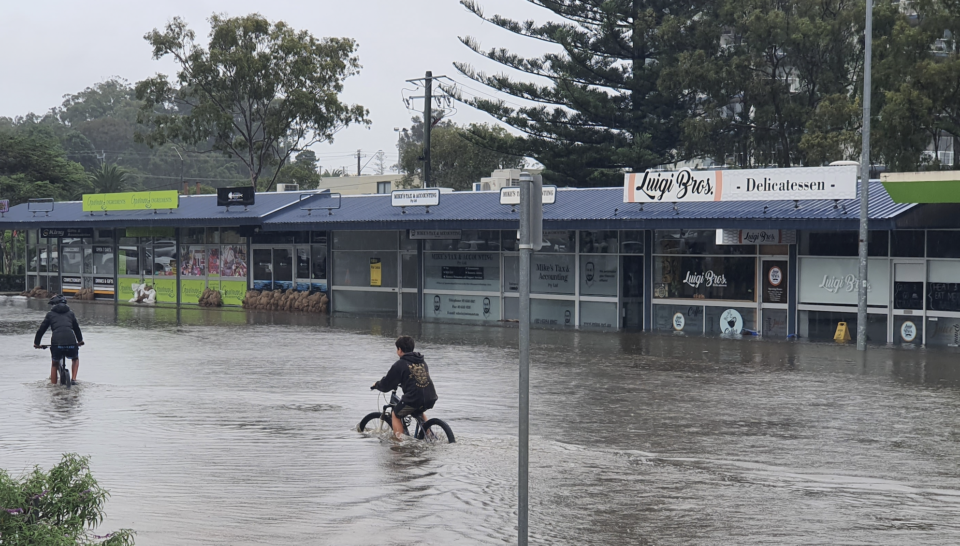
A new partnership between Paul Ramsay Foundation (PRF) and Atlassian Foundation aims to attract…