Save Izzy: campaign calls on government to restore funding for vital services directory
Posted on 07 Oct 2026
A major public campaign launched this morning is calling on the federal government to restore…
Posted on 14 Oct 2025
By Nick Place, journalist, Community Directors
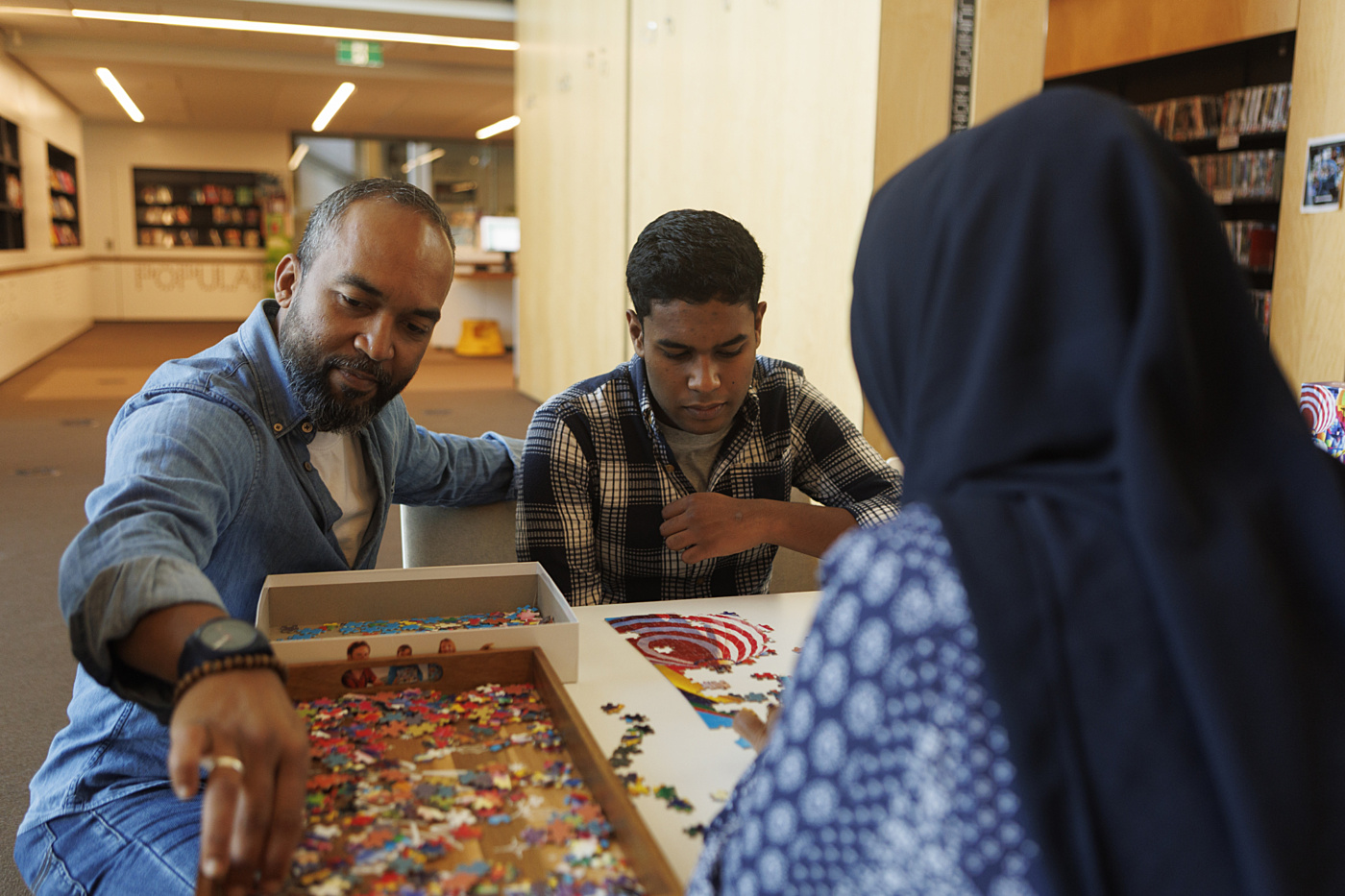
The federal government’s planned Thriving Kids rollout is rushed, leaving those affected with not enough time to prepare and putting vital supports at risk, according to a first pass at data from a new national survey.
Preliminary findings from the survey of 1535 families and young people by Children and Young People with Disability Australia (CYDA) have seriously questioned the plans for launching Thriving Kids in July 2026.
Thriving Kids is a targeted NDIS alternative for some children under nine who have developmental delay or autism. The July launch date has given governments, providers and affected families only nine months to prepare. NDIS access changes are set to occur from mid-2027.
CYDA described the survey as “the first significant community pulse check of its kind since Disability Minister Mark Butler announced Thriving Kids on 20 August.”

CYDA CEO Skye Kakoschke-Moore said the message to Minister Butler from the survey was clear.
“It is a major red flag when a vast majority of people who will be impacted tell you your reform timetable is unrealistic and that it could cause real harm,” the former South Australian Senator said.
“We have long called for alternative supports, but they need to be effective, properly co-designed with our community, and fully functional before they can replace the NDIS.
“Such significant reform cannot be achieved in under a year without risking children falling through the cracks and losing access to essential, life-changing supports completely.”
Only four per cent of those surveyed felt that the scheduled launch date offered sufficient time for preparations, while the majority said they did not believe there was time for genuine consultation, a trial period and amendments, according to CYDA.
More than 70 per cent of survey recipients asked for guaranteed supports and the maintenance of some existing supports, indicating fears that Thriving Kids would not meet their needs or provide the necessary level of disability and neuroaffirming support.
Some respondents were so worried about the Thriving Kids plans that they reported feeling angry, powerless, and even at risk of self-harm. Of those surveyed, 76 per cent of young people, parents and caregivers were worried about the timeline, while nearly half (51 per cent) were scared or confused by the initiative.
CYDA made a submission to the Parliamentary Inquiry on Thriving Kids, which closed for submissions on October 3, and it has a seat on the government’s Thriving Kids Advisory Group. Kakoschke-Moore agreed that this provided a platform from which to make CYDA’s concerns known directly to government decision makers.
“CYDA will use our role on the Thriving Kids Advisory Group to ensure the views and experiences of children and young people with disability and their families are understood by the decision makers responsible for signing off on the program. We are hopeful they will consider our community-driven recommendations carefully,” she told the
Advocate.
“Thriving Kids has the potential to be transformative for many families and children with disability, but it needs to be developed by and for them.”
“Engaging with the community and seeking the agreement of states and territories takes time, as we have seen from the slow progress towards implementing foundational supports. It's more important to get the design of Thriving Kids right than to meet a launch date.”
CYDA says it is essential that plans for the creation of Thriving Kids are made in consultation with the community the program must serve. Surveyed on what they considered to be essential inclusions in the program, 97 per cent of respondents said occupational therapy, 96 per cent said speech therapy, 90 per cent psychology, 86 per cent physical therapy, and 79 per cent asked for parenting programs.
“Thriving Kids has the potential to be transformative for many families and children with disability, but it needs to be developed by and for them,” said Kakoschke-Moore.
“What was most apparent in our survey was a desire for the program to be tailored to individual needs, to be disability- and neuro-affirming, and to provide real choice and control.”
CYDA’s submission to the inquiry, which was supported by 14 other disability and peak organisations, called on the government to:
Posted on 07 Oct 2026
A major public campaign launched this morning is calling on the federal government to restore…

Posted on 07 Oct 2026
The Australian Literacy & Numeracy Foundation (ALNF) has announced a partnership with mining…

Posted on 07 Oct 2026
A conference in Darwin will this morning hear detailed, strategic plans for how Australia could…

Posted on 30 Sep 2026
Not-for-profit leaders have been warned to be wary of approaches from potential “funding partners”…
Posted on 30 Sep 2026
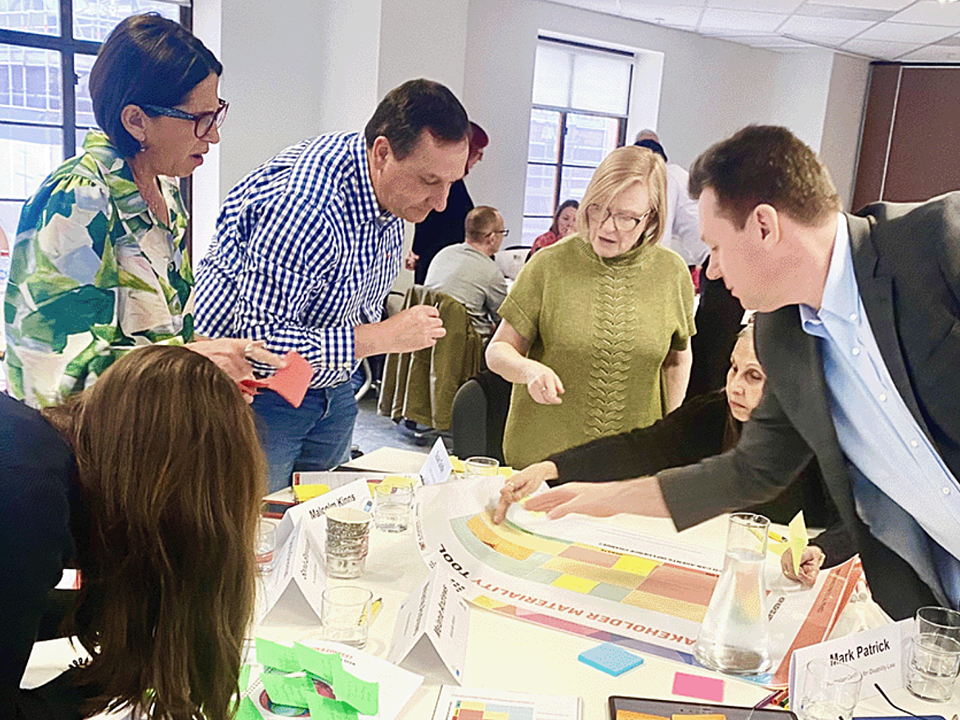
More than 200 fully funded Centre for Social Impact (CSI) scholarships will help equip for-purpose…

Posted on 30 Sep 2026
Personal stories are among the most powerful tools a charity can have to raise funds and awareness,…
Posted on 23 Sep 2026
A just-released major global survey of charities has found that demand for charity assistance has…
Posted on 23 Sep 2026
Fresh from welcoming delegates to last week’s Philanthropy Australia conference in Brisbane,…

Posted on 23 Sep 2026
A national strategy to develop Australia's regional cities is needed to break the housing…

Posted on 23 Sep 2026
Eight years after a report to Treasury first suggested the charities regulator should be more…

Posted on 17 Sep 2026
Australia’s biggest gathering of philanthropists, which drew more than 1200 delegates to Brisbane…

Posted on 16 Sep 2026
A new partnership between Paul Ramsay Foundation (PRF) and Atlassian Foundation aims to attract…