
Philanthropists ask: Can we forge a better future?
Posted on 17 Sep 2026
Australia’s biggest gathering of philanthropists, which drew more than 1200 delegates to Brisbane…
Posted on 19 Feb 2025
By Matthew Schulz, journalist, Institute of Community Directors Australia

Technology priorities for not-for-profits in 2025 include better data and reporting, improved websites, data protection – including against cyberattacks – enhanced social media and digital marketing, and the adoption of new tech that will help them reach their goals.
Those priorities come from the latest Infoxchange Digital Technology in the Not-for-profit Sector report, which has been tracking NFP sector tech issues for nearly a decade.
The sector-developed NFP Sector Blueprint, being considered by the federal government, also highlights the urgent need to build on the sector’s digital and data literacy.

According to Infoxchange, the biggest barriers to achieving those goals are budgets, rising costs, access to affordable resources, staff capability, the need to improve the user experience, and access to apps and websites.
Infoxchange chief executive David Spriggs said there are powerful benefits for organisations able to harness technology.
“We know that when NFPs prioritise their tech capabilities across data, AI, cloud, automation and other innovative technologies, they can increase their ability to improve impact and make more data-driven, evidence-based decisions.”
Yet, as his organisation’s latest study showed, “the majority of organisations do not have the required infrastructure, systems and software to effectively support their work, protect sensitive information, or understand the impact of their services and outcomes.”
He said his organisation aimed to help “resource-strained” NFPs to overcome barriers using a suite of advice, resources and products, such as its Digital Transformation Hub, Cyber Hub and Digital Learning Centre.
Infoxchange will host a national conference on NFP tech in Melbourne on May 7–9.

Not-for-profits remain prime targets for cybercriminals, with weak security protocols and policies leaving them vulnerable.
Authorities warn that cyberattacks area a matter of when, not if, with advocates such as the Community Council for Australia (CCA) seeking additional resources and support for the sector.
One of the biggest recent breaches was the July 2024 attack on Geelong-based Meli Community, in which an estimated 215 GB of data was taken, and probably published on the dark web. This followed the massive 2023 Pareto Phone hack involving more than 70 charities and leading to the details of 50,000 donors being leaked.
Last year, the nation’s privacy watchdog, the Office of the Australian Information Commissioner (OAIC), quietly dropped a one-year investigation into the Pareto Phone breach, after deciding the remedies it might obtain were not worth the effort.
Soon afterward it issued updated guidance targeting not-for-profits, with a focus on taking care when using third-party providers for fundraising or other functions.
The guidance covers:
“We … know that the sector wants to do the right thing when it comes to privacy. Our guidelines are intended to help charities and other not-for-profit organisations do just that,” Privacy Commissioner Carly Kind said.
“Retaining more personal information than you need creates privacy risks for your organisation, staff and supporters.”
“If you are using a third-party provider, whether that is for fundraising, or a software vendor or other provider, make sure their privacy practices meet the expectations of both your organisation and the wider community.”
Infoxchange had previously warned that many NFPs were missing basic cybersecurity precautions, such as training for staff or policies to improve their security “posture”. Insurance broker Aon’s NFP lead Aaron Turner said that the organisations without those measures could find they were “uninsurable”.
“It seems likely that 2025 will bring massive, structural changes to nature, governments, borders, and economies.”

One big thinker whom not-for-profit leaders should watch is Dr Lucy Bernholz, a US-based scholar examining the future of digital civil society.
Based at Stanford University’s Center on Philanthropy and Civil Society (PACS), Bernholz has published an annual industry forecast, Blueprint, since 2010.
The study examines how trends in technology, policy and social movements are affecting not-for-profits.
However, in a sign of how tricky these forecasts have become, Bernholz has ditched her usual annual predictions, simply stating: “It seems likely that 2025 will bring massive, structural changes to nature, governments, borders, and economies.”
Despite the uncertainty, the 48-page study identifies several key issues relevant to Australian NFPs, such as:
Bernholz’s analysis ranges over political trends, data privacy, technology ownership, laws and regulation, ethics and case studies, and she offers possible solutions for organisations seeking to protect vulnerable citizens in the digital age.
Readers can track Bernholz’s thoughts here.
Free cybersecurity self-assessment tool for community organisations
May 21, free webinar: Explore the latest trends in cyber safety and the evolving role of boards in protecting organisational assets.
July 24, paid webinar: Shift your focus from mere cyber security – a strategy designed to protect data and systems – to cyber resilience.
Posted on 17 Sep 2026
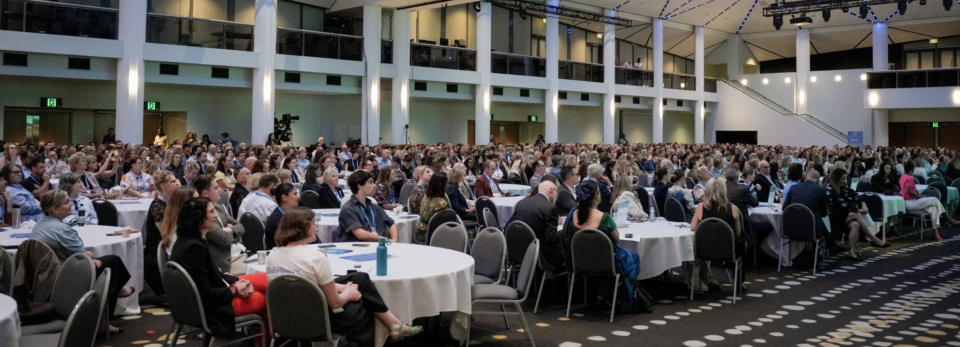
Australia’s biggest gathering of philanthropists, which drew more than 1200 delegates to Brisbane…
Posted on 17 Sep 2026
Experts in Australian philanthropy say there are stark differences between philanthropic money and…

Posted on 17 Sep 2026
One of Australia’s foremost fundraising observers says Australian not-for-profits must get the…
Posted on 17 Sep 2026
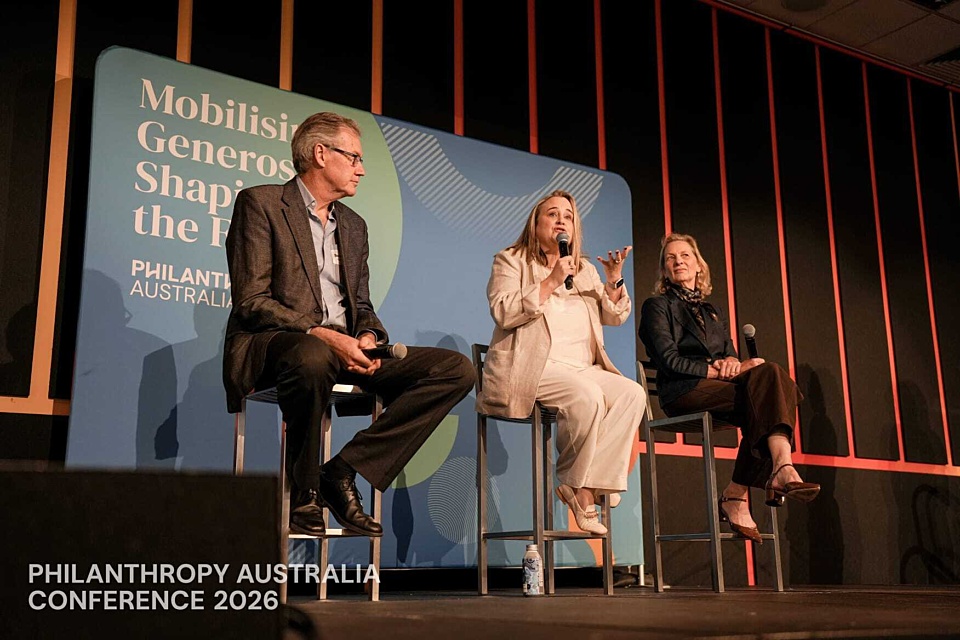
As direct giving dries up, charities face growing dependence on big donors and negotiating the…

Posted on 17 Sep 2026
Charities reported $14.8 billion in donations and bequests last financial year, the second-highest…

Posted on 17 Sep 2026
My father often googles my name, and as a result, years ago, I received a surprising gift in the…
Posted on 17 Sep 2026
Where Evelyn Mugisha grew up in rural Uganda, the subjects and careers considered suitable for…
Posted on 09 Sep 2026
A global gathering of philanthropists in Brisbane this week is aiming to tackle society’s biggest…
Posted on 09 Sep 2026
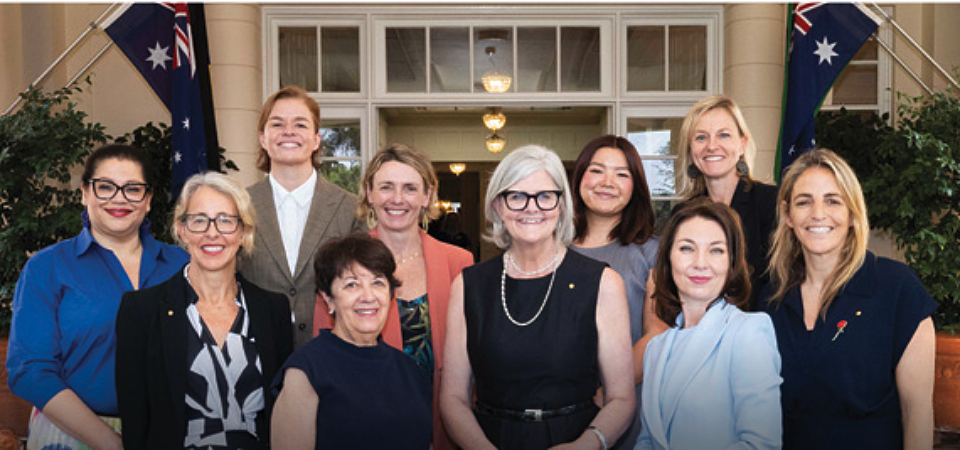
Media attention about women's philanthropy has more than doubled in three years, according to new…
Posted on 26 Aug 2026
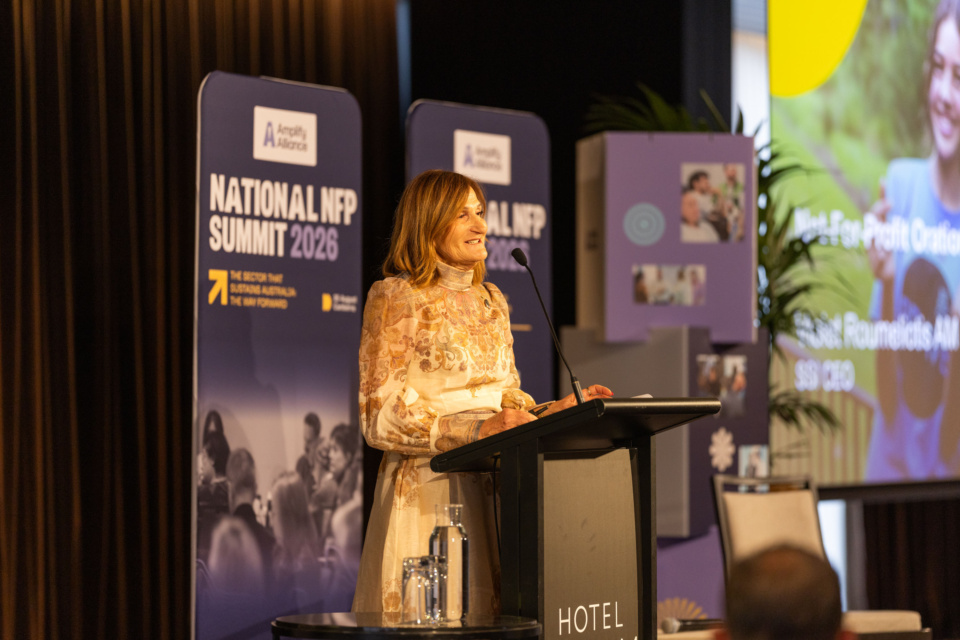
Sector leader Violet Roumeliotis has called on funders to stop treating not-for-profit…

Posted on 13 Aug 2026
As a teenager, I attended summer camp for seven years, first spending two weeks at a time camping…

Posted on 13 Aug 2026
Not-for-profits are full of people with great ideas, but that doesn’t mean they are set up for…