
Save Izzy: campaign calls on government to restore funding for vital services directory
Posted on 07 Oct 2026
A major public campaign launched this morning is calling on the federal government to restore…
Posted on 15 Oct 2025
By Nick Place, journalist, Community Directors
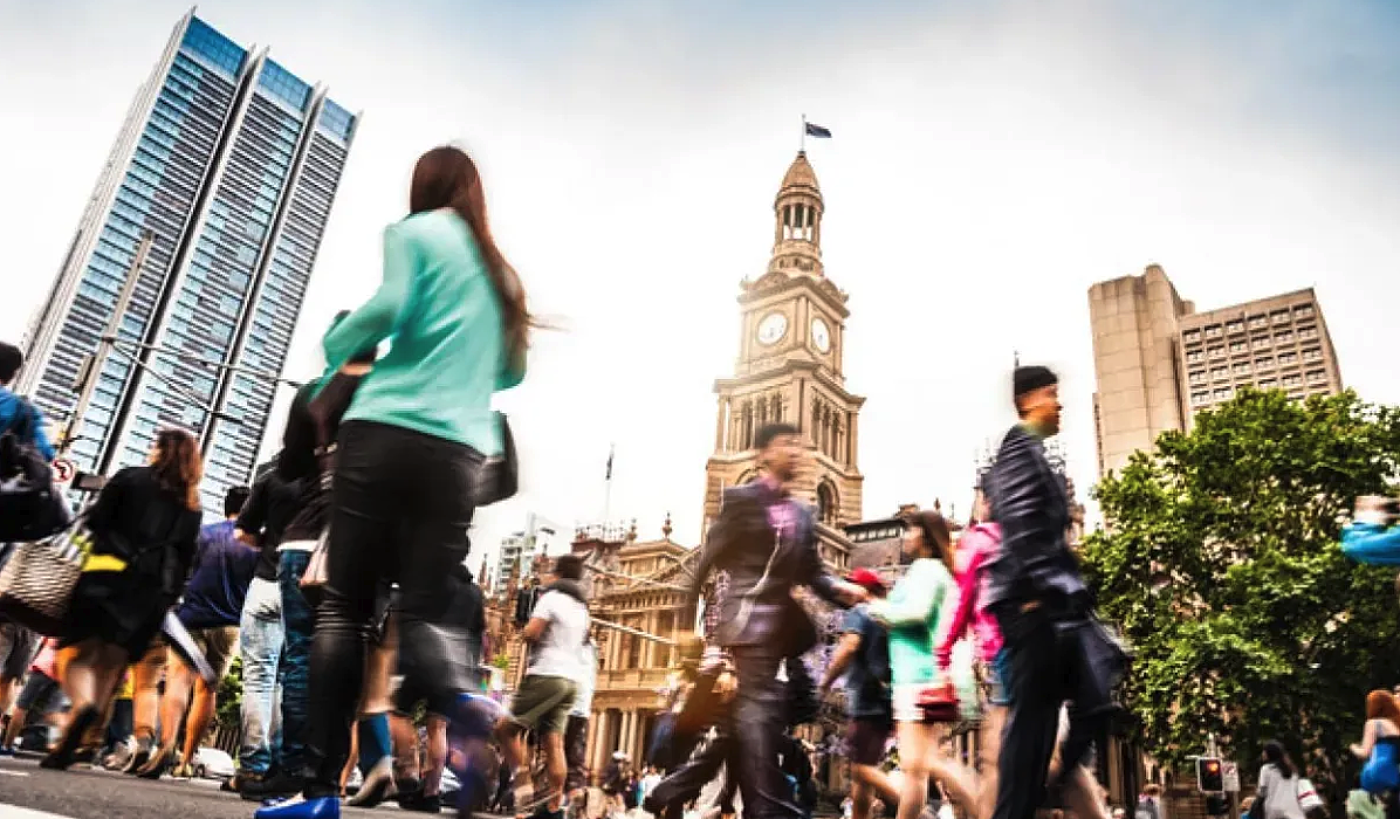
Tomorrow (Thursday) will see the release of the Scanlon Foundation Research Institute’s annual Mapping Social Cohesion Report, and the Institute’s CEO, Anthea Hancocks, says it will be a chance to remember that Australia’s social cohesion is strong, despite the volatility of headlines and activists.
“I get asked questions all the time about social cohesion because people see what’s happening internationally and they say, ‘Oh my God, everything must be falling apart here [in Australia] as well’,” Hancocks told the Community Advocate. “They’re very concerned about whether Australia’s social cohesion is falling off a cliff because in many respects we only have those little snapshots that you get, whether it’s of the protests or whether it’s of people’s concerns or far right wing or far left wing people telling you particular narratives.”
In fact, between 2023 and 2024, Australia’s social cohesion index didn’t waver, despite the prevalence in the headlines of wars in Gaza and Ukraine, climate change and Trump. Hancocks said the traditional ways in which Australians enjoy living in an integrated, cohesive society haven’t changed. The report is powerful because it surveys more than 8000 people in several languages to try to reflect Australia’s diverse population, and it taps into the views of people who don’t try to grab headlines, but quietly live their lives.
“When you think about Australia, we have this quite unique population, in that the extremes are quite extreme and they’re quite small. Whereas the vast bulk of the Australian population, they might not be loud, but they very much have an effect on how we respond,” she said. “You would’ve seen that in the last federal election, where a lot of talk was about whether the US was going to influence Australians, and they very much stood up and said, ‘Nope, thank you very much. We are quite different in terms of our approach to the world.’”
The Mapping Social Cohesion Report has been published every July for 19 years, driven by the Scanlon Foundation’s founder, Peter Scanlon, who recognised that 60 per cent of Australia’s growth came from immigration yet there was very little research being conducted into how people settled here, how they could feel accepted and not alienated and what they might need for a sense of belonging. Today, the survey consists of more than 100 questions across five internationally recognised domains of social cohesion, and it remains unique in the world as a dedicated, independent annual study of Australia’s social cohesion.
“If you really do want to make a difference in Australia, youth, women and neighbourhoods are three of our real strengths, and we need to make sure that we supercharge them so that they can continue to make us a resilient country.”
To find out why Australia is quietly so good at cohesion, Hancocks said you only need to stand outside your front door and look around.
“In last year’s survey, it was very clear, and has been for some time, that the strength of Australia’s social cohesion comes from its neighbourhoods,” she said. “It has an awful lot to do with that social connectivity that happens within people’s neighbourhoods. Understanding those strengths in Australia is really valuable.”
“When people go out shopping on a Saturday morning, smiling and saying hello to the people in the street, that doesn’t mean there aren’t issues, but those sorts of things are very reassuring to the idea that I can rely on my neighbours, I can trust them. I know that they’ve got a similar way of approaching the world to me. Those things are quite reassuring.
“It doesn’t mean that there aren’t people who would define themselves as poor or struggling to pay bills, who feel far more isolated and far less trusting, and feel a lower sense of belonging than do other people. But, if they live in an area of high neighbourhood cohesion, their level of happiness, which is quite relative, goes up considerably.”
The full report will be released tomorrow at the Australian Social Cohesion Summit, which brings together government, research, business and community leaders to discuss the findings and consider ways forward. The theme of the summit will be “Building on our strengths: the role of youth, women, and neighbourhoods in fostering social cohesion”.
Hancocks said those three groups were vital.
“If you really do want to make a difference in Australia, youth, women and neighbourhoods are three of our real strengths, and we need to make sure that we supercharge them so that they can continue to make us a resilient country,” she said.
“From across a multicultural country, you really want young people to be out there, loud and proud, saying this is the greatest thing since sliced bread that we’ve got this diversity.
“Women tend to be somewhat more progressive in their approach, somewhat more welcoming, and somewhat more open-minded to different changes, they’re more trusting. So, that’s one of the areas that we think could be ramped up considerably.”
As for local neighbourhoods, “That’s the essence of the context in which people need to feel comfortable and develop that sense of trust,” Hancocks said. “Local governments are the most trusted level of government in Australia, so that connectivity is really important.”
More information
The Mapping Social Cohesion Report will be available on the Scanlon Foundation Research Institute website tomorrow morning.
Posted on 07 Oct 2026
A major public campaign launched this morning is calling on the federal government to restore…
Posted on 07 Oct 2026
The Australian Literacy & Numeracy Foundation (ALNF) has announced a partnership with mining…
Posted on 07 Oct 2026
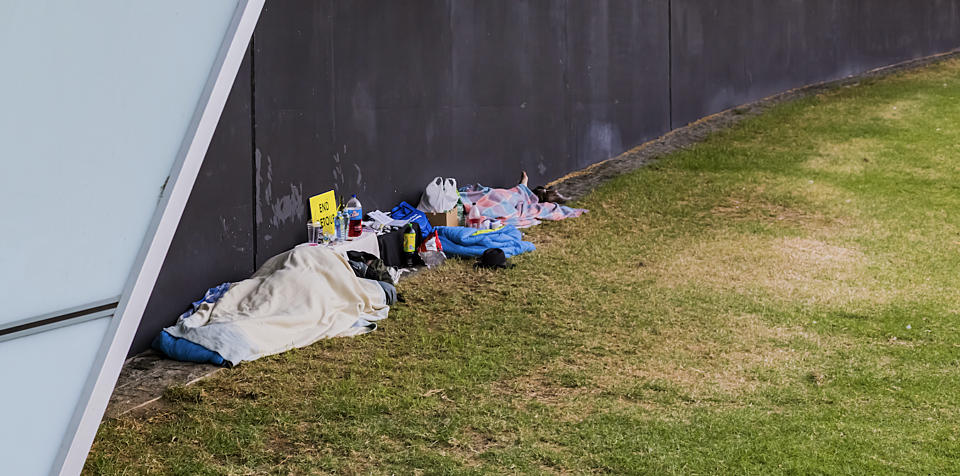
A conference in Darwin will this morning hear detailed, strategic plans for how Australia could…

Posted on 30 Sep 2026
Not-for-profit leaders have been warned to be wary of approaches from potential “funding partners”…
Posted on 30 Sep 2026
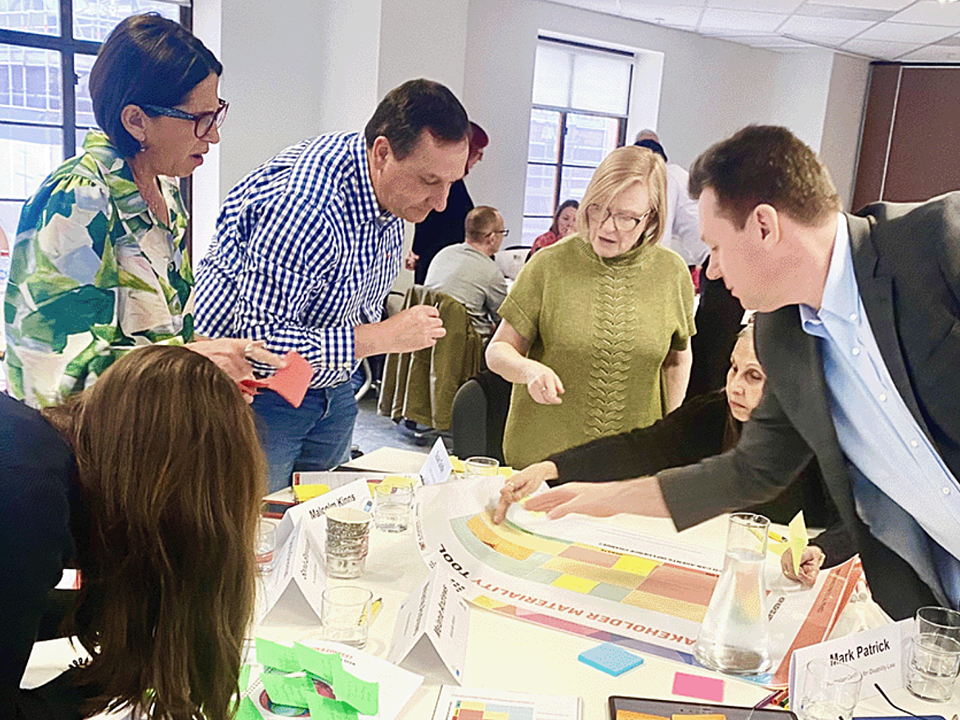
More than 200 fully funded Centre for Social Impact (CSI) scholarships will help equip for-purpose…
Posted on 30 Sep 2026
Personal stories are among the most powerful tools a charity can have to raise funds and awareness,…

Posted on 23 Sep 2026
A just-released major global survey of charities has found that demand for charity assistance has…
Posted on 23 Sep 2026
Fresh from welcoming delegates to last week’s Philanthropy Australia conference in Brisbane,…
Posted on 23 Sep 2026
A national strategy to develop Australia's regional cities is needed to break the housing…

Posted on 23 Sep 2026
Eight years after a report to Treasury first suggested the charities regulator should be more…

Posted on 17 Sep 2026
Australia’s biggest gathering of philanthropists, which drew more than 1200 delegates to Brisbane…
Posted on 16 Sep 2026
A new partnership between Paul Ramsay Foundation (PRF) and Atlassian Foundation aims to attract…