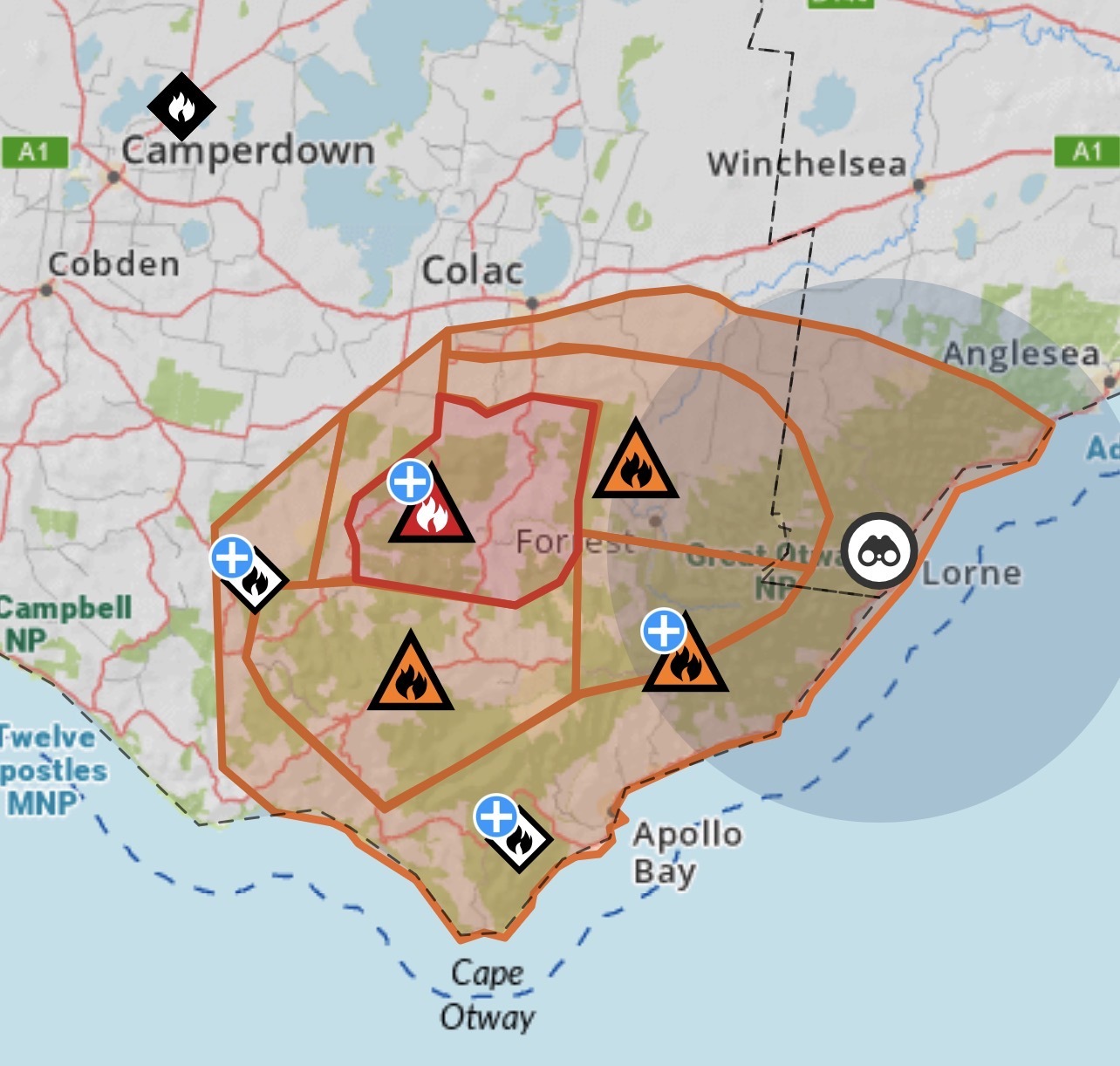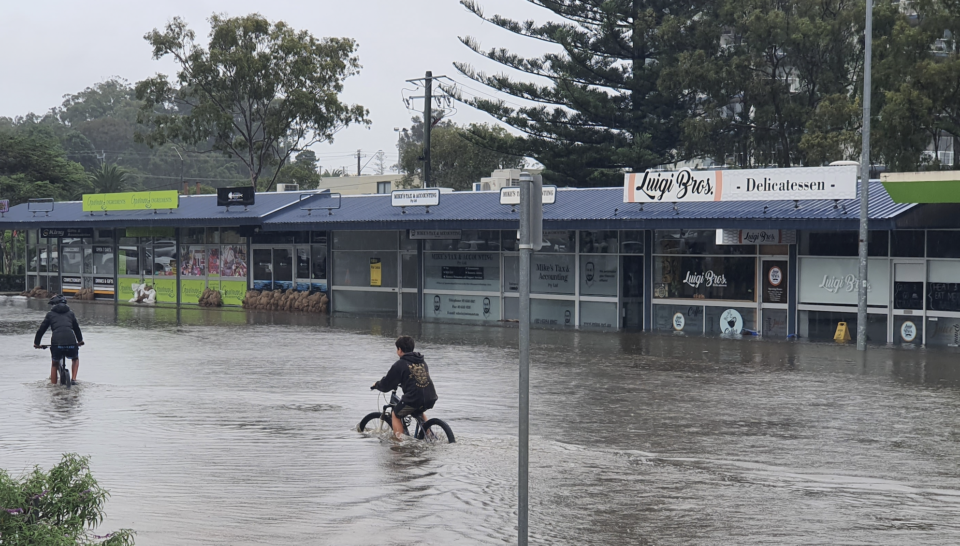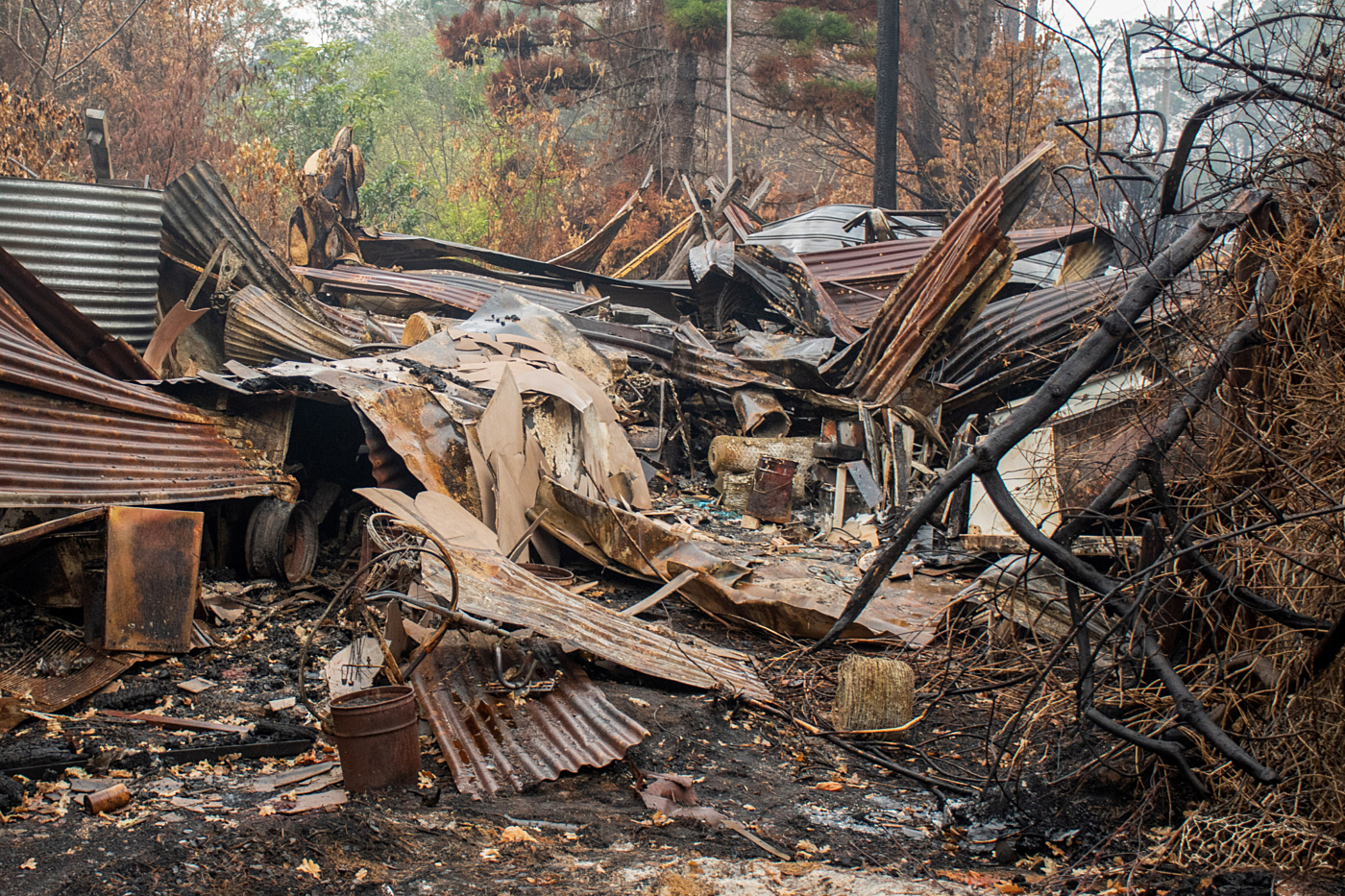
Disasters like these don’t just only destroy homes and lives, they also leave lasting scars on individuals, communities, and the environment. Though local support efforts are vital, they aren’t always enough, and further help becomes essential.
To fill in these gaps, many charities launch campaigns to raise money and encourage action that helps others from people who are far-removed and unaffected. However, with so many causes competing for attention and global priorities constantly shifting, it’s harder than ever for these campaigns to break through the noise.
Our new research, published in the Journal of Public Policy and Marketing, wanted to understand something big: does distance really matter when it comes to helping others?
And if it does, how can charities use that knowledge to make their campaigns more effective – whether the cause is close to home or far away?
Different types of distance
To find out, we dug into 17 years of research, reviewing experimental studies on campaigns for causes that were “distant” in different ways.
Some were geographically distant – think helping people overseas versus those in your local community.
Others were socially distant – helping people who are nothing like you, compared to those you feel connected to. Think about supporting complete strangers versus people who share your background, interests or community.
And then some were “temporally distant”: causes focused on a distant time point in the future. Examples include climate change outcomes or long-term recovery, versus immediate support for fire and flood victims – such as those in Victoria and Queensland who still need help on the ground right now.
By looking at all these different forms, we started to see that distance isn’t just about kilometres – it’s a concept that shapes how people decide to help.
What we found was fascinating: different types of distance don’t all work the same way. Although people are likely to help when the cause is close to home, what matters even more is social proximity: how similar or connected we feel to people in need.
In other words, helping “people like me” often outweighs helping those nearby. This opens up a big opportunity for charities – if a cause is far away, making it feel socially closer could be the key to success.