
Save Izzy: campaign calls on government to restore funding for vital services directory
Posted on 07 Oct 2026
A major public campaign launched this morning is calling on the federal government to restore…
Posted on 17 Sep 2025
By Nick Place, journalist, Institute of Community Directors Australia
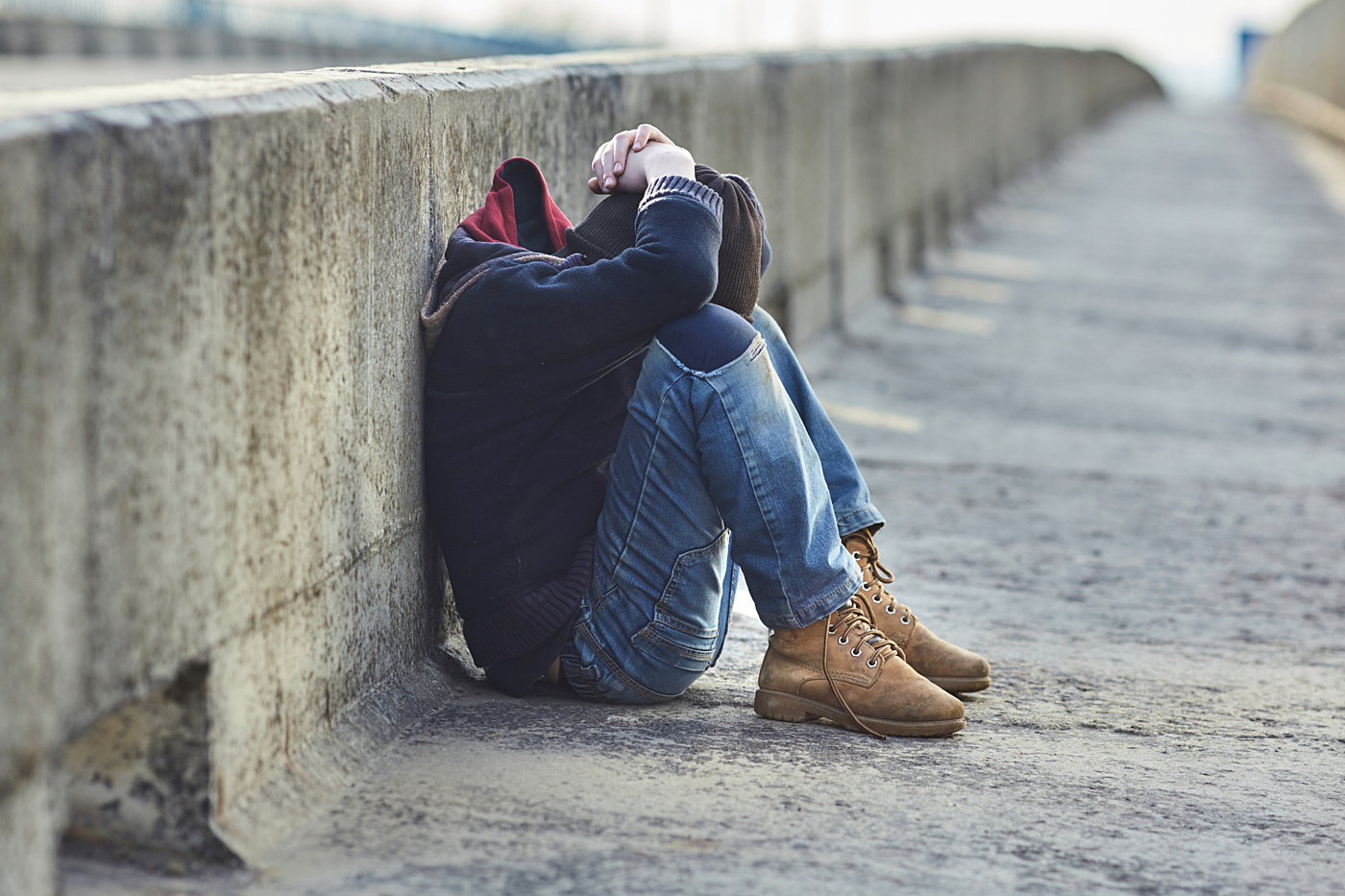
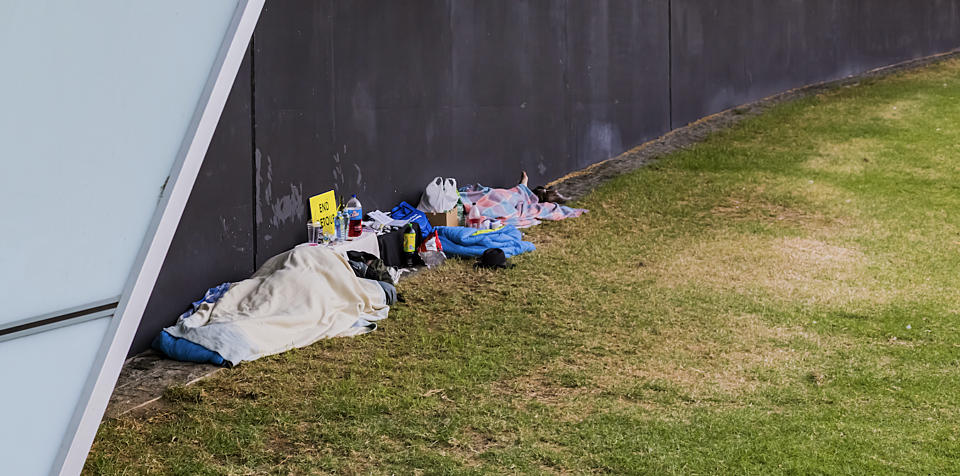
Australia, particularly New South Wales, is facing a crisis in the rising number of children who are homeless and often alone, according to several charities.
Barnados Australia has released new analysis showing that in June this year, an alarming 28,279 Australian children went to specialist homelessness services for help. Of those children, 30 per cent were under the age of five, and another 27 per cent were aged between five and nine, Barnados said, while also showing that girls are over-represented in the numbers, making up 63 per cent of children seeking help without a parent or guardian.
The data is from the latest Australian Institute of Health and Welfare (AIHW) research, which is drawn from people who receive support from specialist homelessness services, as against information about the number of people who may be homeless in the broader community.
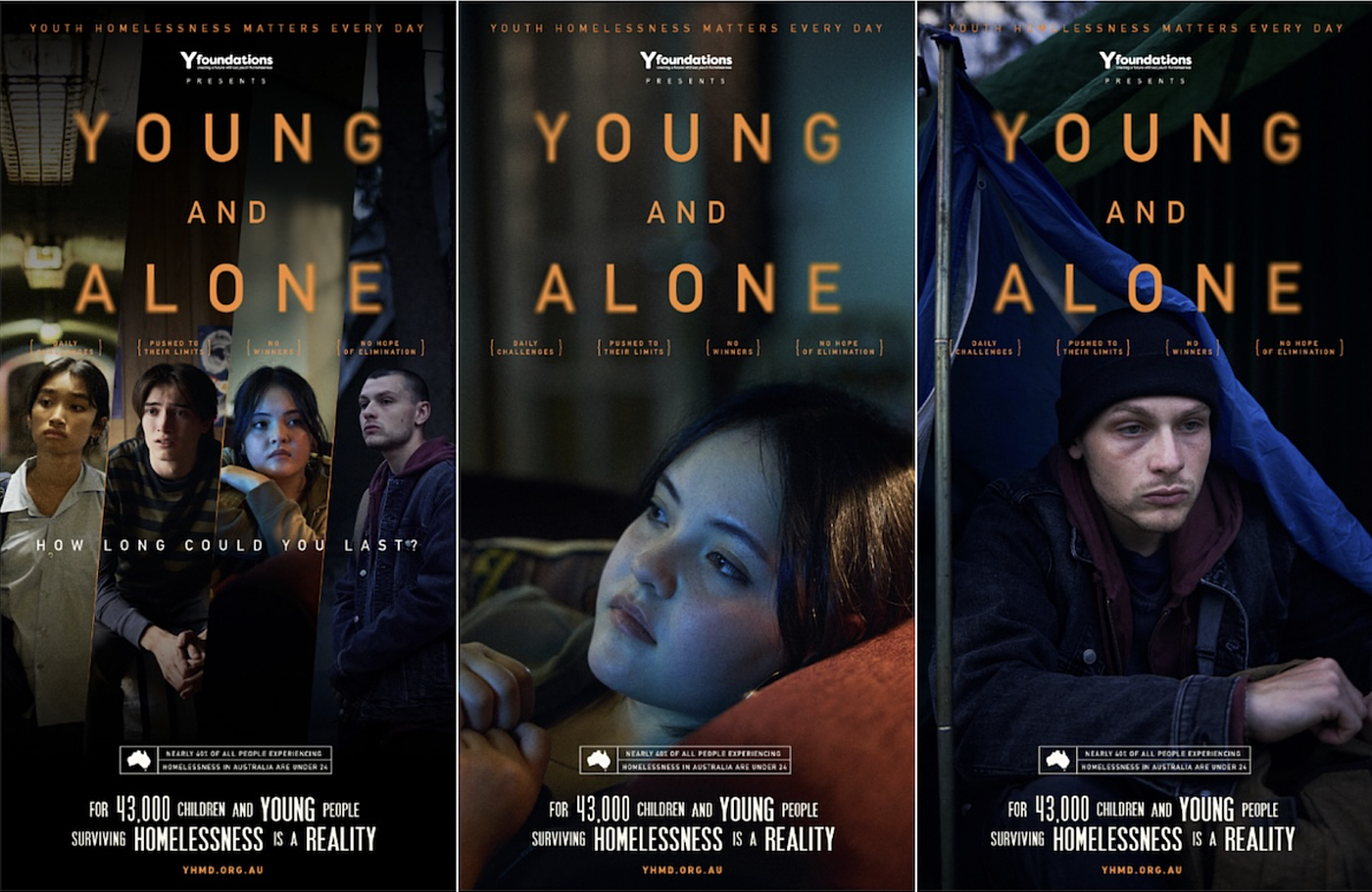
Barnados is not the only not-for-profit organisation that has been trying to bring attention to this issue. Yfoundations recently said that nearly one in three people accessing homelessness services in New South Wales were children and young people under 18.
Also using AIHW data, Yfoundations said New South Wales had the highest number of 12- to 17-year-olds seeking assistance for homelessness in the country, at 22,286 for the 2023–24 year.
Even more concerning was that Yfoundations said 6,108 of homeless children and young people aged 12 to 17 years were unaccompanied by an adult. This was more than twice as many unaccompanied 12- to 17-year-olds as in Victoria, where 2,762 children presented unaccompanied.
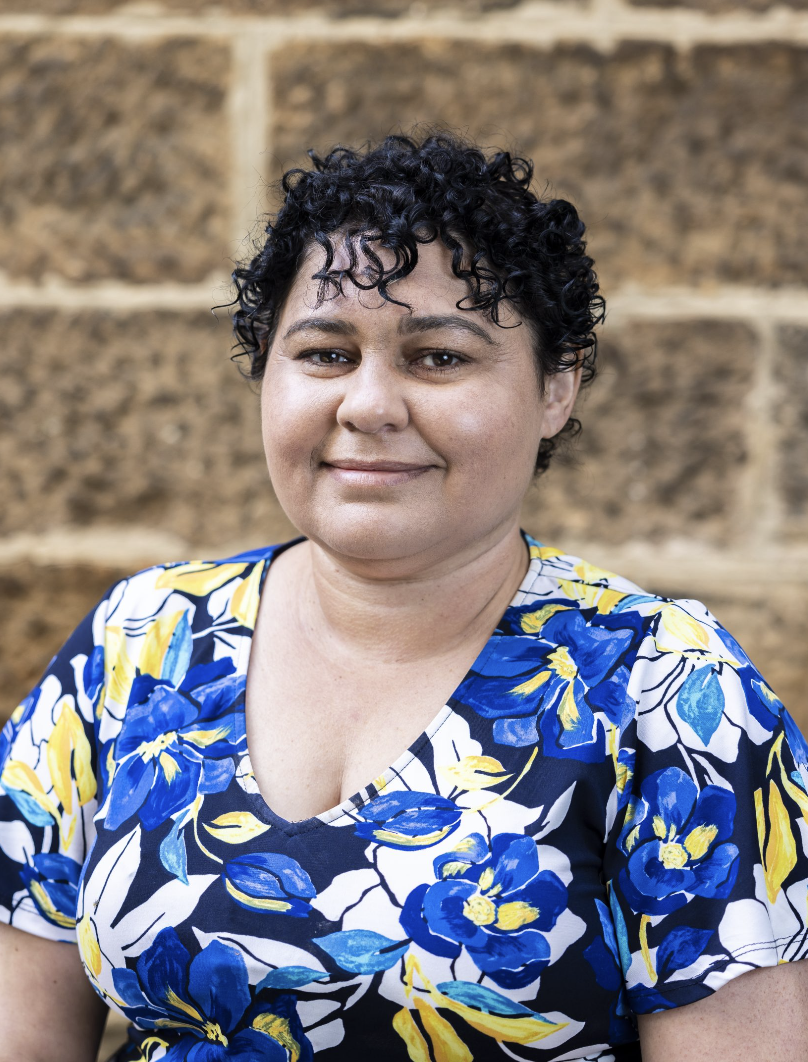
Homelessness NSW CEO Dominique Rowe used the stats to call on the state government to lift funding for services to meet the growing demands for support.
“The level of unaccompanied youth homelessness in NSW is far higher than every other state,” said Rowe. “Thousands of children are being forced to navigate homelessness on their own – scared, vulnerable and without the support of an adult. This is extremely worrying.
“These children should be safe in their beds at night, not lining up at crisis services alone.”
Barnados frontline worker Eliza Gibbs agreed, saying, “This should be a massive wake-up call for governments and communities. Thousands of children, who are in many cases leaving unsafe home environments, are winding up homeless. Children are not bystanders to crises like homelessness and family violence, they are also victims-survivors, and we cannot stand for that as Australians.”
A spokesperson for the federal housing & homelessness minister, Clare O’Neil, told The Advocate: “Australia's housing crisis has been a generation in the making and there is no more heartbreaking consequence of it than the prevalence of youth homelessness.
“It’s why – alongside our state and territory counterparts – we are investing so significantly in social, crisis and transitional accommodation for women and children escaping domestic violence and at risk of homelessness, including through the Housing Australia Future Fund, the National Housing Infrastructure Facility and a range of other programs.”
Yfoundation CEO John Macmillan told the Advocate that the released statistics did not make clear why New South Wales had so many more unaccompanied homeless children than other states.
“Domestic and family violence, family breakdown, and those sorts of things are key drivers for youth homelessness. There is also a range of individual vulnerabilities measured, such as mental health problems and drug and alcohol use,” he said. “Those stats can be a bit misleading because of course there is a bit of a chicken-and-egg thing there. Sometimes, mental health issues and substance misuse come as a result of becoming homeless rather than causing homelessness. So, they’re not reliable.
“With the AIHW report, what it really shows is that quite a significant proportion of children and young people who accessed homelessness services didn’t report any of those vulnerabilities. That suggests there is a systemic problem. There’s something in the safety net of services – child protection and others – that should be responding to the issues that drive child and youth homelessness. It suggests there is some issue there, but, unfortunately, the data doesn’t really tell us exactly why.”
Homelessness support services are funded by states, but also by federal funding, yet Macmillan said the data made one truth very clear.
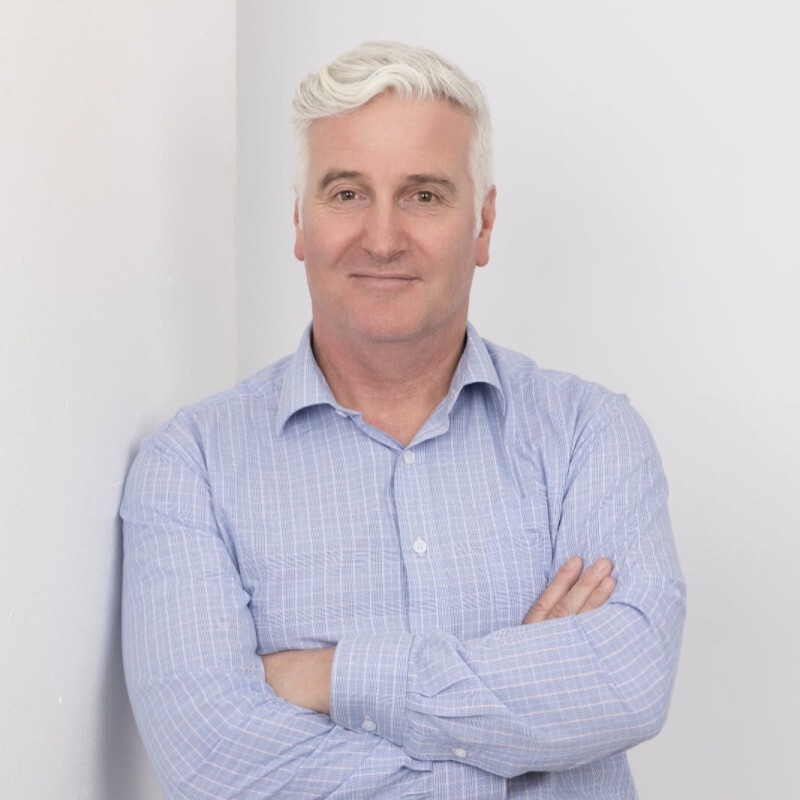
“The reality is, across the country about 50 per cent of young people who seek crisis accommodation on any given day have to be turned away because the system isn’t adequately funded. So, there isn’t enough funding to even respond to the crisis,” he said.
“What these new statistics suggest is that there also isn’t adequate investment in prevention and early intervention to stop young people – sometimes very young children – needing to seek assistance on their own.”
Homelessness NSW, Barnados and Yfoundations are all calling for extra government funding.
“Homelessness services are doing the best they can to look after children in very complex situations – but we know they are overwhelmed. We are calling on the government to lift funding for services so they can meet the growing demand for support,” said Rowe.
Barnados is calling for safe and secure housing for families, as well as “child-focused support and early intervention programs to protect children facing family violence and homelessness.”
John Macmillan said Yfoundations wants to see federal and state governments develop “dedicated plans with resources behind them to address child and youth homelessness.”
“Historically, children and young people have been treated as part of the adult system, but they have different needs and require different solutions,” he said. “We are calling for governments to develop and resource dedicated plans targeted to children and young people.
“One model that works is transitional housing, also known as supported housing. Often children and young people don’t grow up in a family environment that teaches them life skills to become independent members of society. Transitional housing models provide support and teach those skills – things like cooking, making a bed, and preparing to join the workforce.
“Those types of models work. Governments tend to want to fund permanent social housing, and while that’s important, what is really needed is investment in housing models that help children and young people move out of the system. They don’t necessarily need permanent social housing, they need a different type of intervention.”
Snapshot analysis key findings (AIHW, via Barnados Australia):
Posted on 07 Oct 2026
A major public campaign launched this morning is calling on the federal government to restore…
Posted on 07 Oct 2026
The Australian Literacy & Numeracy Foundation (ALNF) has announced a partnership with mining…
Posted on 07 Oct 2026
A conference in Darwin will this morning hear detailed, strategic plans for how Australia could…

Posted on 30 Sep 2026
Not-for-profit leaders have been warned to be wary of approaches from potential “funding partners”…
Posted on 30 Sep 2026
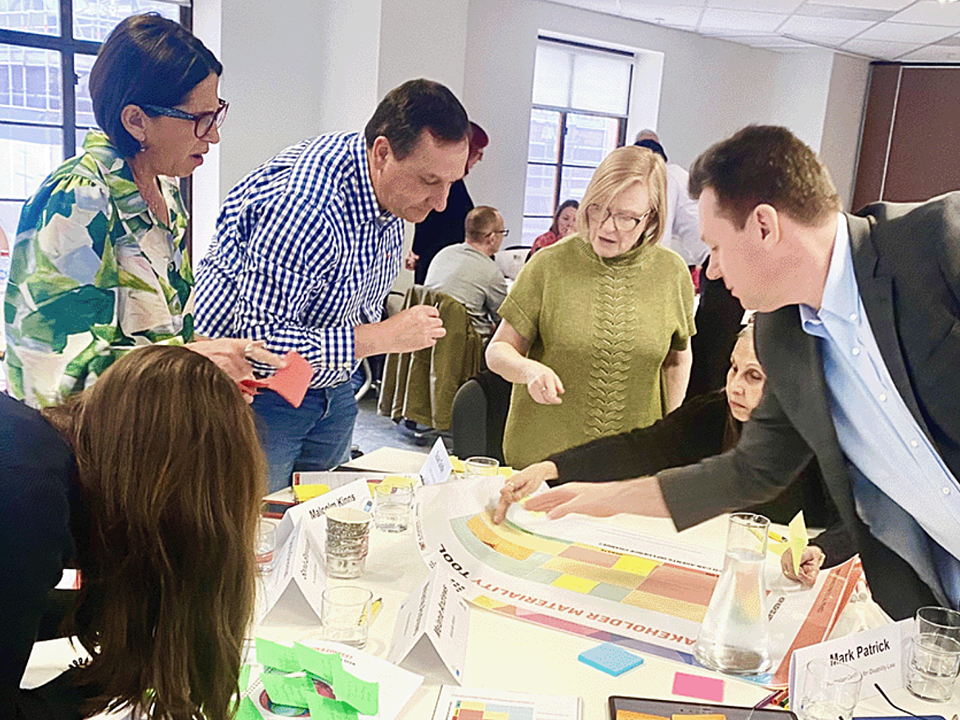
More than 200 fully funded Centre for Social Impact (CSI) scholarships will help equip for-purpose…

Posted on 30 Sep 2026
Personal stories are among the most powerful tools a charity can have to raise funds and awareness,…
Posted on 23 Sep 2026
A just-released major global survey of charities has found that demand for charity assistance has…
Posted on 23 Sep 2026
Fresh from welcoming delegates to last week’s Philanthropy Australia conference in Brisbane,…

Posted on 23 Sep 2026
A national strategy to develop Australia's regional cities is needed to break the housing…

Posted on 23 Sep 2026
Eight years after a report to Treasury first suggested the charities regulator should be more…

Posted on 17 Sep 2026
Australia’s biggest gathering of philanthropists, which drew more than 1200 delegates to Brisbane…
Posted on 16 Sep 2026
A new partnership between Paul Ramsay Foundation (PRF) and Atlassian Foundation aims to attract…