
Save Izzy: campaign calls on government to restore funding for vital services directory
Posted on 07 Oct 2026
A major public campaign launched this morning is calling on the federal government to restore…
Posted on 03 Dec 2025
By Nick Place, journalist, Community Directors
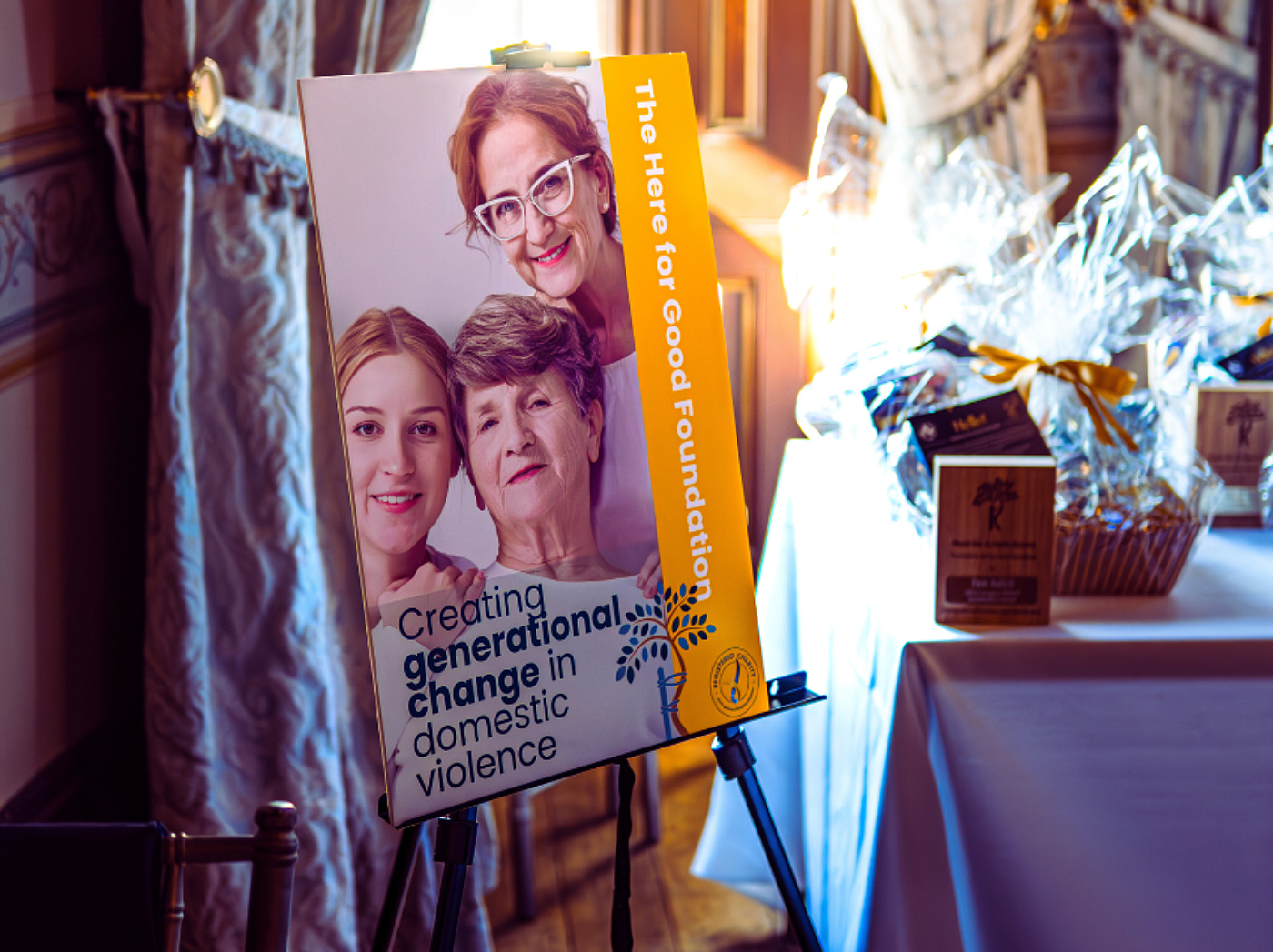
Tonight, in Adelaide, the people least likely ever to be accused of doing what they do for adulation will receive adulation. The Hunt for a Hero Awards salute those who have worked tirelessly and quietly to help victims of domestic violence.
“I contacted one of the winners and she rang back asking if I was pulling her leg,” said Alexander Conway, the deputy CEO of the Adelaide-based Here for Good Foundation, which runs the awards.
“The people who win these awards are very down to earth and doing what they do for the right reasons, which is why we want to acknowledge them,” he said. “I’ve been a frontline worker in the domestic violence space, and you do it because you’re passionate about it, but it’s exhausting, and just that acknowledgement from an outside party can go a long way to keeping you going and keep people doing the right thing for the right reasons.”
The Hunt for a Hero Awards started a year or so before the pandemic shut everything down, and they have since grown into a nationally recognised celebration of great work.
“The purpose of them is to acknowledge the people who are doing the work on the ground in domestic violence support [who] can sometimes be taken for granted,” Conway said. “It’s an acknowledgement to let them know that the work that they’re doing is making a difference, even if they might feel that it isn’t. It does.
“It is a crucial part of society, engaging with people to make sure that if somebody is experiencing domestic violence, that the worker supporting them is acknowledged for that work.”
Clinton Bennell, from First Nations Healing, will receive the Social Justice Award at tonight’s ceremony. A Noongar and Wiradjuri man, he is the strategy, policy and partnership lead for his organisation, moving First Nations Healing’s practice into a new family-inclusive direction, where all members of a family are involved in determining their path out of violence and into better long-term habits, instead of simply looking to remove women and children who in danger.
It can be complicated work, involving kinship structures and diverse relationships within First Nations households, so that mean a grandmother, aunty or cousin using violence, rather than the more common story of women and children needing to escape male partner violence. First Nations Healing had noticed that in 51 years of operation, the organisation was seeing second- or third-generation cases from the same families, as the cycle of violence continued.
Bennell’s work now looks at how to complement and not duplicate external services’ case plans, how to ensure members of families are safe, and how to create inclusive, wraparound family-centred support, working with families in their own environment.
“We let the families lead their healing pathway,” he explained, having worked for the past two years on this new strategy’s service model. “People need to understand that for long-term plans to be effective, we give everyone responsibility and everyone needs to feel valued.”
“[The awards are] an acknowledgement to let them know that the work that they’re doing is making a difference, even if they might feel that it isn’t. It does.”
Another of tonight’s awards recognises the work of Nansen Digital Forensic Service, where both directors were individually nominated for the Technology for Good Award. Another award salutes a worker who supports victims of domestic violence within migrant communities; the award acknowledges the intersectionality of culture, social pressures and domestic violence.
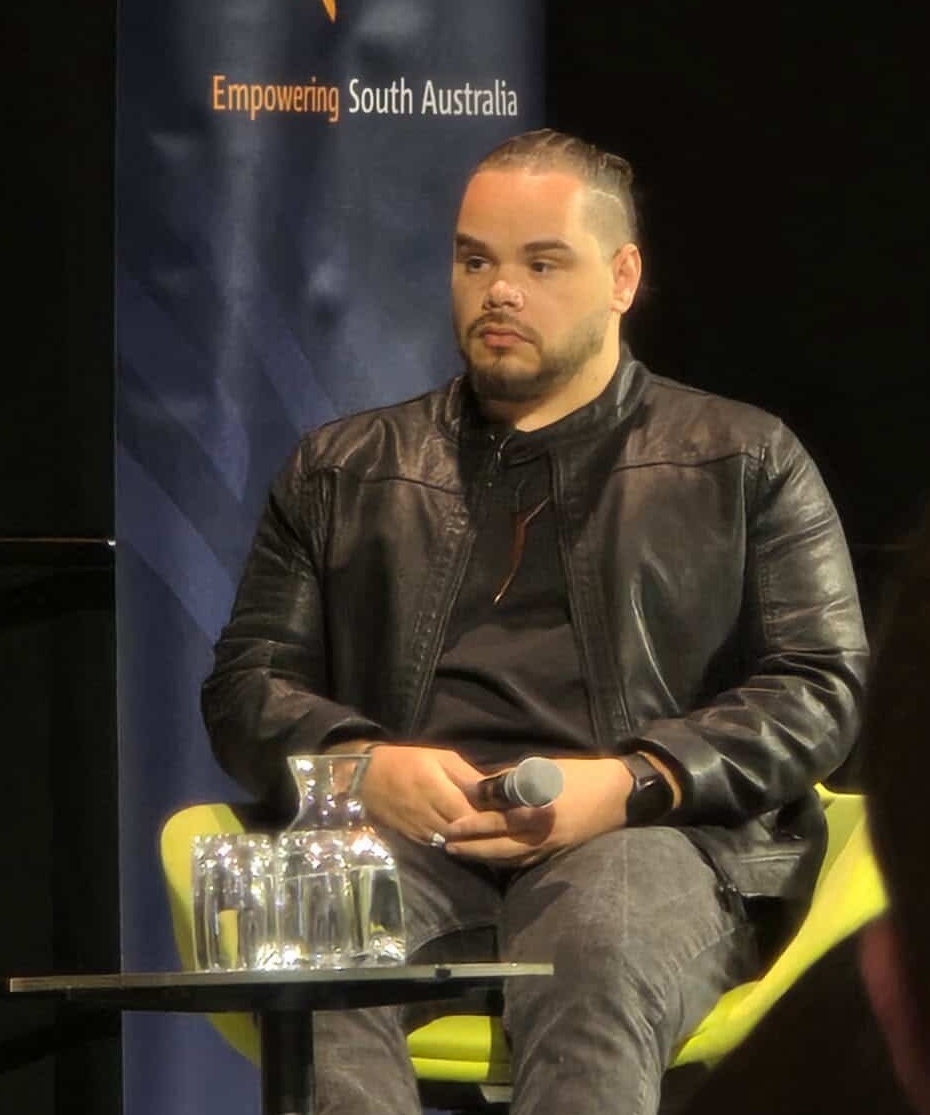
“Family and domestic violence doesn’t just happen to straight, white, middle-aged people,” Conway said. “It happens to old people, young people, people from the rainbow community and people from migrant backgrounds.
“In that migrant background, there are situations where perpetrators can use things like threats to have visas revoked, which is a whole other level of abuse that an Australian citizen doesn’t have to worry about.”
The awards have five categories: the Change-Maker Hero Award, the Bravery Award, the Social Justice Award, the Support and Caring Award and the Technology for Good Award. The winners will receive their engraved glass plaques tonight at Adelaide’s National Wine Centre.
Posted on 07 Oct 2026
A major public campaign launched this morning is calling on the federal government to restore…
Posted on 07 Oct 2026
The Australian Literacy & Numeracy Foundation (ALNF) has announced a partnership with mining…
Posted on 07 Oct 2026
A conference in Darwin will this morning hear detailed, strategic plans for how Australia could…

Posted on 30 Sep 2026
Not-for-profit leaders have been warned to be wary of approaches from potential “funding partners”…
Posted on 30 Sep 2026
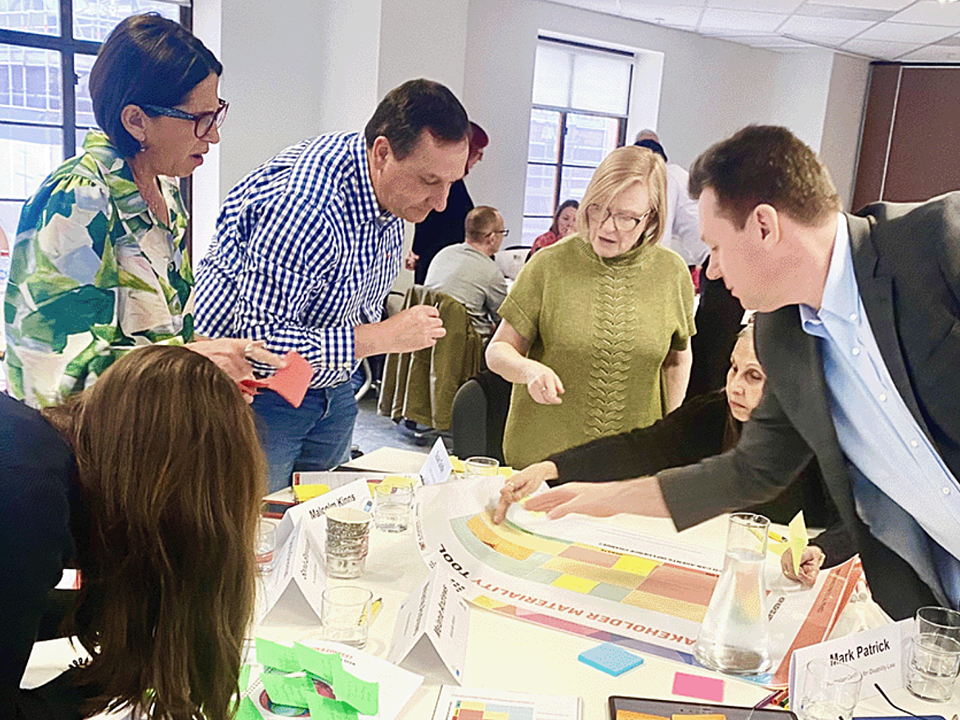
More than 200 fully funded Centre for Social Impact (CSI) scholarships will help equip for-purpose…

Posted on 30 Sep 2026
Personal stories are among the most powerful tools a charity can have to raise funds and awareness,…
Posted on 23 Sep 2026
A just-released major global survey of charities has found that demand for charity assistance has…
Posted on 23 Sep 2026
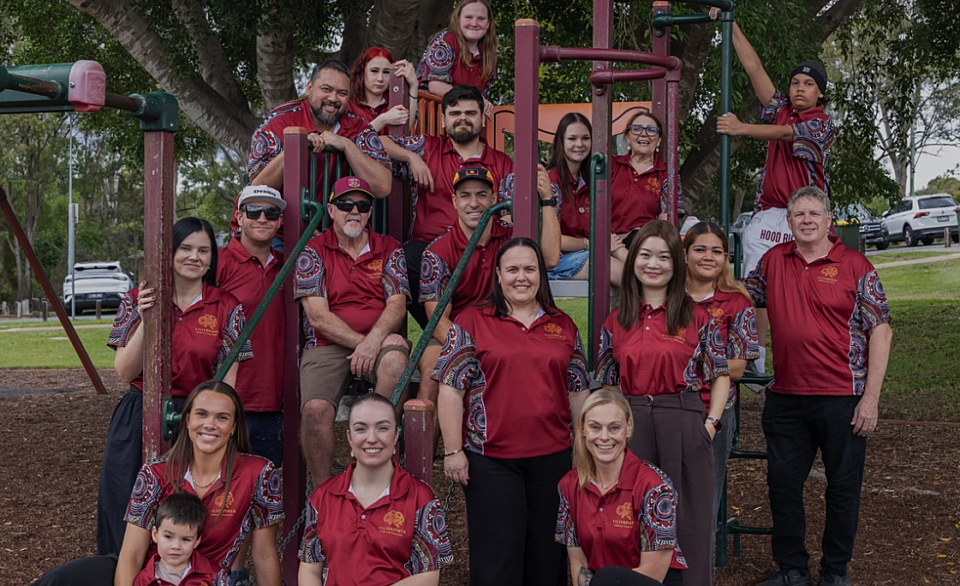
Fresh from welcoming delegates to last week’s Philanthropy Australia conference in Brisbane,…

Posted on 23 Sep 2026
A national strategy to develop Australia's regional cities is needed to break the housing…

Posted on 23 Sep 2026
Eight years after a report to Treasury first suggested the charities regulator should be more…
Posted on 17 Sep 2026
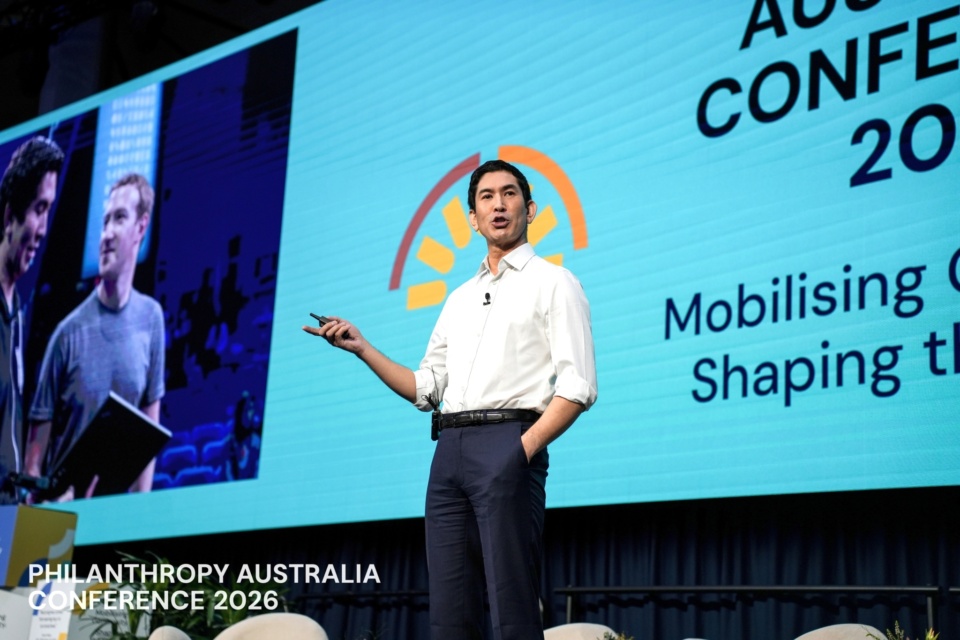
Australia’s biggest gathering of philanthropists, which drew more than 1200 delegates to Brisbane…
Posted on 16 Sep 2026
A new partnership between Paul Ramsay Foundation (PRF) and Atlassian Foundation aims to attract…