
Have your say on whether new rules should lift the veil on charity regulator investigations
Posted on 23 Sep 2026
Eight years after a report to Treasury first suggested the charities regulator should be more…
Posted on 04 Feb 2026
By Nick Place, journalist, Community Directors

An academic studying the phenomenon of “headline fatigue” – where news consumers tune out of digesting media because of all the negative stories bombarding them – has suggested charities and not-for-profits need to tailor their storytelling to achieve cut-through.
Dr Jennifer Pinkerton from Charles Darwin University said humanity and great imagery could be charities’ keys to having their messages heard.
Headline fatigue is a genuine reaction. In fact, a 2025 digital media survey by the University of Canberra found that 69 per cent of respondents said they now avoided the news, especially women and people in regional areas.
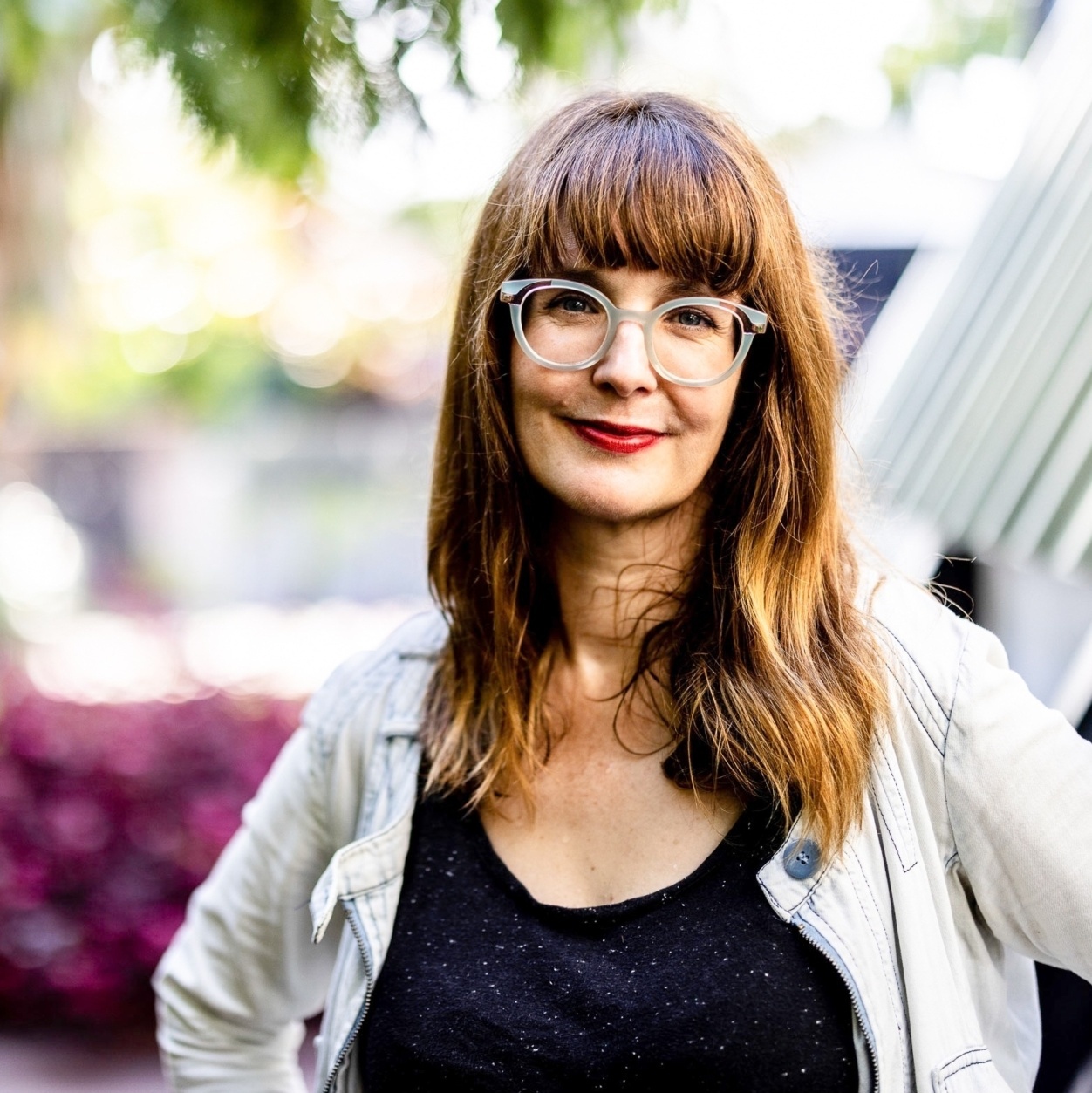
“News avoiders say they do so because news has a negative impact on their mood, can be untrustworthy, and simply wears them out,” Dr Pinkerton said. “I understand this and experienced this myself over the Christmas break in particular.”
There’s no doubt that the news media has become a tough watch, or difficult read. Attempting to keep up with what’s going on in your city, your town, Australia or the world seems to have become a test of how many horrible headlines you can digest in one sitting.
Dr Pinkerton has seen this dilemma from both sides. As a lecturer in media and journalism at Charles Darwin University, she studies headline fatigue from an academic perspective, but as an executive director of the Canberra Environment Centre, she tries to highlight environmental crises to the public.
“My particular passion is environmental news and what cuts through, and it’s just got huge ‘turn-away’, huge news avoidance – like, 30 per cent of people don’t tune into news about climate change, for example,” she told the Community Advocate.
For many charities, NFPs and NGOs, the whole point of their existence is an issue or situation that is undesirable. Homelessness, domestic violence, food insecurity – none of it is feel-good. So how do charities speak to potential donors without causing them to literally switch off?
“The research indicates that in order to cut through with these topics that people are turning away from, there are a couple of things that are really important,” Dr Pinkerton said. “The first is compelling visuals. The organisations that [the Community Advocate] is speaking to have often got, like, super limited budgets. But investing in good photography, great visuals for the story that you’re going to tell, it just gives you such a massive leg up because newsrooms are hungry for content every day. If it’s digital content, it’s got to look great online, and if you’re pitching a story, for example, if you can include two or three fabulous images, then it gets picked up, super quickly. I’ve had this response myself – I’m a photographer too – and when I include my pictures, there’s a really stark difference in the story getting picked up.”
Her second tip for charities was to find compelling and heart-warming case studies for audiences to connect to.
“If you can find a compelling case study with someone who's willing to be photographed, share a candid interview, and share their passion for what they do, and how and why, and what difference it makes to their life, that is awesome for cut-through,” she said.
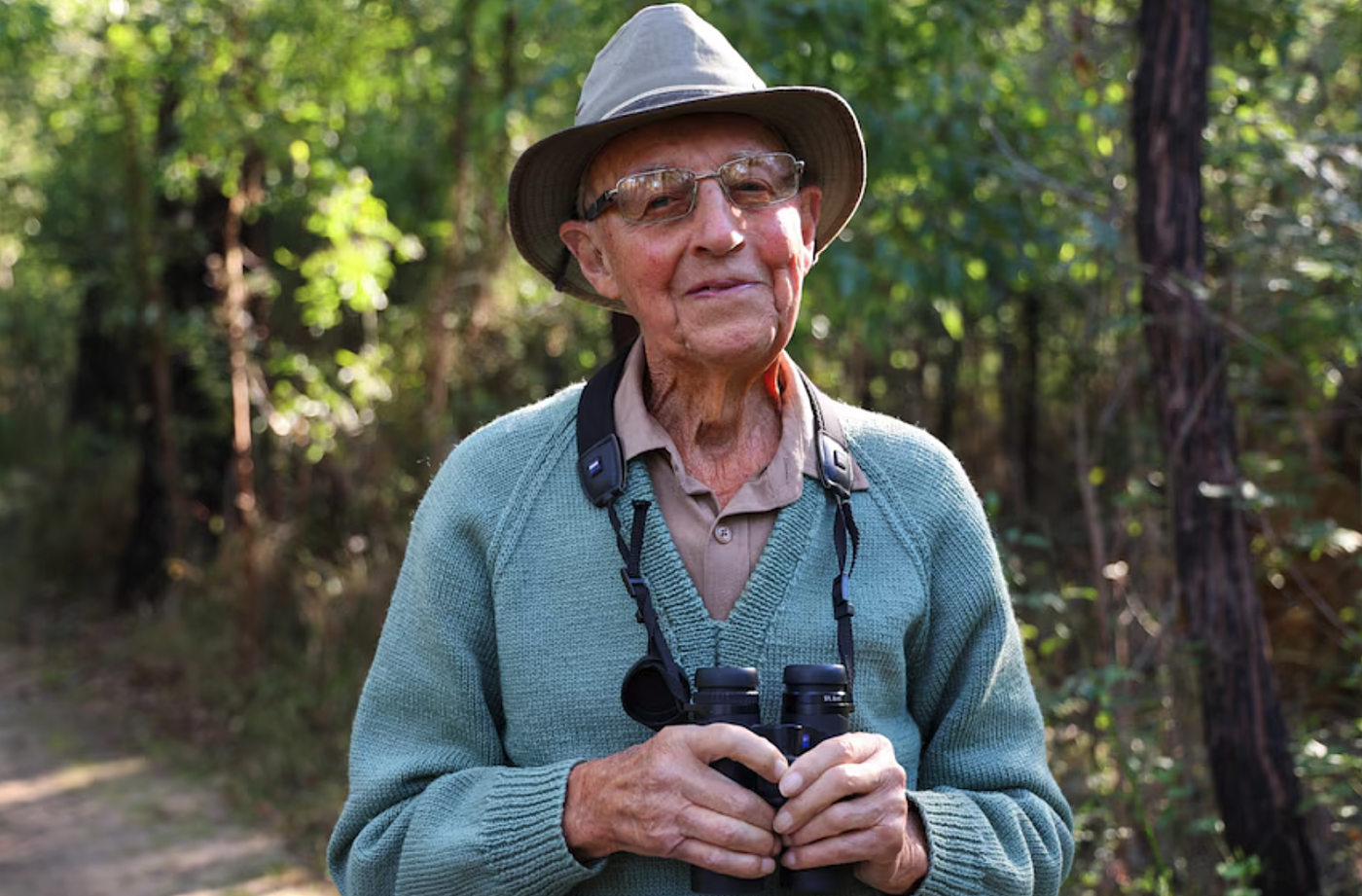
“I did a study that looked at which environmental stories were getting major clicks on three Australian news outlets: the Guardian, the ABC and News.com.au. The environmental stories that really broke through were personality profiles. There was this one on a 92-year-old dude called Bushy Bob, who’s a birdwatcher and collects all of this data on birds in his local area, and it was just such a beautiful story about a person, but then it might be linked to a nonprofit, as it was in this case, a bird conservation NGO, and then to a bigger picture about biodiversity decline in Australia and other things.”
“Investing in good photography, great visuals for the story that you’re going to tell, it just gives you such a massive leg up because newsrooms are hungry for content every day.”
A non-negotiable for any NFP hoping to make the mainstream media is to be tuned to local outlets, as well as news values and what attracts eyeballs.
“Pitching to local media, community radio is easier to get on for nonprofits, NGOs, community sector organisations,” Dr Pinkerton said. “Or if there's something that’s tied perhaps to a bigger news headline or a new report that’s come out that is timely, so ticks those news values boxes. Of course, news likes drama as well, which is not always positive, but sometimes there might be a big funding cut or something that’s quite a dramatic development for a given organisation. That means that it ticks those news values boxes.”
For those on the other side of this issue, suffering headline fatigue, Dr Pinkerton said there were ways to protect your emotional and mental health.
“I recommend sticking to high quality publications or news outlets as much as possible, diving into weekend papers, longer reads, or other publications and sites that offer deeper insight into issues, as opposed to blow-by-blow shorter stories or posts about unfolding events – which can be really addictive once you’re hooked into a given narrative, and trigger anxiety,” she said.
“Another idea is to have a ‘digital Sabbath’. For example, I try to stay off my phone and therefore don’t read or stream news on Sundays, and I take a longer news and digital Sabbath during times when the news is stressing me out, and I can afford to engage less intensely, such as when I’m on holidays.
“Stay tuned in to how the news is affecting your mood, health and sleep, and adjust as needed. I also recommend avoiding social media news content, as this can platform and prioritise stories or posts that generate lots of division, in the form of explosive comments – a tactic that keeps us scrolling.”
Dr Pinkerton said she couldn’t see the negativity and traumatic content that fills our screens receding any time soon. “It’s not just about the news ecosystem,” she said. “It’s what’s happening in the world on a much bigger scale. Without wanting to be too depressing, there’s a lot of full-on things going on, on a global scale, just in terms of conflict levels, misinformation, various systems that are in decline. The world in general is not really improving at the moment. There are beautiful things happening on local levels, and I think that’s a place for really great stories. But those big national and global headlines are pretty depressing.”
Her final tip for charities and NFPs hoping to speak to a willing audience is to consider podcasts, which continue to boom even as daily media struggles.
“News avoidance in general is huge and growing every year, but Australians love podcasts,” Dr Pinkerton said. “Putting on my Environment Centre hat, we got our volunteer board members and produced a podcast called Local Environmental Heroes that went gangbusters and let us explore environmental issues in depth with not too much investment, but really great uptake. So, there are other ways people are consuming news and media and issues in general that organisations can tap into.”
Posted on 23 Sep 2026
Eight years after a report to Treasury first suggested the charities regulator should be more…

Posted on 23 Sep 2026
A national strategy to develop Australia's regional cities is needed to break the housing…
Posted on 23 Sep 2026
Fresh from welcoming delegates to last week’s Philanthropy Australia conference in Brisbane,…
Posted on 23 Sep 2026
A just-released major global survey of charities has found that demand for charity assistance has…
Posted on 17 Sep 2026
Australia’s biggest gathering of philanthropists, which drew more than 1200 delegates to Brisbane…
Posted on 16 Sep 2026
In the face of challenging conditions in the giving sector, UNICEF Australia chief executive Tony…

Posted on 16 Sep 2026
Tourism is a large source of income for Kangaroo Island, 210 km south-west of Adelaide, but the…

Posted on 16 Sep 2026
While there is no shortage of studies examining not-for-profits from every angle, a new research…
Posted on 16 Sep 2026
A new partnership between Paul Ramsay Foundation (PRF) and Atlassian Foundation aims to attract…

Posted on 09 Sep 2026
Australian giving platform GoodCompany has used artificial intelligence to examine the financial…
Posted on 09 Sep 2026
Media attention about women's philanthropy has more than doubled in three years, according to new…
Posted on 09 Sep 2026
A global gathering of philanthropists in Brisbane this week is aiming to tackle society’s biggest…