
‘The mind boggles’: federal envoy blasts NT housing decision
Posted on 14 Oct 2026
The federal government’s special envoy for social housing and homelessness, Josh Burns MP, has…
Posted on 18 Mar 2026
By Nick Place, journalist, Community Directors
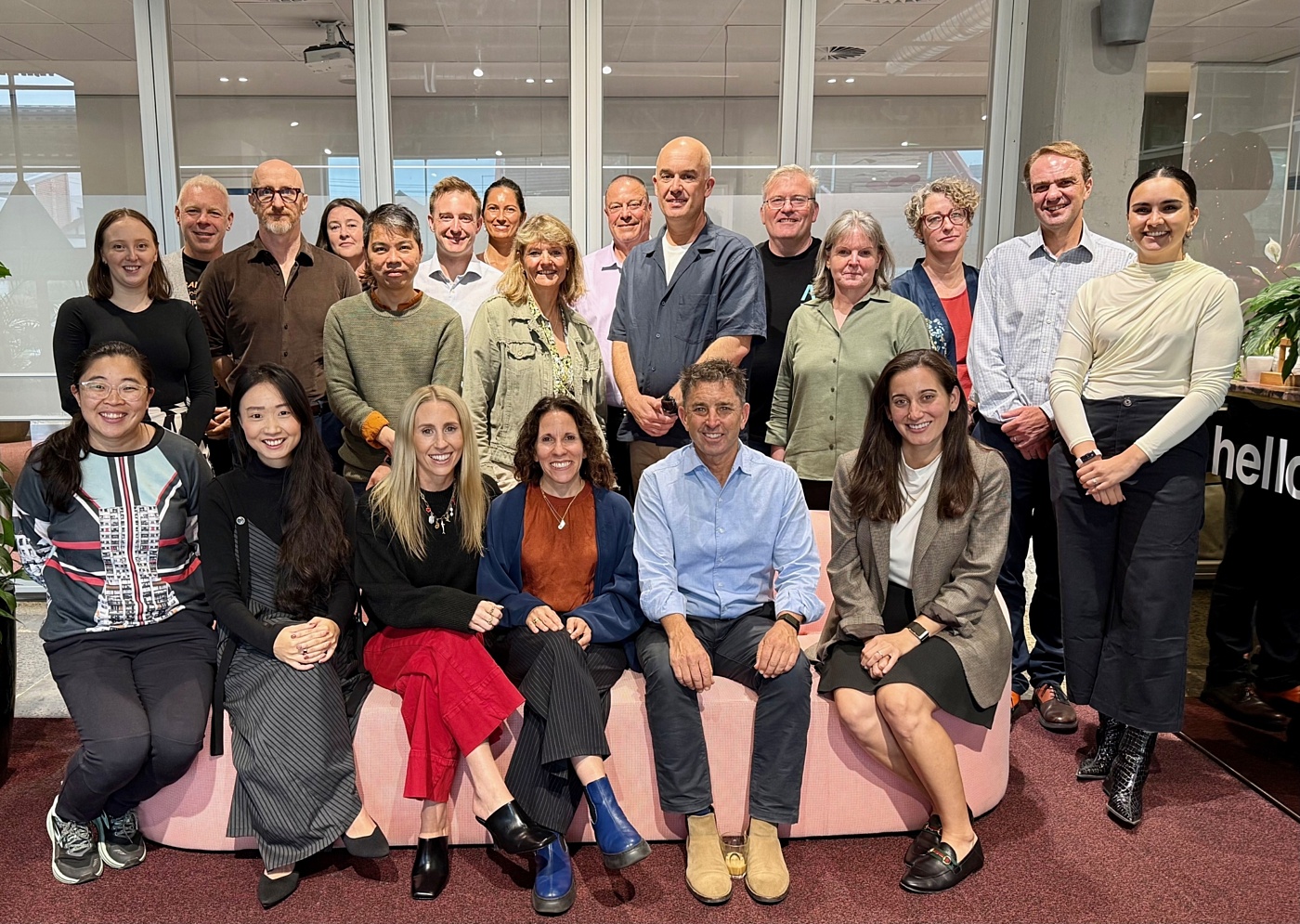
A roundtable of diverse sector leaders brought together by Community Directors this week to consider how the for-purpose sector can best harness artificial intelligence to build better communities returned repeatedly to the concepts of humanity and community.
The meeting brought together many different players and vendors in the sector, including insurance agents, banks, university leaders, consultants, regulators and industry bodies.
“We wanted to hear where AI is adding value, and where it is presenting dilemmas or risks for organisations and communities,” said Community Directors business development lead Maroushka Saldanha. “We were also keen to explore how our partner organisations balance clever and strategic use of AI without losing genuine connection to the communities they serve.”
The variety of viewpoints, demographics and comfort with using AI made for fascinating insights – such as the observation that while large language models (LLMs) can save small charities many hours in grant-writing and other functions, they can also be weaponised against charities that focus on minority groups, which leads to time wasted in dealing with hateful messages.
It was just one example of the complexity of AI adoption by the for-purpose sector.
The roundtable underlined that for-purpose and community organisations don’t need to reinvent the wheel to harness AI. In most cases, the tools already exist; it’s just a matter of identifying what AI tools might be the most effective for the job at hand.
Education is a major part of that equation, and one participant suggested that the sector needed to find ways to more widely and openly share examples of AI uses so that more employees and leaders could benefit.
Roundtable participants contemplated the speed of the development of LLMs and compared it to the risk-adverse slow rollout of regulations and laws by governments. Another consideration was the natural need of charities to stay true to their ethics and communities in the face of those seeking to hack, phish or otherwise target the same communities.
Saldanha said there were many powerful lessons in the discussion, including the fact that AI is already being used widely in the sector, whether or not organisations have approved it or planned for it. The real challenge wasn’t the technology, she said, but people and culture, and boards needed to move beyond caution and risk-aversion to govern AI effectively. She said AI was already saving many charities time on everyday work, but the cyber risks were evolving quickly.
“We had philanthropy in the room, and they were saying it’s okay to use these tools, you just need to think about how you’re using them.”
The roundtable agreed that AI itself is just a new platform for human behaviours – both good and bad.
“We already exist in a world where there are good and bad actors,” said one attendee, not named under Chatham House rule. “Charities facing hate attacks are already living in a climate where they are fighting harassment, so the change is the speed and size of AI threats.”
The need for the for-purpose sector to be driven by humans with very human values has not changed, attendees agreed, and the question is how to bring communities along for the AI ride and ensure its potential is realised by many, not a few.
One participant pointed out that we have a potentially short window where the tools of the major AI developers are available to most. Once developers need to make profits, this free-for-most access, along with education and case studies, could be sharply restricted.
The more enthusiastic supporters of AI at the table were adamant that the community sector’s underlying mission – to solve the world’s biggest problems – meant it should not be held back from using LLMs to help achieve those ends, even if guidelines and government red tape threatened to hamper those efforts.

“We’re not going to let people stop us from using these amazing tools,” one participant said, while also acknowledging that the sector needed to have answers to reasonable concerns about the new technology, including the climate impacts of data centres, biases, inaccuracies and ethical transgressions.
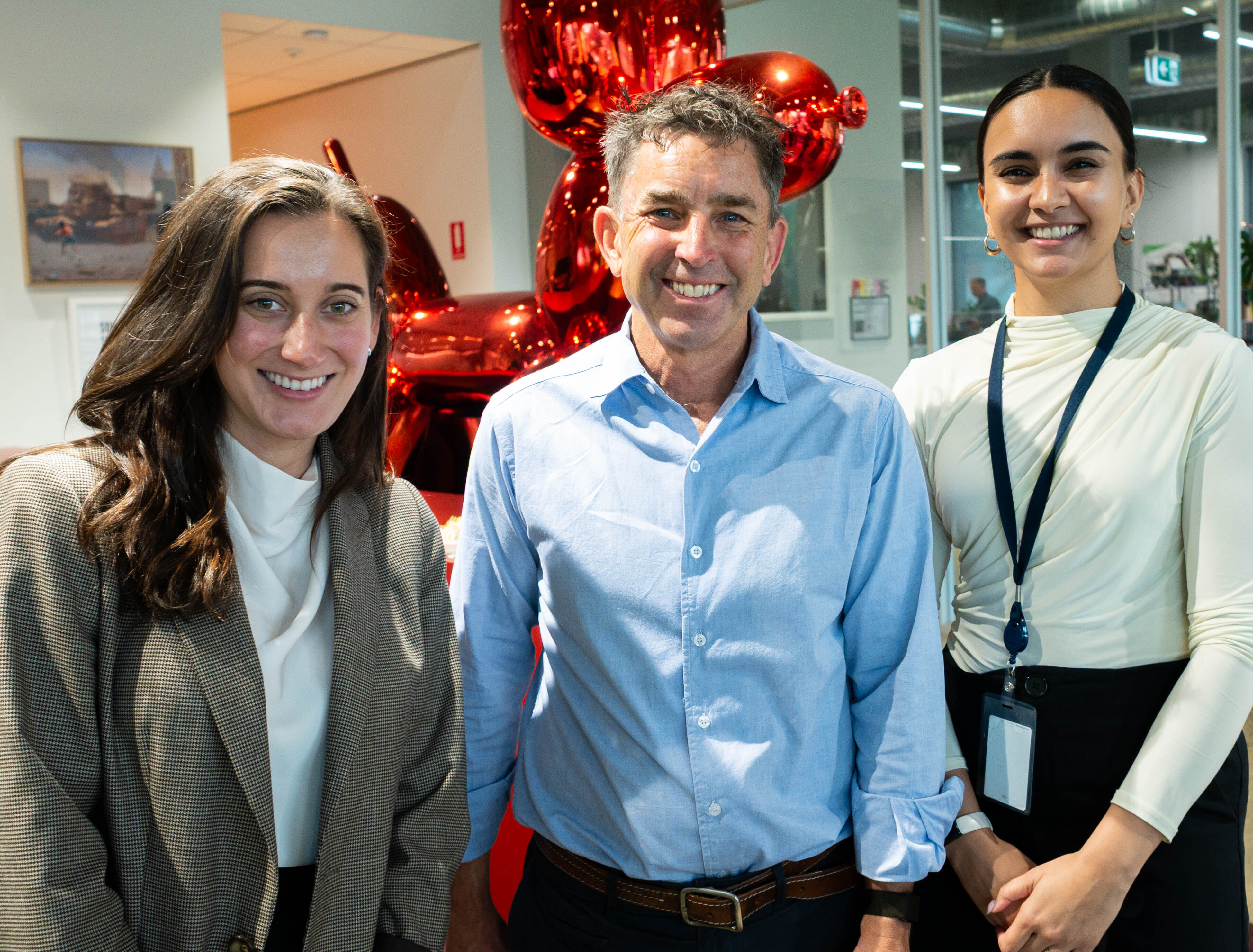
Infoxchange CEO David Spriggs, who attended the roundtable, said afterwards that it had been a fascinating discussion.
“It brought together people from right across the community sector, having a really wide-ranging discussion about some of the issues facing the sector and some of the opportunities,” he said.
“Some of the themes that came out were clearly around data sovereignty, particularly in First Nations communities. That’s a huge issue, and we need to think about how we address it and how we approach it in the context of AI and data use across the sector.
“Another theme was practical examples of how people are using these tools. That might be things like using AI to help with grant writing and making applications to funders. We had philanthropy in the room as well, and they were saying it’s okay to use these tools, you just need to think about how you’re using them. You still need to focus on your project concept and your idea, and AI can then help translate that into a really effective application.”
Speaking more generally, ahead of Infoxchange’s Technology for Social Justice conference in May, Spriggs said there had been a huge shift over the past year in the use of AI across the community sector. “The discussion today was very much around being brave,” he said. “People are actually using these tools day to day and talking about what they’re learning and some of the transformational impact that’s happening. I think that’s a huge shift in just 12 months – people talking about what they’re actually doing with the technology and what they’ve learned while using AI.”
But reflecting on the roundtable discussion, he added, “We also heard some really honest stories about people saying they’re still fearful and cautious. They’re not sure yet and they’re on a learning journey. Let’s be honest – everybody is still on a learning journey when it comes to AI.”
- with Matthew Schulz
Posted on 14 Oct 2026
The federal government’s special envoy for social housing and homelessness, Josh Burns MP, has…

Posted on 14 Oct 2026
The Reserve Bank’s move to ban card payment surcharges has led to complications for charities and…

Posted on 14 Oct 2026
A special guest with her finger on the pulse of one of the biggest issues facing Australia –…

Posted on 07 Oct 2026
A major public campaign launched this morning is calling on the federal government to restore…

Posted on 07 Oct 2026
The Australian Literacy & Numeracy Foundation (ALNF) has announced a partnership with mining…

Posted on 07 Oct 2026
A conference in Darwin will this morning hear detailed, strategic plans for how Australia could…

Posted on 30 Sep 2026
Not-for-profit leaders have been warned to be wary of approaches from potential “funding partners”…
Posted on 30 Sep 2026
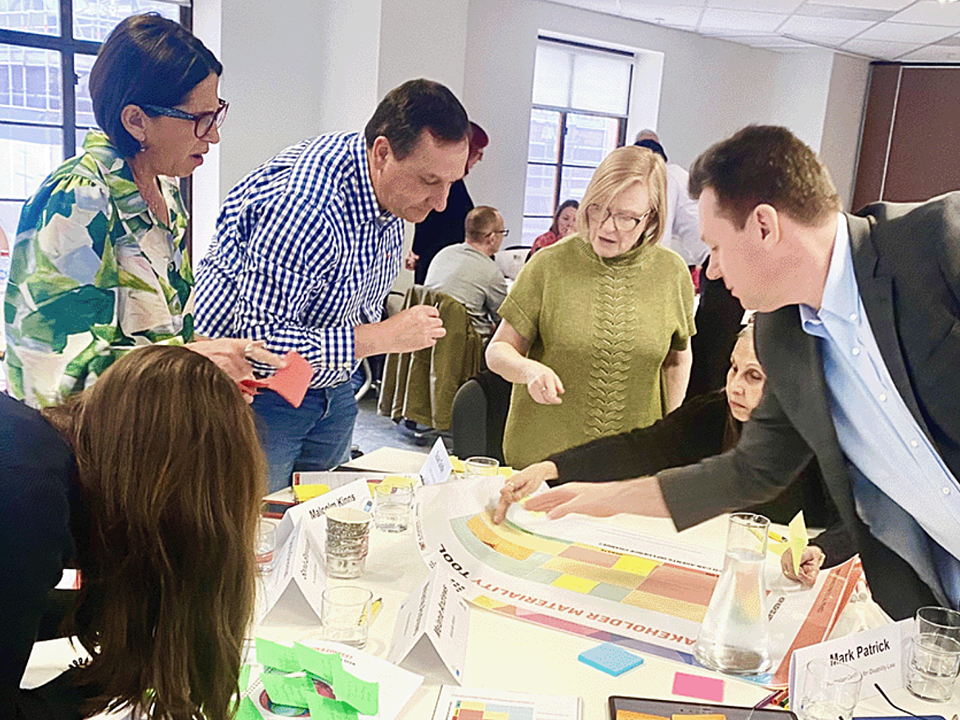
More than 200 fully funded Centre for Social Impact (CSI) scholarships will help equip for-purpose…

Posted on 30 Sep 2026
Personal stories are among the most powerful tools a charity can have to raise funds and awareness,…

Posted on 23 Sep 2026
A just-released major global survey of charities has found that demand for charity assistance has…

Posted on 23 Sep 2026
Fresh from welcoming delegates to last week’s Philanthropy Australia conference in Brisbane,…

Posted on 23 Sep 2026
A national strategy to develop Australia's regional cities is needed to break the housing…