
‘The mind boggles’: federal envoy blasts NT housing decision
Posted on 14 Oct 2026
The federal government’s special envoy for social housing and homelessness, Josh Burns MP, has…
Posted on 28 Oct 2025
By Matthew Schulz, journalist, Community Directors
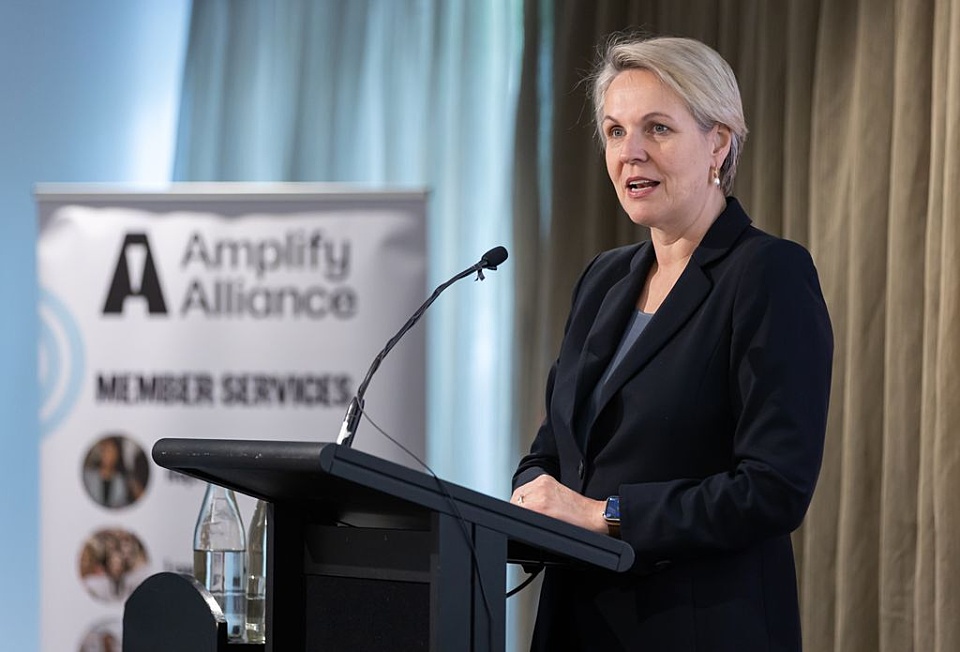
The federal government is trialling longer-term contracts for not-for-profits that deliver government services, in a move Social Services Minister Tanya Plibersek claims will slash red tape and cover the true cost of services.
Delivering a keynote address at last week’s Amplify Alliance national not-for-profit summit in Melbourne, Plibersek announced that the trial would revamp Family and Community Services portfolio services worth $430 million a year.
She said the project would also trial “relational contracting”, which would entail five-year contracts, more leeway to deliver services, reduced reporting and an increased focus on outcomes.
Plibersek said a new national program – with no cut in funding – would replace five existing child and family programs:
She told delegates there were currently 250 separate providers receiving grant funding under those five programs, and as many as a third of those providers were forced to seeking funding from – and report to – multiple sources. The yet-to-be-named new program – to begin in 2027 – would instead combine funding across three streams:
She said all programs would focus on two outcomes: helping parents and caregivers to raise “healthy and resilient kids” and helping children “develop into healthy adults”.
“Community organisations have told us loud and clear – too much red tape and admin is holding them back from doing what they do best: supporting kids, families and communities."
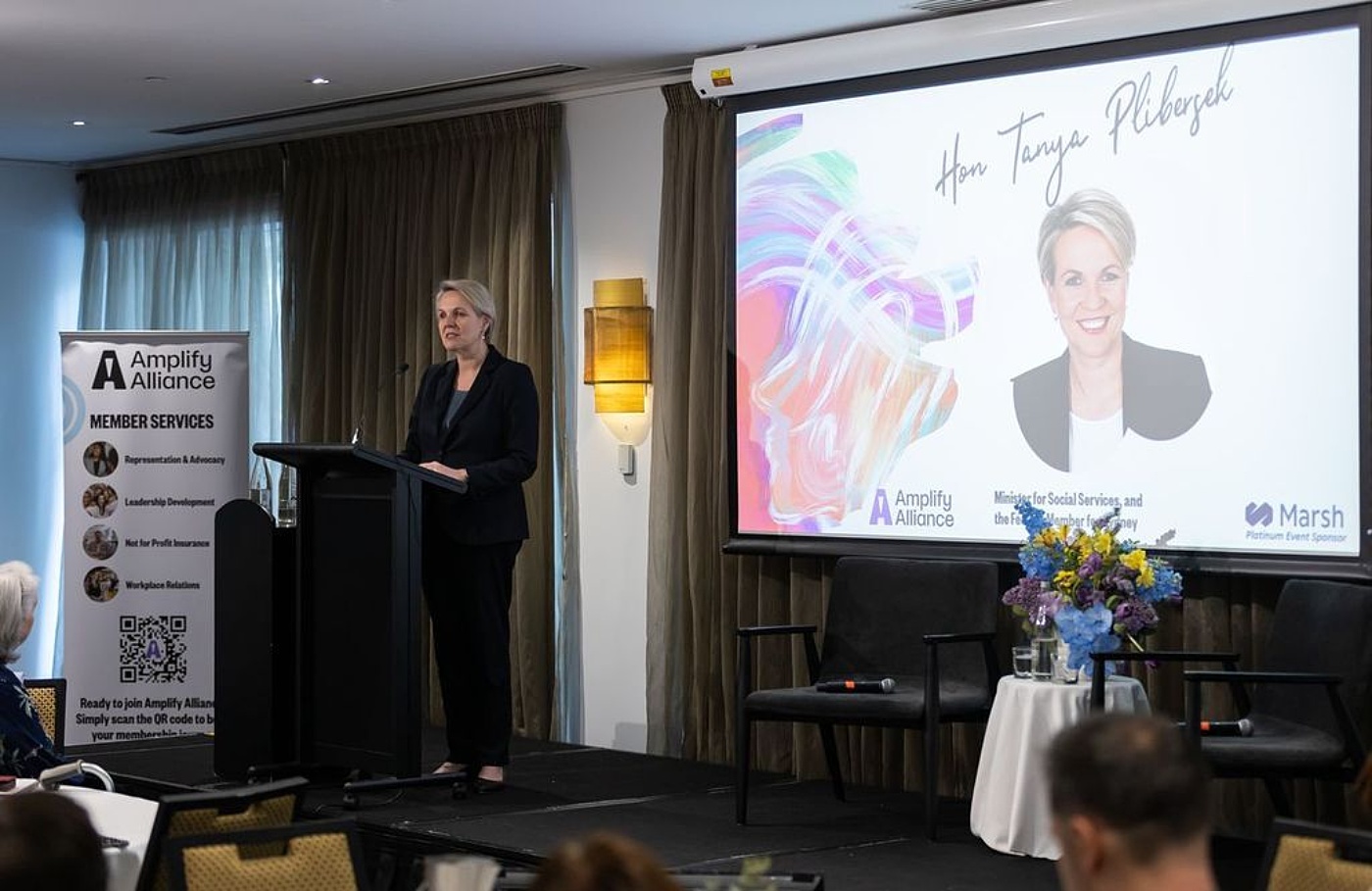
Plibersek said the changes were in response to “years” of sector advocacy and built on reforms to other grants, such as five-year grants rolled out for the government’s Financial Wellbeing and Capability program.
She said the government was also looking at streamlining reporting, “so you can spend less time on paperwork and more time delivering services” and providing longer-term contracts that would mean “less time chasing short-term contracts, and more time focused on supporting communities in meaningful ways”.
Instead of being purely transactional, relational contracting is a method of service provision based on strong relationships, allowing for greater trust, adaptability and shared goals – it is believed to be more appropriate for complex service provision. The model has been employed successfully in defenceand in Canadian public services.
The push for funding reforms was a top priority for the sector at the recent economic roundtable, for the experts behind the Not-for-profit Sector Development Blueprint, and in submissions to inquiries such as the Community Sector Grants Engagement Framework. The push is also behind the “Pay What It Takes” campaign.
“Community organisations have told us loud and clear – too much red tape and admin is holding them back from doing what they do best: supporting kids, families and communities,” Plibersek said.
The changes would include streamlining funding, improving communications and giving organisations “the tools and flexibility they need to support people and communities before problems escalate”, she said.
The minister said the government had kicked off a consultation plan and would contact existing providers about the reforms.
But she also encouraged other organisations to contribute to the consultation.
“Many of you have been involved in the Blueprint development, you have views on how government can work better with not-for-profit organisations.
“This is an opportunity to have your say about what relational contracting should look like, what longer term contracting should look like. How we balance the need for integrity in our systems with a bit of common sense and understanding of what is happening for your organisations on the ground.
“You’ve made the case clearly and consistently, and we’ve listened. Because we want to get this right.”
Current grants under affected programs would be extended to February 2027, she said.

Relational contracting expert Professor Mark Considine from Melbourne University – who also addressed the summit – told the Community Advocate that he welcomed the changes, describing existing contractual arrangements as “an old-school way of trying to procure a service”.
“For more than 20 years, we’ve been trying to fit this old Holden into a much more complex service world.”
By comparison, the relational method was “actually not that complex, is not as demanding as the current model, and is not as expensive to set up as the current model,” he said.
“It’s a much more effective model … but the point of it is to get better results, particularly for communities that are struggling.”
He suggested interested organisations should begin informing themselves about the new funding structure.
“They need to start training, they need to get busy … in detailed conversation, in bringing in expertise. And there’s a bit of work to do in terms of figuring out what they would want to contribute to a more trust-based model … to make it clear to government that they're up for that.
“We ought to be in a world where innovation is what unifies the service and that everybody wants to get involved in, in pushing for better results.”
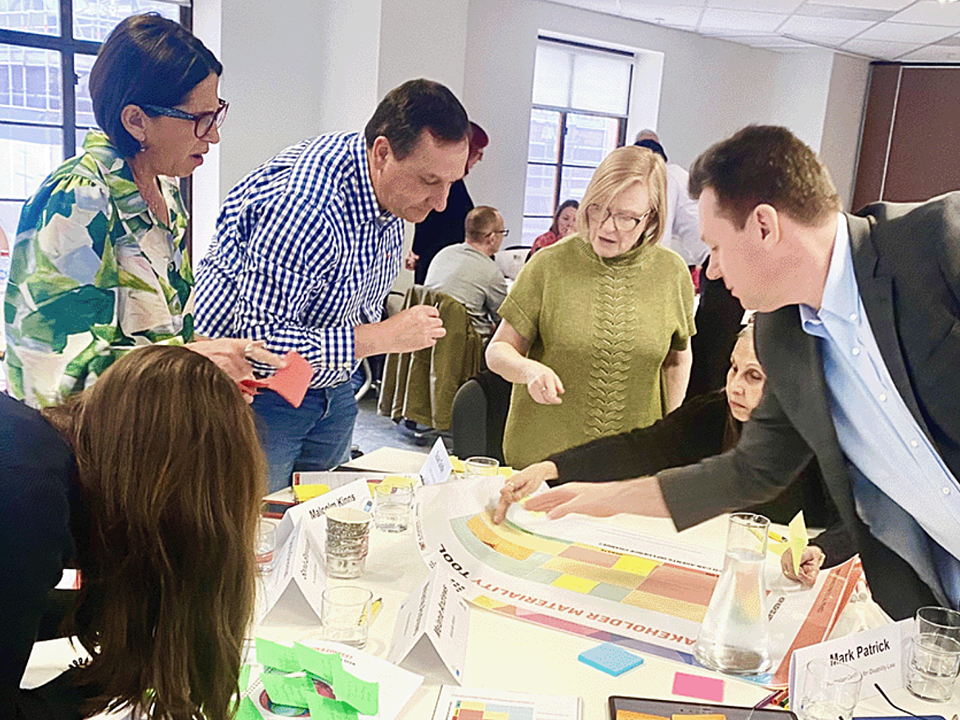
The Amplify Alliance event, Reclaiming Our Place: A National Summit for NFP Reform and Renewal, attracted about 100 NFP service providers and leaders from across the country, and featured in-depth discussions, panels and workshops covering contracting, the Not-for-profit Sector Development Blueprint, competitive funding and sector innovation.
The Amplify Alliance, previously Jobs Australia, rebadged a year ago as it built its credentials as an advocate and support organisation for NFPs delivering human services.
Amplify Alliance chair Carmel Crouch told the summit that the rebrand “recognises the growing breadth, diversity, and inclusion of our members, who are the backbone of Australia’s not-for-profit sector”.
“It also affirms our expanded role as a trusted authority and partner to government and the sector in social and human services, policy and impact across key areas such as jobs, housing, learning, health, social justice and community connection.”
Posted on 14 Oct 2026
The federal government’s special envoy for social housing and homelessness, Josh Burns MP, has…

Posted on 14 Oct 2026
The Reserve Bank’s move to ban card payment surcharges has led to complications for charities and…

Posted on 14 Oct 2026
A special guest with her finger on the pulse of one of the biggest issues facing Australia –…

Posted on 07 Oct 2026
A major public campaign launched this morning is calling on the federal government to restore…

Posted on 07 Oct 2026
The Australian Literacy & Numeracy Foundation (ALNF) has announced a partnership with mining…

Posted on 07 Oct 2026
A conference in Darwin will this morning hear detailed, strategic plans for how Australia could…

Posted on 30 Sep 2026
Not-for-profit leaders have been warned to be wary of approaches from potential “funding partners”…
Posted on 30 Sep 2026
More than 200 fully funded Centre for Social Impact (CSI) scholarships will help equip for-purpose…

Posted on 30 Sep 2026
Personal stories are among the most powerful tools a charity can have to raise funds and awareness,…

Posted on 23 Sep 2026
A just-released major global survey of charities has found that demand for charity assistance has…
Posted on 23 Sep 2026
Fresh from welcoming delegates to last week’s Philanthropy Australia conference in Brisbane,…

Posted on 23 Sep 2026
A national strategy to develop Australia's regional cities is needed to break the housing…