
How can your board balance digital inclusion with cyber security?
Posted on 15 Oct 2026
A few years ago, I sat on a small community board that was still held together by email threads and…
Posted on 19 Nov 2026
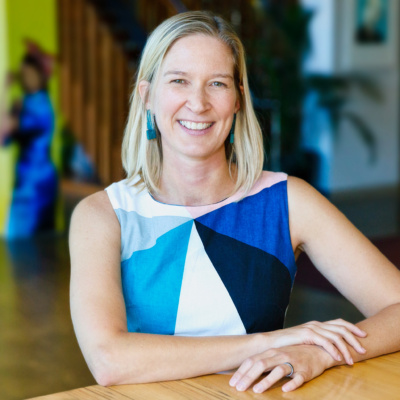
By 'Governance Guru' Nina Laitala, training lead, Community Directors

One of the biggest challenges for many boards is succession planning. Where do we find potential board members? How do we get the right people? How do we plan for skill and experience gaps when we just need bums on seats to be compliant?
A key finding of Community Directors’ Not-for-profit Sector Roadmap 2030 is that we can't approach different areas of governance in isolation. Succession planning is no exception. It isn't only about who sits around the board table. It's about making sure the wider pool of volunteers and supporters reflects your community and the needs of your organisation, and that people are supported to move into and out of board roles as their circumstances and interests change.
For many people, the first barrier to joining a board is uncertainty about what the role involves and how much time it requires. Boards need to be clear about these expectations when recruiting, but they should also regularly review the demands they place on directors. Are we using our time well? Is the way we operate sustainable? If not, what will we change?
Providing training in conducting effective meetings, board strategy, financial literacy and governance basics can make a real difference to how long meetings take. It's also a chance to invite potential or interested volunteers. The more people who understand governance in your organisation, the stronger the pool you have to hand over to. Community Directors offers training for community members on what governance means in a community not-for-profit or charity.

Board observerships (where someone attends meetings or shadows a director), working groups and subcommittees all help to demystify what board service involves, and let people engage with governance at a level they're comfortable with.
I once sat on a board that had no members with a formal financial background, so we asked a local accountant to join the finance and risk subcommittee. We had clear terms of reference, and the treasurer made sure the accountant’s reports to the board were properly explained. The board gained professional expertise, and the volunteer contributed in a way that suited his time and energy. Community volunteers can be recruited for short- or long-term working groups, events and subcommittees, and they often move into more formal governance roles when they feel valued and see they're making a difference.
Two cautions. Make sure your organisation has appropriate policies and terms of reference concerning volunteers, and provides training, so delegations of authority are clear and board decision making isn't compromised. And if you run an observership, plan it properly. Consider privacy and confidentiality and decide in advance whether the observer will be invited to share their perspective.
"A succession plan doesn't need to be complicated or perfect. It needs to be thoughtful and strategic."

Think about how you can move people along a pathway that gradually deepens their involvement in your organisation.
A succession plan doesn't need to be complicated or perfect. It needs to be thoughtful and strategic. Building a steady base of volunteers over a few years beats scrambling for new directors every time the AGM comes around.
Nina explains good succession planning in 90 seconds
For more on succession planning, watch the Community Directors webinar Finding the right people and read the help sheet 10 questions on succession.
Download the full Not-for-profit Sector Roadmap 2030
Find more resources under tools and resources on the Community Directors website.
Posted on 15 Oct 2026
A few years ago, I sat on a small community board that was still held together by email threads and…

Posted on 17 Sep 2026
Charities reported $14.8 billion in donations and bequests last financial year, the second-highest…

Posted on 13 Aug 2026
Innovation isn't just a buzzword, and it isn't just about technology. It’s a necessary part of…

Posted on 22 Jul 2026
I once worked with an organisation that had become expert at keeping the lights on. Every year it…

Posted on 10 Jun 2026
ICDA training lead Nina Laitala examines the governance issues facing Australian not-for-profits.

Posted on 18 May 2026
ICDA training lead Nina Laitala examines the governance issues facing Australian not-for-profits.

Posted on 12 Mar 2026
Fundraising is often parked in the operational corner. And yes, the execution of fundraising is an…

Posted on 10 Dec 2025
Stressed, overwhelmed, exhausted… if you’re on a not-for-profit board and these words sound…

Posted on 11 Nov 2025
I’ve seen what happens when fear of conflict wins out over taking a principled stand.

Posted on 15 Oct 2025
Writing grant applications is usually seen as an operational job, but that doesn’t mean the board…

Posted on 18 Sep 2025
Organisations using artificial intelligence to transcribe and summarise meetings must ensure they…

Posted on 14 Aug 2025
ICDA training lead Nina Laitala examines the governance issues facing Australian not-for-profits.