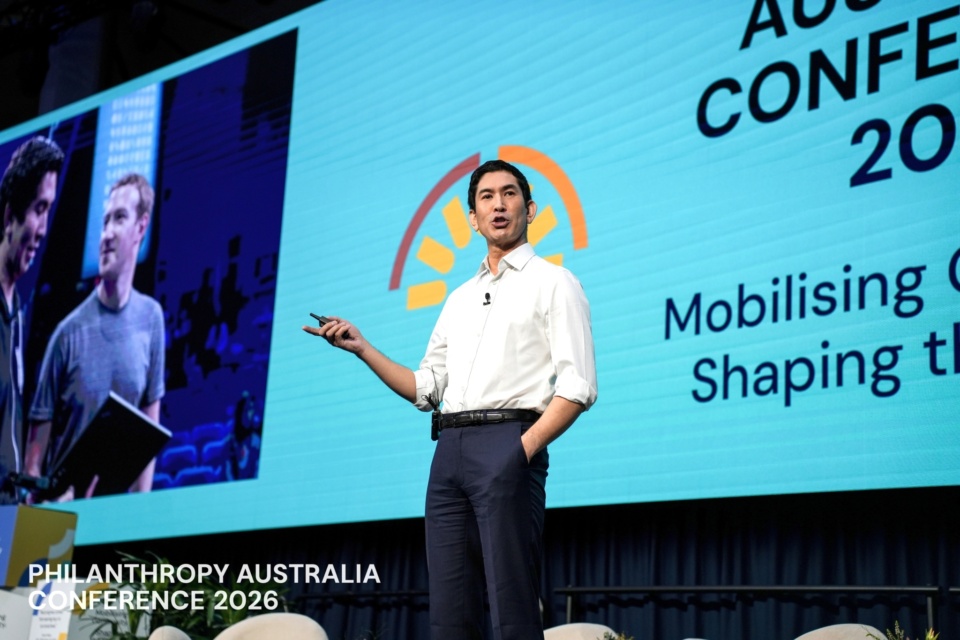
Philanthropists ask: Can we forge a better future?
Posted on 17 Sep 2026
Australia’s biggest gathering of philanthropists, which drew more than 1200 delegates to Brisbane…
Posted on 17 Sep 2026
By 'Governance Guru' Nina Laitala, training lead, Community Directors

Charities reported $14.8 billion in donations and bequests last financial year, the second-highest total on record. The money is out there. The question for your board is not whether to chase it, but whether you are set up to attract it.
Philanthropic funding does not behave like other income streams. The process of finding it rewards relationships over applications, patience over urgency, and alignment over need. That makes it a governance matter, not just a fundraising one. The board sets the strategy, the risk appetite, and the tone of relationships. Staff manage the day to day, but the board decides whether philanthropy is treated as a partnership worth investing in or a lucky windfall to hope for.
Before your organisation approaches a single funder, the board and executive should agree on what you are actually looking for. Not "who has money", but "who shares our values and long-term goals." A fundraising strategy built on alignment will hold up far better than one built on need.
This means asking hard questions early: where do we stand if a funder's priorities shift away from ours? What are we willing to compromise on, and what is non-negotiable? Skip this step and you risk finding out where you stand only after you are already dependent on the funding.

"Philanthropic funding is a long game, and a "No, not now" is often just that, rather than a door closing for good."
Philanthropic giving is rarely transactional, and it is almost never won cold. Most foundation funding in Australia is not publicly advertised; many funders will not accept unsolicited applications at all, and a trusted introduction is often the only way in. That puts a board squarely in the picture, since introductions are exactly what directors are positioned to make.
This matters even more for small organisations.
The data on charitable giving in Australia shows a real skew: extra-large charities (those with annual revenue of $100 million or more) make up less than one per cent of charities but receive 21 per cent of all donations and bequests (by value). Yet small and extra-small charities (those with annual revenue of $500,000 or less), which between them make up 60 per cent of charity numbers, share less than nine per cent of sector-wide revenue from donations and bequests. (All these figures are from the Australian Charities Report, 12th edition.)
If you are running a small, all-volunteer organisation, you are not competing for philanthropic attention on the basis of your size. You are competing on relationship and trust, which is precisely where your board's networks carry the most weight.
In a small organisation, this might simply mean directors using their own contacts to open a door, then stepping back and letting the case for support do the talking. In a larger organisation with a dedicated fundraising or philanthropy team, the board's role shifts towards lending credibility: a director joining a meeting or being the recognisable face of governance when a funder wants reassurance that the organisation is well run. Either way, the introduction or the credibility is something staff usually cannot provide on their own.

Treat an initial meeting with a potential philanthropic partner as a conversation, not a pitch. Do your homework beforehand: who are they, what do they care about, and where might your goals and theirs genuinely overlap? Be ready with a clear, compelling case for support, but be equally ready to hear that the timing is not right, or that there is no obvious fit at all. Relationships with funders cannot be forced. They can only be developed, and that takes time your board needs to be willing to give.
This is where boards need to hold their nerve. Philanthropic funding is a long game, and a "No, not now" is often just that, rather than a door closing for good.
Winning the funding is not the end of the board's involvement. It is easy to think of governance oversight as beginning and ending with strategy and risk, but an ongoing philanthropic relationship needs active stewardship too. There is a broader shift towards this kind of trust-based approach happening in philanthropy, with funders increasingly favouring fewer reporting hurdles, multi-year core funding and genuinely stronger relationships with the organisations they support. Boards that prove themselves to be engaged, reliable partners are well placed to benefit from that shift.
For small organisations, that might be as simple as the chair sending a personal note of thanks or attending an event as the funder's guest. For larger organisations, it might mean a formal arrangement where a director accompanies the CEO to annual progress meetings or is briefed specifically so they can speak knowledgeably with the funder at events. Either way, funders who feel genuinely valued as stakeholders, not just donors, tend to stay.
The board should also make sure that funding targets and relationship health are evident in regular reporting, not just financial totals. A funder relationship that is quietly cooling is a risk worth knowing about before the next annual report, not after.
Philanthropy is not a bucket of money waiting to be found. It is a set of relationships that need the same strategic thinking, patience and stewardship as any other part of governance. When a board treats philanthropic funders as long-term partners rather than transactions, it is not doing fundraising's job. It is doing its own.
Posted on 17 Sep 2026
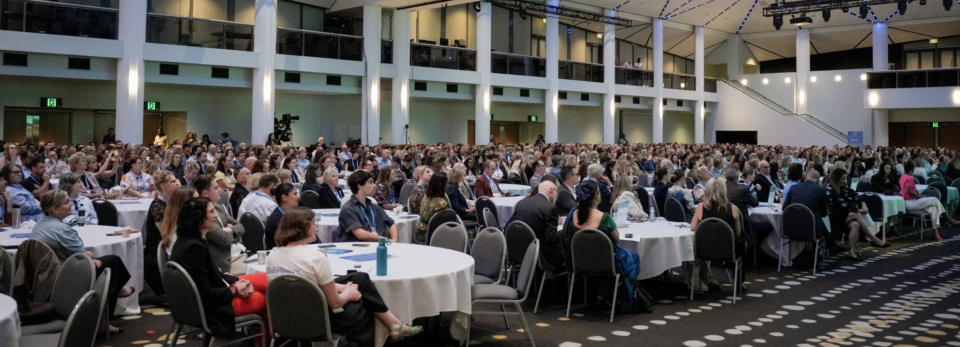
Australia’s biggest gathering of philanthropists, which drew more than 1200 delegates to Brisbane…
Posted on 17 Sep 2026
Experts in Australian philanthropy say there are stark differences between philanthropic money and…

Posted on 17 Sep 2026
One of Australia’s foremost fundraising observers says Australian not-for-profits must get the…
Posted on 17 Sep 2026
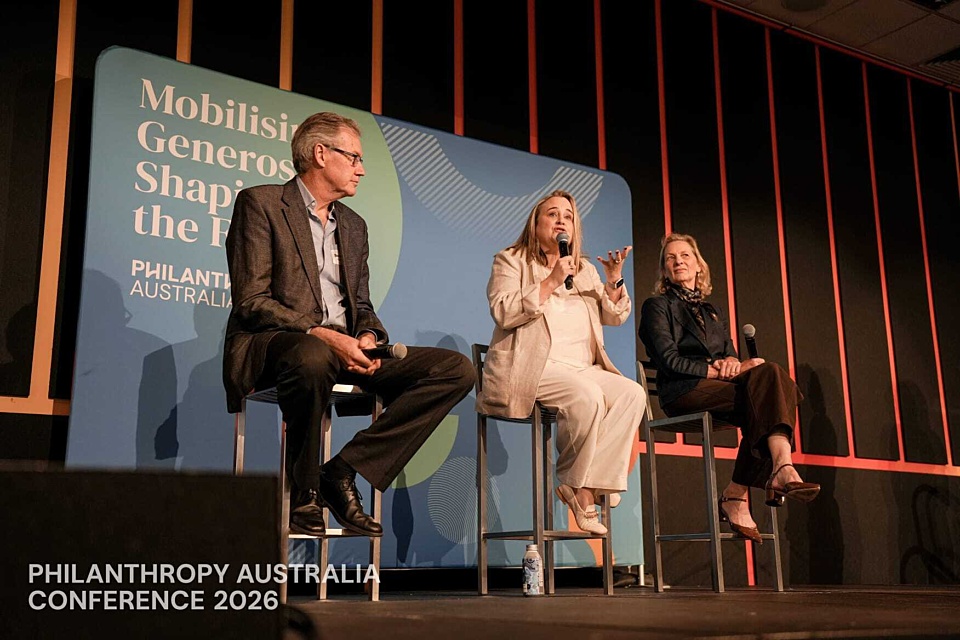
As direct giving dries up, charities face growing dependence on big donors and negotiating the…

Posted on 17 Sep 2026
My father often googles my name, and as a result, years ago, I received a surprising gift in the…
Posted on 17 Sep 2026
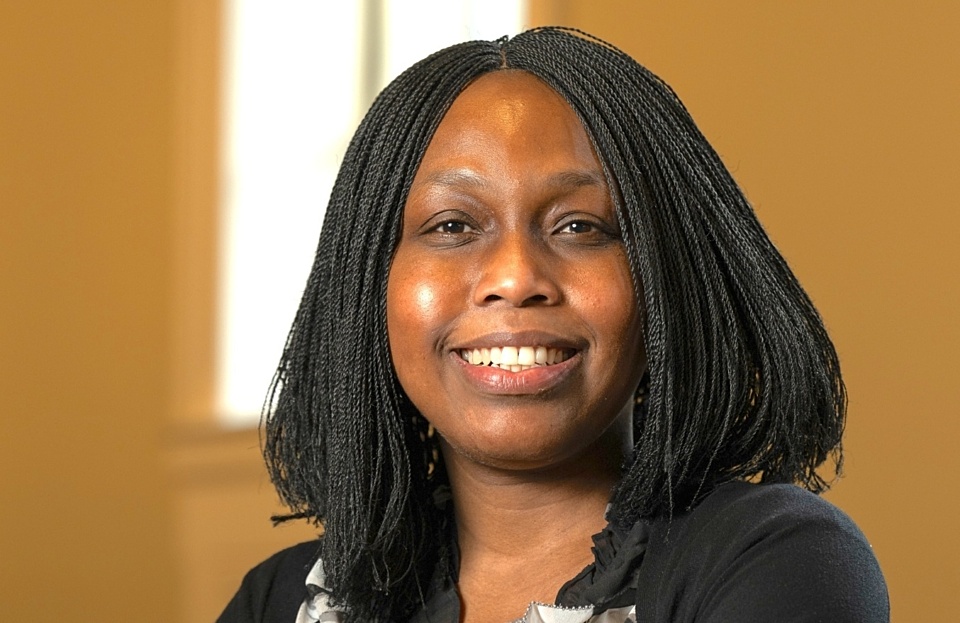
Where Evelyn Mugisha grew up in rural Uganda, the subjects and careers considered suitable for…
Posted on 09 Sep 2026
A global gathering of philanthropists in Brisbane this week is aiming to tackle society’s biggest…
Posted on 09 Sep 2026
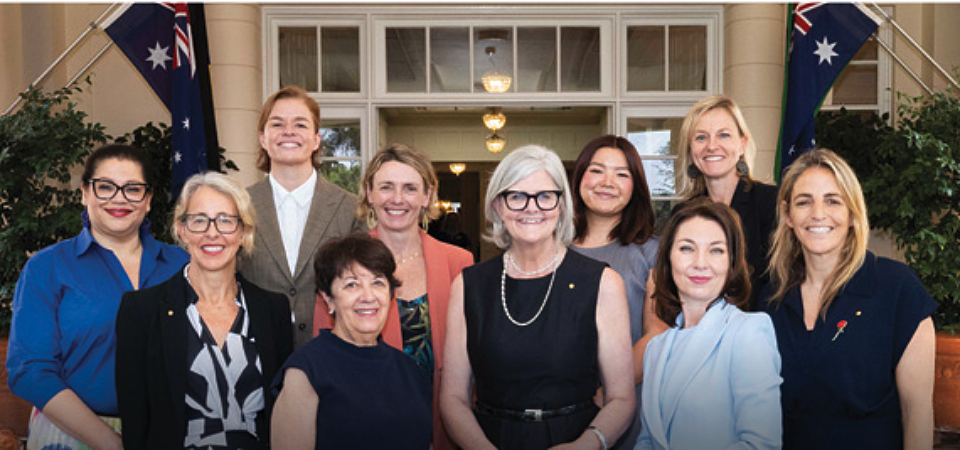
Media attention about women's philanthropy has more than doubled in three years, according to new…
Posted on 26 Aug 2026
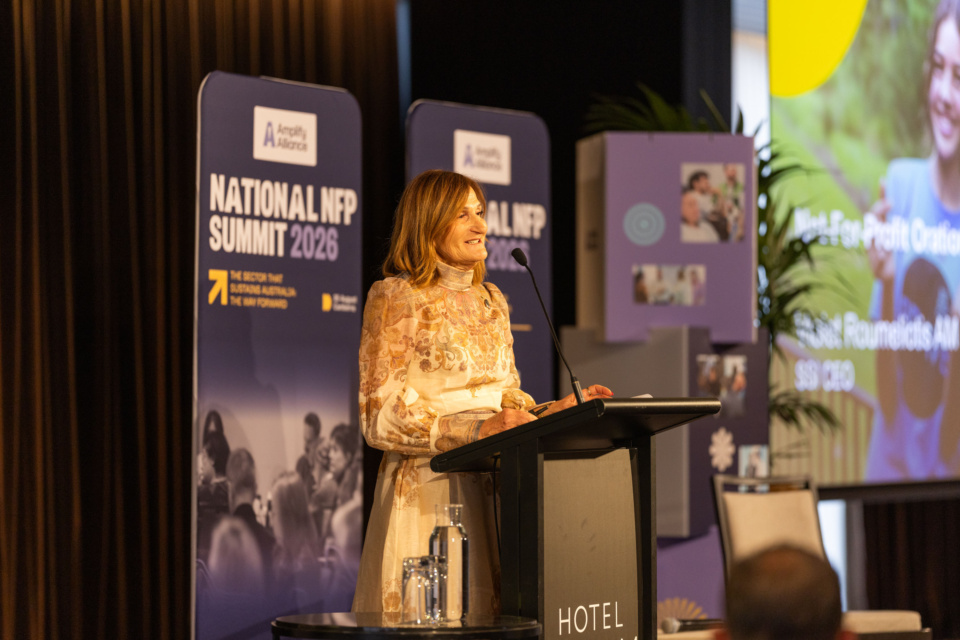
Sector leader Violet Roumeliotis has called on funders to stop treating not-for-profit…

Posted on 13 Aug 2026
As a teenager, I attended summer camp for seven years, first spending two weeks at a time camping…

Posted on 13 Aug 2026
Not-for-profits are full of people with great ideas, but that doesn’t mean they are set up for…
Posted on 13 Aug 2026
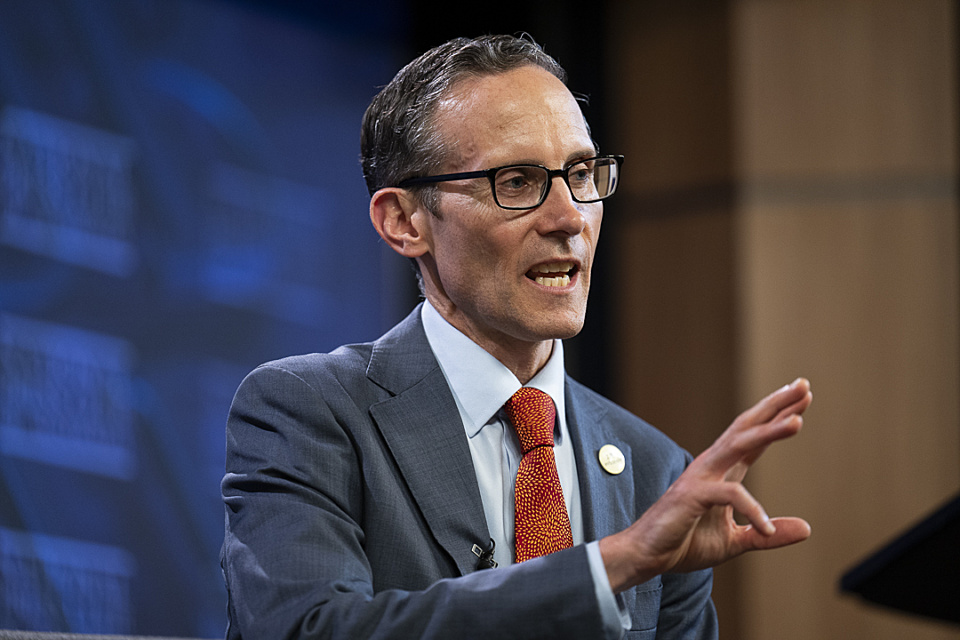
Charities Minister Andrew Leigh – a former professor of economics at the Australian National…