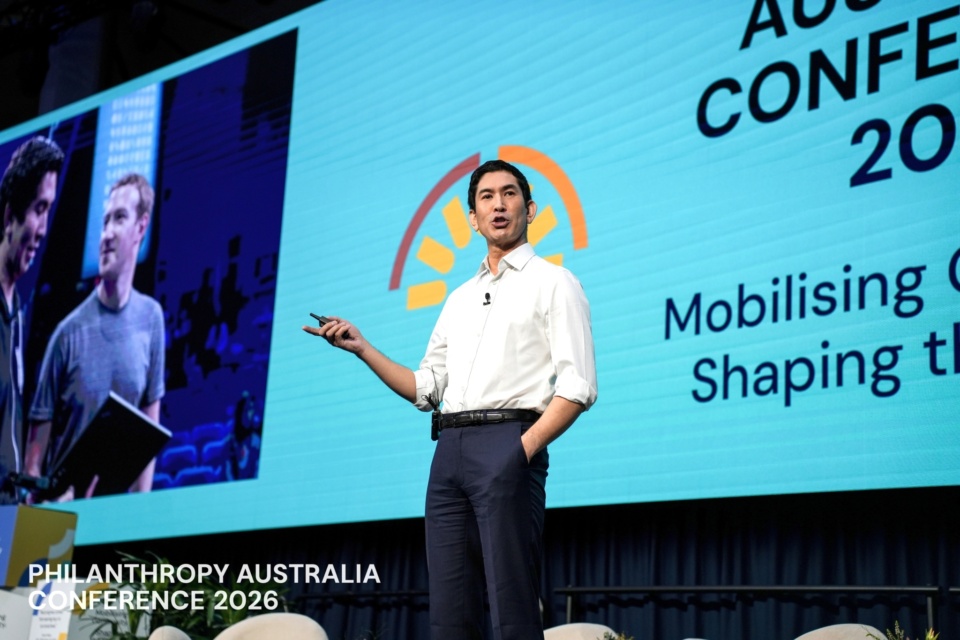
Philanthropists ask: Can we forge a better future?
Posted on 17 Sep 2026
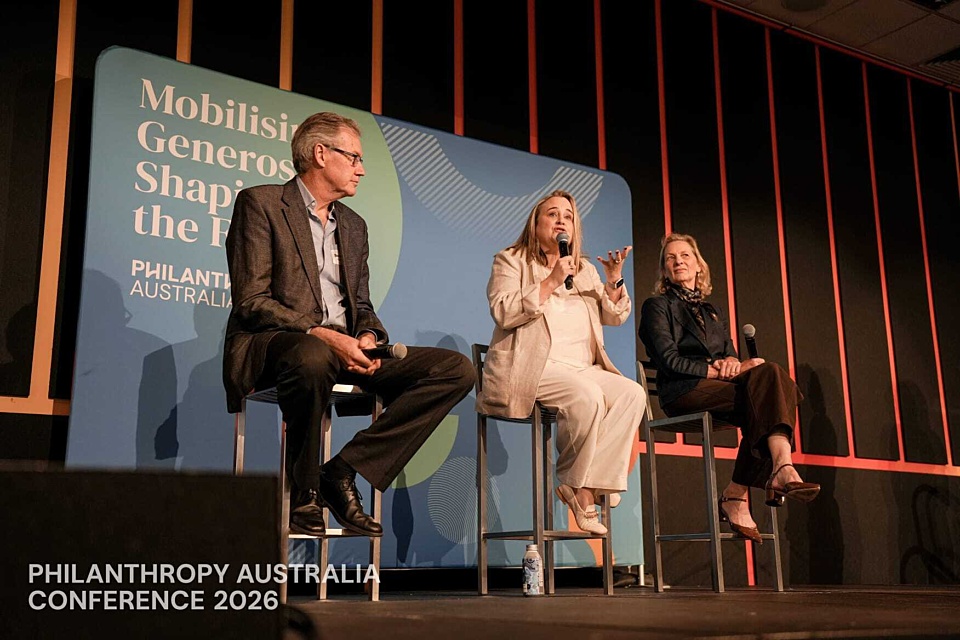
Australia’s biggest gathering of philanthropists, which drew more than 1200 delegates to Brisbane…
Posted on 17 Sep 2026
By Matthew Schulz, journalist, Community Directors
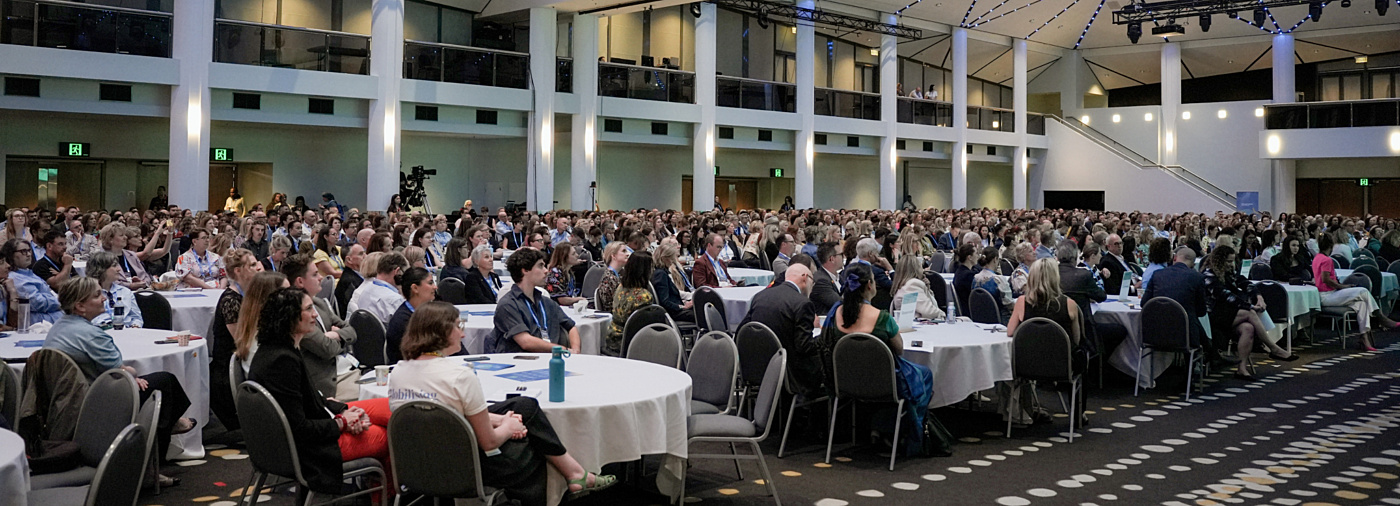
Experts in Australian philanthropy say there are stark differences between philanthropic money and government funding.
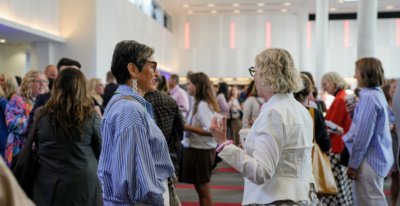
Sarah Davies, who is the Alannah & Madeline Foundation’s chief executive, is a veteran of the philanthropic field, having led Philanthropy Australia for five years and held a string of board and executive positions. She also chairs the charity regulator’s sector advisory group and was among the 1200 delegates at the recent Philanthropy Australia conference in Brisbane.
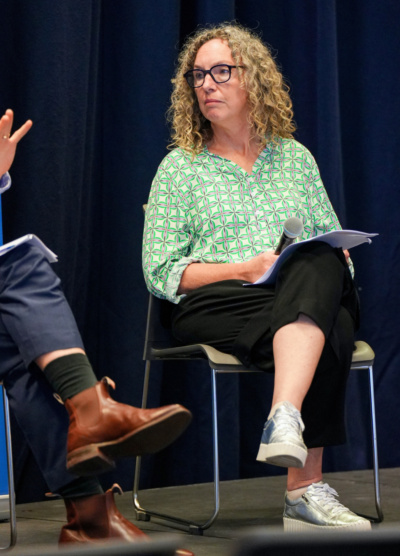
Asked about what organisations could do to build their connections and relationships with philanthropists, Davies said the answer was complicated.
“I don't think that question will ever have a simple answer. My experience is that philanthropy is fundamentally relational. It's about trust. People give money to people, but there's no quick way to turn on a tap of philanthropy for a charity.”
She said philanthropic efforts took time.
“It's about relationships, trust, really knowing who you are as an organisation, what your value proposition is, what problem you're trying to solve, and how you go about doing it. And then finding the right partners in the giving space, be they corporates, family foundations, testamentary trusts, high-net-wealth givers, or a mix.”
That said, organisations could adopt good practices to improve their chances, Davies said.
“Be really clear about the problem you're trying to solve, be really clear about your approach to solving it, be really transparent about your governance and your financials and what you're learning, and have a fit-for-purpose measurement and evaluation process.”
"Be really clear about the problem you're trying to solve."

She stressed that seeking philanthropic funds was quite unlike seeking government grants.
“It’s a huge difference. When you're seeking money, you have to think about the source, because every dollar in the charitable space has – I think of it as a little ‘sticky note’ on it that tells you where it came from, and therefore what you implicitly can and can't use it for.”
“Money from government comes from taxpayers, so there are things that money can and can't do, quite appropriately, because of its source. If it comes from taxpayers, government needs really robust processes. It needs to align with policy, with broad-based decision-making. It's not an individual decision; it's an institutional one, based on the best use of taxpayer money against the policy regime that has been set out.”
She said that philanthropy, in contrast, allowed greater risk-taking.
“Philanthropy is quite different. It's us as individuals choosing where we want our money to go, based on what matters to us. The process you have to go through varies from philanthropist to philanthropist, but that money is freely given. Once it's given, in a philanthropic structure or to a charity, it doesn't belong to the funder anymore – it's public money. It's a very different relationship with the money.
“That's why philanthropy is so important as social risk capital in our ‘change’ environment. It's the only dollar that walks through the door with a sticky note saying, ‘You can have some risk appetite for this, you can try some unproven things, and it's okay if you fail – just learn and share that learning, because a rising tide lifts all boats.’
“You don't get that sticky note on government money, and you don't really get it on corporate money either.”

Davies accepted there were good reasons for those different approaches.
“I think that from a government perspective, there are absolutely best-practice ways of developing policy and distributing resources, and they need really clear guidelines, processes, transparency and accountability.”
But she did not think there should be one approach to the way philanthropic funding was spent, and for good reason.
“It needs to reflect the philanthropist's risk appetite, their risk tolerance, their degree of confidence and comfort in making decisions, and what processes they want. I'd be really nervous if we tried to find a one-size-fits-all approach to philanthropic funds distribution.”
“If we want to encourage philanthropic giving, it has to reflect the values and motivations of the giver. Yes, there are good-practice models people can pick up and apply, but trying to mandate a single decision-making process for how philanthropic funds get distributed would be a retrograde step. I don't think that would be healthy.”
"Often small grants are the way to test a relationship and work out whether it works for both sides."
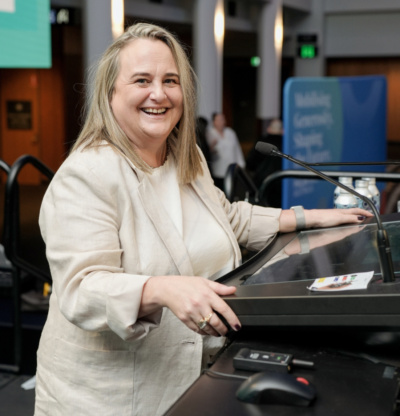
Philanthropy Australia chief executive Maree Sidey – speaking ahead of the Philanthropy Australia conference – agreed there were stark differences between government and philanthropic sector funding.
While government funding remained the largest funding pool for organisations, the process for seeking that funding was quite different; it could be "highly systematised" and, at times, "faceless", she said. In comparison, philanthropic funding relied more on relationships built over time, which could pay high dividends in the longer term.
"Sometimes it's actually quite hard for small and emerging charities to build a relationship with different parts of philanthropy. So my advice is: go for small grants first. Often small grants are the way to test a relationship and work out whether it works for both sides," Sidey said.
"The very large charities have been doing that for quite a long time and have well-established, long-held philanthropic relationships.”
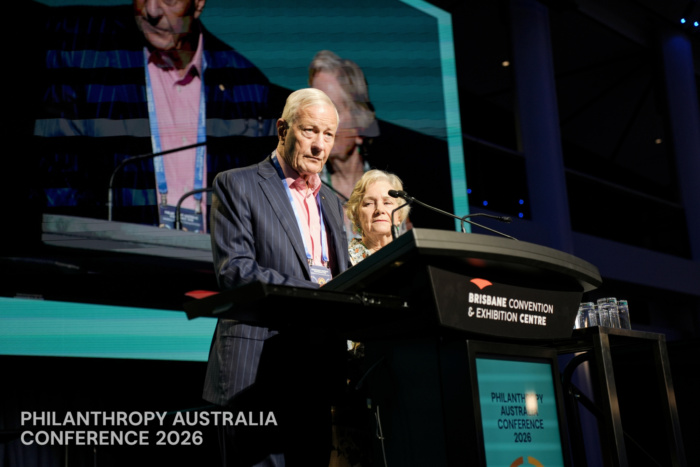
Sidey acknowledged that the trend for philanthropists to support fewer groups was a challenge for some groups, with fewer open grant rounds leading to less opportunity for new and emerging charities to get onto a funder's radar. On the other hand, successful organisations that made the cut tended to receive support for longer.
She said groups were often required to negotiate sometimes complex power dynamics involving wealthy benefactors, and it was vital to acknowledge that philanthropic funding was a “transaction around dollars”. "We don't often name power – we don't often talk about the power imbalance when money's involved."
"When the trust builds, we're more likely to see multi-year grants and longer-term relationships," Sidey said. "In fact, philanthropy is very much moving towards supporting smaller groups of charities over a longer term."
Supported organisations were also enjoying a boost to their funding for organisational capacity rather than for programs alone, Sidey said, and she suggested that funders had increased capacity-building support “fourfold” over the past four years, which she attributed partly to the success of the Pay What It Takes campaign.
Sidey said building trust meant that organisations should be honest about the programs they were being funded for, and grant recipients should overcome their reluctance to admit a project had gone off track or lost key staff.
"I'd always urge people to declare that, because a funder wants to know. Share your vulnerabilities, share your challenges, and share what's gone wrong as well as what's going right.”
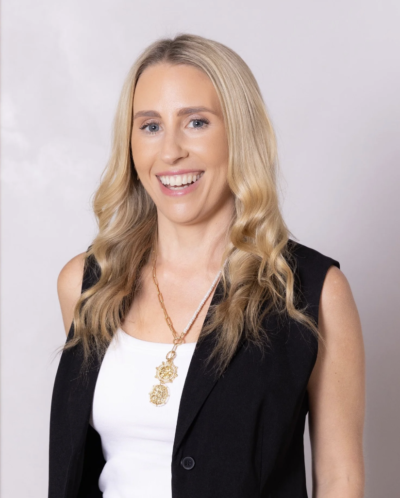
Catherine Brooks, the chief executive of Equitable Philanthropy, said clarity was the key to effective meetings between organisations and philanthropists.
Writing in her regular Substack blog, Brooks said, “In over two decades of sitting across the table from charity leaders and funders on both sides of this relationship, I can count on one hand the number of CEOs or board chairs who can tell me, in under three minutes … what their organisation is, the need it meets, and the three priority projects that need funding.”
She said many leaders were so bound up in their own programs, they found it hard to step back to make that succinct three-minute pitch.
Brooks’ determination to help charities do better underpins a course she runs with Community Directors, appropriately called From Pitch to Impact.
“In the cohorts we’ve run so far, that first draft almost always comes back longer,” Brooks said. One of her biggest tips for organisations was to appoint an “outsider” whose job was to tell leaders “That’s not it yet” when it came to those pitches.
Posted on 17 Sep 2026
Australia’s biggest gathering of philanthropists, which drew more than 1200 delegates to Brisbane…

Posted on 17 Sep 2026
One of Australia’s foremost fundraising observers says Australian not-for-profits must get the…
Posted on 17 Sep 2026
As direct giving dries up, charities face growing dependence on big donors and negotiating the…

Posted on 17 Sep 2026
Charities reported $14.8 billion in donations and bequests last financial year, the second-highest…

Posted on 17 Sep 2026
My father often googles my name, and as a result, years ago, I received a surprising gift in the…
Posted on 17 Sep 2026
Where Evelyn Mugisha grew up in rural Uganda, the subjects and careers considered suitable for…
Posted on 09 Sep 2026
A global gathering of philanthropists in Brisbane this week is aiming to tackle society’s biggest…
Posted on 09 Sep 2026
Media attention about women's philanthropy has more than doubled in three years, according to new…
Posted on 26 Aug 2026
Sector leader Violet Roumeliotis has called on funders to stop treating not-for-profit…

Posted on 13 Aug 2026
As a teenager, I attended summer camp for seven years, first spending two weeks at a time camping…

Posted on 13 Aug 2026
Not-for-profits are full of people with great ideas, but that doesn’t mean they are set up for…
Posted on 13 Aug 2026
Charities Minister Andrew Leigh – a former professor of economics at the Australian National…