
Billion-dollar community funding pool is making a difference
Posted on 21 Oct 2026
Backed by tangible successes and government support, community foundations are gaining momentum as…
Posted on 26 Aug 2026
By Nick Place, journalist, Community Directors
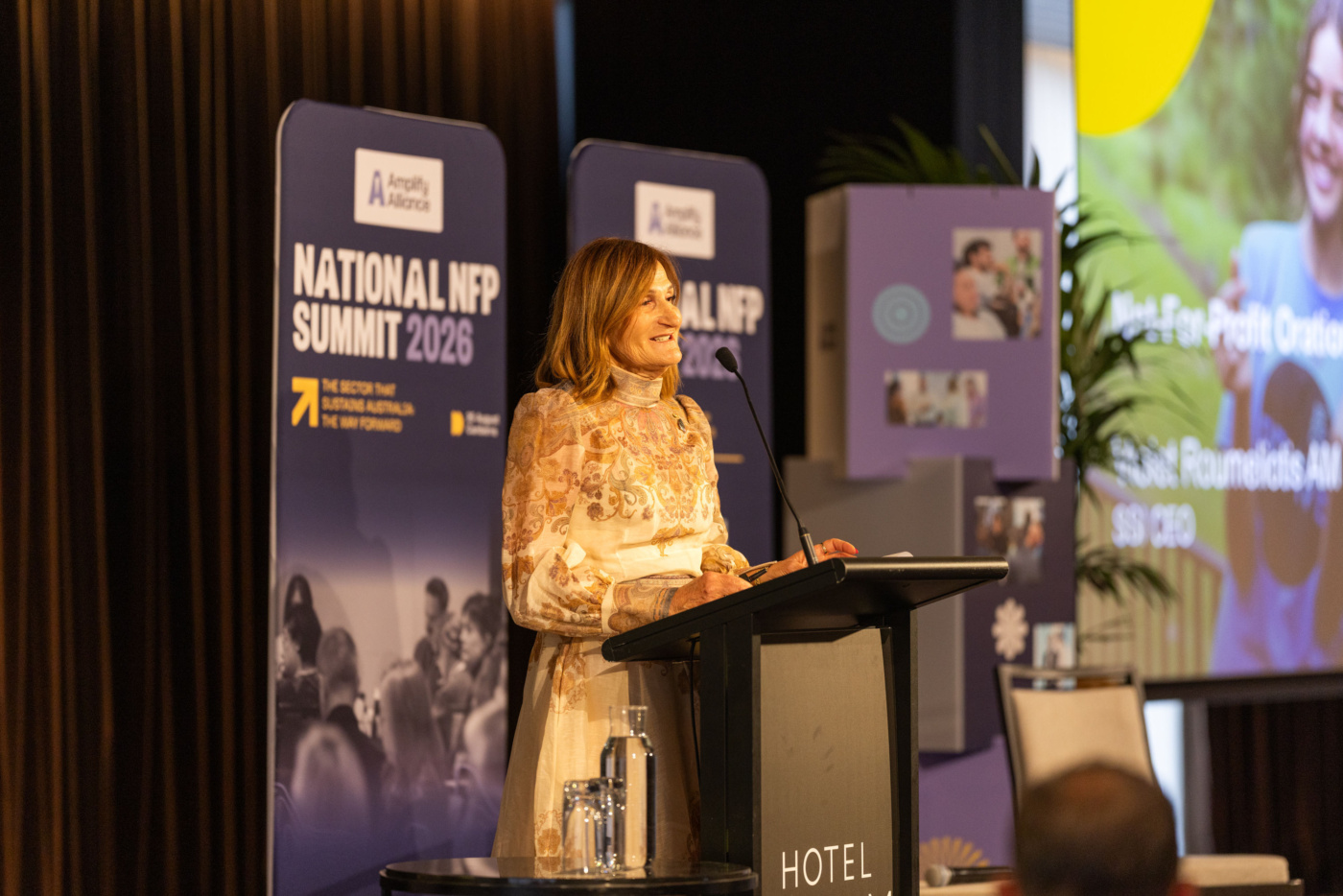
Sector leader Violet Roumeliotis has called on funders to stop treating not-for-profit organisations as second-class citizens, describing the treatment as “toxic”.
Delivering the inaugural Amplify Alliance National NFP Oration at the summit of the same name in Canberra last month, the Settlement Services International (SSI) CEO used the event’s proximity to Parliament House to land a powerful attack on government, public servants and funding bodies for failing the sector that delivers community services.
Issuing a challenge to government and funders, Roumeliotis said, “Stop treating this sector as an afterthought. Stop coming to us after decisions have been made and calling it consultation. Stop transferring risk without transferring resources. Stop asking for collaboration while designing systems that force us to compete. And stop treating community expertise as something that can be switched on when there is a crisis and ignored when policy is being designed.
“We are essential social infrastructure. Treat us accordingly,” she said, to applause from the room. She was one of several speakers at the summit to target words like ‘consultation’ and ‘partnership’ when it seemed policy decisions had already been decided before discussions with communities or peak bodies.
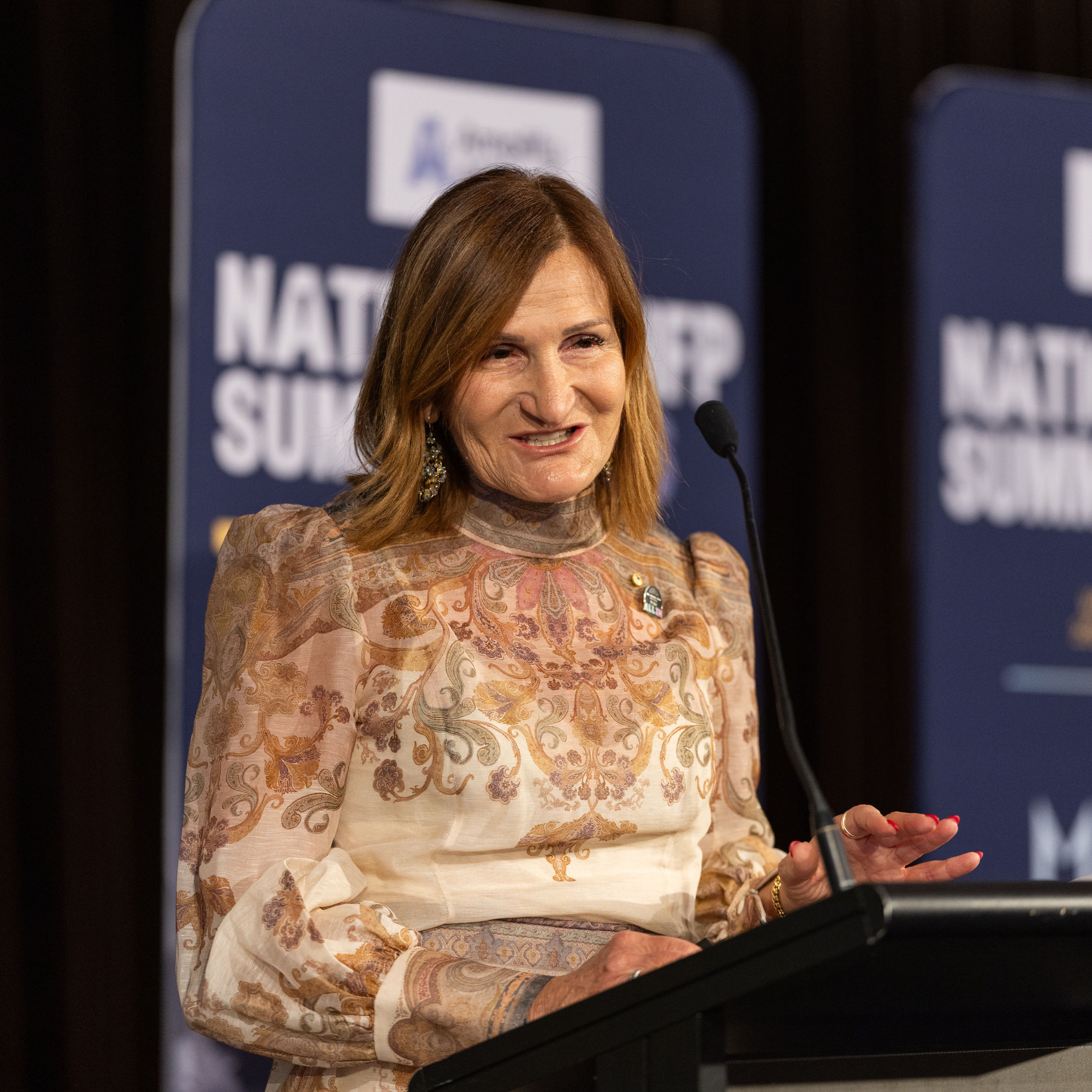
In a complex and challenging operating environment, Roumeliotis said, the task of providing services was made harder by those who should be supporting community organisations.
“The pressure on our sector isn't just the unavoidable consequence of a difficult world. Some of it is the direct result of choices governments and funders make about how they treat us. And it makes me angry, to be honest,” she said.
“We are often the organisations governments turn to when communities are under pressure, when crises hit, or when systems fail, and yet, somehow, we are still treated as second-class citizens.
“Decisions that directly affect our organisations, our workforces and our communities are made without us in the room. We find out late. We are expected to absorb the consequences. And then we are expected to make it work. And we’re told to be thankful for it,” she said. “Why have we accepted this as normal? Why do we tolerate being treated as an afterthought when we are delivering essential social infrastructure?
“This isn't simply frustrating. It is toxic. And it has to stop,” she said.
Roumeliotis was scathing of funders and governments that preached collaboration while creating systems that forced charities to compete fiercely for funding and resources.
“We have built a system that says it values collaboration while structurally incentivising competition. It says it values lived experience while retaining power in institutions. It says it consults while making material decisions behind closed doors. It repeatedly reviews inequality, then fails to implement the reforms those reviews recommend,” she said.
“These contradictions aren't harmless. They waste money. They exhaust organisations. They burn out good people. And ultimately, communities pay the price.”
Roumeliotis emphasised that the sector had a crucial role to play in improving systems and structures for funding, government interaction and cooperation between charities.
“The question is not whether we have power. We do,” she told the audience. “The question is whether we are prepared to use it, together.
“Because here is the uncomfortable part: government is not the only actor responsible for this dynamic. We are too.
“Too often, instead of banding together and demanding a seat at the table, we turn on each other. We compete. We guard territory. We undermine each other. We accept scraps individually rather than demanding change collectively,” she said.
“Yes, the funding environment incentivises that behaviour. But we still have agency. We have a choice between ‘power over’ one another and ‘power with’ one another.
“Let’s hold up the mirror. We cannot keep saying we value collaboration while accepting procurement models that reward competition. We cannot keep celebrating lived experience while leaving power untouched. We cannot keep asking communities to trust processes that have already made the important decisions without them, and we cannot place all responsibility at the feet of government while refusing to examine our own behaviour. We need to stand together more often. Back one another more strongly. Demand a genuine seat at the table. And use the extraordinary expertise, reach and trust of this sector as a source of collective power.”
“The question is not whether we have power. We do. The question is whether we are prepared to use it, together.”
The SSI head outlined a four-pillar plan to improve the sector, starting with the need for for-purpose organisations to lift their focus beyond service delivery, instead committing to improving systems, rather than trying to work within broken ones.
“If all we do is help people navigate broken systems, we become part of the machinery that keeps those systems intact,” she said.
“Our work gives us a front-row view of how systems actually function in people's lives. We see where barriers exist. We see where policies work. And we see where they reproduce inequity.
“We have a responsibility to name that.”
Roumeliotis said it was also essential that organisations pushed back on government when it took the sector for granted.
“I sometimes think our sector's greatest weakness is that we're almost too humble,” she observed. “We’re fierce advocates for everyone except ourselves. And governments have become accustomed to that. They take us for granted.
“They have become accustomed to a sector that will stretch a little further. Absorb a little more risk. Find another efficiency. Accept another short-term contract. Complete another reporting requirement. Turn up to another consultation after the important decisions have already been made. And somehow, despite all of that, keep delivering.
“We do keep delivering. Because people depend on us. But our willingness to make broken arrangements work cannot become an excuse for governments not to fix them,” she said.
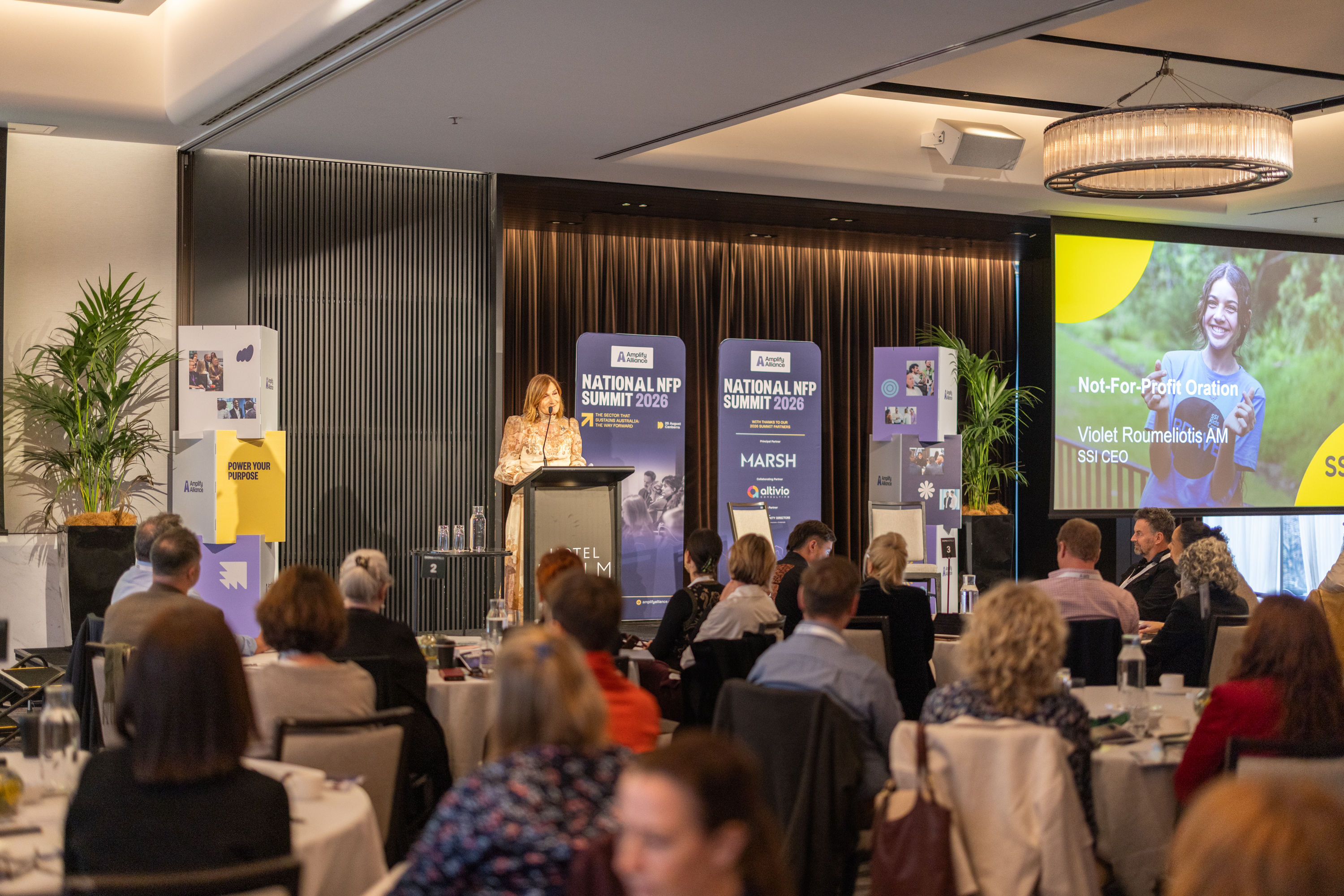
Roumeliotis said it was time to end the master–servant relationship.
“Government determines the policy,” she said. “Government controls the funding. Government writes the contract. Government decides the reporting requirements. Risk is pushed down onto providers. Funding is squeezed. And then we are told we are ‘partners’.
“That is not partnership. Partnership requires respect. Partnership requires trust. Partnership requires some sharing of power,” she said.
“What we have too often is outsourcing without power, responsibility without authority, and accountability that flows almost entirely in one direction. And I think we need to stop pretending otherwise.”
It was unreasonable for the government to call for collaboration among the sector, when charities were pitted against one another for individual projects and contracts, she said.
“You cannot force organisations to compete for survival on Friday and ask them to share everything with one another on Monday. If governments genuinely want collaboration, they need to fund and design for collaboration,” she said, adding that “consultation” was another concept that needed to be re-appraised by the sector.
“Announcing a major policy, funding or program change after the material decisions have been made is not consultation. Asking communities to respond to decisions they had no meaningful role in shaping is not co-design,” she said.
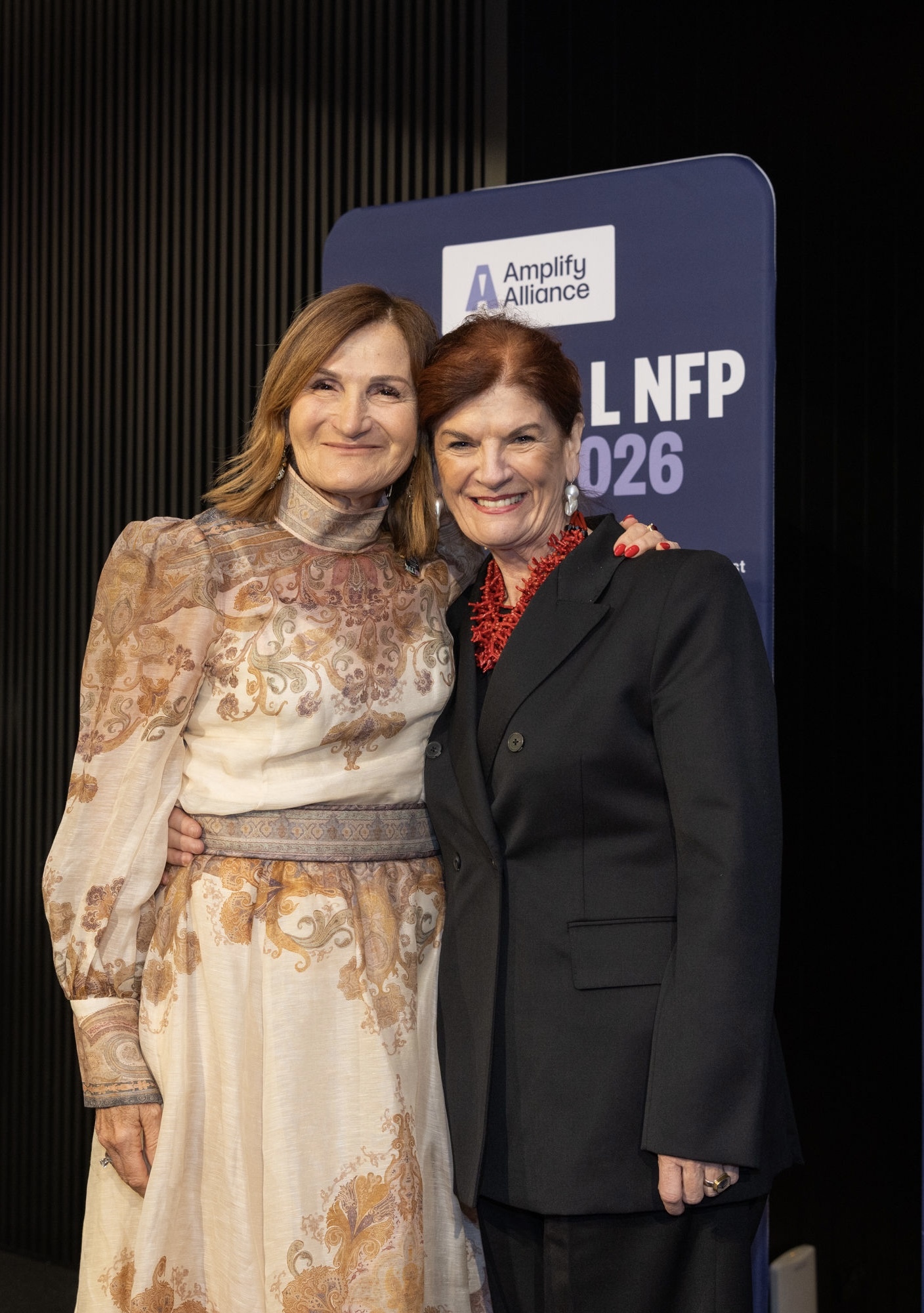
Roumeliotis called on the sector to push for the NFP Blueprint’s recommendations, and to work harder for a sustainable sector that recognised the actual cost of delivering services, including the infrastructure, people and capabilities required.
Finally, Roumeliotis urged organisations to retain and strengthen their community connections, which she said remained the sector’s greatest strength. Charities see the real world consequences of policy, and could ensure life experience was reflected in future policy, she said.
But only, she added, if government was willing to genuinely engage with the sector, instead of paying lip service to the partnership.
Roumeliotis told the Amplify summit that the “polycrisis” of multiple, concurrent challenges was the new normal, not just a difficult moment.
“This is a challenging time to be leading a non-profit organisation,” she said. “Demand is increasing. Resources are stretched. Workforce pressures continue to grow. Funding uncertainty is a reality for many organisations. At the same time, the needs of the communities we serve are becoming more complex.
“We are no longer dealing with one challenge at a time. Economic pressures, housing affordability, technological disruption, climate impacts, demographic change and global instability are all occurring simultaneously and influencing one another.
“I don't think what we're experiencing is simply a difficult period that will eventually pass. I think we're living through a more fundamental shift.”
Roumeliotis said her organisation was acutely aware of how these pressures were affecting communities.
“We see it in the communities SSI works alongside: people facing rising costs while also navigating insecure housing. We see it in migrants and refugees trying to establish themselves during periods of economic uncertainty. We see it in people trying to build a sense of belonging in a society that can feel more divided than connected.
“We also see it in our sector. Not-for-profits are being asked to respond to complex and interconnected challenges while operating inside funding models that are rigid, short term and too often blind to the real cost of service delivery,” she said.
Posted on 21 Oct 2026
Backed by tangible successes and government support, community foundations are gaining momentum as…
Posted on 21 Oct 2026
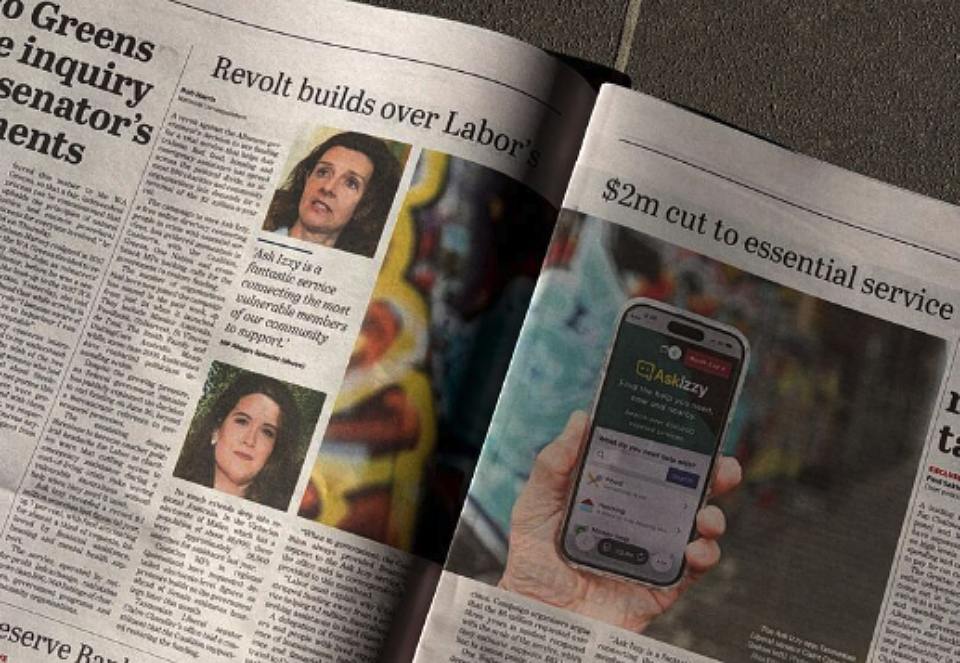
A national campaign to restore federal funding for Ask Izzy has attracted such strong grassroots…
Posted on 21 Oct 2026
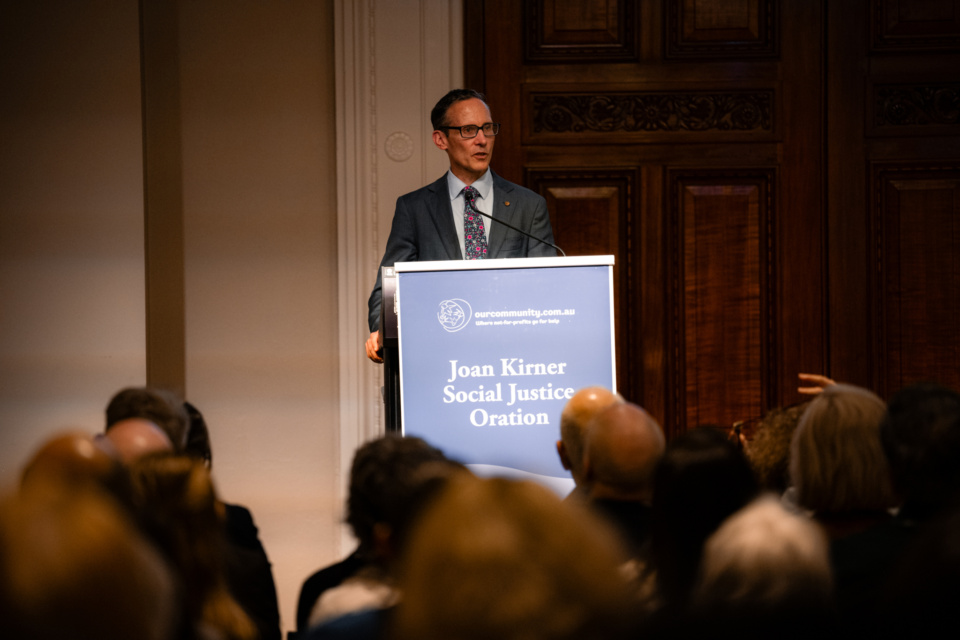
In the wake of an act of violence against federal independent MP Helen Haines, Charities Minister…

Posted on 21 Oct 2026
If your charity takes a stance that happens to align with a political party’s stance in a public…

Posted on 14 Oct 2026
The federal government’s special envoy for social housing and homelessness, Josh Burns MP, has…

Posted on 14 Oct 2026
The Reserve Bank’s move to ban card payment surcharges has led to complications for charities and…
Posted on 14 Oct 2026
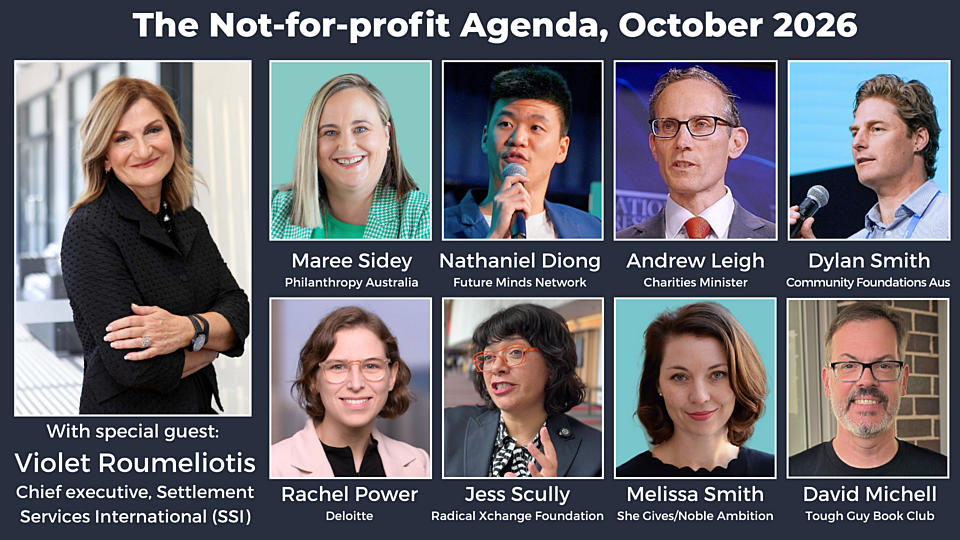
Violet Roumeliotis, the chief executive of Australia’s biggest migrant support organisation, will…

Posted on 07 Oct 2026
A major public campaign launched this morning is calling on the federal government to restore…

Posted on 07 Oct 2026
The Australian Literacy & Numeracy Foundation (ALNF) has announced a partnership with mining…

Posted on 07 Oct 2026
A conference in Darwin will this morning hear detailed, strategic plans for how Australia could…

Posted on 30 Sep 2026
Not-for-profit leaders have been warned to be wary of approaches from potential “funding partners”…
Posted on 30 Sep 2026
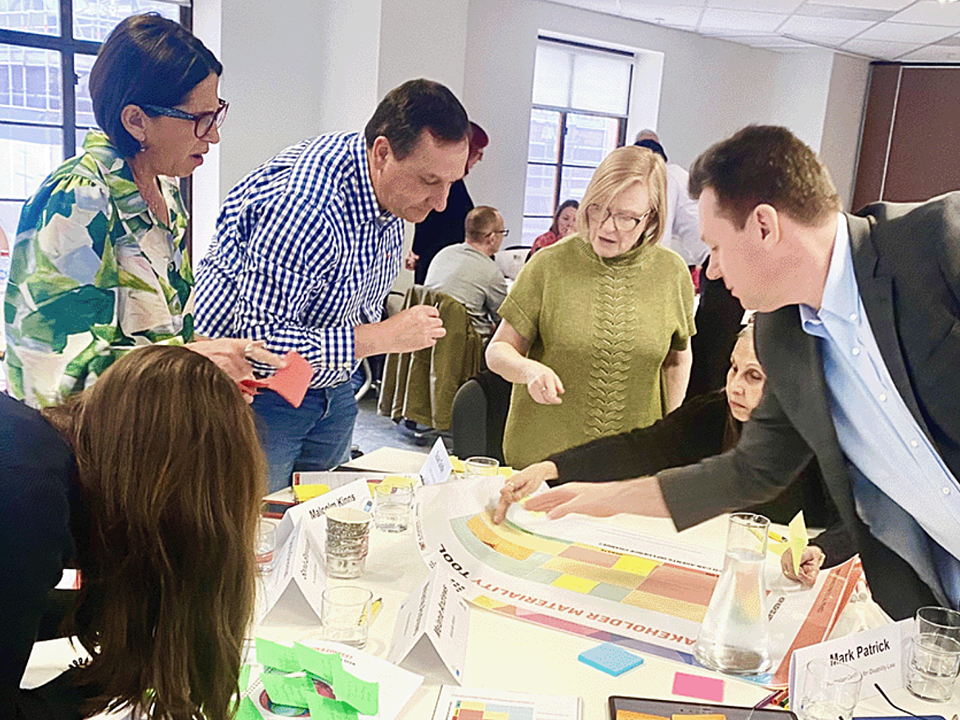
More than 200 fully funded Centre for Social Impact (CSI) scholarships will help equip for-purpose…