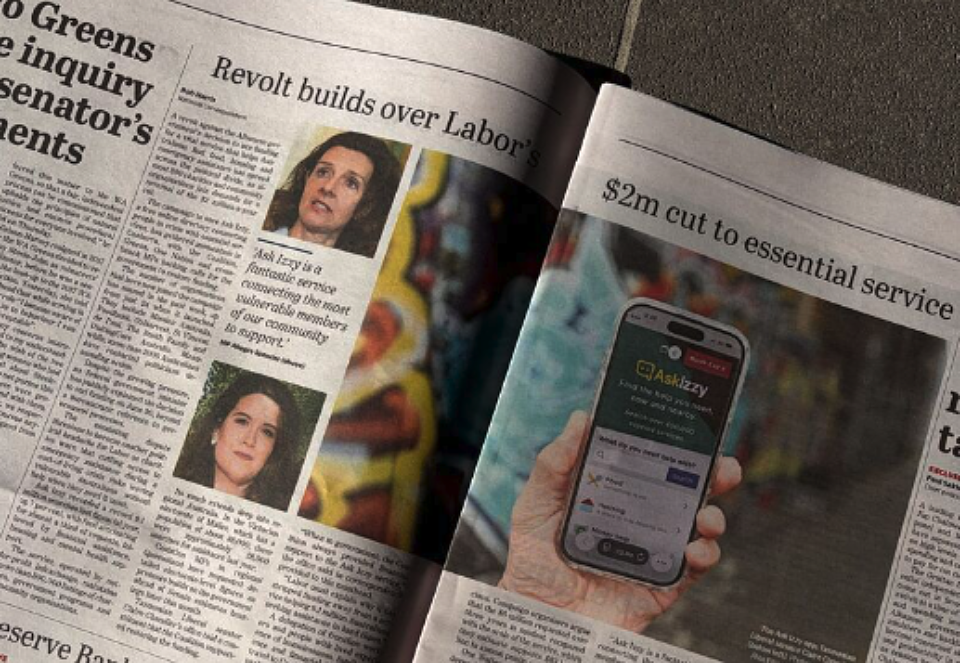
National campaign to save Ask Izzy gathers signatures and momentum
Posted on 21 Oct 2026
A national campaign to restore federal funding for Ask Izzy has attracted such strong grassroots…
Posted on 21 Oct 2026
By Matthew Schulz, journalist, Community Directors
Backed by tangible successes and government support, community foundations are gaining momentum as a tax-effective, efficient and local way to distribute funds and support to communities tackling adversity.
As the name suggests, community foundations have a focus on communities, and can be geographical or interest-based.
There are now 72 community foundations in Australia, with numbers having almost doubled in three years, while the community funds they control have grown from about $500 million to more than $1 billion in that time.
There’s also a long queue of would-be foundations seeking to establish themselves, partly on the back of the creation of a new “community charity” category, which affords groups a more attractive legal and tax status.
Charities Minister Andrew Leigh has so far declared about 40 community charities, designed with community foundations in mind and offering an easier route to deductible gift recipient (DGR) status and the ability to distribute funds more freely.
There are already 35 of those community charities in operation, while another 16 are waiting to go through the process of winning that status. Advocates hope they'll be approved by the end of the year.
Leigh has also promised legislative changes that will do away with the need for ministerial declarations and has previously declared he wants to see 200 community foundations in the country as part of the government’s ambition to double philanthropy by 2030.
The government’s planned changes would see the Australian Charities and Not-for-profits Commission (ACNC) determine a community foundation’s charity status, with the Australian Taxation Office having the power to sign off separately on DGR status.
It’s no wonder that Community Foundations Australia co-CEO Dylan Smith has said his organisation has had a lot of interest from organisations
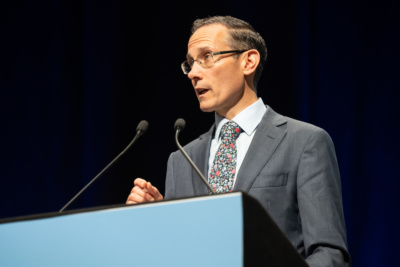
“There’s a long list of 80-plus communities that have contacted us about interest in starting a community foundation, and a lot of those are prompted by a challenge that they’re facing,” he told a community foundations panel at the recent Philanthropy Australia conference.
Speaking to Community Directors after the event, Smith said community foundations were generous, distributing about 10 per cent of their funds each year to recipients, an amount that was "significantly more than private philanthropic entities".
He said that because community foundations were "embedded" in their communities, they understood the urgency of existing needs, "but they also recognise the importance of building and stewarding resources that will be there for generations to come".
"A permanent community fund isn't about accumulating wealth for its own sake. It's about ensuring a community has the means to respond to challenges and opportunities that we can't yet imagine, long after today's funding priorities and political cycles have passed.
"That balance between acting now and building for the future is fundamental to community philanthropy. It's about communities having the resources, independence and agency to shape their own futures.”
The community foundation model has proven its effectiveness and responsiveness in the field.
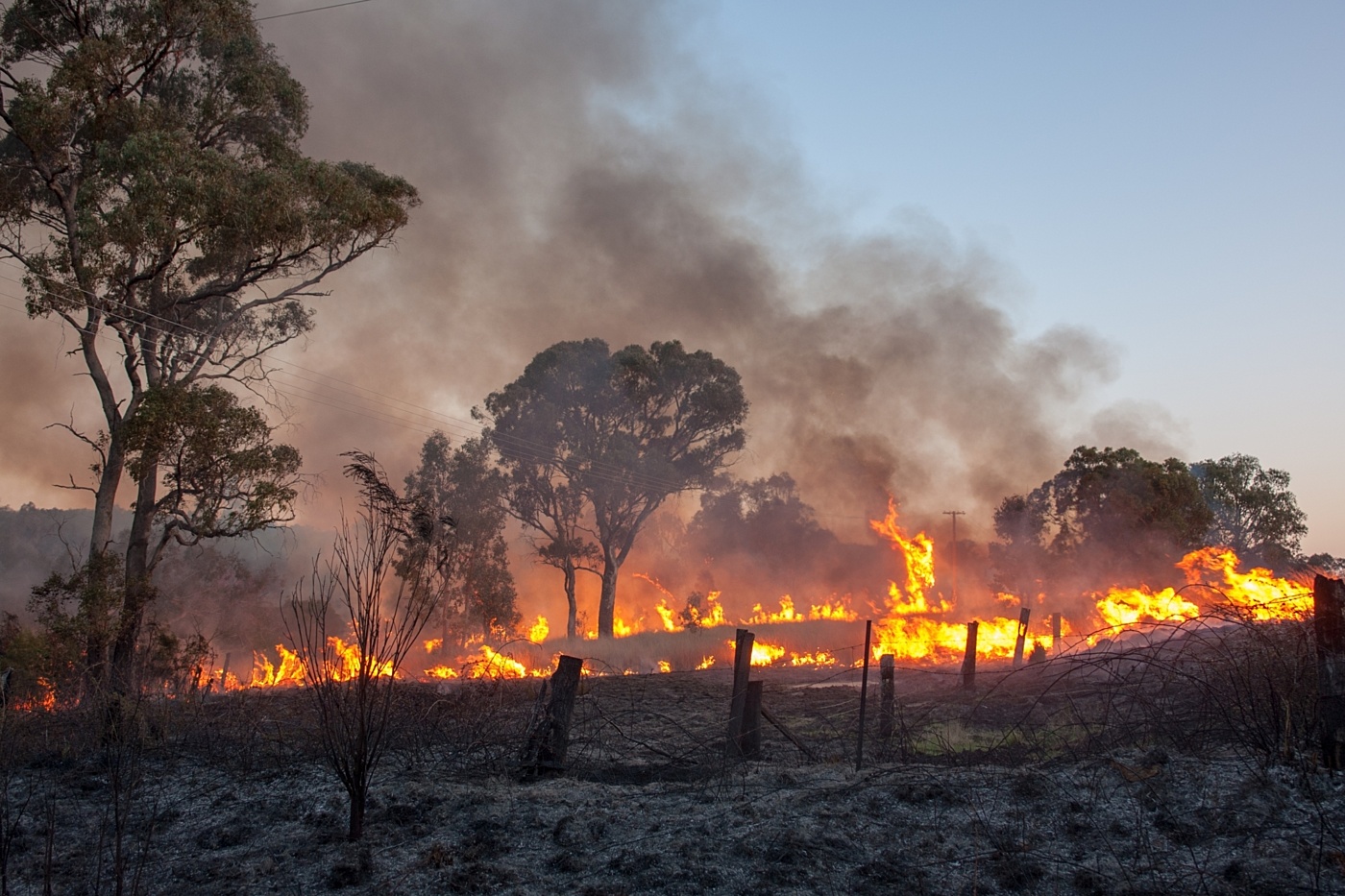
After a fire burned more than 132,000 hectares across the Strathbogie and Mitchell shires in central-northern Victoria in January this year, the community was keen to act.
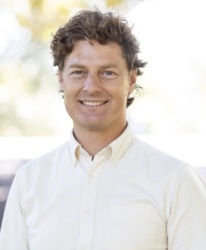
Australian Communities Foundation (ACF) chief executive Andrew Binns told the Philanthropy Australia conference panel that the foundation had a community-run sub-fund operating quickly.
“We had that up and running in a few days. That’s the power of this. Once you have a community charity, it’s quite quick and easy to utilise,” Binns said.
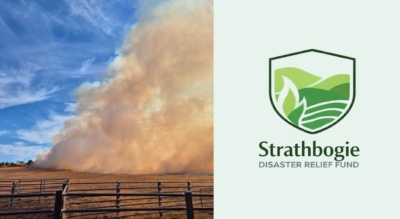
Donations were being accepted within 10 days, and the fund was quickly making rapid-response grants to more than 170 households, with funds also going to restore community halls and host wellbeing programs for residents.
The Strathbogie Disaster Relief Fund was established as a sub-fund of the Australian Communities Foundation’s (ACF’s) community charity trust and has since raised more than $1 million, helping scores of families and devastated communities; it’s just one example of the community charity structure proving its worth in targeting community need and in supercharging the community foundations movement.
In the past, disaster responses were sometimes delayed by red tape.
“In responding to a bushfire, it would have often taken months to get funding flowing down to the community, let alone down to individual households and people impacted through a disaster,” Binns said.
The benefit of a community charity structure, the ACF says, is that the fund can accept money from private foundations and make grants to local associations and households. A community advisory committee can decide where the money will be spent.
The sub-fund structure set up under an existing foundation could be a quicker route for communities without one of their own, but it’s clear that many communities are considering creating their own entities.
Binns said nearly $300,000 had been distributed in Strathbogie and Mitchell shires, with the remaining funds set to be distributed in the next six to 12 months.
“What’s being recognised is the importance of that local knowledge and local assets of all kinds.”
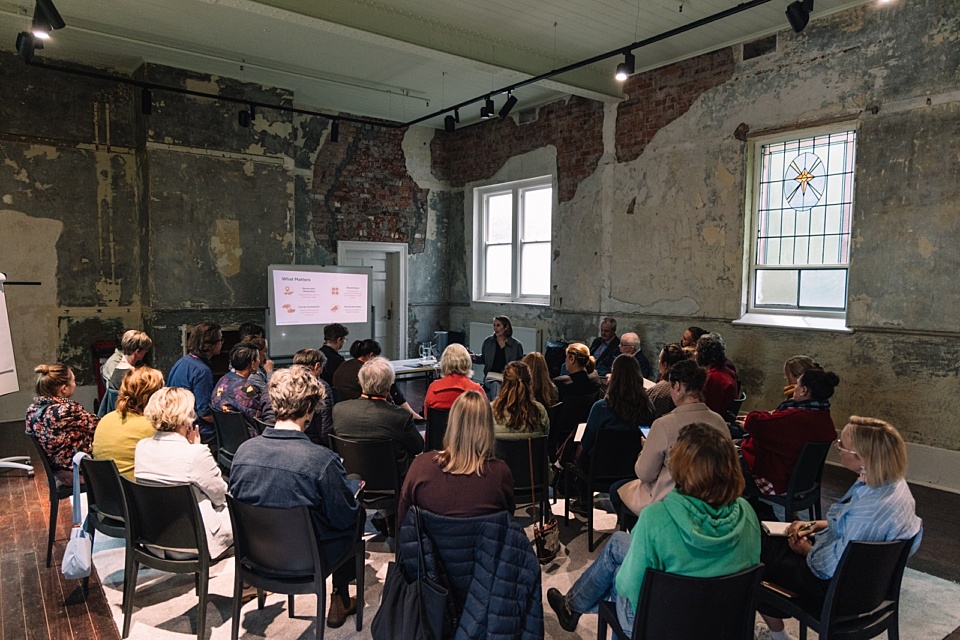
In the past, most community foundations operated as public ancillary funds. Those funds could make grants only to charities with DGR status, whereas the new community charities can support any activity that fits a DGR purpose.
“The new community charity [structure] that has just been set up and available for communities is an incredible enabler,” Smith told Community Directors after the panel session.
“It’s a huge improvement on the legal structure that was previously chosen for community foundations.”
Lee Crockford, interim co-CEO of Rainbow Giving Australia (RGA), said the change let RGA back small queer community groups that lack DGR status.
“Fundamentally what it means is the pipeline into RGA is bigger and the pipeline out of RGA is bigger,” Crockford told the panel.
Community foundations in Australia have been buoyed by the success of the model overseas, especially in Canada, where the assets held by community foundations have tripled in 20 years to reach about $9 billion.
One of the architects of the movement in Canada, Ian Bird, was the chief executive of Community Foundations Australia until recently, and he was instrumental in its achievements here.
Smith – along with his co-CEO Georgia Mathews – has picked up the baton, having worked with the Fremantle Foundation for a decade. He said community foundations were much more than funding vehicles, and they had strong value for rural and regional areas.
“Local leaders and local people with local knowledge are the best to decide where to distribute resources,” he said.
“What’s being recognised is the importance of that local knowledge and local assets of all kinds. Money is part of it – of course – but the knowledge of the local area, the history of the local area, the social connections, knowing who might be best to go to for a certain bit of knowledge, or to connect one person to another person, or to bring people together in the right way. It’s recognised now it’s impossible to do, or expect to be able to do, from Melbourne or Sydney.”
The Australian movement is not just building place-based foundations. Foundations are forming networks it calls "impact communities" to improve housing, gender equity, ageing well, renewable energy and climate resilience, and to re-establish local media.
"What's exciting is that foundations in seemingly disparate places, from Albany in Western Australia to Mirboo North in Gippsland, are learning from one another, sharing what they've discovered and building on each other's experience. By coming together in this way, they're building the collective capacity to influence the bigger systems shaping life in their communities."
"Our role at Community Foundations Australia is to nurture those connections and create the spaces for meaningful exchange to happen, bridging distance and helping ideas, knowledge and resources move across the country. What starts in one community can open up possibilities for another, giving communities a stronger voice and greater influence nationally than any one foundation could have working alone.”
And the movement has echoes in New Zealand, where about 20 community foundations have been established. The phrase “our time has come” was repeated many times during the Community Foundations of Aotearoa New Zealand Conference last month.
In a closing address at that event, Mathews said community philanthropy drew on strong local communities, relationships and institutions, and the project was “not grantmaking alone”.
“It is a deliberate effort to strengthen purpose, power, relationships and resources at the local level,” she said.
Smith said not-for-profit leaders could establish steering committees or boards where no foundation existed yet to develop greater sustainability for their area.
“In contributing to a culture of generosity, in contributing to a growing pool of resources for that community, then there's going to be more funds available for not-for-profits and charities in that area,” he said.
“If you know of your community foundation in your local area, get behind it. If there isn’t one, maybe you should think about gathering.”
Posted on 21 Oct 2026
A national campaign to restore federal funding for Ask Izzy has attracted such strong grassroots…

Posted on 21 Oct 2026
In the wake of an act of violence against federal independent MP Helen Haines, Charities Minister…

Posted on 21 Oct 2026
If your charity takes a stance that happens to align with a political party’s stance in a public…

Posted on 14 Oct 2026
The federal government’s special envoy for social housing and homelessness, Josh Burns MP, has…

Posted on 14 Oct 2026
The Reserve Bank’s move to ban card payment surcharges has led to complications for charities and…

Posted on 14 Oct 2026
A special guest with her finger on the pulse of one of the biggest issues facing Australia –…

Posted on 07 Oct 2026
A major public campaign launched this morning is calling on the federal government to restore…
Posted on 07 Oct 2026
The Australian Literacy & Numeracy Foundation (ALNF) has announced a partnership with mining…
Posted on 07 Oct 2026
A conference in Darwin will this morning hear detailed, strategic plans for how Australia could…

Posted on 30 Sep 2026
Not-for-profit leaders have been warned to be wary of approaches from potential “funding partners”…
Posted on 30 Sep 2026
More than 200 fully funded Centre for Social Impact (CSI) scholarships will help equip for-purpose…

Posted on 30 Sep 2026
Personal stories are among the most powerful tools a charity can have to raise funds and awareness,…