Billion-dollar community funding pool is making a difference
Posted on 21 Oct 2026
Backed by tangible successes and government support, community foundations are gaining momentum as…
Posted on 07 Oct 2026
By Nick Place, journalist, Community Directors
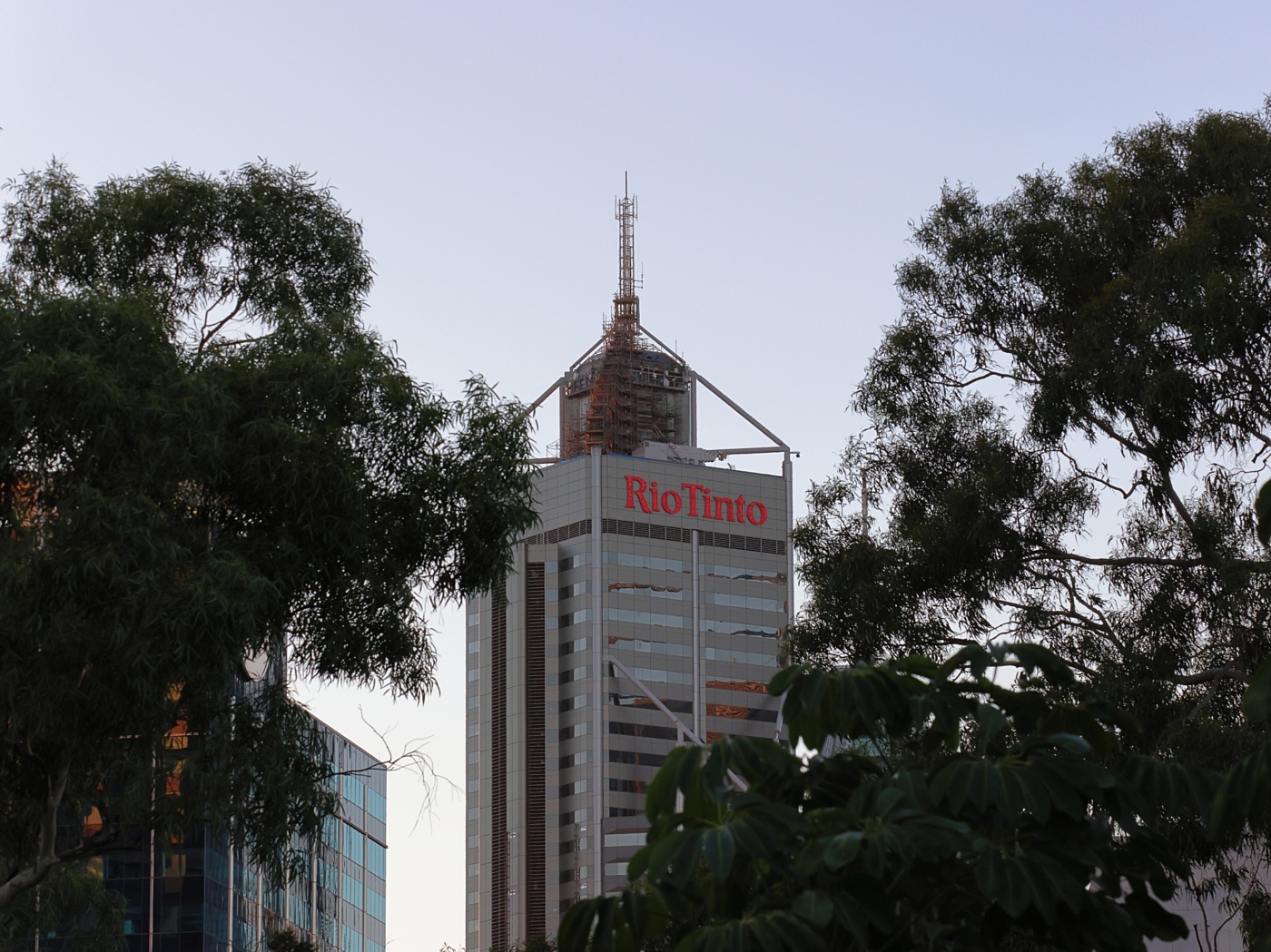
The Australian Literacy & Numeracy Foundation (ALNF) has announced a partnership with mining giant Rio Tinto to help several First Nations communities preserve and strengthen their languages.
The three-year partnership will enable communities to develop digital resources to keep languages strong and accessible for future generations.
The partnership will support community-led language initiatives in Mapoon (Queensland), Nhulunbuy/Yirrkala (Northern Territory), Bidyadanga (Western Australia), Bundjalung Country (New South Wales and Queensland), and Kalkatungu Country (Queensland), according to the ALNF.
The ALNF’s Living First Languages platform was developed alongside First Nations communities, and ownership of the project remains in community hands. The foundation said the platform combined cultural knowledge with digital technology, enabling communities to record and teach their languages in ways that reflect local priorities and cultural protocols.
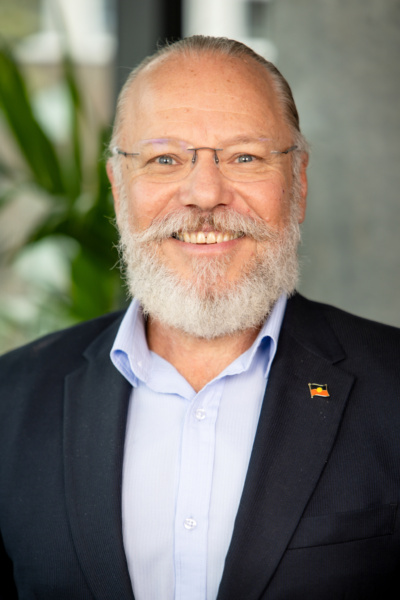
ALNF chair Glenn Johnston told the Community Advocate that the foundation had considered the decision to enter into partnership with Rio Tinto “very carefully”, given the controversy surrounding Rio Tinto’s May 2020 destruction of sacred rock shelters at Juukan Gorge.
The blasting of Juukan Gorge, and another sacred site, was permitted by the WA government, despite the caves bearing evidence of continual human occupation going back an estimated 46,000 years, and present-day traditional owners maintaining strong connections with the site.
Outcry and grief were profound among First Nations leaders, as well as academics and in Canberra, where the Senate commissioned an inquiry into the destruction. That inquiry’s report, A Way Forward, said, “It is inconceivable that Australia has not developed proper protections for such sites, and action must be a matter of national priority.”
“The partnership developed over several years, and given the scale of the investment and the sensitivities involved, it was brought to the ALNF board for detailed consideration,” Mr Johnston said. “Board members were aware of the broader context surrounding Rio Tinto and were asked to consider whether ALNF should proceed before the board endorsed the partnership.”
Johnston added, “By way of context, Rio Tinto clearly communicated that its social investment priorities are informed by community need and external research and evaluation, and the program itself is guided by these principles and is independent of corporate objectives.
“It was also important to us that communities could make their own informed decisions about participating. When ALNF invited expressions of interest, we were transparent that Rio Tinto was providing the funding and made clear that any concerns could be raised and discussed.
“We understand why the destruction of Juukan Gorge forms part of the conversation when considering a partnership of this nature.”
“We understand why the destruction of Juukan Gorge forms part of the conversation when considering a partnership of this nature,” he said. “It is a significant part of Rio Tinto’s history, and we would not seek to dismiss or minimise it.”
Johnston said Rio Tinto and the ALNF had already partnered on another successful project using the Living First Languages platform.
The partnership will see the ALNF work alongside First Nations communities, supporting them as they work to help Languages thrive. The foundation said the project was aligned with the objectives of the United Nations International Decade of Indigenous Languages (2022 to 2032). “We greatly appreciate the opportunity to work alongside communities dedicated to seeing teaching and learning flourish in their languages,” said ALNF chief executive Anne Hollonds. “Being able to read, write, speak, listen and understand in one’s own language has a powerful lifelong impact on education, employment, identity, wellbeing, social connection and belonging. Communities are leading this work, and we are honoured to support them and be trusted by them.”
In Mapoon, Queensland, cultural heritage adviser Jason Jia said the Mapoon Language Project was an important investment in the future of language and culture.
“The Mapoon Language Project is more than a program, it is a living commitment to keeping language, culture and identity strong for future generations,” he said. “Through working alongside Elders and community, we are not just recording words, but strengthening connections to Country and ensuring our stories, knowledge and voices continue to thrive for years to come.
“This work is essential, and ongoing funding ensures that this cultural knowledge is not lost but carried forward with pride and purpose.”
Rio Tinto Iron Ore chief executive and Australia country head Matthew Holcz said the partnership would “provide Indigenous communities with a range of resources to retain control and ownership of their languages”.
“For tens of thousands of years, Indigenous communities have cared for Country, and by honouring their languages, we can help strengthen and protect this deep cultural history,” he said.
Posted on 21 Oct 2026
Backed by tangible successes and government support, community foundations are gaining momentum as…

Posted on 21 Oct 2026
A national campaign to restore federal funding for Ask Izzy has attracted such strong grassroots…
Posted on 21 Oct 2026
In the wake of an act of violence against federal independent MP Helen Haines, Charities Minister…

Posted on 21 Oct 2026
If your charity takes a stance that happens to align with a political party’s stance in a public…

Posted on 14 Oct 2026
The federal government’s special envoy for social housing and homelessness, Josh Burns MP, has…

Posted on 14 Oct 2026
The Reserve Bank’s move to ban card payment surcharges has led to complications for charities and…

Posted on 14 Oct 2026
Violet Roumeliotis, the chief executive of Australia’s biggest migrant support organisation, will…

Posted on 07 Oct 2026
A major public campaign launched this morning is calling on the federal government to restore…

Posted on 07 Oct 2026
A conference in Darwin will this morning hear detailed, strategic plans for how Australia could…

Posted on 30 Sep 2026
Not-for-profit leaders have been warned to be wary of approaches from potential “funding partners”…
Posted on 30 Sep 2026
More than 200 fully funded Centre for Social Impact (CSI) scholarships will help equip for-purpose…

Posted on 30 Sep 2026
Personal stories are among the most powerful tools a charity can have to raise funds and awareness,…