
Global survey to take the pulse of charity and NFP sector
Posted on 18 Nov 2026
Charity and not-for-profit workers across six countries, including Australia, are being asked to…
Posted on 18 Nov 2026
By Nick Place, journalist, Community Directors

A commitment to creating conditions in which philanthropy and charities can thrive is behind Minderoo Foundation’s decision to show the whole sector what’s “under the bonnet” of Australia’s largest foundation in a new publication.
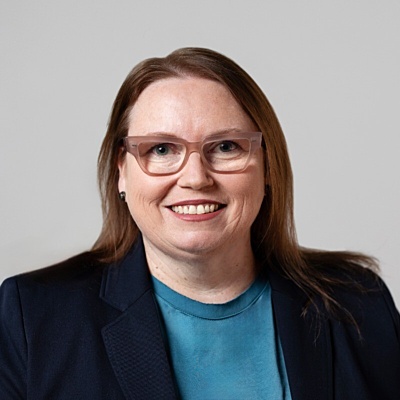
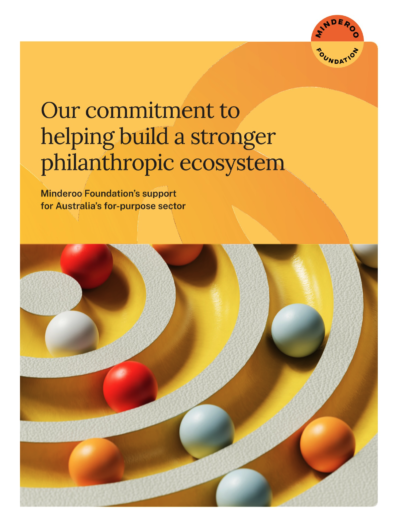
Minderoo Foundation describes the 12-page booklet, Our Commitment to Helping Build a Stronger Philanthropic Ecosystem, as a “field building guide”, saying it is a study of the relationships, capabilities, infrastructure and collaboration that can build a more resilient and successful for-purpose sector.
It details the foundation’s current work and investments in the context of its theory of change and and the way it works towards effective philanthropy.
In Minderoo Foundation’s perfect world, instead of fighting for limited resources, charities would work closely with well-supported and empowered peak bodies, as well as each other, to maximise coordinated and well-funded impact. Philanthropists would build sector leadership and the true costs of charity work into grants. The foundation also urges funders to be open to co-funding when others have similar missions.
“The more collaboration we can do in terms of pooling resources, the better,” said Minderoo Foundation’s effective philanthropy executive director, Kristen Stevenson. “We need to acknowledge that there’s a starvation cycle within the not-for-profit sector. There are a significant number of charities operating and with varying levels of access to resources. So, how do we go about creating an opportunity for those organisations to have the best opportunity to thrive? That’s what we’re thinking about when we talk about field building.
“We are looking to build infrastructure as well as recognising the need to create the resources for not-for-profits to thrive as critical for the sector to be successful. The opportunity to break that starvation cycle and to really look at the whole spectrum of giving, all the way from grantmaking to impact investing and catalytic capital, which sits in between; all the components of the sector. That holistic view is how we’re going to have the biggest impact.”
The guide reveals Minderoo Foundation’s own approach to “pay what it takes” and partnerships, with the goal of inspiring others in the sector to come together for mutual benefit, above and beyond individual grants and programs.
Stevenson told the Community Advocate the foundation hoped the guide would be a call to action.
“We are definitely hoping it inspires other funders to recognise the importance of that connective tissue, or infrastructure, and just how critical it is to making the sector able to thrive,” Stevenson said. “Part of the reason we released the guide is because we think it’s an important signal of what can be done and we’re hoping that really sparks interest from other funders, thinking about how they might approach field building. It can be done in a number of different ways, and there are different interpretations about ecosystem building and field building.
“We wanted to just share our perspective and how we’ve gone about shaping the program of work.”
She said she was encouraged by the conversations already sparked by the guide’s release. “We’re certainly not the only ones doing this type of work, but we're probably doing it at a scale that is a bit more than others are. We’d love to have other funders contributing to concepts because that helps the whole sector experience what it’s like to be involved in the field building work, but also just shows that it can be at different scales. Like, there isn’t a one-size-fits-all for how this work can happen. Some of our smaller investments really have outsized impact, and some of the bigger things are longer, slower burns. There are some really little tweaks or changes that you can invest in that actually then set off a whole bunch of different reactions that mean something might change in the system.”
“We are definitely hoping it inspires other funders to recognise the importance of that connective tissue, or infrastructure, and just how critical it is to making the sector able to thrive.”
This commitment to field building is part of the foundation’s 2030 strategy, so Minderoo is about two years into applying the methodology to activities such as awarding grants.
Because of its size and resources, Minderoo Foundation has not been afraid to take to the global stage, with founder Andrew Forrest active on many international issues, such as climate change, fossil fuels, global politics and more. However, the field building work came from what Stevenson called “a recognition of the important role we have to play in building capability and stimulating the sector in Australia.
“While we have an international flavour, we are very cognisant of our Australian roots and wanting to make sure that we are maximising the potential across the entire sector, not just our partners. [Field building has] a bit of a broader reach than just direct recipients of our grant making. It’s looking at the whole concept of the rising tide lifts all boats. We have looked globally to others doing this type of work and we recognise the potential impact,” she said.
Minderoo published the field building guide with an understanding that it would not be for everybody.
“It’s a really diverse sector, and philanthropy is different for different people,” Stevenson said. “We’re trying to inspire, but each philanthropic organisation will have a different area of focus, or issues that are important to that, and we all have choices to make around how we allocate resources.
“For some philanthropic organisations, it will make sense to potentially explore a broader kind of investment in the ecosystem, while for others, they will be very targeted in how they want to look at a particular issue, so I don’t think there’s one right choice.
“I just think each organisation will evaluate what makes sense for them from a strategic perspective.”
Nevertheless, there were overarching goals that should be considered, she said.
“It’s the recognition that we’re all both funders and fund seekers, but we’re working to a shared outcome,” Stevenson explained. “We might be looking for better results for children, or we’re looking for better results for the ocean, or whatever it is. We need to make sure that everyone has the capability and resources required to achieve those outcomes.
“Field building is really around creating that opportunity across everyone, so that we’re rowing in the same direction.”
The guide makes it clear why Minderoo Foundation has thrown its considerable weight behind peak bodies such as the Community Council for Australia to ensure they are adequately resourced and empowered to help their member organisations achieve goals.
“Our view is that by doing that, we’re investing in one organisation, but the impact actually flows through to all their members and potentially non-members, depending on how they make information available. The more open source it is means greater access for those seeking that information,” Stevenson said.
To read Minderoo Foundation’s field building guide, click here.
Posted on 18 Nov 2026
Charity and not-for-profit workers across six countries, including Australia, are being asked to…

Posted on 18 Nov 2026
What do Lifeline WA, 7-Eleven’s support office, Paramount Australia and New Zealand, the Port of…

Posted on 18 Nov 2026
A new and free-to-join Not-for-profit Cyber Uplift community forum created by the federal…

Posted on 11 Nov 2026
The persistent cost-of-living crisis is affecting Australians in many ways, but two charities have…
Posted on 11 Nov 2026
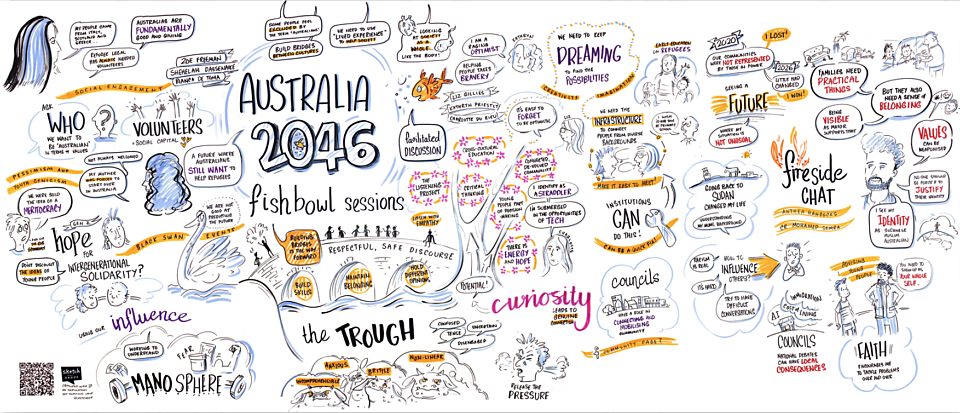
The question of what Australia might look like in 2046 – only 20 years away – can cause anxiety and…

Posted on 11 Nov 2026
The Paul Ramsay Foundation has announced $24 million in funding for programs aimed at helping…
Posted on 11 Nov 2026
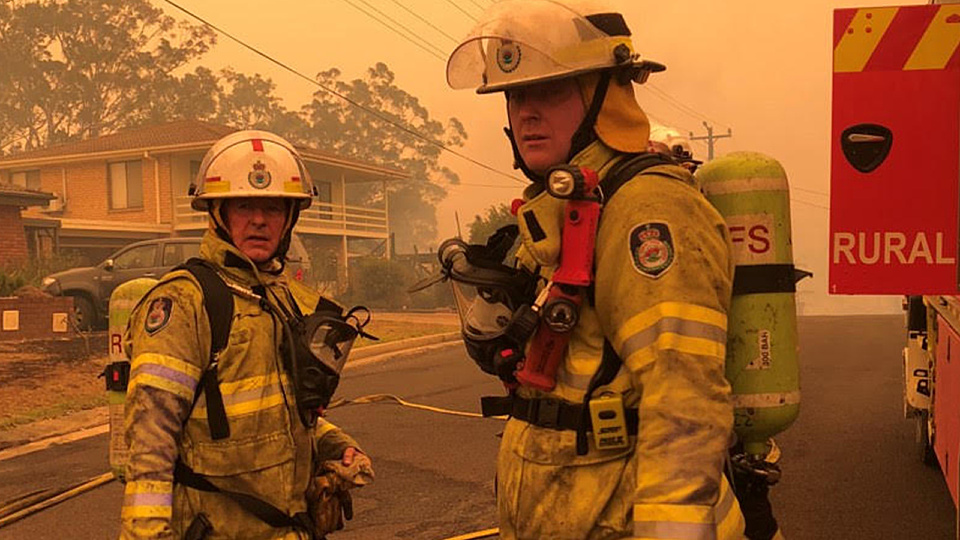
As Australia faces a record-breaking “super” El Niño weather system that has arrived ahead of…

Posted on 05 Nov 2026
Mapping Social Cohesion 2026, published today, has found that 48 per cent of Australian adults are…

Posted on 04 Nov 2026
Leading lawyer and anti-racism advocate Mariam Veiszadeh has told a Human Rights Commission…

Posted on 04 Nov 2026
A leading advocate and service provider for new arrivals in Australia has urged the nation’s…

Posted on 04 Nov 2026
As the Scanlon Foundation Research Institute prepared to release its annual social cohesion report…
Posted on 28 Oct 2026
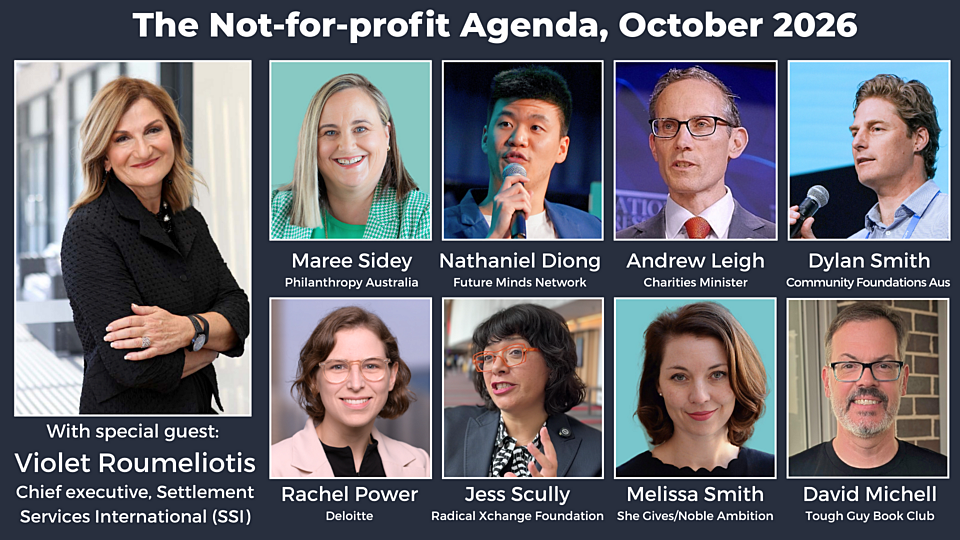
Violet Roumeliotis, the chief executive of Australia’s biggest migrant support organisation, will…