
It’s just not cricket: charities warn cost-of-living pressure is pricing Australians out of vital sport participation
Posted on 11 Nov 2026
The persistent cost-of-living crisis is affecting Australians in many ways, but two charities have…
Posted on 11 Nov 2026
By Nick Place, journalist, Community Directors
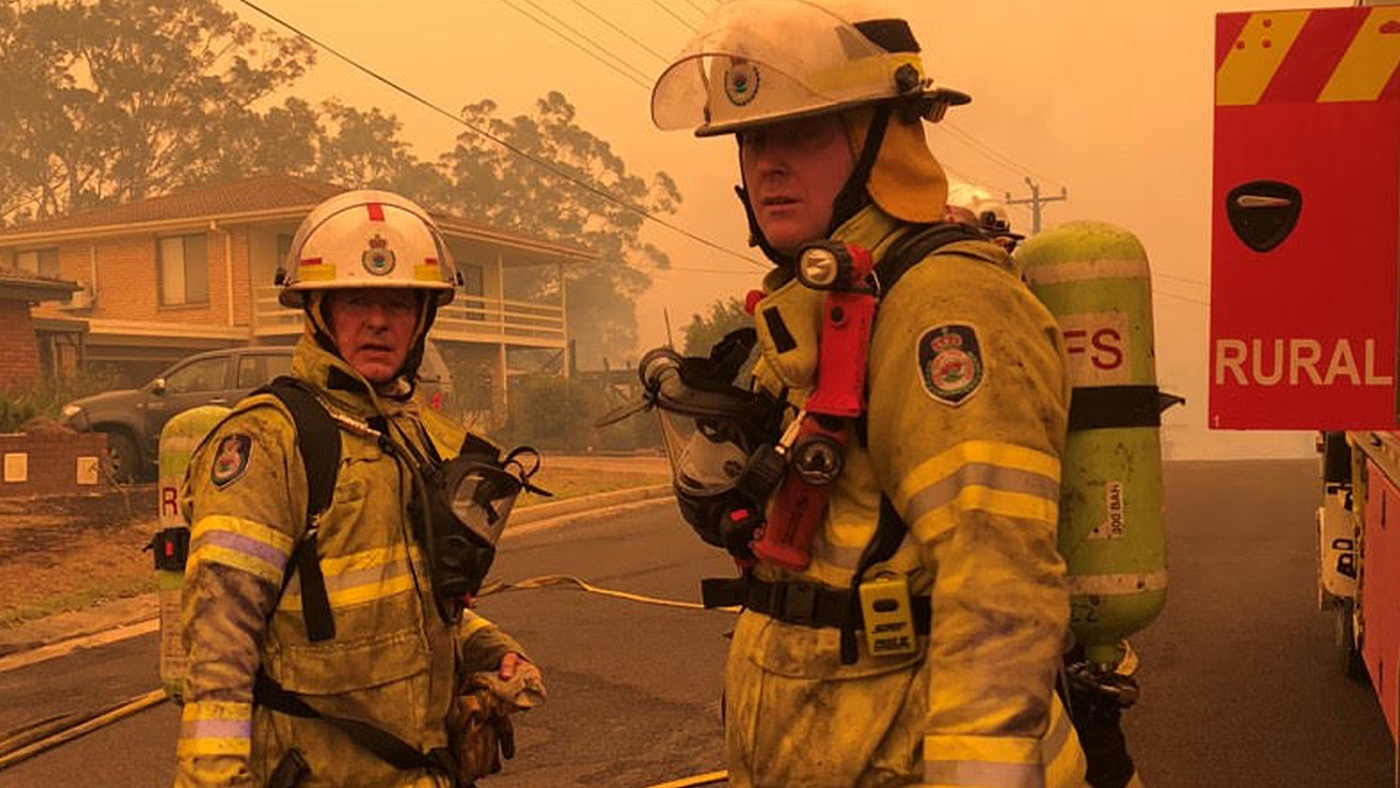
As Australia faces a record-breaking “super” El Niño weather system that has arrived ahead of schedule, charities are warning of potentially catastrophic effects, from increased bushfire threats to food insecurity, higher prices and lost work.
El Niño is part of a natural weather cycle that also has La Niña and neutral phases, and its effects are amplified by climate change. It occurs when sea surface temperatures in the central and eastern Pacific Ocean are warmer than average. Associated in Australia with hotter temperatures across the southern part of the continent, lower rainfall, a risk of drought, and fewer tropical cyclones, El Niño occurs every three to five years, but the current one – projected to last until around April next year – is alarming scientists and weather experts because it is shaping as the most extreme to date.

It arrived more than a month earlier than expected and is already causing warmer conditions than usual, as The Conversation explained.
“Firefighters are heading into this summer with a hotter climate baseline combined with what’s shaping as a record-breaking El Niño: a double act that could seriously increase fire risk in southeastern Australia,” said the founder of Emergency Leaders for Climate Action, and former Commissioner of Fire and Rescue NSW, Greg Mullins.
“What worries me is that the 2027–28 summer could be even hotter,” he said.
Emergency Leaders for Climate Action (ELCA), a project of the Climate Council, is a coalition of former senior fire and emergency services leaders. The group has estimated that bushfires caused by climate change could cost Australia’s economy $6 billion per year ($181 billion over the next 30 years).
Modelling by ConnellGriffin for ELCA estimated that figure by calculating the cost of potential lost productivity, damage to people’s health and wellbeing, and damage to public assets.
The modelling showed that major fire events are now striking every three to four years, as carbon emissions from coal, oil and gas cause worse fire weather, and that fire seasons are 21 per cent longer than they were in 1979.
“Our brigade used to have 48 members. Now it’s around 12, and those left are older. We’re asking an ageing, shrinking rural volunteer force to face more violent fire weather…”
Exhaustion among fire volunteers means there are fewer trained firefighters for these longer seasons, and volunteer numbers dropped by 10,336 between 2019 and 2023–24.
A spokesperson for Farmers for Climate Action, Peter Holding, who farms in Harden, NSW, said, “Our brigade used to have 48 members. Now it’s around 12, and those left are older. We’re asking an ageing, shrinking rural volunteer force to face more violent fire weather, with grass fires travelling faster and less predictably than they did 40 years ago and no one to swap in when a fire drags on. Coal and gas corporations keep adding to the climate pollution making it worse. We can prepare now, or pay far more later.”
Mullins said governments needed to invest now in preparations for increased fire risks, or accept that they would need to pay for huge damage later.
“We’re now in an era where fire seasons are longer and more intense, property losses are growing, and once rare fire-generated storms are six times more common than they were 20 years ago,” Mullins said. “But we know that if we invest in community preparedness, we can reduce misery and loss.”
“Preparing now means building safer homes, stronger community infrastructure, and better resourced fire services.”
Greg Mullins featured in the Community Advocate last year as a “People with Purpose” feature.
Posted on 11 Nov 2026
The persistent cost-of-living crisis is affecting Australians in many ways, but two charities have…

Posted on 11 Nov 2026
The question of what Australia might look like in 2046 – only 20 years away – can cause anxiety and…

Posted on 11 Nov 2026
The Paul Ramsay Foundation has announced $24 million in funding for programs aimed at helping…

Posted on 05 Nov 2026
Mapping Social Cohesion 2026, published today, has found that 48 per cent of Australian adults are…

Posted on 04 Nov 2026
Leading lawyer and anti-racism advocate Mariam Veiszadeh has told a Human Rights Commission…

Posted on 04 Nov 2026
A leading advocate and service provider for new arrivals in Australia has urged the nation’s…

Posted on 04 Nov 2026
As the Scanlon Foundation Research Institute prepared to release its annual social cohesion report…

Posted on 28 Oct 2026
Violet Roumeliotis, the chief executive of Australia’s biggest migrant support organisation, will…
Posted on 21 Oct 2026
Backed by tangible successes and government support, community foundations are gaining momentum as…

Posted on 21 Oct 2026
A national campaign to restore federal funding for Ask Izzy has attracted such strong grassroots…
Posted on 21 Oct 2026
In the wake of an act of violence against federal independent MP Helen Haines, Charities Minister…

Posted on 21 Oct 2026
If your charity takes a stance that happens to align with a political party’s stance in a public…