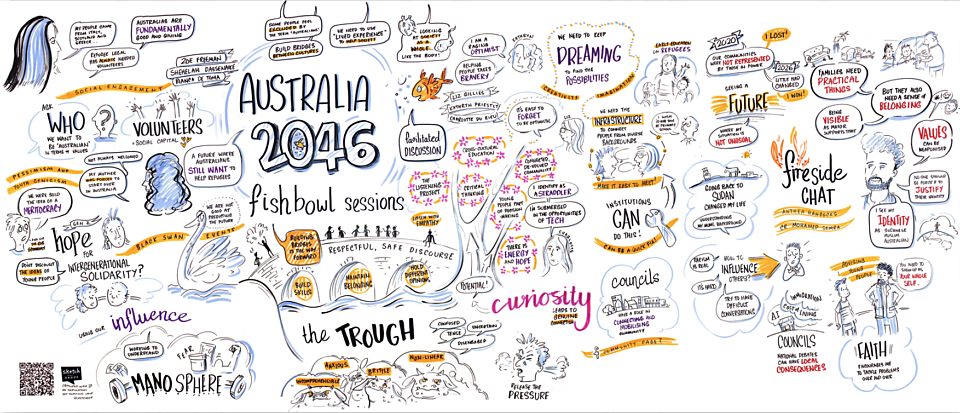
What will Australia be like in 2046? Social cohesion summit pushes past fear to see a better future
Posted on 11 Nov 2026
The question of what Australia might look like in 2046 – only 20 years away – can cause anxiety and…
Posted on 11 Nov 2026
By Nick Place, journalist, Community Directors
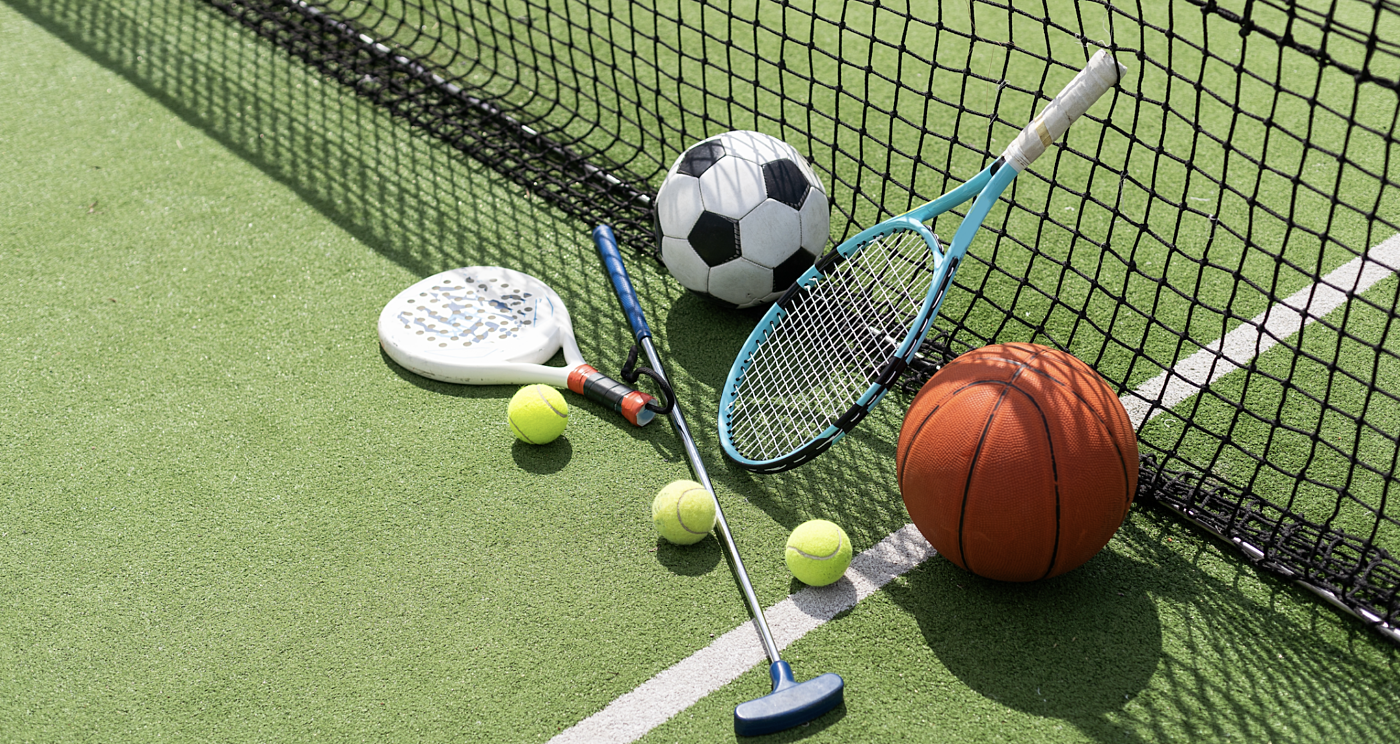
The persistent cost-of-living crisis is affecting Australians in many ways, but two charities have pointed to an overlooked but important casualty: sport.
Reclink Australia is running a campaign to raise funds to provide places in sport and recreation programs for people experiencing disadvantage, allowing them an opportunity to connect, participate and thrive through movement and hopefully by feeling part of a team, or by joining other exercise enthusiasts.
Meanwhile, Good360 Australia has released a new report showing that nearly half of Australians (48 per cent, or 13 million people) have struggled to buy or replace essential equipment for sport or play in the past 12 months because of the cost.
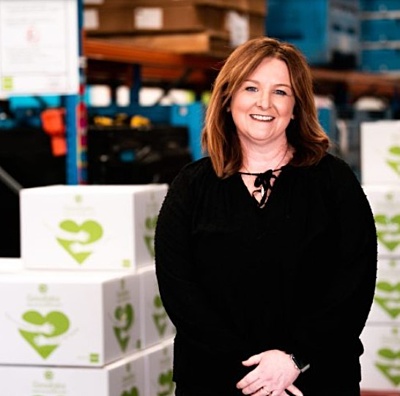
“Sport and recreation isn’t a luxury. It’s a lifeline,” said Reclink Australia CEO Dave Wells.
“When the cost of participation keeps rising, too many people are left on the sidelines,” he said. “For the people we support, sport is about far more than physical activity. It’s an opportunity to build friendships, improve wellbeing and feel part of a community.
“Across Australia, too many people remain marginalised, disconnected and living with the health consequences that come from a lack of activity and social belonging. Our vision is that sport and recreation is accessible for everyone and recognised as an essential service for community wellbeing.”
Good360 Australia said the inability to fund sporting equipment and the wider costs of participation was widespread and affecting the physical health, mental wellbeing and social connection of millions of Australians.
The charity’s report defined “play poverty” as being unable to afford the items needed to play, move or take part in exercise and activities – from sports shoes and gear, uniforms and swimwear to books, art and music items, children’s toys and the cost of joining in.
Play Poverty in Australia 2026 found more than one in eight Australians (13 per cent) reported falling into “play poverty” for the first time this year. Sports shoes, boots and trainers were the items households were most commonly going without because of the cost (19 per cent went without, delayed replacing or couldn’t afford), followed by sports clothing and uniforms (16 per cent), outdoor recreation gear and bikes, scooters and skateboards (13 per cent each) and swimwear and goggles (11 per cent).
In line with higher mortgage repayments, soaring petrol prices and other increased costs of living, Australians feel play poverty is getting worse. Forty-eight per cent of Australians said they believed cost pressures were stopping more children and families from taking part in organised or outdoor activities, up from 36 per cent in 2025.
More than two in five (43 per cent) said Australians were being priced out of sport and outdoor play, up from 34 per cent a year ago, and 27 per cent – or 7.5 million people – said their household’s ability to afford play was worse than it was 12 months ago.
“Play is not a privilege. It is essential to our health, wellbeing and sense of belonging. No Australian should be left on the sidelines because of what they can afford.”
In the report, women, families with children, and young people were all demographics affected by play poverty; renters, culturally and linguistically diverse (CALD) families and Australians living with disability even more so. Aboriginal and Torres Strait Islander people were the most affected group in the survey on nearly every measure.
Those surveyed in New South Wales and Victoria were disproportionately affected compared to residents of other states and territories.
Good360 Australia’s founder and managing director, Alison Covington, said the results should be a wake-up call. “Play is not a luxury,” she said. “Kicking a football, going for a run, riding a bike, swimming at the local pool or pulling on a team jersey is how Australians of all ages stay healthy, make friends and feel part of their community. Our research shows that for millions of households, those simple things are slipping out of reach.
“This is not just a problem for families on the lowest incomes. Play poverty reaches well into middle Australia, and it is impacting women, children, young people and families the most. As we head into summer and the school holidays, too many Australians will be left on the sidelines because they cannot afford the shoes, the swimwear or the fees to take part,” she said.
Of those surveyed, 20 per cent said they had stopped or reduced participation in a sport or activity because of the cost, and 19 per cent reported cutting back on essentials such as food, fuel or utilities to cover play costs.
Eighteen per cent of those surveyed said they had considered asking a charity for help but had not asked.
Good360 Australia is dedicated to sourcing unused or unsold goods from retailers or companies to fill needs in the community.
“Every year, $127 million worth of brand new toys and sporting equipment goes to waste in this country, while millions of Australians go without,” Covington said, quoting Deloitte research. “That is $350,000 of play items wasted every single day, or roughly 3,500 pairs of children’s sports shoes, or 10,000 footballs.
“Play is not a privilege. It is essential to our health, wellbeing and sense of belonging. No Australian should be left on the sidelines because of what they can afford,” she said.
“We’re calling on businesses to donate high demand sporting goods including any surplus, and on Australians to help us get those goods into the hands of people who need them. Together, we can make sure more Australians experience the joy of play this summer,” she said.
Reclink Australia’s campaign is asking 200 people to donate $50 each, aiming to raise $10,000 to fund 600 places in sport and recreation programs for those who can’t afford them.
Reclink cited the story of Pete Simpson, an 81-year-old who found friendship and social connection by joining a Reclink Australia ten-pin bowling program.
“It’s the friendships,” Simpson said. “I look forward to the bowling every fortnight because it gets me out of the house and I’m amongst good company and friends.”
For more information on the Reclink Australia campaign, or to donate, click here: https://fundraise.reclink.org/2026-holiday-appeal or https://reclink.org/
To give sporting goods to Good360 Australia, contact corporatepartnerships@good360.org.au.
To donate to Good360 Australia’s campaign, go to www.good360.org.au/donate-money.
Posted on 11 Nov 2026
The question of what Australia might look like in 2046 – only 20 years away – can cause anxiety and…
Posted on 11 Nov 2026
The Paul Ramsay Foundation has announced $24 million in funding for programs aimed at helping…
Posted on 11 Nov 2026
As Australia faces a record-breaking “super” El Niño weather system that has arrived ahead of…

Posted on 05 Nov 2026
Mapping Social Cohesion 2026, published today, has found that 48 per cent of Australian adults are…

Posted on 04 Nov 2026
Leading lawyer and anti-racism advocate Mariam Veiszadeh has told a Human Rights Commission…
Posted on 04 Nov 2026
A leading advocate and service provider for new arrivals in Australia has urged the nation’s…

Posted on 04 Nov 2026
As the Scanlon Foundation Research Institute prepared to release its annual social cohesion report…

Posted on 28 Oct 2026
Violet Roumeliotis, the chief executive of Australia’s biggest migrant support organisation, will…
Posted on 21 Oct 2026
Backed by tangible successes and government support, community foundations are gaining momentum as…
Posted on 21 Oct 2026
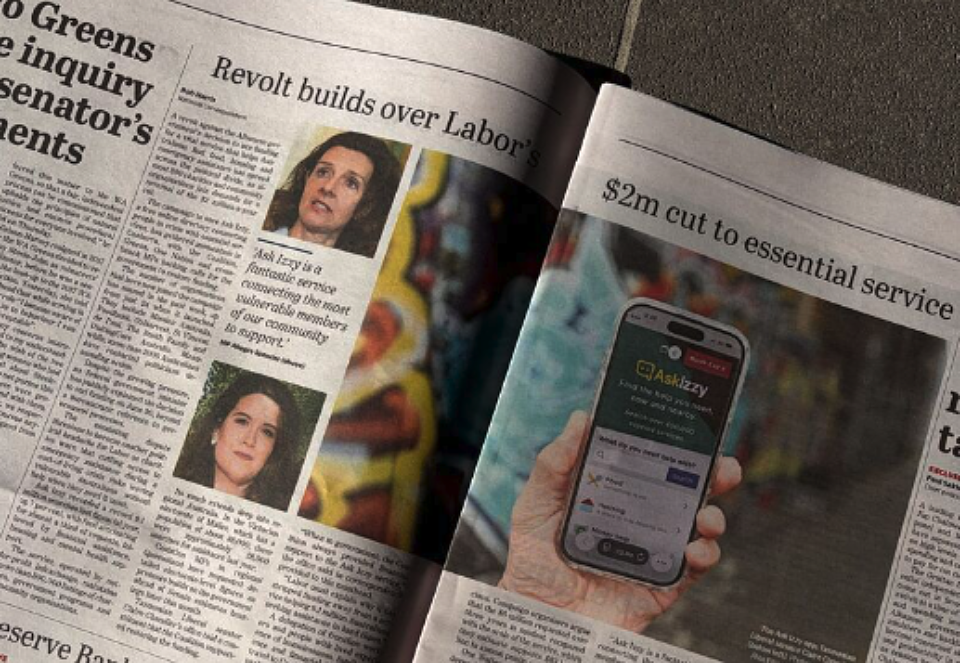
A national campaign to restore federal funding for Ask Izzy has attracted such strong grassroots…
Posted on 21 Oct 2026
In the wake of an act of violence against federal independent MP Helen Haines, Charities Minister…

Posted on 21 Oct 2026
If your charity takes a stance that happens to align with a political party’s stance in a public…