
It’s just not cricket: charities warn cost-of-living pressure is pricing Australians out of vital sport participation
Posted on 11 Nov 2026
The persistent cost-of-living crisis is affecting Australians in many ways, but two charities have…
Posted on 11 Nov 2026
By Nick Place, journalist, Community Directors
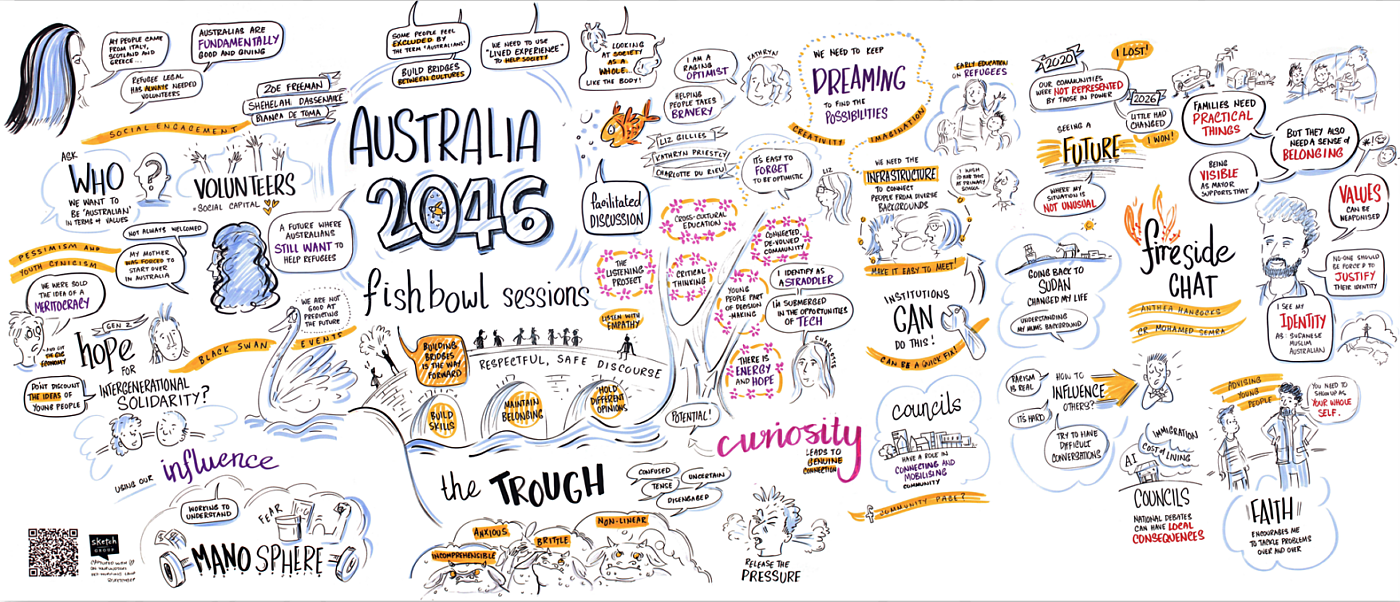
The question of what Australia might look like in 2046 – only 20 years away – can cause anxiety and fear.
When participants in the Scanlon Foundation Research Institute’s annual summit in Melbourne on Thursday last week tried to workshop how the future might look, nobody was talking excitedly about flying cars. Instead, they started by acknowledging their pessimism and concern.
In fact, the mood in the room mirrored the findings of Mapping Social Cohesion 2026, released that morning, which found that 48 per cent of Australians feel pessimistic when they think about Australia’s future.
The Mapping Social Cohesion research report is the institute’s annual barometer of social cohesion in Australia, measuring Australians' sense of belonging, trust, participation in community life and attitudes towards diversity. It was first produced in 2007 and has been published annually since 2009.
Once the summit attendees had acknowledged their fears, they were able not only to sketch a vision of future hope, cohesion and diversity but to formulate plans on how to get there.
One of the panel’s speakers, Charlotte Du Rieu, marketing and communications manager at the Cranlana Centre for Ethical Leadership, told the Community Advocate that she and her fellow presenters had realised they needed to approach the exercise of envisaging the future carefully to make the session successful.
“When planning how we would approach the challenge of imagining Australia in 2046, Liz [Gillies], Kathryn [Priestly] and I agreed we wanted to actively acknowledge the frustrations and fears we knew would be present in the room,” Du Rieu said.
“Doing so allowed the entire room to be more vulnerable in expressing our ideas and hopes, which made for a generative, lively discussion that I am confident will reverberate through each attendee’s respective communities as they go away to consider their role and impact in what’s ahead,” she said.
It made for a hair-raising beginning. Asked by the moderator, Menzies Foundation CEO Liz Gillies, for words that summarised their feelings about 2046, participants came up with “confused”, tense”, “anxious”, “disengaged” and “uncertainty”.
In response, Gillies referred to the BANI framework developed by futurist Jamais Cascio, which characterises an increasingly unpredictable world as brittle, anxious, nonlinear and incomprehensible.
Asked where they hoped the future would lead, the group found a lot more positivity, hoping Australia in 2046 would be “equitable” and have “potential” and “peacefulness”, while offering “belonging” and “security”.
Panellist and market researcher Kathryn Priestly, who described herself as a “raging optimist”, said she understood both the negative and positive stances in the room, and she said the word “brittle” had resonated with her.
“For 20 years, I’ve been speaking to different people and organisations … and I think at the moment what I’m noticing is there is a brittleness to us. There is a real sense of we might shatter if one more thing is flung against our walls or our glass windows.
“I hear [people say that] we are in a bit of a trough, and this trough might be quite long, but I do feel like there’s a collective sense that this trough will end on an up.
“So, I’m optimistic, but I’m also kind of wary about this place we’re in now and how we navigate it together, safely.”
“We are in a bit of a trough, and this trough might be quite long, but I do feel like there’s a collective sense that this trough will end on an up.”
Gillies pushed hard for attendees to come up with tangible ways to get to the future everybody said they wanted, with social cohesion, tolerance, respect for diversity and an ability to better handle divisiveness within the wider society.
In response, they raised the role of the media, the need for more positive narratives and a need for political opponents to be better at hearing one another.
Du Rieu summed up the session, saying, “The discussion yielded ideas for a future where connective and proactive community collaboration is centred and facilitated, the voice of the youth and underrepresented minorities are not just considered but consulted and built into policy, and friction and 'good' conflict becomes essential in gaining the perspective and empathy required for a more cohesive society.”
In an earlier session that also examined what Australia in 2046 might look like, the point was made that humans tend to be terrible at predicting the future, something we should take into account when doom-forecasting.
“The things that we predicted 50 years ago that were going to be the end of the world didn’t happen,” said moderator Zoe Freeman. “Like, overpopulation is actually going the other way.”
That session emphasised the idea of Australia’s multiculturalism as a superpower, not a hindrance as current political debate might have it. Led by Refugee Legal’s Bianca De Toma, and well attended by first- and second-generation migrants, the session heard powerful stories of what migrants and refugees had endured to get to Australia and then build successful lives here. It was pointed out that these are exactly the qualities we all need as we face future challenges.
Panellist Shehelah Dassenaike, project lead at Y Lab, urged the involvement of youth in decision-making and as a resource for innovative and positive thinking regarding a future that, after all, would impact the lives of young Australians more than anybody.
Posted on 11 Nov 2026
The persistent cost-of-living crisis is affecting Australians in many ways, but two charities have…
Posted on 11 Nov 2026
The Paul Ramsay Foundation has announced $24 million in funding for programs aimed at helping…
Posted on 11 Nov 2026
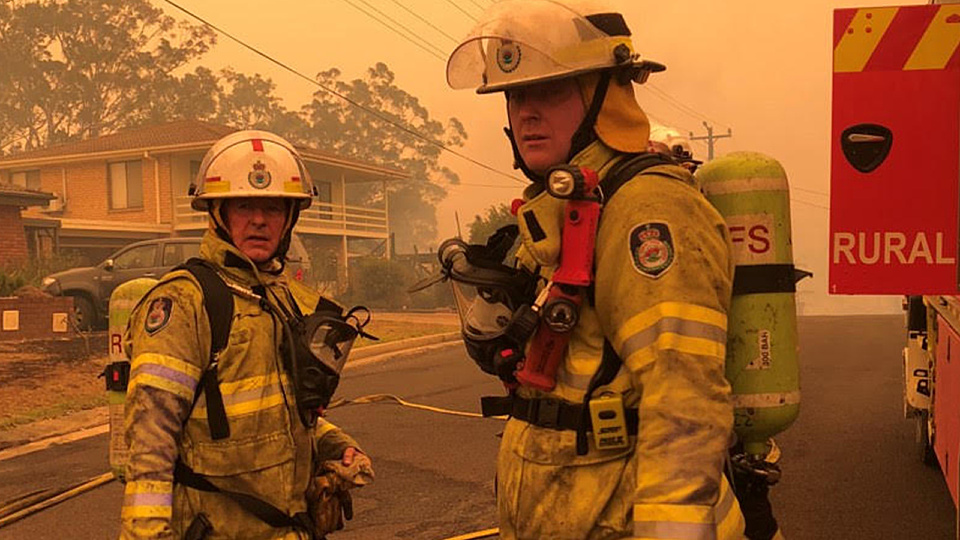
As Australia faces a record-breaking “super” El Niño weather system that has arrived ahead of…

Posted on 05 Nov 2026
Mapping Social Cohesion 2026, published today, has found that 48 per cent of Australian adults are…
Posted on 04 Nov 2026
Leading lawyer and anti-racism advocate Mariam Veiszadeh has told a Human Rights Commission…
Posted on 04 Nov 2026
A leading advocate and service provider for new arrivals in Australia has urged the nation’s…

Posted on 04 Nov 2026
As the Scanlon Foundation Research Institute prepared to release its annual social cohesion report…
Posted on 28 Oct 2026
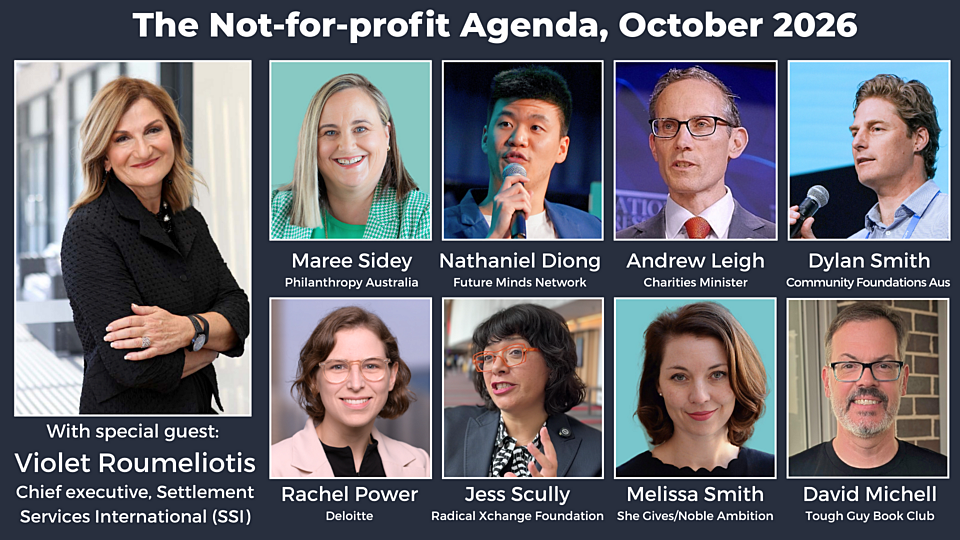
Violet Roumeliotis, the chief executive of Australia’s biggest migrant support organisation, will…
Posted on 21 Oct 2026
Backed by tangible successes and government support, community foundations are gaining momentum as…
Posted on 21 Oct 2026
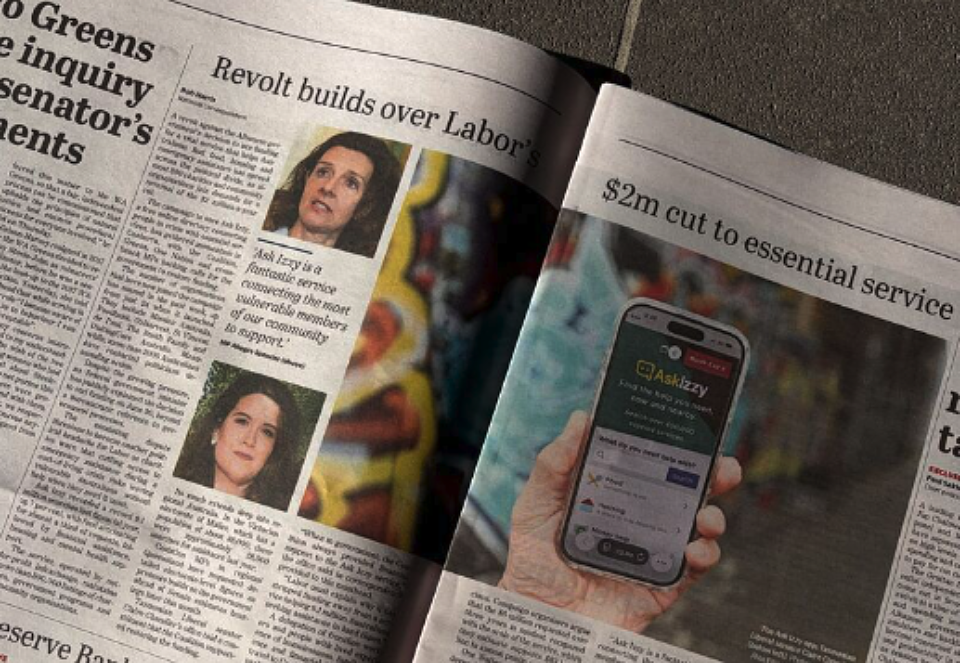
A national campaign to restore federal funding for Ask Izzy has attracted such strong grassroots…
Posted on 21 Oct 2026
In the wake of an act of violence against federal independent MP Helen Haines, Charities Minister…

Posted on 21 Oct 2026
If your charity takes a stance that happens to align with a political party’s stance in a public…