Thousands download ‘Roadmap 2030’ study of NFP governance
Posted on 25 Nov 2026
Community Directors’ wide-ranging investigation into governance challenges for the not-for-profit…
Posted on 25 Nov 2026
By Nick Place, journalist, Community Directors
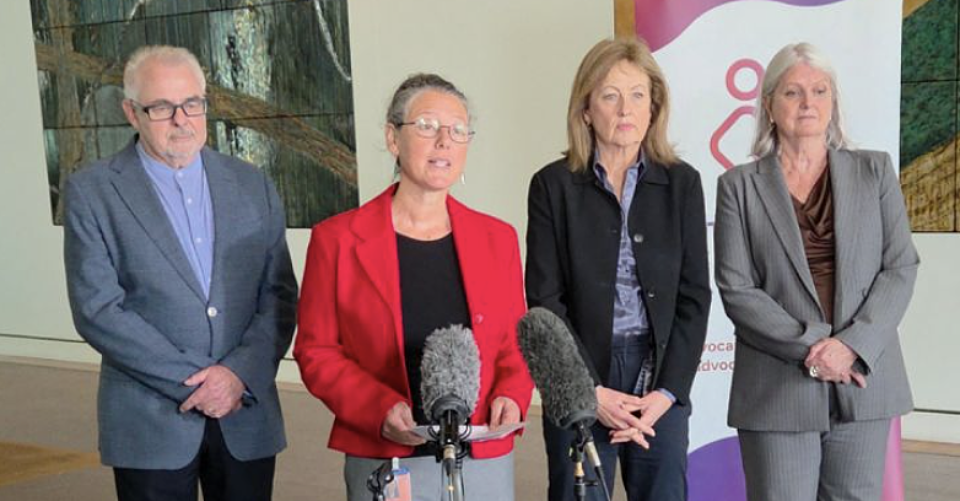
Almost 80 charities and peak bodies have accused the Albanese government of breaking a promise to reverse restrictions on charities’ use of untied funding for election-related advocacy.
At a press conference in Canberra on Monday, Australian Democracy Network CEO Saffron Zomer said the government had reneged on its promise to amend electoral reforms passed in February last year that included the new restrictions, due to come into effect on January 1, 2027.
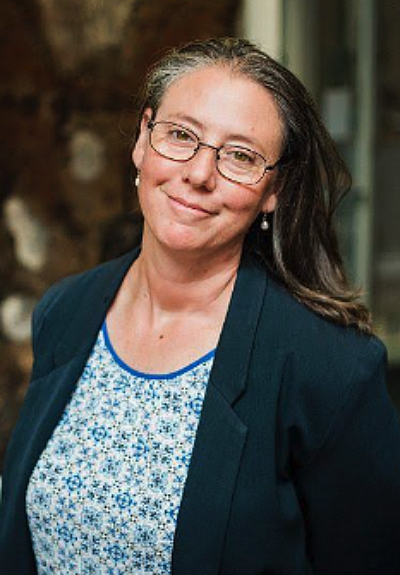
The Australian Democracy Network had initially believed that the restrictions on charities’ ability to use core funding to advocate about issues related to their charitable purpose were an unintended consequence of the reforms.
An open letter signed at the time by 40 organisations prompted the government to agree to fix the issue, andnegotiations had continued in good faith since.
However, a “clean-up” bill passed by parliament last week failed to remove the restrictions, prompting a strong reaction from the sector.
A new open letter coordinated by the Stronger Charities Alliance, part of the Australian Democracy Network, has been signed by 79 charities and peak bodies.
“We appreciate the government’s good-faith engagement with us over the last couple of years, including your previous commitment to resolve the issue,” the letter said. “It is disconcerting that the amendment bill currently before Parliament does not do so.”
“Charities will have to spend significant resources creating and undoing compliance systems if this is not fixed within this last sitting fortnight and is deferred until after the new funding and disclosure scheme comes into effect on 1 Jan 2027,” it said.
The government has yet to respond to the letter or demands to change the bill, according to a spokesman for the Australian Democracy Network.
Speaking at Monday’s press conference, Zomer said the restriction on charities being able to advocate would have real implications “for our sector, for elections and for democracy.”
“Our charities are hearing from people who can’t pay their rent, who can’t access services, and those stories really need to be told during election times,” she said.
“We also play a critical translation function, helping people understand what election debates and promises mean for all our lives, so that people can cast informed votes and hold governments to account.
“Importantly, we are the only third parties who are going to face this restriction. Business bodies and industry groups won't be impacted in the same way. The government has created this problem, and it promised charities that it would fix it.”
Flanking Zomer at the press conference were David Crosbie from the Community Council for Australia, Cassandra Goldie from the Australian Council of Social Service (ACOSS), and Rose Beynon, national director of policy and research at St Vincent de Paul Society.
“I’m here with my charity colleagues again because, although we’ve been listened to, we’ve been ignored and dismissed again in the making of policy and administration in this country,” Crosbie said.
“We haven’t got millions of dollars to spend on ex-government ministers, or millions of dollars to give to political parties, and it feels like our issues and our concerns don’t count with the government in the same way.
“So what has happened is that we’ll now have laws that are unworkable. Charities like Save the Children will keep looking after children and advocating for their safety. Charities like the RSPCA will still advocate for animal welfare, and Physical Disability Australia will still advocate for people who have disabilities.
“But it's made incredibly difficult because of the way those laws have been drafted. We need the government to fix it, to actually allow charities to do their work, to advocate for the policies they believe in, and to enable Australia to be a truly democratic society in which the collective voices of people in the community are heard and listened to, not only outside election periods, but through election periods.”
“The government has created this problem, and it promised charities that it would fix it.”
Goldie said community organisations and charities were unique in that they spoke in the public interest and were required by electoral laws to advocate in line with their charitable purpose.
“We are one of the most trusted voices in the Australian community, helping to support the interests of those who are the least powerful to be heard and properly considered in election debates,” she said.
“ACOSS and many of our members have been such an important part of the fabric of Australia’s democracy, helping to bring facts into public debate, helping to tell the stories of those who do not get heard, helping to support people whose voices are some of the quietest, typically, and least resourced, to finally be heard in the context of an election.
“When the Australian community is trying to decide what the issues are and what needs to be done about them, it is absolutely essential that we ensure the voices of charity and community organisations in Australia are able to participate in election debate.”
Goldie added that at a time when democracy was under threat in Australia and globally, and misinformation and disinformation were rife during election cycles, the ability of charities to tell genuine human stories was essential.
“This is the time when the electoral laws need to be fixed, to ensure that the trusted voices of charities and community organisations are front and centre in public debate in the context of elections, to ensure that we are strengthening the health of our democracy, not weakening it,” she said.
Beynon said St Vincent de Paul Society did not exist only to help feed and support disadvantaged Australians, but to advocate on their behalf.
“Advocacy is a core value of the Society, and our governing documents require us to address the root causes of poverty,” she said.
“This means that we have a responsibility to tell governments what we see and what needs to change. During an election, voters are making decisions about what action they’ll take on important issues like the cost of living.
“It is during this period that we really need to be able to speak to them, to tell them what's happening to individuals and families,” she said. “The government promised to fix this. It needs to act now. “Families are still struggling, and the charities need to be able to speak on their behalf.”
A spokesperson for the Australian Democracy Network said there was no timeline on a government response and the network would continue to work in good faith with the government to repair the issue.
But Zomer took a different tone.
“The government has walked away from our sector,” she said. “We’re here to ask the government to honour its promise and fix these rules before they go into effect.”
Posted on 25 Nov 2026
Community Directors’ wide-ranging investigation into governance challenges for the not-for-profit…

Posted on 25 Nov 2026
Not-for-profits have become more adept, sophisticated and confident in their use of technology and…

Posted on 18 Nov 2026
Charity and not-for-profit workers across six countries, including Australia, are being asked to…

Posted on 18 Nov 2026
A commitment to creating conditions in which philanthropy and charities can thrive is behind…

Posted on 18 Nov 2026
What do Lifeline WA, 7-Eleven’s support office, Paramount Australia and New Zealand, the Port of…

Posted on 18 Nov 2026
A new and free-to-join Not-for-profit Cyber Uplift community forum created by the federal…

Posted on 11 Nov 2026
The persistent cost-of-living crisis is affecting Australians in many ways, but two charities have…
Posted on 11 Nov 2026
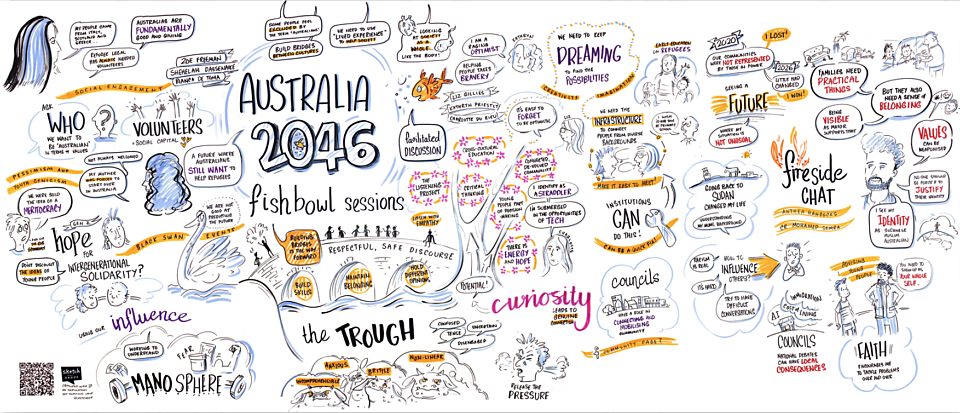
The question of what Australia might look like in 2046 – only 20 years away – can cause anxiety and…

Posted on 11 Nov 2026
The Paul Ramsay Foundation has announced $24 million in funding for programs aimed at helping…
Posted on 11 Nov 2026
As Australia faces a record-breaking “super” El Niño weather system that has arrived ahead of…

Posted on 05 Nov 2026
Mapping Social Cohesion 2026, published today, has found that 48 per cent of Australian adults are…

Posted on 04 Nov 2026
Leading lawyer and anti-racism advocate Mariam Veiszadeh has told a Human Rights Commission…