
Billion-dollar community funding pool is making a difference
Posted on 21 Oct 2026
Backed by tangible successes and government support, community foundations are gaining momentum as…
Posted on 11 Nov 2025
By Nick Place, journalist, Community Directors

Thousands of not-for-profit organisations are being held back by an outdated, rigid and complicated DGR status system, and it’s time for change, says Justice Connect.
The community law champions, backed by Minderoo Foundation, have launched a new campaign, Unlock DGR, to demand changes to the system.
Justice Connect says more than half of Australia’s 60,000 registered charities cannot receive tax-deductible donations because they either don’t qualify or have been unable to achieve Deductible Gift Recipient (DGR) status, which improves access to donations, philanthropy and community funding.
It is calling for changes to the DGR system to foster more sustainable charities, to achieve greater impact in communities, to unlock philanthropic and new funding streams, to assist the federal government’s goal of doubling giving by 2030, and to cut red tape, making it easier for charities and regulators when it comes to the difficult governance of DGR applications and management.

“Australia’s charity sector is being held back by a tax system that hasn’t kept up with how charities actually work,” said Chris Povey, CEO of Justice Connect.
“The DGR system is outdated, overly complex, and unfair. It locks out small and emerging charities that are doing critical work on the frontlines of community need.
“By modernising and simplifying the DGR system, we can unlock the full potential of our vibrant charity sector, powering new opportunities for giving, innovation and impact.”
The Unlock DGR campaign highlights the fact that the DGR system has grown, often haphazardly, for more than a century, while reviews have been calling for changes for more than three decades – all the way back to the former Industry Commission’s 1995 report Charitable Organisations in Australia.
Application requirements are so complex and demanding that many smaller charities have no way of affording the legal or administrative support required to successfully meet them, locking them out of crucial potential funding, Justice Connect said.
“With over 12 years’ experience working alongside tens of thousands of charities nationwide, we’ve seen firsthand that access to DGR status continues to be one of the most misunderstood and resource-intensive areas of the tax system for charities,” said Geraldine Menere, head of Not-for-profit law at Justice Connect.
“Charities are facing unprecedented pressure, from the cost-of-living crisis to climate-fuelled disasters.
“As community needs continue to grow, many charities are being asked to do more with less. They’re taking on new responsibilities without the financial support to match. Now is the time to unlock opportunity, giving, and community impact by expanding access to DGR status so more charities can sustain their vital work.”
A key plank of the Unlock DGR campaign is that the solution is in plain sight, Justice Connect says, citing the Productivity Commission’s 2024 Future Foundations for Giving report as outlining “a clear, evidence-based roadmap for reform that would make most charities eligible for DGR endorsement”.
Justice Connect also pointed to last year’s Not-for-profit Sector Development Blueprint and several Productivity Commission reports that Justice Connect believes have all identified DGR reform as essential to a “more equitable and productive charity sector”.
“The DGR system is outdated, overly complex, and unfair. It locks out small and emerging charities that are doing critical work on the frontlines of community need.”
A spokesperson for the Australian Charities and Not-for-profits Commission (ACNC) said while the Australian Taxation Office was responsible for endorsing organisations as DGRs, the ACNC was aware of the Justice Connect campaign and understood how important DGR was for the charity and NFP sector.

“We have guidance on the ACNC website which outlines information relating to eligibility for DGR endorsement,” the spokesperson said. “Information about the different DGR categories and the specific requirements for each is available on the ATO website.”
The ACNC made a submission to last year’s Productivity Commission inquiry into philanthropy in which it estimated that extending the eligibility for DGR status to most classes of charitable activities would see an increase in the number of DGR-registered organisations from 25,000 to anywhere between 35,000 and 40,000, even before other currently unregistered charitable entities sought registration in pursuit of DGR status.
Coincidentally, Charities Minister Andrew Leigh toured the ACNC office in Melbourne on Friday, and spoke at an all-staff meeting, where he discussed the essential foundations of community work within the sector and touched on DGR.
“Since coming into government in 2022, we have worked to strengthen those foundations,” he said. “We have improved the deductible gift recipient system so community foundations, the backbone of local philanthropy, can now access tax-deductible status through a clear new pathway.
“We have streamlined the deductible gift recipient application process for environmental organisations, harm-prevention charities, cultural bodies and overseas aid groups. That means less red tape for the organisations delivering frontline work,” he said.
Geraldine Menere believes more could be done.
“We’re ready to work with government, philanthropy and the sector to make the DGR system fairer, simpler, and future-ready", she said.
Posted on 21 Oct 2026
Backed by tangible successes and government support, community foundations are gaining momentum as…

Posted on 21 Oct 2026
A national campaign to restore federal funding for Ask Izzy has attracted such strong grassroots…
Posted on 21 Oct 2026
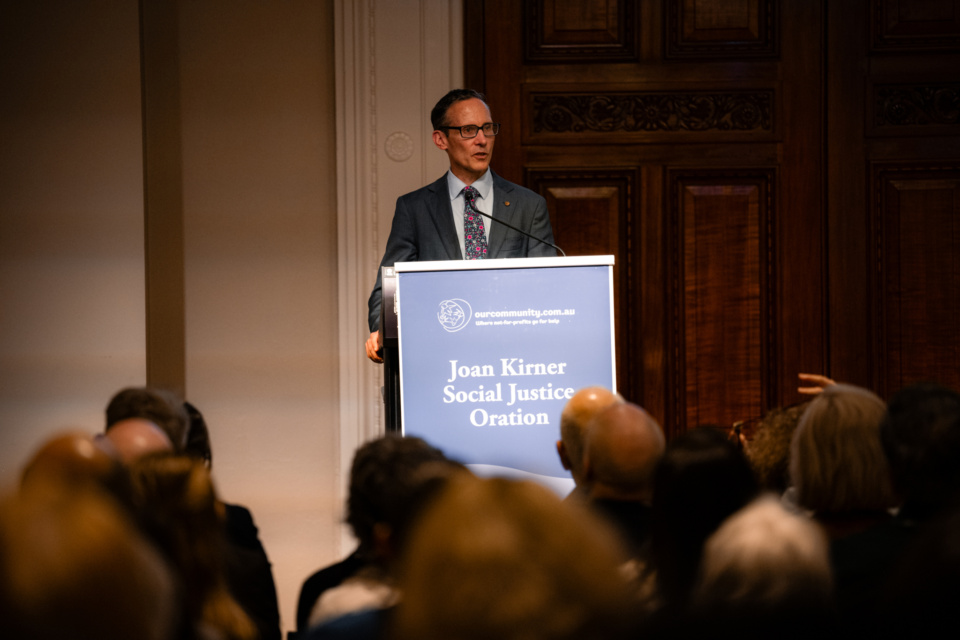
In the wake of an act of violence against federal independent MP Helen Haines, Charities Minister…

Posted on 21 Oct 2026
If your charity takes a stance that happens to align with a political party’s stance in a public…

Posted on 14 Oct 2026
The federal government’s special envoy for social housing and homelessness, Josh Burns MP, has…

Posted on 14 Oct 2026
The Reserve Bank’s move to ban card payment surcharges has led to complications for charities and…

Posted on 14 Oct 2026
A special guest with her finger on the pulse of one of the biggest issues facing Australia –…

Posted on 07 Oct 2026
A major public campaign launched this morning is calling on the federal government to restore…
Posted on 07 Oct 2026
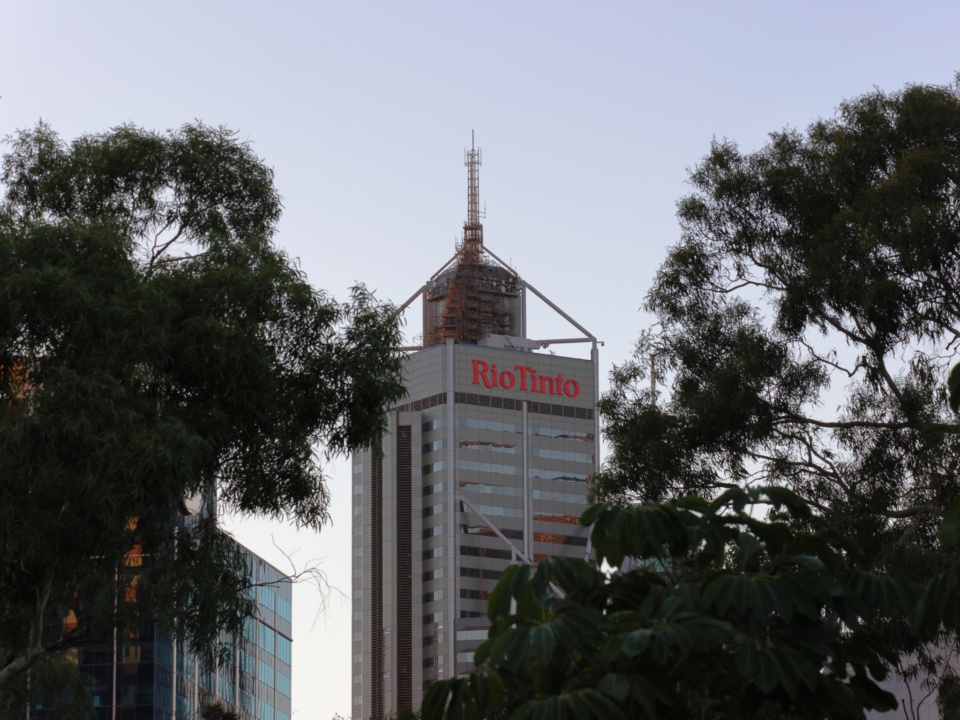
The Australian Literacy & Numeracy Foundation (ALNF) has announced a partnership with mining…

Posted on 07 Oct 2026
A conference in Darwin will this morning hear detailed, strategic plans for how Australia could…

Posted on 30 Sep 2026
Not-for-profit leaders have been warned to be wary of approaches from potential “funding partners”…
Posted on 30 Sep 2026
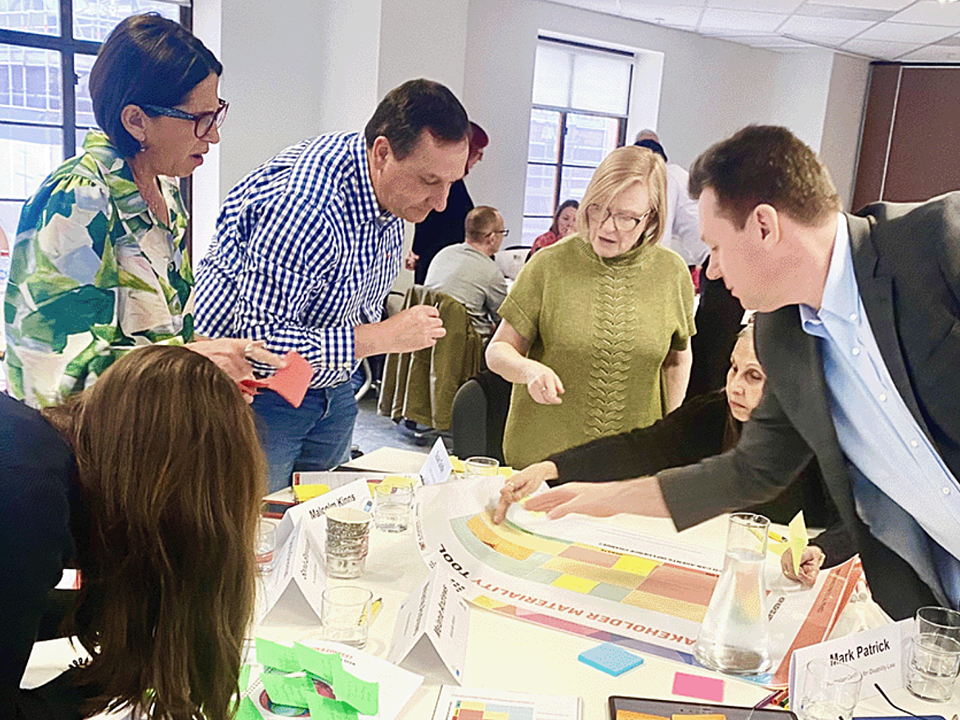
More than 200 fully funded Centre for Social Impact (CSI) scholarships will help equip for-purpose…