Billion-dollar community funding pool is making a difference
Posted on 21 Oct 2026
Backed by tangible successes and government support, community foundations are gaining momentum as…
Posted on 30 Sep 2025
By Nick Place, journalist, Community Directors
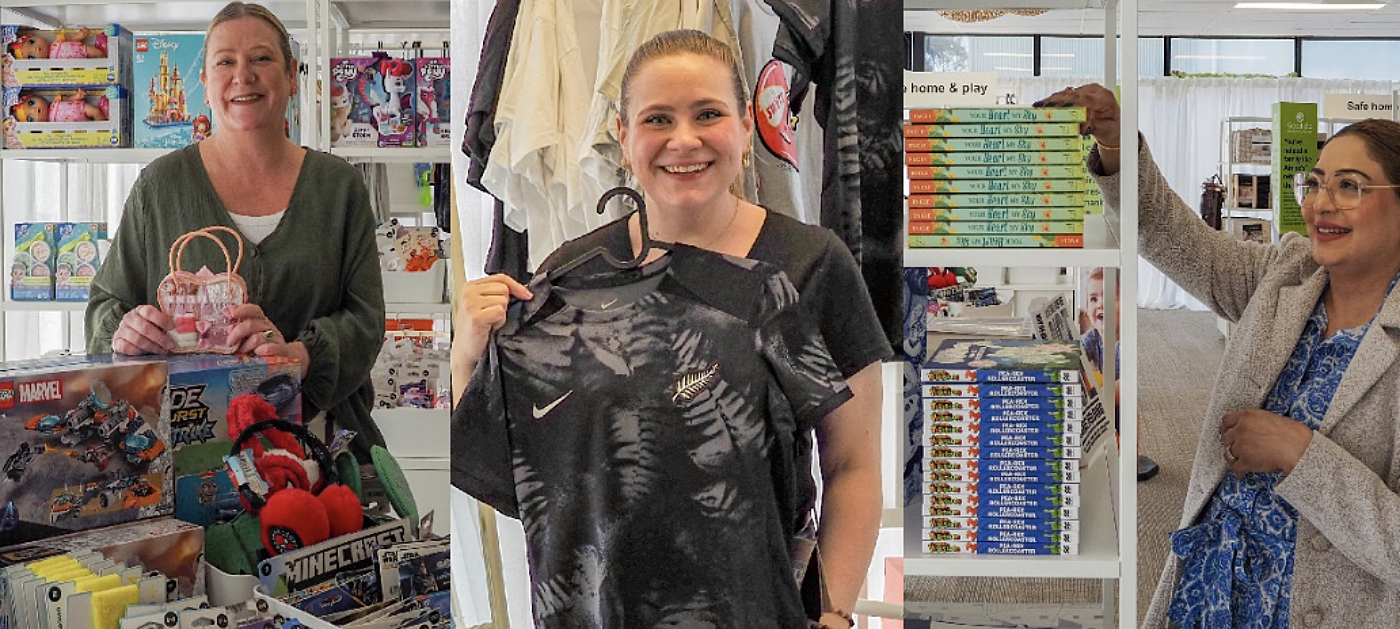
It’s getting worse, not better. Good360, a national charity devoted to connecting unused and unsold goods to people in need, says its latest research shows that a growing number of charities cannot source enough donated items to meet the demand for essential goods.
Good 360’s Communities in Need report found that 69 per cent of the 400-plus charities and disadvantaged schools surveyed across Australia did not have enough donated items to meet needs in their community. This was up by 4 per centage points on the year before.
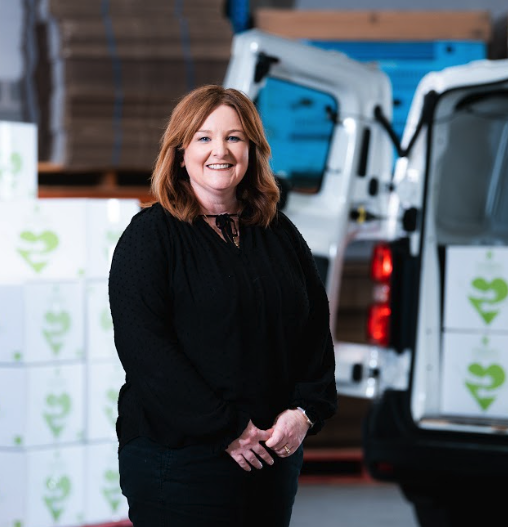
The founder and managing director of Good360, Alison Covington, said the report highlighted the growing and structural challenge of non-food aid. “While some indicators might suggest that the cost-of-living crisis may be easing, charities paint a very different picture,” she said. “The reality is that demand on charities is rising. Australia’s cost-of-living crisis is becoming a permanent, structural challenge that requires smart and sustainable long-term solutions.”
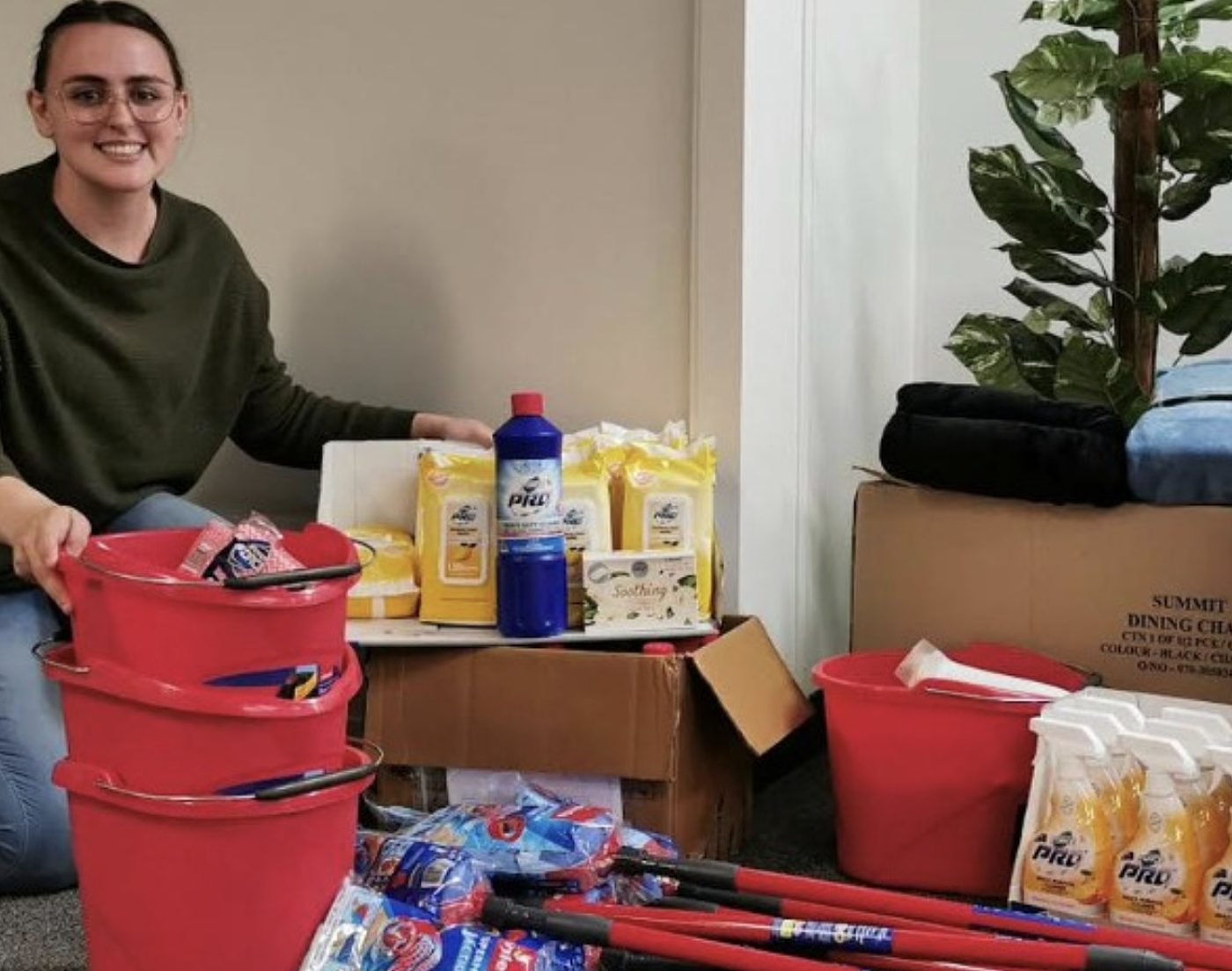
Communities in Need found that personal hygiene and cleaning products were the most in-demand category, requested by 78 per cent of people seeking non-food aid, slightly up on last year. This ties in with earlier research by Good360, in August, that revealed the hidden crisis of “hygiene poverty”.
Clothing and education items were also highly sought after, according to the Communities in Need report, as were digital devices, with demand up by 6 per centage points to 48 per cent.
Speaking to the Advocate, Covington said, “What happens if you don't have access to a computer and data? How do you live in our world today? Let me take your phone off you for 24 hours or a week and see how far you can get in society without that. But we have one in four Australians who don’t have access to digital data. How are they going to move forward when government’s changing so many policies about the way you access services, but one in four people are unable to access the service?”
The number of charities and schools contacting Good360 for help in sourcing essential non-food items was up 15 per centage points on 2024’s report, even though the value of donated new items distributed by the charity, at $60.5 million, was level with the previous year’s.
“Behind those numbers are families going without basic hygiene products, children without essential school supplies, and elderly Australians facing hardship for the first time,” Covington said. “This is not the Australia we should accept in 2025.”
Good360’s research found that 84 per cent of surveyed charities believed governments could be doing more to improve access to non-food aid, while 83 per cent said retailers and businesses could do more by donating excess or unsold goods.
“Meeting this challenge takes more than goodwill, it requires smart solutions and collective action from government, business and community,” Covington said.
“Behind [the] numbers are families going without basic hygiene products, children without essential school supplies, and elderly Australians facing hardship for the first time. This is not the Australia we should accept in 2025.”
She knows where her charity fits into that picture. While Good360 has distributed more than $500 million worth of unused or unsold items since being founded a decade ago, Covington’s five-year plan is much more ambitious.
“We’ve made a commitment that by 2030 we want to be doing $500 million every year to support the community, so we’ve got a bit of growing to do. Good luck, a bit of a stretch target! We’ve put ourselves out there on the basis that $4.5 billion (in unused or unsold non-food items) goes to waste every year. I’ve told the team we are a bunch of underachievers, and we need to do $500 million every year by 2030.
“That seems like such a big number that we’re going to do, but as part of the addressable market, it’s still not much, is it? Especially considering the percentage of charities that are still not getting enough goods, and the number of Australians who need them. Why are we letting that [$4.5 billion in goods] go to waste when you can see the numbers, how many charities are saying that they don’t have enough donated goods for their community? They think it’s going to be tougher every year, so we are going to work harder to get more of those goods to them.”
Part of Good360’s challenge, if it is to hit that 2030 target, is raising its profile. It has more than 600 partners donating goods but needs more.
“A lot of businesses don’t even know Good360 exists,” she admitted. “The waste is a dirty little secret for businesses: items are on sale and then everybody assumes that it just got sold, whereas food waste is much more visual. Governments have bigger advertising campaigns to say, let’s not waste food. But nobody is saying, let’s not waste toiletries that are short dated.”
Covington said it was vital that the data in Good360’s research started to shift, as her organisation made a bigger impact.
“We release lots of reports, but we’re actually about making tangible differences,” she said. “This is the second year of releasing this report and the data looks the same, if not worse. We can’t keep releasing these reports without doing something about the data. I’m so passionate about the fact that government has one-in-eight statistics of people living in poverty, one-in-four in ‘digital divide’. They’re not doing anything about changing those numbers, whereas I will change those numbers by doing things that are different, like our first Community Hub.”
That Community Hub is a newly created space and community store in western Sydney where people in need, accompanied by a charity community worker, can access free essential goods in a “dignified, retail-like environment”.
“The Good360 Community Hub is more than a new space. It marks a new way of reaching and supporting Australians in need, transforming how the essential items people need to thrive are delivered. It is a place where people doing it tough, supported by a charity worker, can choose what they need in a setting that provides dignity, comfort and a sense of belonging,” Covington said.
“It is also a milestone for Good360 Australia. For the first time, we are creating spaces where charities, donors and communities can come together to reduce need and waste. With the generous support of IKEA and our partners, we plan to expand this model nationwide, with at least one Community Hub established in every state and territory.”
Posted on 21 Oct 2026
Backed by tangible successes and government support, community foundations are gaining momentum as…
Posted on 21 Oct 2026
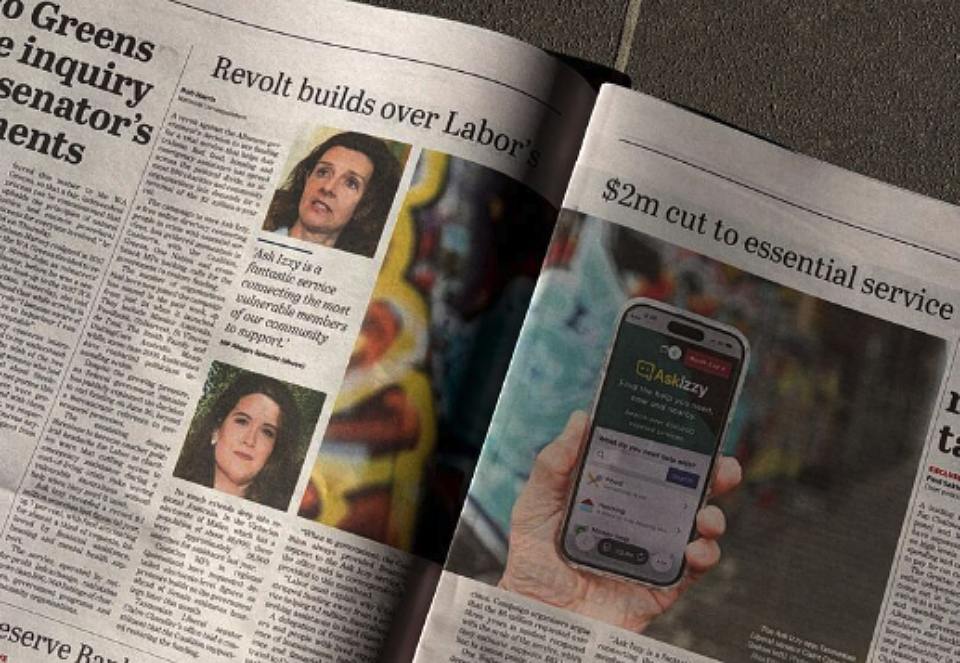
A national campaign to restore federal funding for Ask Izzy has attracted such strong grassroots…

Posted on 21 Oct 2026
In the wake of an act of violence against federal independent MP Helen Haines, Charities Minister…

Posted on 21 Oct 2026
If your charity takes a stance that happens to align with a political party’s stance in a public…

Posted on 14 Oct 2026
The federal government’s special envoy for social housing and homelessness, Josh Burns MP, has…

Posted on 14 Oct 2026
The Reserve Bank’s move to ban card payment surcharges has led to complications for charities and…

Posted on 14 Oct 2026
A special guest with her finger on the pulse of one of the biggest issues facing Australia –…

Posted on 07 Oct 2026
A major public campaign launched this morning is calling on the federal government to restore…
Posted on 07 Oct 2026
The Australian Literacy & Numeracy Foundation (ALNF) has announced a partnership with mining…
Posted on 07 Oct 2026
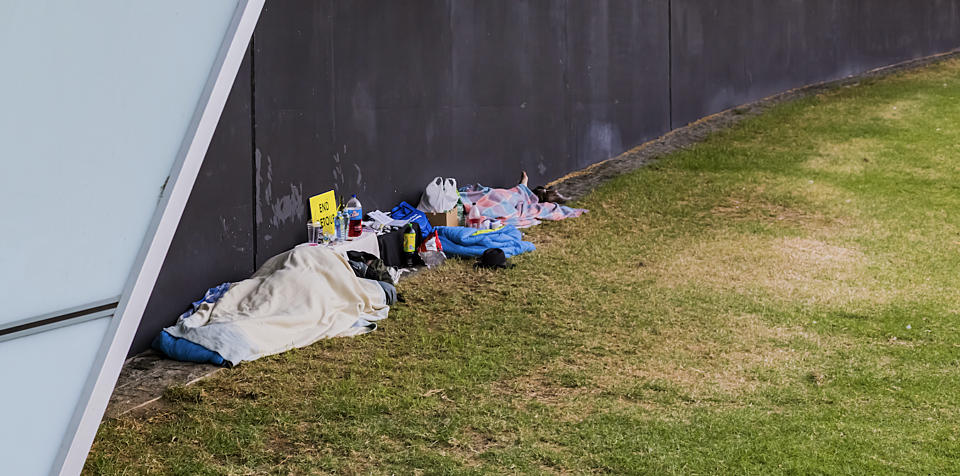
A conference in Darwin will this morning hear detailed, strategic plans for how Australia could…

Posted on 30 Sep 2026
Not-for-profit leaders have been warned to be wary of approaches from potential “funding partners”…
Posted on 30 Sep 2026
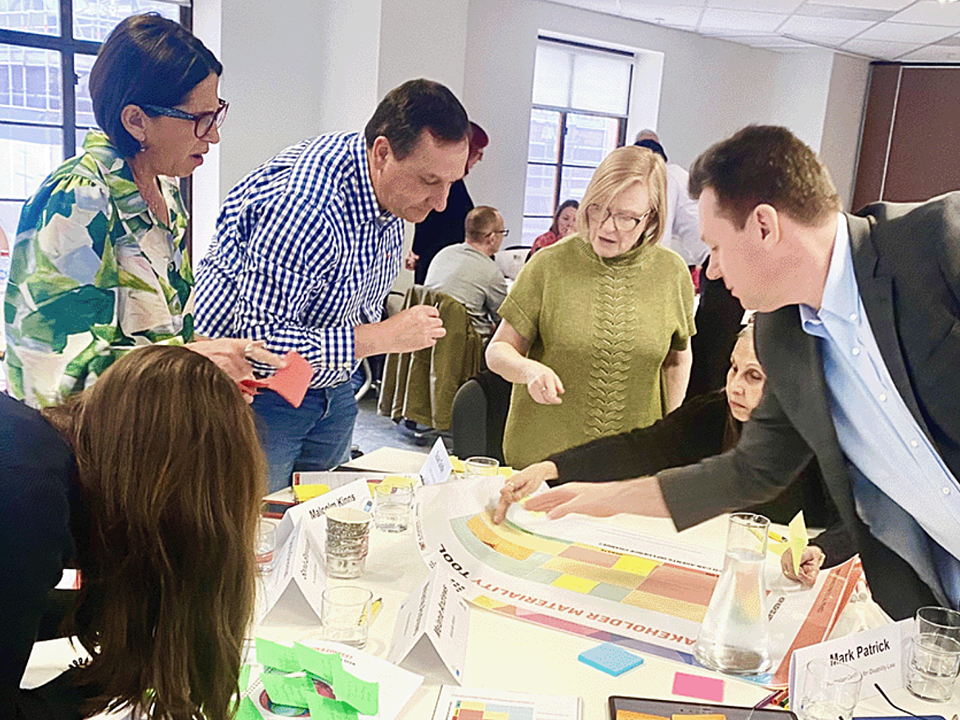
More than 200 fully funded Centre for Social Impact (CSI) scholarships will help equip for-purpose…