Billion-dollar community funding pool is making a difference
Posted on 21 Oct 2026
Backed by tangible successes and government support, community foundations are gaining momentum as…
Posted on 16 Sep 2026
By Nick Place, journalist, Community Directors
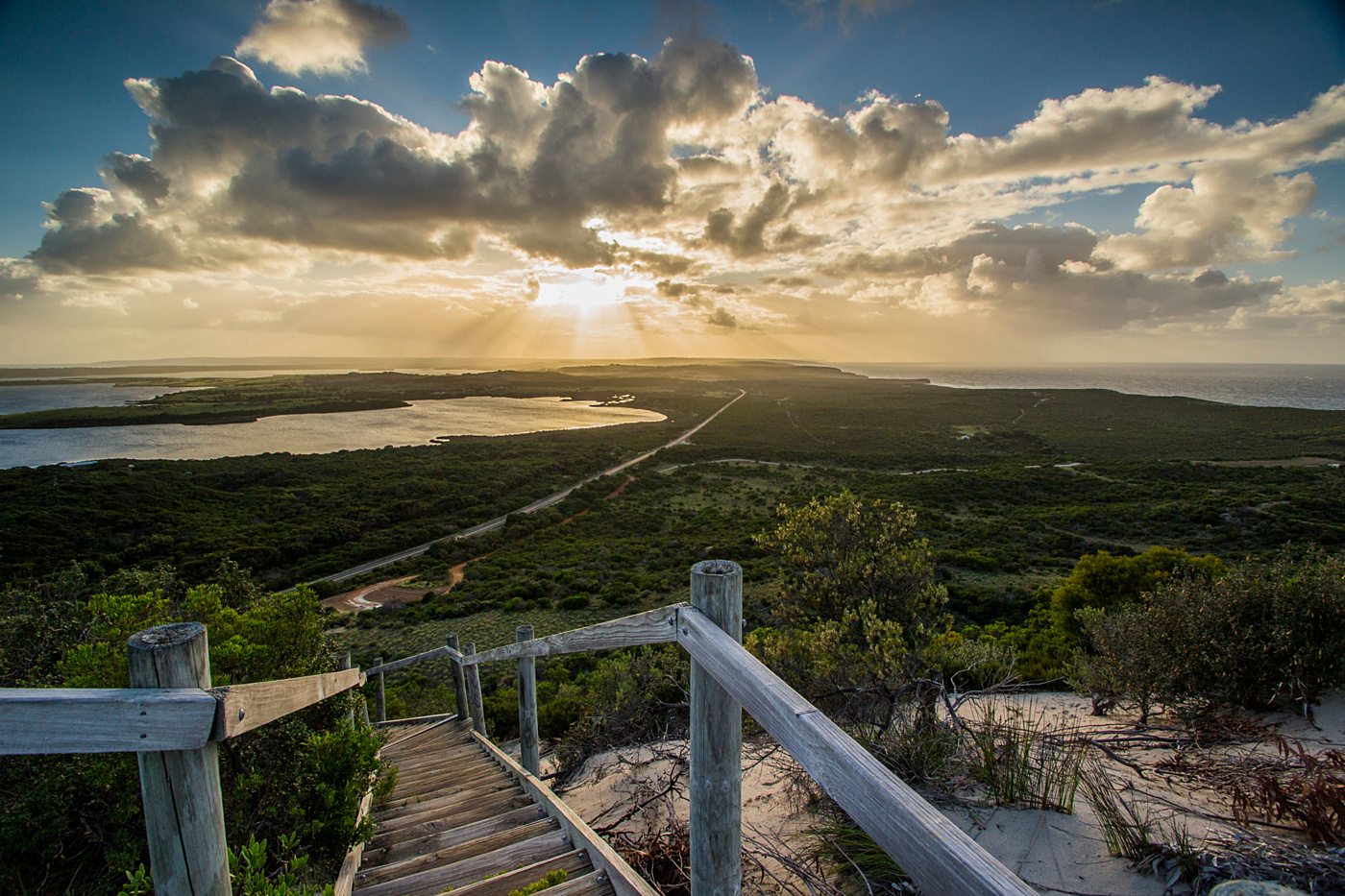
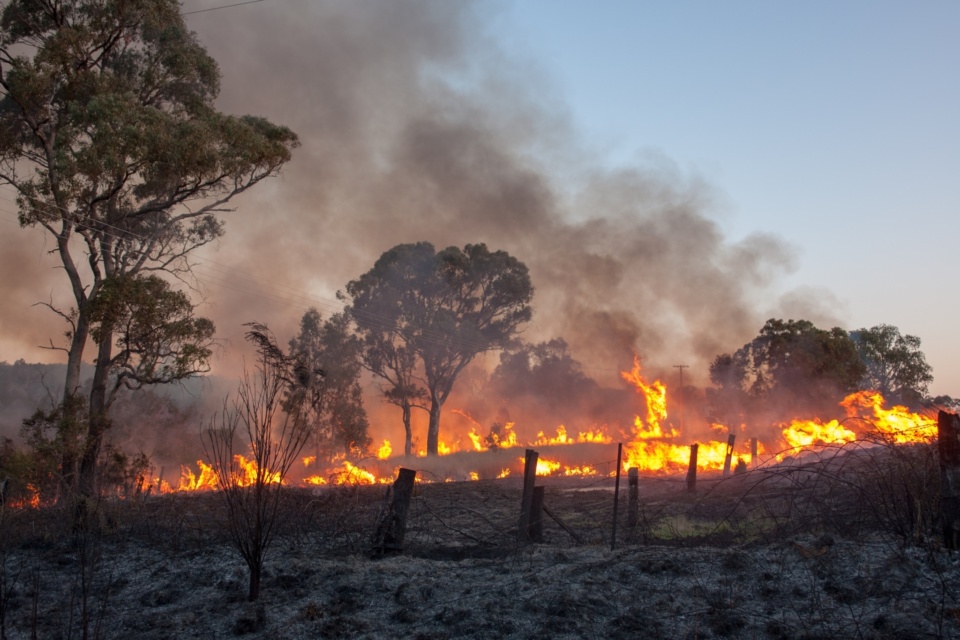
Tourism is a large source of income for Kangaroo Island, 210 km south-west of Adelaide, but the marketing campaign probably shouldn’t involve the word “lucky”. So far this decade, the island has endured a catastrophic bushfire, the covid pandemic, a drought, a devastating algal bloom outbreak, and now bird flu.
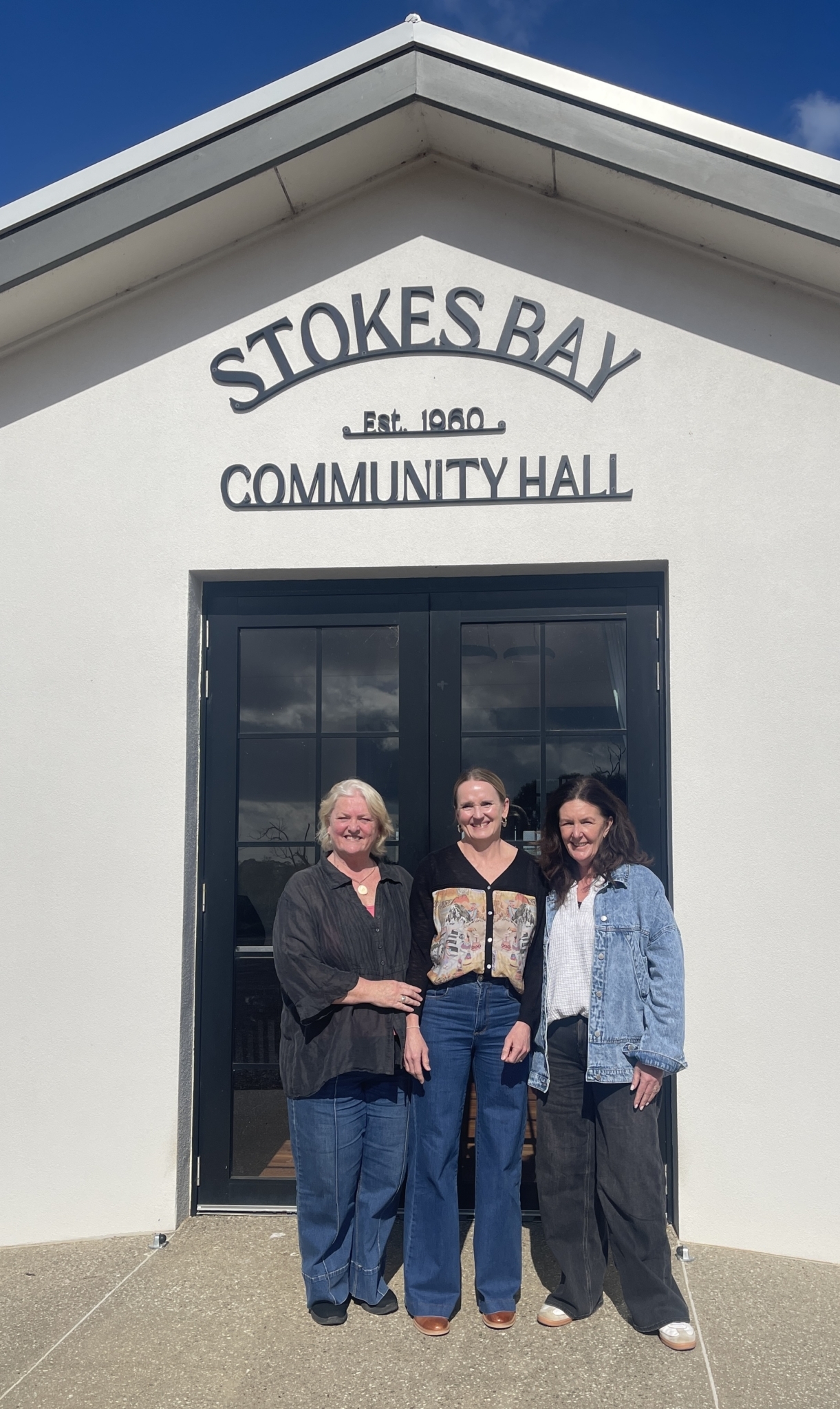
It would be easy for the island’s permanent population of roughly 4800 to break under these waves of natural and economic disasters, but resident and Kangaroo Island Community Centre (KICC) leader Maree Baldwin says that hasn’t happened, thanks to the cultivation of a healthy, co-ordinated volunteer spirit across the island.
The Foundation for Rural & Regional Renewal (FRRR) has played a major role in preparing Kangaroo Islanders to be ready for whatever nature throws up next, and the Future Ready Volunteers of Kangaroo Island program is now winding down after three years in which residents established what the island community needs to ensure its resilience.
“We often talk about the tourism space, but the reality for me is that this is my community and I actually care more about what’s here for our community,” said Baldwin. “Tourism should be a part of that but not be at the front. Community needs to be first.”
FRRR began the Future Ready Volunteers project by asking what volunteers needed to remain strong, sustainable and future-ready. They learned from the devastating 2019–20 bushfires, when many residents stepped up to volunteer in the fight and recovery, only to find there was no system in place to co-ordinate who was available, where they were located or what skills they could offer.
Working with the KICC, FRRR surveyed and held workshops with 35 local community organisations, then addressed the identified needs through mentoring, governance, leadership support, volunteer recognition programs and youth volunteering pathways.
The project has seen the creation of the vital Better Impact Volunteer Management System, to ensure that next time volunteers are needed – and the island knows it’s a case of when, not if – organisations can recruit and manage them for efficiency and impact.
Baldwin said that FRRR’s commitment to listening to the community before attempting to provide solutions had been a critical and valued part of Future Ready Volunteers. “Yes, we need services here, but the reality is we need community to be able to make their own solutions, make their own ideas, think about what they want to do and what's going to work for them,” she said. “You know, nothing about us without us.”
A prominent theme of community discussions was the need to reduce administrative demand, when a finite number of local volunteers had so much to do. “Let’s be honest, it’s the red tape that does everyone’s heads in,” Baldwin said. “You’ve got these small, small community groups that don’t have that bureaucracy, so a lot is being put on volunteers to manage all that red tape. That’s what started this conversation and made Future Ready come about.
“What FRRR did so well was take their time. It wasn’t a 12-month program; you know, throw some money and off you go. It was an opportunity to work through something meaningful for three years.”
FRRR program manager Jo Kemp said such longitudinal work was in keeping with FRRR’s methodology.
“We [FRRR] really see our role more in the medium to long-term recovery of communities,” she said. “Beyond that initial kind of emergency response space, we know from years of supporting communities post-disasters that often the early support disappears and then there’s a real gap for communities to help them navigate that medium- to long-term recovery, which can take five or 10 years, sometimes even longer.
“It’s so important to be able to have these sorts of programs community-led in terms of when they’re ready for the next step and what that’s going to look like.”
“FRRR is able to offer that shift to future readiness and preparedness for oncoming challenges. Kangaroo Island is such an interesting case study example because the Future Ready Volunteers program was really a response to the 2019–20 bushfires, but since that time, in the last six years, they’ve seen and experienced covid and then more recently the sort of algal bloom situation that’s really been impactful for their community and now the bird flu outbreak.
“They’re not alone as a rural regional area experiencing successive disasters, but they impact communities differently, and so having a strong, resilient not-for-profit sector and community groups that are supported by resilient volunteers is important to how communities can keep navigating these challenges and shocks that come their way.”
Funding from the Ian Potter Foundation and the Maple-Brown Family Foundation enabled FRRR and island leaders to devote several years and a variety of programs and initiatives to preparing Future Ready Kangaroo Island’s volunteers.
“It’s so important to be able to have these sorts of programs community-led in terms of when they’re ready for the next step and what that’s going to look like, really locally informed,” Kemp said. “From a donor perspective, it’s important that we had two external donors contributing to this overall program because a lot of the feedback that we needed to share with them was messaging, from our perspective, that this is going really well, it’s just taking longer and it’s important that we allow the time for that to happen.
“I’m thankful that we had the ability to deliver this program at the pace of the community and the readiness of the community to be able to leverage the available grant funding that went alongside the local facilitator support and program of training and workshops that happened,” Kemp said. “Instead of taking 18 months, as we originally thought, the project took three years, which was fine.
“That was how and when the community was ready to take advantage of the opportunity, very much locally led, and I think funding some really significant projects at the tail end of the program is going to have a significant ongoing legacy.”
FRRR had funded other projects on Kangaroo Island and had an existing relationship with entities such as the community centre. Research showed there was a hunger for training in governance, grant-writing, how to build a plan, and when and why to recruit people.
Baldwin said the default operating mode for many organisations was to get a volunteer in and give them a job to do, but youth volunteers had a different take on what it meant to volunteer. They showed Baldwin that a better path is to discover what a volunteer excels at and enjoys, and then, whenever possible, have them do that.
Future Ready Volunteers has been revolutionary for Baldwin and her fellow community leaders on Kangaroo Island because FRRR and the funding partners gave them the freedom to try things, even those that might fail.
“I really felt with this project that we had the freedom to actually test and try things, like nothing was wrong,” she said. “You know, we might have tested something that didn’t work. I think we felt comfortable to be able to say, ‘Actually, we gave that a go and that wasn’t right, it doesn’t work. We tested and tried it, so what can we learn from it?’ I felt that space worked well for us.”
While the Future Ready Volunteers project has now ended, extra funding from FRRR and the Department of Human Services in South Australia has meant the volunteer management system has continued to evolve and become embedded in the life of the island.
Posted on 21 Oct 2026
Backed by tangible successes and government support, community foundations are gaining momentum as…
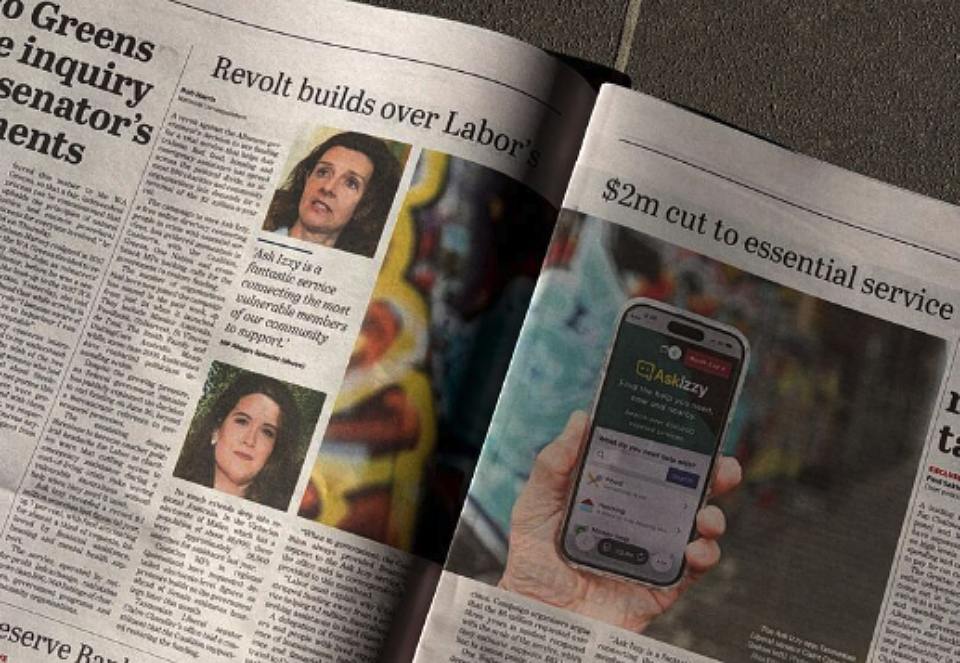
Posted on 21 Oct 2026
A national campaign to restore federal funding for Ask Izzy has attracted such strong grassroots…
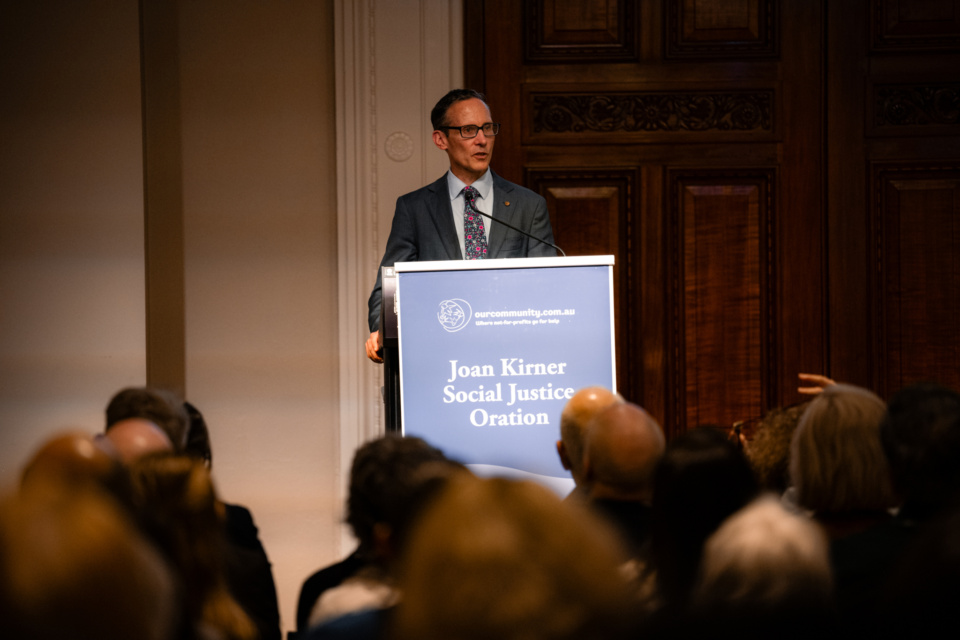
Posted on 21 Oct 2026
In the wake of an act of violence against federal independent MP Helen Haines, Charities Minister…

Posted on 21 Oct 2026
If your charity takes a stance that happens to align with a political party’s stance in a public…

Posted on 14 Oct 2026
The federal government’s special envoy for social housing and homelessness, Josh Burns MP, has…

Posted on 14 Oct 2026
The Reserve Bank’s move to ban card payment surcharges has led to complications for charities and…
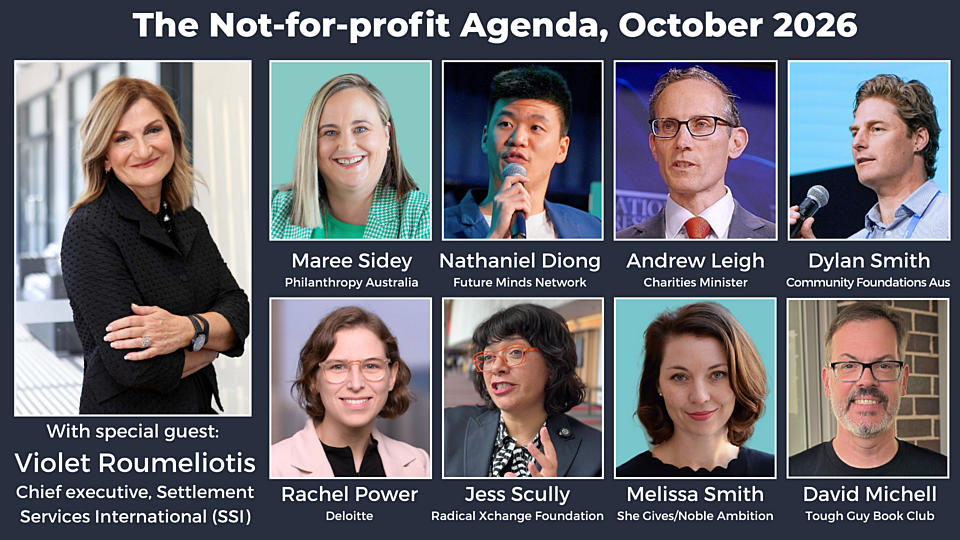
Posted on 14 Oct 2026
Violet Roumeliotis, the chief executive of Australia’s biggest migrant support organisation, will…

Posted on 07 Oct 2026
A major public campaign launched this morning is calling on the federal government to restore…
Posted on 07 Oct 2026
The Australian Literacy & Numeracy Foundation (ALNF) has announced a partnership with mining…
Posted on 07 Oct 2026
A conference in Darwin will this morning hear detailed, strategic plans for how Australia could…

Posted on 30 Sep 2026
Not-for-profit leaders have been warned to be wary of approaches from potential “funding partners”…
Posted on 30 Sep 2026
More than 200 fully funded Centre for Social Impact (CSI) scholarships will help equip for-purpose…