Billion-dollar community funding pool is making a difference
Posted on 21 Oct 2026
Backed by tangible successes and government support, community foundations are gaining momentum as…
Posted on 23 Oct 2025
By Nick Place, journalist, Community Directors
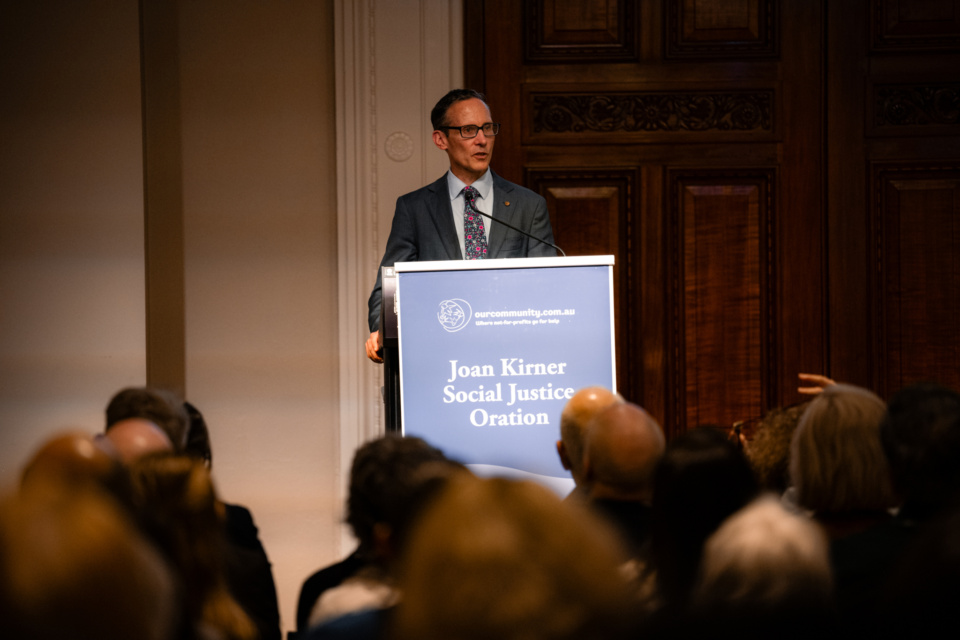
There are no excuses and it’s time Australia faced up to the detailed, true horror of the toll of colonisation on First Nations people, media heavyweight Ray Martin has said, delivering the 15th annual Joan Kirner Social Justice Oration last night at the State Library of Victoria.
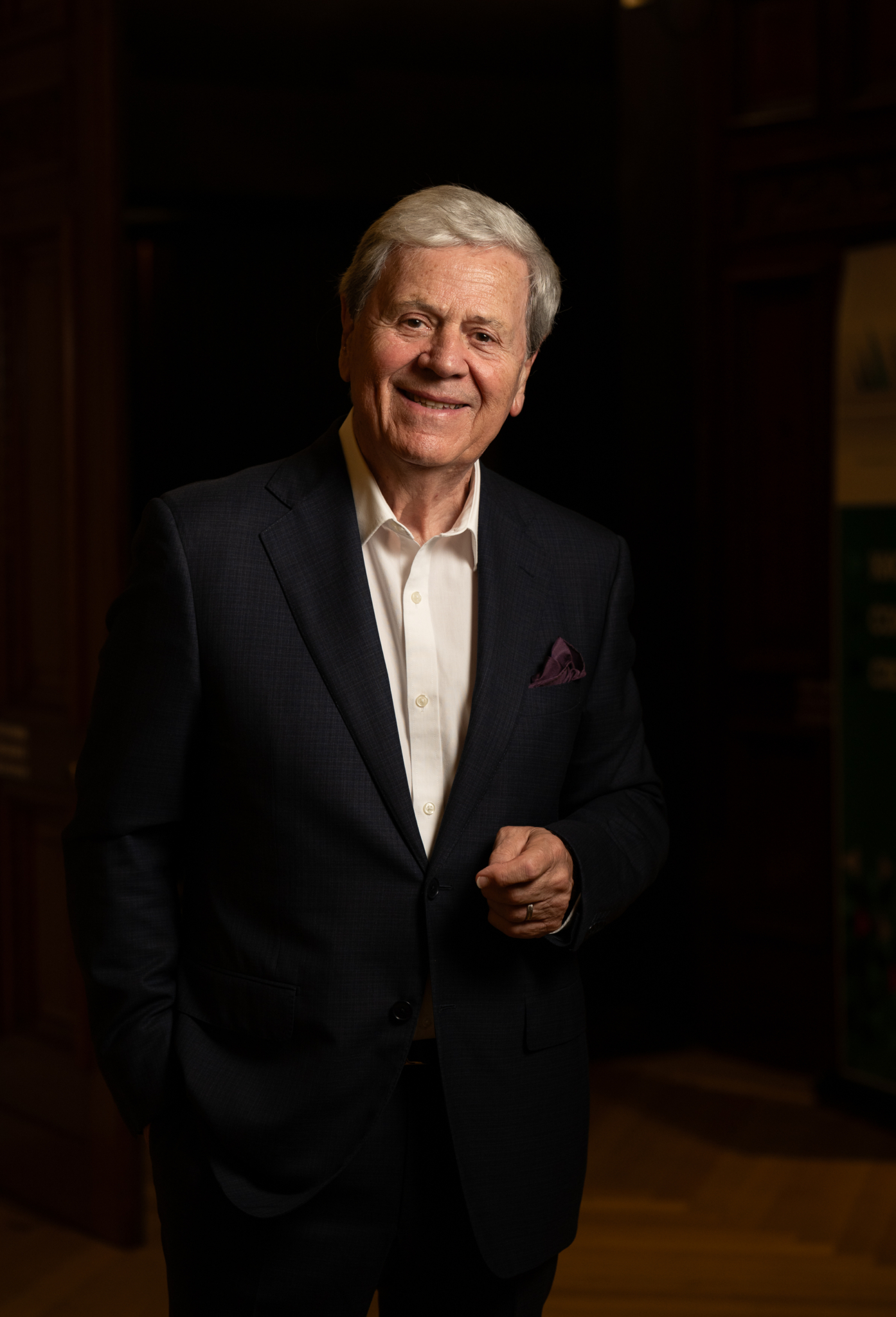
Martin’s oration was full of anecdotes and storytelling but not the sort that those who deny our brutal past would want to hear. He outlined in detail specific massacres, the continuing needless deaths of Aboriginal children from preventable diseases, institutionalised racism within the Australian Constitution and our parliamentary system, and the casual, cruel everyday racism he witnessed in his youth but that can still be seen today.
Over six decades of journalism, from ABC cadet to five-time gold Logie winning television reporter and host, Martin has walked with giants and he quoted them freely last night, including Fred Hollows, who Martin described as “always the smartest kid in the room and probably the greatest humanist I’ve ever met”. Hollows said of fighting for social justice, “the alternative is to do nothing, and that's not an alternative”.
Martin also admired former Prime Minister Gough Whitlam, who in 1997 Martin heard deliver the Second Vincent Lingiari Memorial Lecture, where “like a prosecution lawyer, Whitlam forensically dissected what he called the institutionalised procrastination and the entrenched racism of federal parliament since 1901.”
Former Governor-General Sir William Deane had also spoken strongly about the need for Indigenous justice, he said. “Quoting the great American novelist William Faulkner about race relations, Sir William repeated Faulkner’s words, ‘The past is not dead, and gone, it isn’t even past. It’s absorbed into the present and into the future.’
Martin said that in his deep experience among First Nations communities, he had observed that Indigenous people had absorbed the ill-treatment, massacres and other documented and undocumented atrocities against them, to the point that it had almost become part of their Dreaming stories.
“As Deane said, you can’t have true reconciliation without acknowledging the wrongness of past dispossession, oppression, and degradation of Aboriginal peoples,” Martin told the audience, while also taking time to spotlight some of those who had used positions of power to hold back the rights of Aborigines, including Henry Higgins KC, who helped draft the Australian Constitution but was quoted as saying it was “utterly inappropriate to grant the franchise to Aborigines or ask them to exercise an intelligent vote”. Or Sir Isaac Isaacs who “declared that the Aborigines had not the intelligence, interest or capacity to enable them to stand on the same platform with the rest of the people in Australia, quote unquote,” Martin said, noting that Isaacs would go on to become the first Australian-born Governor General, presumably bringing such views to the role.
Coming back to present-day Australia, Martin said he had just finished a new book by former Prime Minister Tony Abbott, where, “at the end of the Gospel according to Tony, the erstwhile PM cites the failure of the Voice referendum last year as a very good reason for not acknowledging the Traditional Owners, for not flying the Aboriginal flag and for not using the term ‘First Nations’. Tony doesn't get any better, does he?”
“You can’t have true reconciliation without acknowledging the wrongness of past dispossession, oppression, and degradation of Aboriginal peoples.”
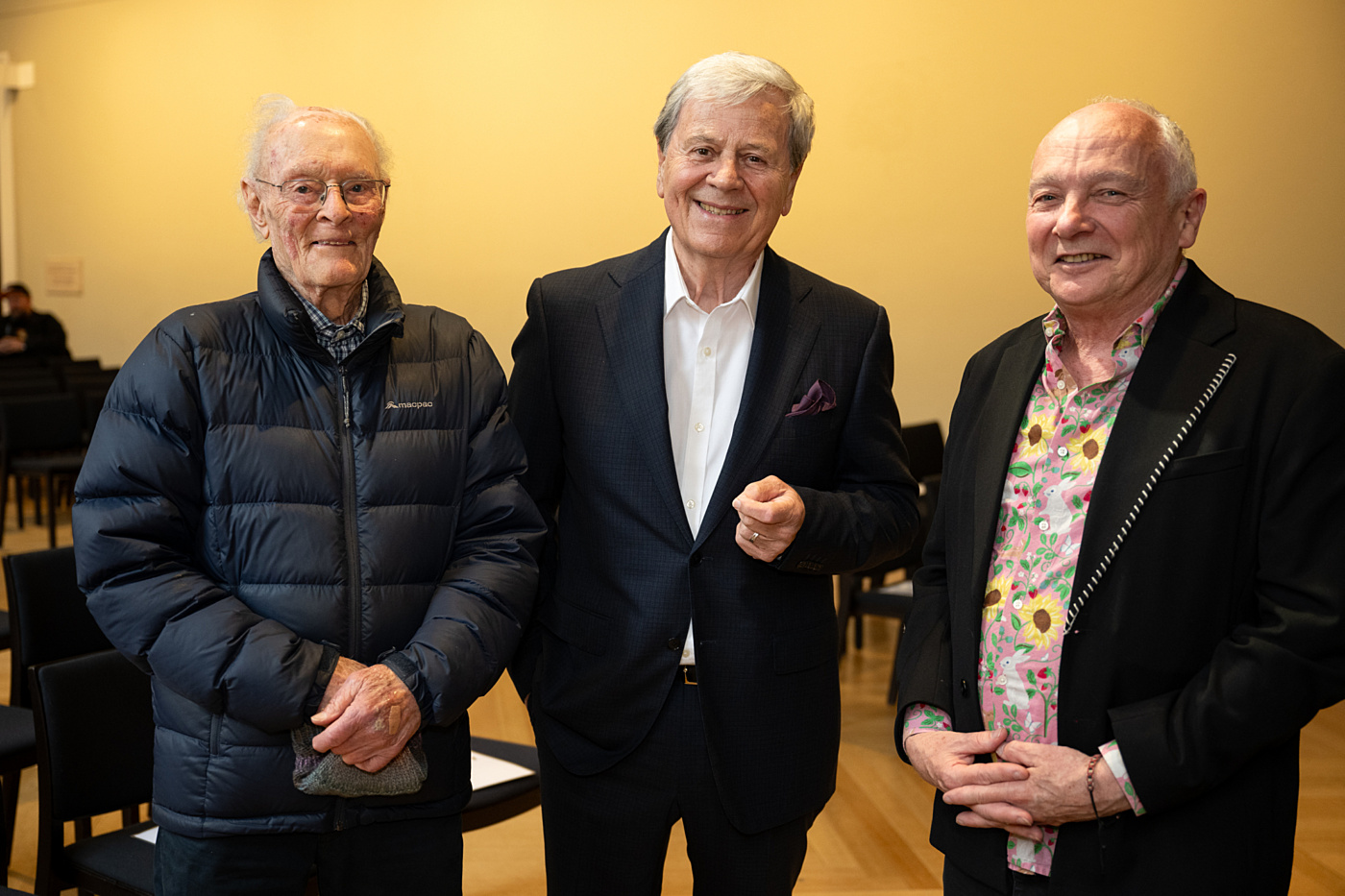
Martin shared his personal story, growing up in post-war country New South Wales where racism against the local Indigenous populations was taken as a given by everybody, including the Aboriginal people, to his early days as a journalist where he was shocked to witness apartheid by any other name in rural Western Australia.
Warning that it would be unavoidably expensive to truly lift Australia’s First Nations people out of poverty, out of poor health outcomes, out of over-representation in jail, and into a better future, he pointed to the ongoing costs of dealing with those ongoing issues, and told of how many of Australia’s most senior politicians during his career, including Prime Ministers, were from privileged, city backgrounds and had never met Aboriginal people, or travelled to see the true story of how Indigenous people live. Prime Minister John Howard had been truly shocked, and bereft of solutions, when confronted with the truth of the Indigenous plight, he said.
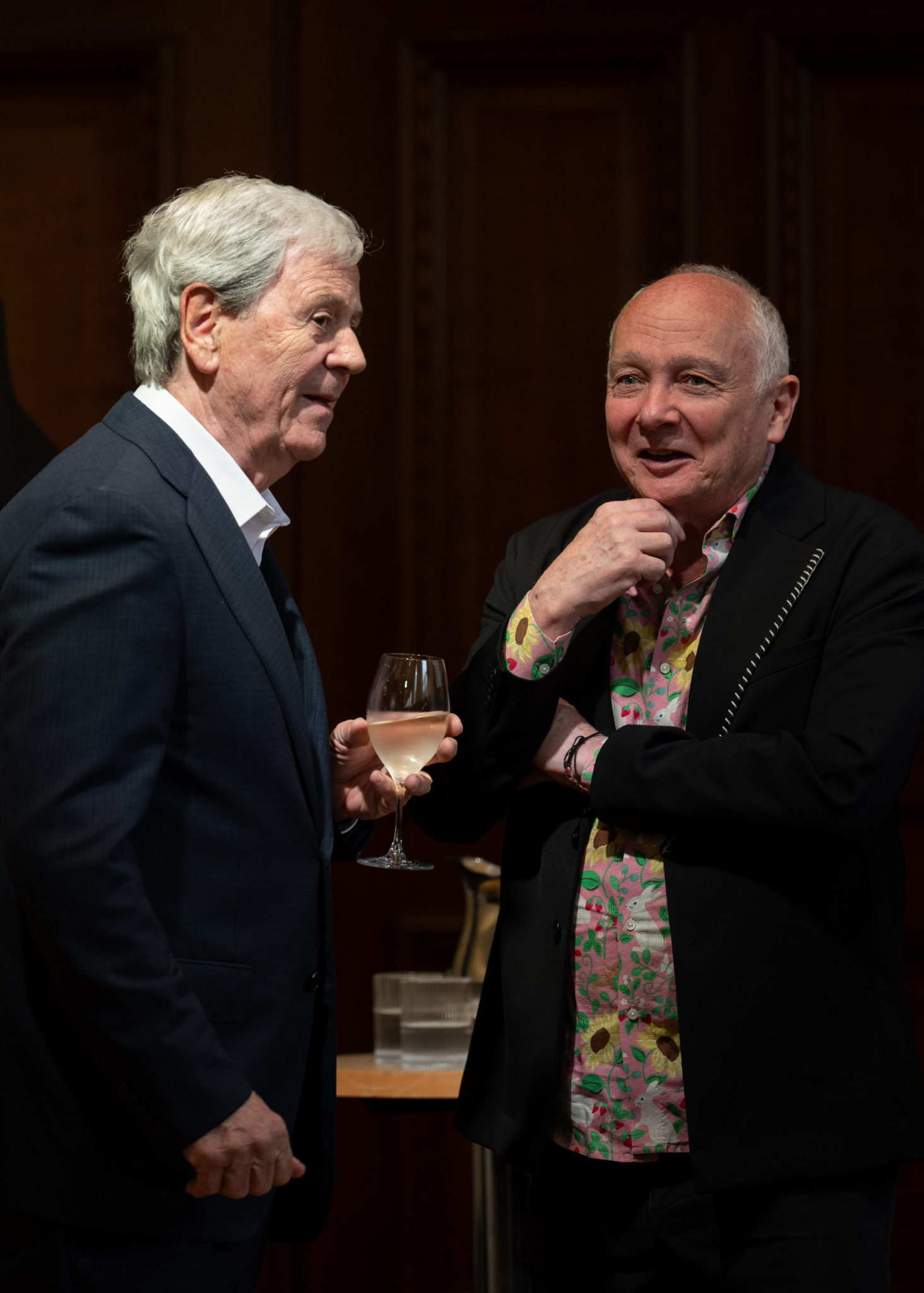
Martin said he remained hopeful that a better future awaited the entire nation.
He quoted Prime Minister Anthony Albanese’s recent speech to the United Nations General Assembly last month – “making what I think was his finest speech in office so far” – where Albanese said, “Countries that can judge themselves properly by facing a dark history have the opportunity to make reforms.”
“Truth and reconciliation,” Martin said. “It’s a process that we should follow here in Australia, and I think you’re going to follow obviously in Victoria with your Treaty, to acknowledge our violent past, to enable us to move forward together.”
Martin said that education was a key, not only to lift Indigenous youth to better futures, but also for the many migrants to Australia who are never taught of our true, violent past when it came to original inhabitants.
Deeply personal, passionate, yet clear-eyed and unflinching, Ray Martin’s account made for a riveting and emotional Joan Kirner Oration for Social Justice.
Posted on 21 Oct 2026
Backed by tangible successes and government support, community foundations are gaining momentum as…
Posted on 21 Oct 2026
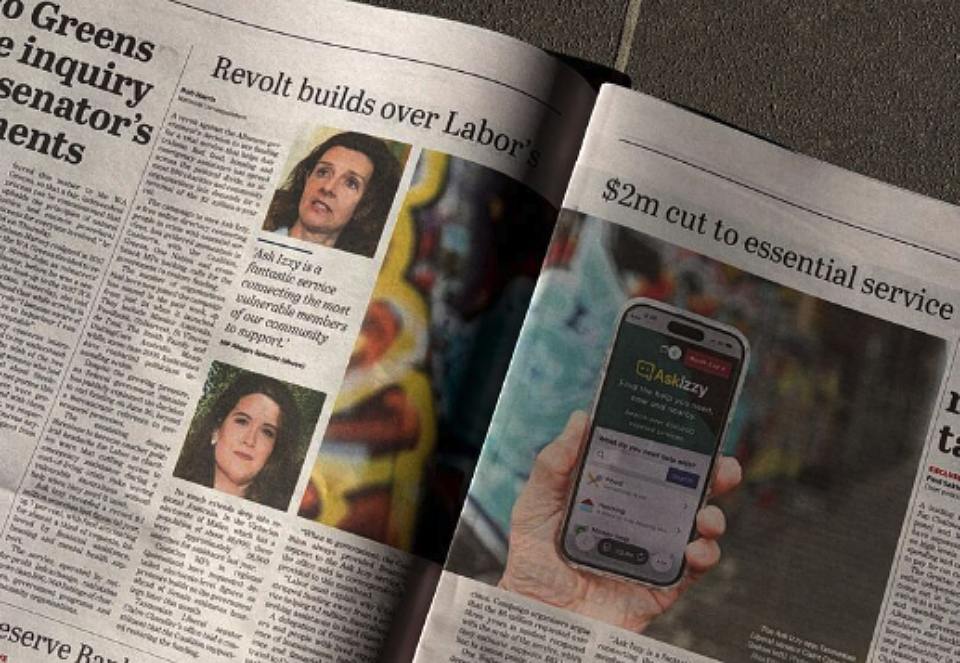
A national campaign to restore federal funding for Ask Izzy has attracted such strong grassroots…
Posted on 21 Oct 2026
In the wake of an act of violence against federal independent MP Helen Haines, Charities Minister…

Posted on 21 Oct 2026
If your charity takes a stance that happens to align with a political party’s stance in a public…

Posted on 14 Oct 2026
The federal government’s special envoy for social housing and homelessness, Josh Burns MP, has…

Posted on 14 Oct 2026
The Reserve Bank’s move to ban card payment surcharges has led to complications for charities and…

Posted on 14 Oct 2026
Violet Roumeliotis, the chief executive of Australia’s biggest migrant support organisation, will…

Posted on 07 Oct 2026
A major public campaign launched this morning is calling on the federal government to restore…
Posted on 07 Oct 2026
The Australian Literacy & Numeracy Foundation (ALNF) has announced a partnership with mining…
Posted on 07 Oct 2026
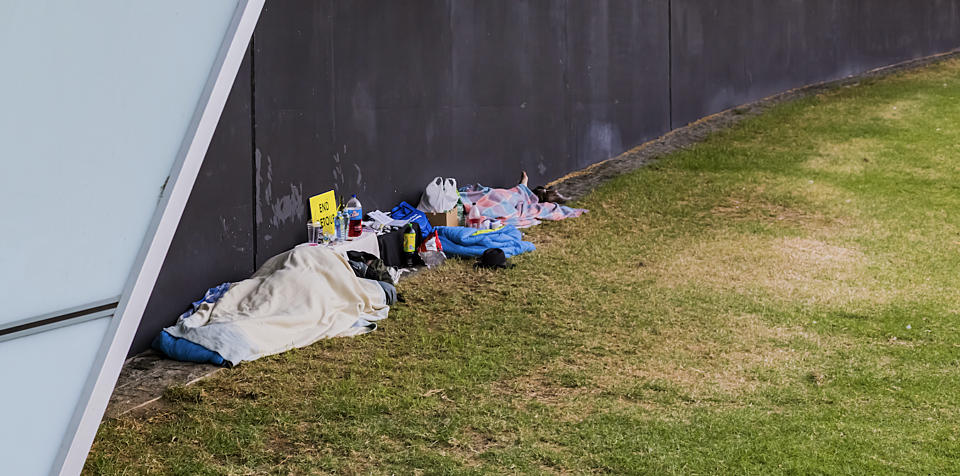
A conference in Darwin will this morning hear detailed, strategic plans for how Australia could…

Posted on 30 Sep 2026
Not-for-profit leaders have been warned to be wary of approaches from potential “funding partners”…
Posted on 30 Sep 2026
More than 200 fully funded Centre for Social Impact (CSI) scholarships will help equip for-purpose…