Billion-dollar community funding pool is making a difference
Posted on 21 Oct 2026
Backed by tangible successes and government support, community foundations are gaining momentum as…
Posted on 03 Nov 2025
By Nick Place, journalist, Community Directors
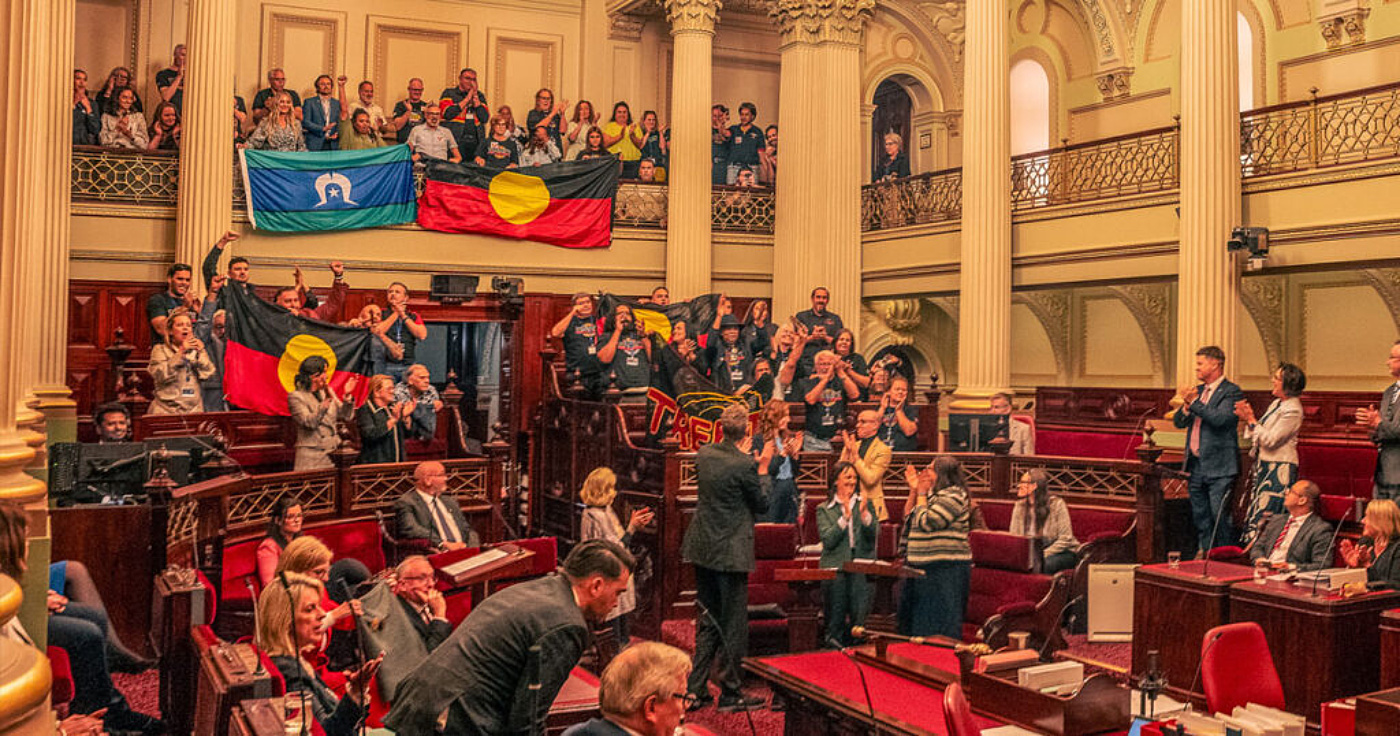
The Victorian Parliament’s passing of the Treaty Bill last week has been embraced by philanthropy bodies, Treaty advocates and Indigenous leaders.
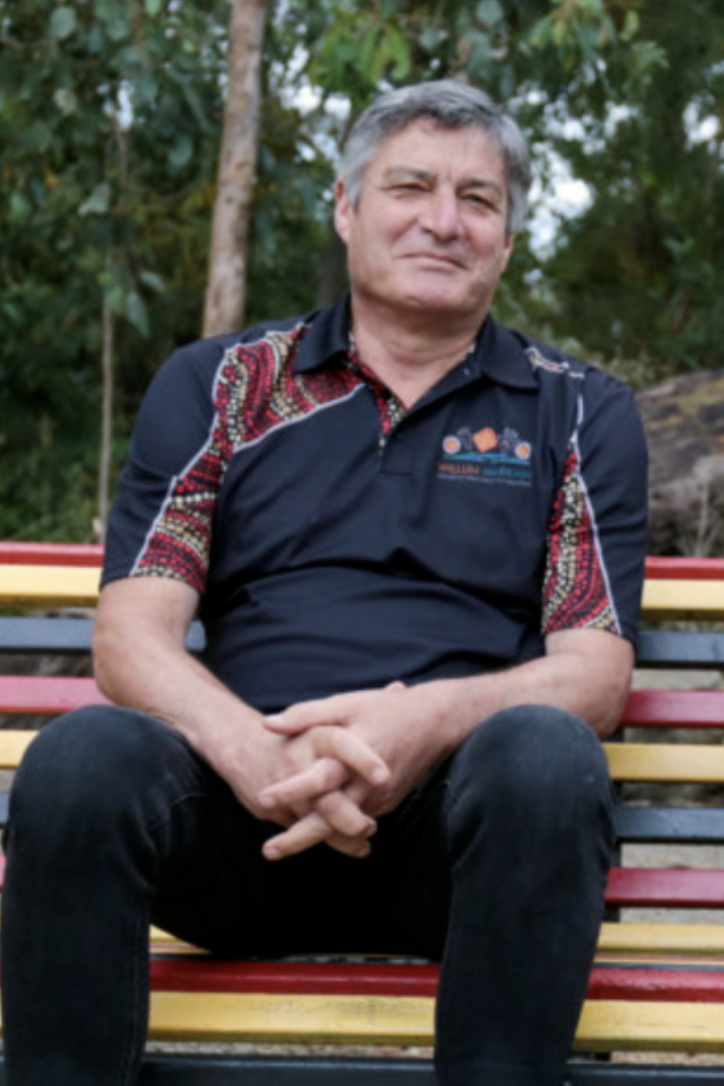
Community leader, Elder and Willum Warrain Aboriginal Gathering Place executive officer Peter Aldenhoven was overjoyed to see Treaty arrive.
“Our community is so excited to hear and learn that Treaty has finally been achieved after the disappointment of Voice. This has renewed our hope in reconciliation and the possibilities for uplift for our mob,” he told the Community Advocate. “There will be some negative comments, you know, to pander to those perceptions that Aboriginal people are getting things for free, et cetera, but what this is about is acknowledging the past and trying to improve on the future and looking to improve on the present and looking to a brighter future. It’s about equity and about equality and about possibility for mob.”
“It’s not going to see people's backyards taken off them. It’s just going to see respectful relationships furthered and developed and enriched,” he said.
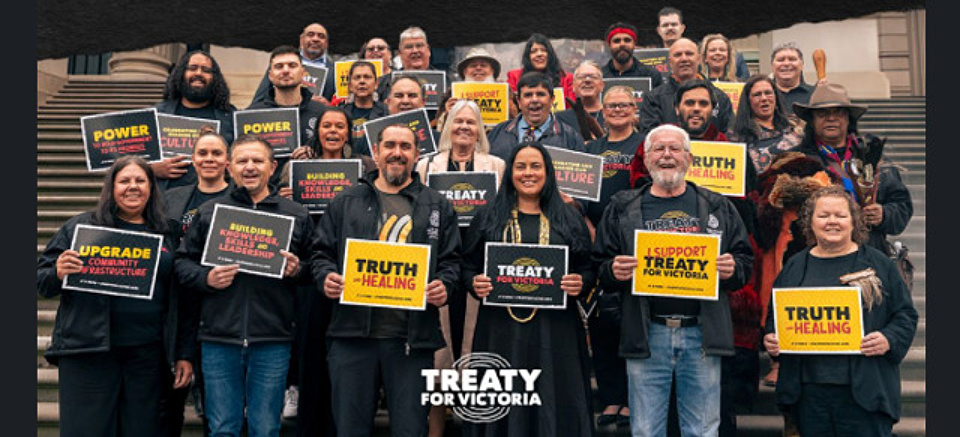
The legislation that was voted in establishes the First Peoples’ Assembly as a representative body authorised to advise government under a new statutory body, Gellung Warl. As well as working with government and ministers, acting as an advisory body and asking questions, it will include a truth-telling body, Nyerna Yoorrook Telkuna, and an accountability arm, known as Nginma Ngainga Wara, to ensure the Victorian government upholds its “closing the gap” commitments.
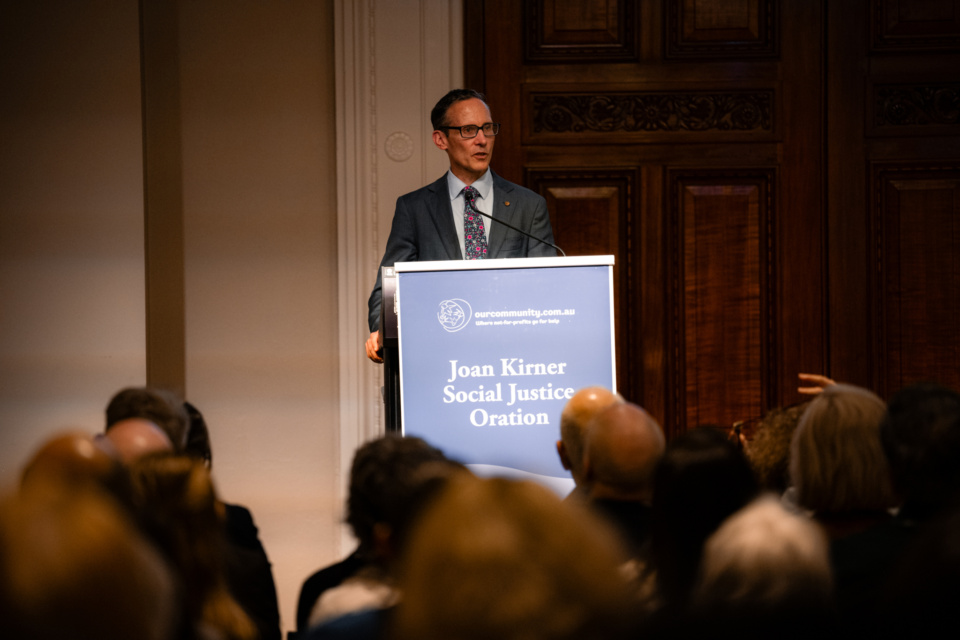
It was a development that media legend Ray Martin, a long-time campaigner for Indigenous social justice, had called for a week ago in the Joan Kirner Social Justice Oration.
Speaking in the immediate aftermath of Thursday’s landmark vote, First Peoples’ Assembly of Victoria co-chair Ngarra Murray, a Wamba Wamba, Yorta Yorta, Dja Dja Wurrung and Dhudhuroa woman, said it was a “historic moment for our people”.
“We will tell our children about today, and they will tell their children, passing down to future generations the story of how decades of Aboriginal resilience and activism led to Australia’s first Treaty,” she said.
“Treaty marks the beginning of a new era, one where First Peoples’ 60,000 years of knowledge and culture is respected and celebrated. It’s an opportunity for all Victorians to acknowledge our shared history, heal and move forward together,” she said.
The chief executive officer of Philanthropy Australia, Maree Sidey, said the “momentous occasion”, hard won by committed Traditional Owners and First Peoples’ leaders, was the start of a more positive future for First Nations communities.
“We know that self-determination for First Peoples communities delivers outcomes that work, that culturally fit and that create real change,” she said.
“I applaud and congratulate all those who have worked toward and supported this achievement, including those in our sector. I know it will signal a new direction for all, but the movement will need further strengthening that philanthropy can support. I hope it also has a ripple effect across Australia as we see the positive outcomes that follow.”
Likewise, Victorian Premier Jacinta Allan said Treaty offered Victorian Indigenous peoples “power to shape the policies and services that affect their lives”.
Indigenous parliamentarian Sheena Watt, who made a moving, passionate speech during the legislative debate, described the Treaty legislation as “a bill that delivers hope. The Audacity of Hope is a book I read by Barack Obama, and that’s exactly what we’re doing with treaty – we’re being bold enough to hope for a better future for our kids.”
“It’s not going to see people's backyards taken off them. It’s just going to see respectful relationships furthered and developed and enriched.”
“It’s saying governments need to do better – but we need to do better by listening to First Peoples and putting First Peoples in the driver’s seat of change, making sure that decisions that affect First Peoples are led by and driven by them.
“That, for me, is the very heart of treaty: recognising that governments don’t always know what’s best, and that we’ll get better outcomes when we listen to and talk to the people whose lives are affected by those decisions.”
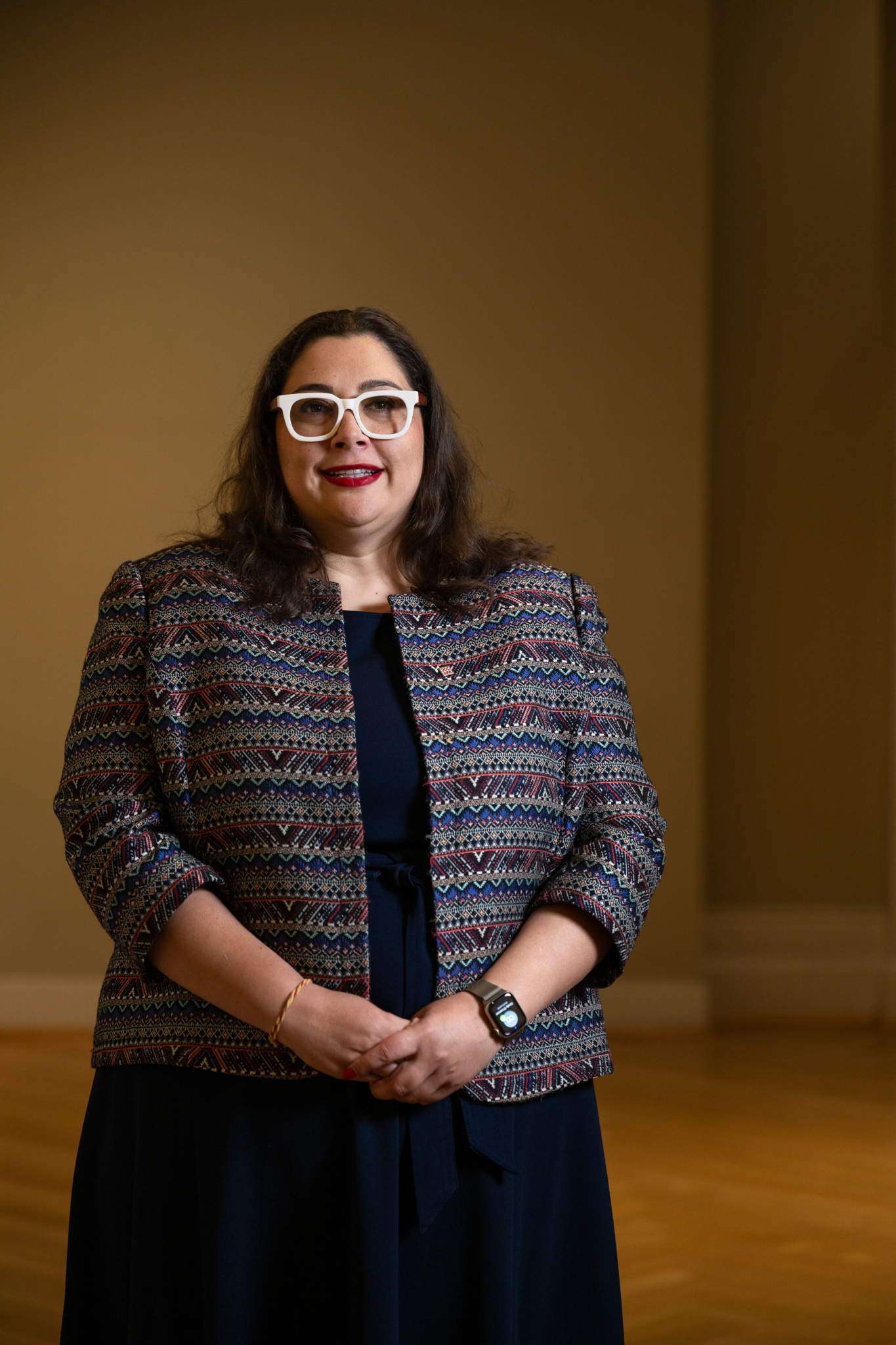
Peter Aldenhoven leads the Willum Warrain not-for-profit organisation in Hastings, which provides a range of health, wellbeing and arts and culture services for Mornington Peninsula Indigenous commuities. He said he believed the collective lack of education about Indigenous history, culture and strengths was a core reason for the failure of the Voice referendum, and he was excited by Treaty’s mandate to teach an Indigenous curriculum in Victorian schools.
“All children going to school in Victoria will learn our true history. Not just, you know, the distressing elements of the impacts of colonisation, but also the great strengths and the diversity of Aboriginal language groups across the state, the 38 of them. Telling that story, you know, the challenging aspects, the sad and harsh aspects of it, but also the beautiful and strong and resilient aspects of our cultures,” he said.
“It's part of our maturation process, isn't it? Understanding Aboriginal history, the history of colonisation, the arrival of people from overseas, the multicultural story, the wonderful democratic traditions that we've got from England. But combining all those in a way that makes us a more mature and sophisticated country, and we can't do that work without coming to terms with the First Peoples of Australia.”
He also believes Treaty can offer “settler Australians” a chance to assuage their guilt over the toll of colonisation on First Peoples, through its embedded truth-telling process.
“Guilt is such an unproductive emotion,” he said. “You can’t really go anywhere with it, so I think Treaty and the whole reconciliation movement enables us all to heal. For Aboriginal people, when we tell a story of what’s happened and people listen and open their hearts, we feel heard and we can move on. For settler Australia, to negotiate Treaty is really healing in the other direction as you’re acknowledging the truth of Victoria and also supporting a more reconciled and equitable future for Victorian Aboriginal people. That’s got to be good for everyone really. It’s not about one select group of people getting a special treatment. It’s about the people who live here in Victoria, who on every indicator of social disadvantage are faring much, much worse than the rest of the population. Isn't it a good thing if they can get uplift and opportunity and possibility that doesn’t exist currently?”
While disappointed that the Victorian Opposition has committed to repealing Treaty within its first 100 days of power if elected to office, Aldenhoven chooses to remain positive in the wake of Thursday’s successful vote.
"We’ve got so much hope about the future now, particularly post the disappointment of Voice, and I think people will find when Treaty unfolds, there’s nothing to be scared about,” he said.
Speaking before the bill went through, Victorian Aboriginal Community Controlled Health Organisation CEO Jill Gallagher, a Gunditjmara woman, said, “No citizen loses anything out of having a treaty. I’d love to see all Victorians stand up and be proud of their ancient culture, like the Greeks and the Spanish are, because that’s what we bring to the table. When I say ‘we’, I mean Aboriginal people. We bring our culture to the table and it’s our gift to all citizens.”
Listen below to Ray Martin's stirring Joan Kirner Social Justice Oration on governments' repeated failures to face up to the horrors of colonisation.
Posted on 21 Oct 2026
Backed by tangible successes and government support, community foundations are gaining momentum as…
Posted on 21 Oct 2026
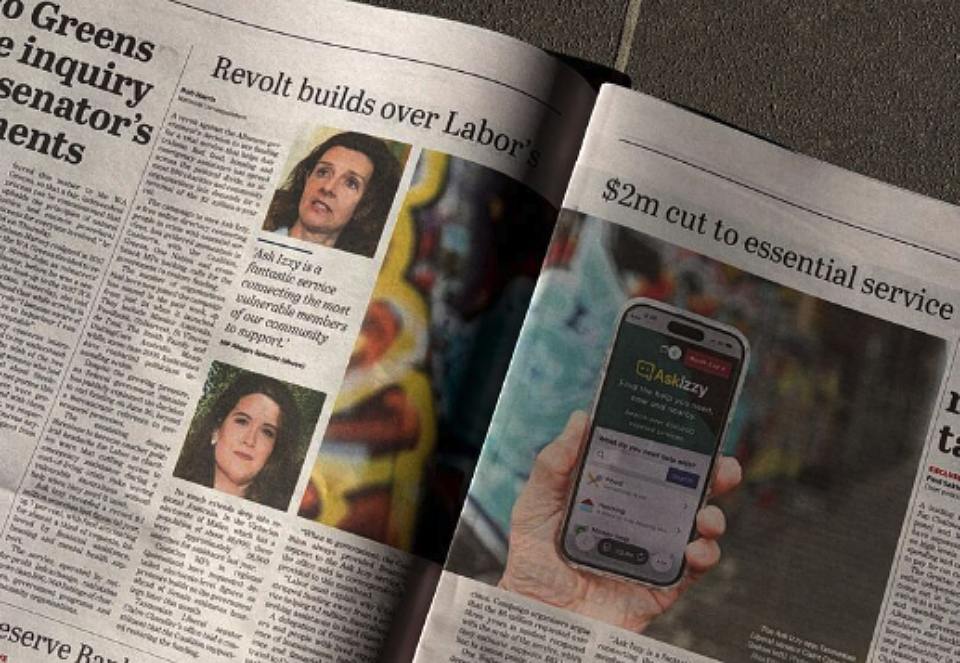
A national campaign to restore federal funding for Ask Izzy has attracted such strong grassroots…
Posted on 21 Oct 2026
In the wake of an act of violence against federal independent MP Helen Haines, Charities Minister…

Posted on 21 Oct 2026
If your charity takes a stance that happens to align with a political party’s stance in a public…

Posted on 14 Oct 2026
The federal government’s special envoy for social housing and homelessness, Josh Burns MP, has…

Posted on 14 Oct 2026
The Reserve Bank’s move to ban card payment surcharges has led to complications for charities and…

Posted on 14 Oct 2026
Violet Roumeliotis, the chief executive of Australia’s biggest migrant support organisation, will…
Posted on 07 Oct 2026
A major public campaign launched this morning is calling on the federal government to restore…
Posted on 07 Oct 2026
The Australian Literacy & Numeracy Foundation (ALNF) has announced a partnership with mining…
Posted on 07 Oct 2026
A conference in Darwin will this morning hear detailed, strategic plans for how Australia could…

Posted on 30 Sep 2026
Not-for-profit leaders have been warned to be wary of approaches from potential “funding partners”…
Posted on 30 Sep 2026
More than 200 fully funded Centre for Social Impact (CSI) scholarships will help equip for-purpose…