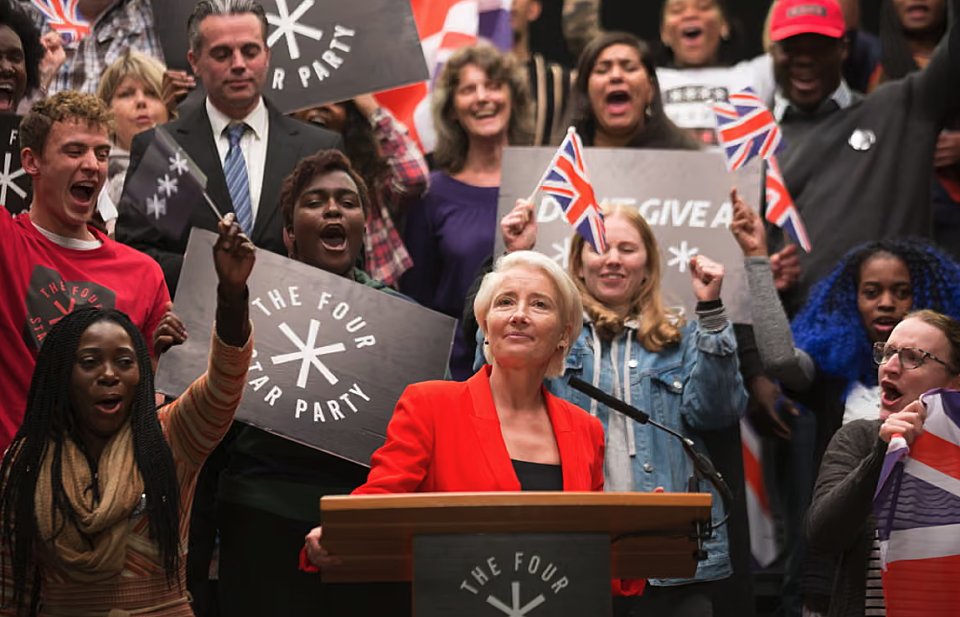
Pauline Hanson and the frightening lesson of ‘Years and Years’
Posted on 07 Oct 2026
Our Community's founder and leader, Denis Moriarty, writes that when he watched an over-the-top…
Posted on 02 Sep 2025
By Nick Place, journalist, Institute of Community Directors Australia

The language that media uses when discussing the climate challenges facing the world can affect our ability to meet those challenges, according to an award-winning study from Charles Darwin University (CDU).
Dr Awni Etaywe, a lecturer in linguistics at CDU, and his media and journalism faculty partner, Dr Jennifer Pinkerton, advocate for replacing doom-laden environmental reporting with more hopeful, solution-focused content.
The study says that “positive environmental journalism” (PEJ) should inspire action by framing environmental challenges in terms of care, shared values and possibility.
When environmental stories emphasised possibility over catastrophe, it had the potential to strengthen public engagement with climate and biodiversity issues and encouraged readers to see themselves as part of the solution, the study found.

The alternative was the traditional, alarming framing often seen in mainstream environmental journalism, which can lead to feelings of hopelessness and disengagement among the audience, it said.
“If people are constantly told the situation is hopeless, they disengage,” Dr Etaywe said. “When we focus on solutions, shared values, and tangible actions, we open the door to lasting behavioural change.”
Dr Etaywe said the findings showed the need for a deliberate narrative shift in how the media approaches climate and environmental reporting.
“Positive Environmental Journalism fosters hope, moral obligation and pro-environmental action,” he said. “It’s about building solidarity, not fear, in the face of our environmental crisis.”
Bush Heritage Australia is a leading charity in the space, working to protect, nurture eco-systems and wildlife, and push back against climate change and man-made damage to the nation’s natural landscapes.
“This is a roadmap for reframing climate and biodiversity reporting, about shifting the narrative from despair to empowerment.”
Bush Heritage Australia CEO Rachel Lowry agreed that optimism and hope were essential to solving the climate crisis.
“Climate change and biodiversity loss are defining challenges of our time, but the solutions are within reach, and we must share them with optimism and hope,” she told the Advocate. “This year, supporters of Bush Heritage helped protect and manage 22.5 million hectares, created new reserves, advanced 94 research projects, and strengthened partnerships with Traditional Custodians. This is big impact that we’re committed to growing.”
The charity has even created a new podcast, Big Sky Country, dedicated to “sharing big ideas, big voices, and big solutions, an antidote to climate doom and endless headlines of collapse.
“When people see the tangible difference they can make for nature, they feel empowered to act. Hope is a powerful driver, and our work shows what’s possible when we choose hope,” Lowry said.
The CDU study looked at 30 digital news articles from a variety of media outlets, and found that the most engaging stories used language that built eco-cultural bonds, as against articles based on fear.
“Audiences respond when they feel respected, informed and part of the story. PEJ invites them into the conversation as active participants, not passive bystanders,” Dr Pinkerton said.
The paper, “Building better bonds and reader engagement through positive environmental journalism in Australia”, won the top paper award at the recent International Environmental Communication Association’s conference on Communication and Environment, held in Tasmania.
While pleased with the award, Dr Etaywe said he was more interested in the study providing practical tools to international journalists. “This is a roadmap for reframing climate and biodiversity reporting, about shifting the narrative from despair to empowerment,” he said.
“If we want audiences to act, we need to tell stories that show change is possible.”
Posted on 07 Oct 2026
Our Community's founder and leader, Denis Moriarty, writes that when he watched an over-the-top…

Posted on 07 Oct 2026
A major public campaign launched this morning is calling on the federal government to restore…
Posted on 07 Oct 2026
The Australian Literacy & Numeracy Foundation (ALNF) has announced a partnership with mining…
Posted on 07 Oct 2026
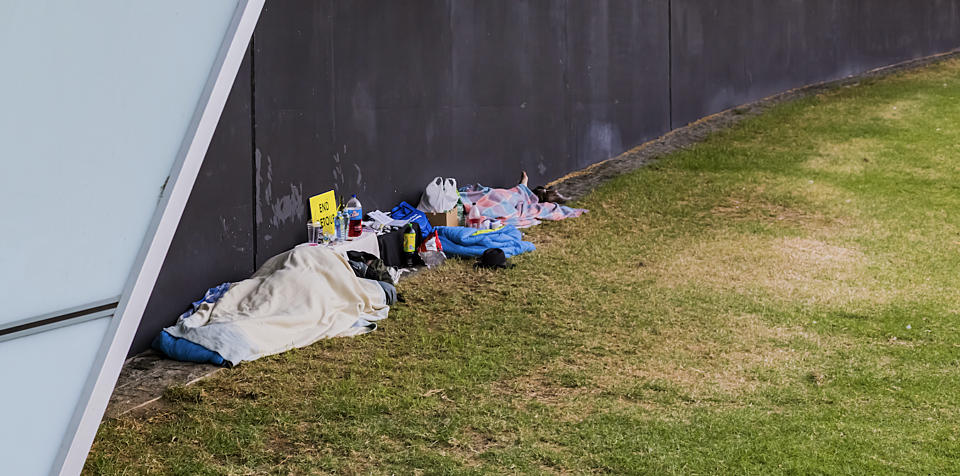
A conference in Darwin will this morning hear detailed, strategic plans for how Australia could…

Posted on 07 Oct 2026
Joseph Friedman is co-founder and publisher of About Time, Australia’s only newspaper for…

Posted on 30 Sep 2026
There's been a lot of talk about AI this week, and some of it has been frightening. So, is AI good…

Posted on 30 Sep 2026
After the biggest AFL game of the year, one player proudly wore the flag of his birth country and…
Posted on 30 Sep 2026
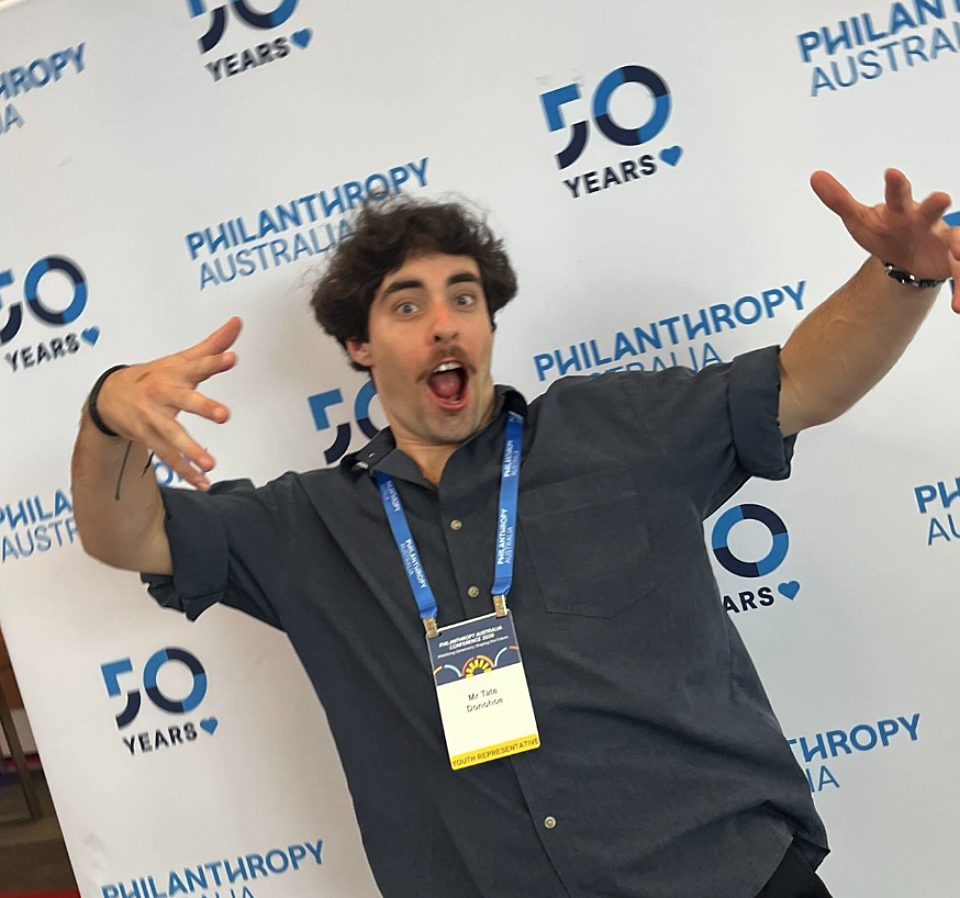
At 21 years old, Tate Donohoe is the founder of Ecodia, an AI-assisted software development company…

Posted on 30 Sep 2026
Not-for-profit leaders have been warned to be wary of approaches from potential “funding partners”…
Posted on 30 Sep 2026
More than 200 fully funded Centre for Social Impact (CSI) scholarships will help equip for-purpose…

Posted on 30 Sep 2026
Personal stories are among the most powerful tools a charity can have to raise funds and awareness,…

Posted on 23 Sep 2026
In his new book Our Place, policy expert Matt Lloyd-Cope argues that housing must be at the heart…