
Pauline Hanson and the frightening lesson of ‘Years and Years’
Posted on 07 Oct 2026
Our Community's founder and leader, Denis Moriarty, writes that when he watched an over-the-top…
Posted on 03 Jun 2026
By Nick Place, journalist, Community Directors
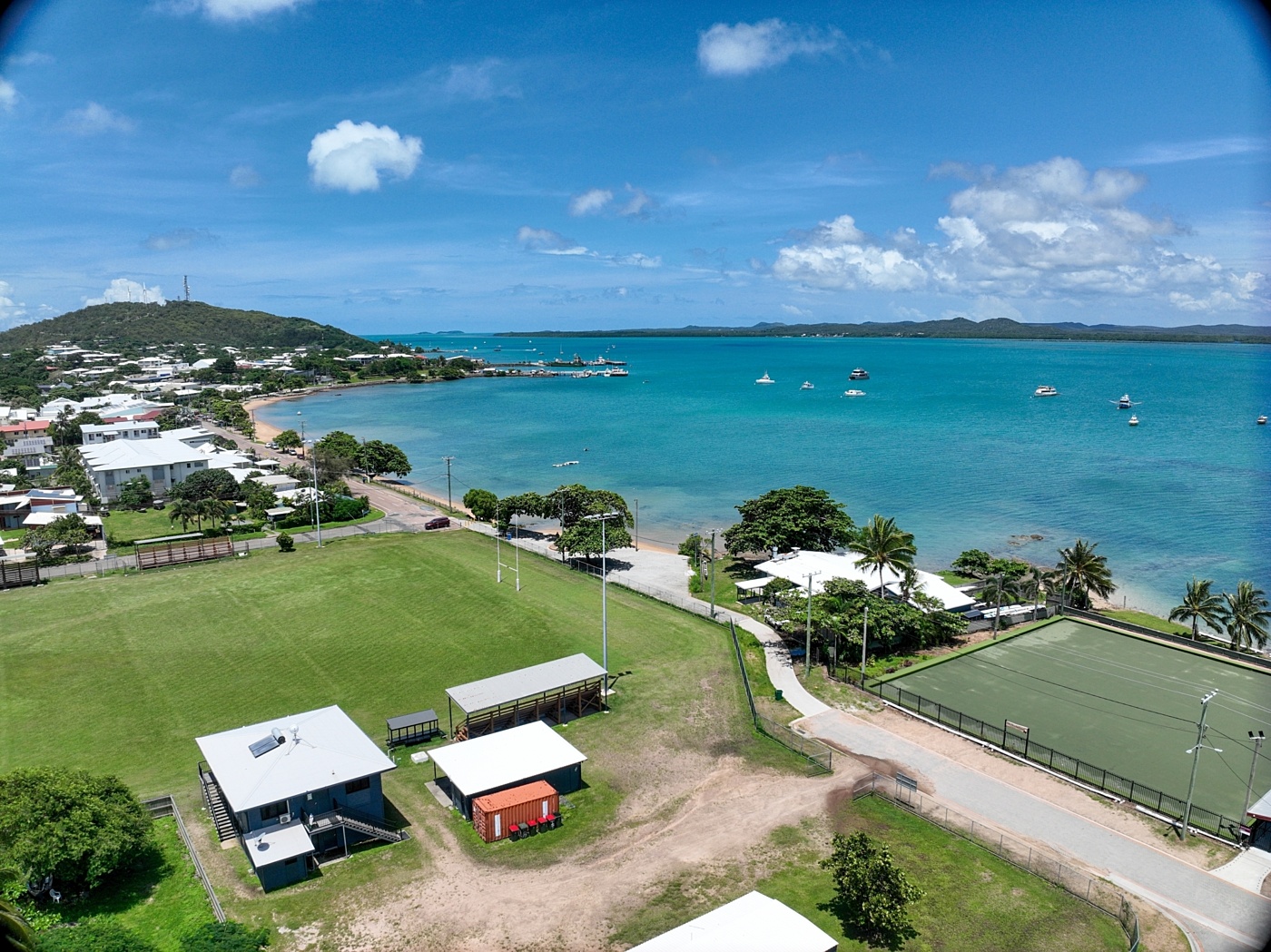
Most Australians take having internet access at home for granted, but that’s not true for many First Nations families. In fact, a new report published to coincide with National Reconciliation Week found that two-thirds of First Nations Australians living in 10 remote and regional towns did not have a fixed-line internet connection.
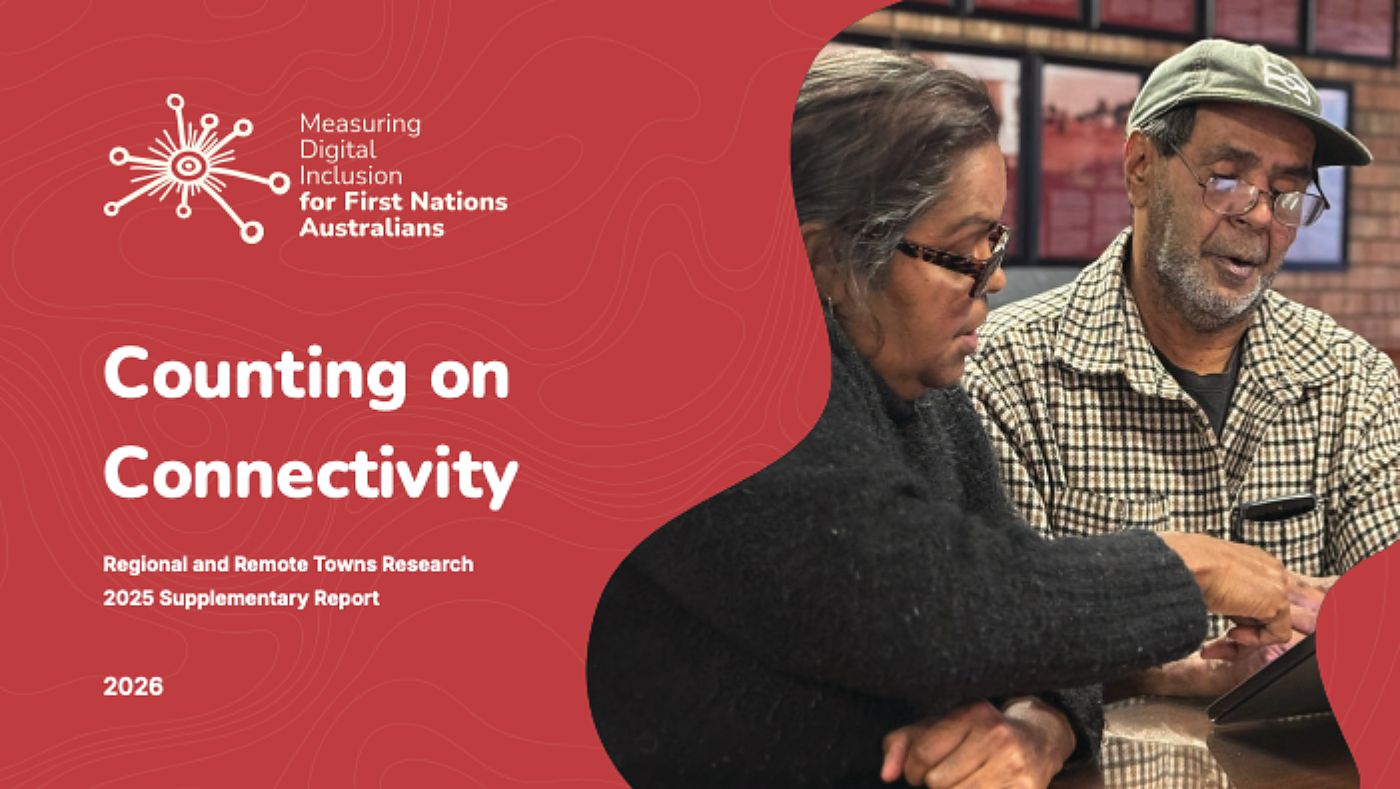
Counting on Connectivity: Regional and Remote Towns Research 2025 Supplementary Report found that 65 per cent of First Nations families surveyed did not have an internet connection at their homes, compared to 10 per cent of non-First Nations Australians.
Even though many of those surveyed said they used digital technology for essential activities such as banking, communication, education, dealing with government services, and entertainment, 78 per cent had to rely on prepaid mobile data plans, while 27 per cent used public wifi.
Highlighting the importance of online access, 46 per cent of survey respondents said they had cut back on essential expenses to try to afford internet access.
The survey also found that 58 per cent of First Nations families had accessed emergency information through face-to-face communication, while 26 per cent had used generative AI tools in the previous six months.
Infrastructure gaps were hampering the ability of First Nations families to access broadband and were also causing broader social and economic inequalities, it found.

The report, from the Australian Research Council (ARC) Centre of Excellence for Automated Decision-making and Society, drew on 729 surveys conducted with First Nations people in 10 regional and remote towns across Australia between June and September 2025, as part of the wider Measuring Digital Inclusion for First Nations Australians project.
The project relates to Outcome 17 of the National Agreement on Closing the Gap, which states that “Aboriginal and Torres Strait Islander people have access to information and services enabling participation in informed decision-making regarding their own lives.”
It continues: “By 2026, Aboriginal and Torres Strait Islander people have equal levels of digital inclusion.”
Achieving this requires First Nations people to gain a reliable internet connection and digital devices, and to use them frequently to access broadcast and digital media including news, information and relevant First Nations content.
First Nations people living in remote and regional towns faced geographic, demographic, economic and cultural barriers, the report said, many of which were consistent with all those living in very remote communities. This was in part because population growth in the regional towns surveyed had placed increased demand on already stretched infrastructure and services.
The study found that more than a quarter (26 per cent) of respondents did not have enough digital devices to meet household requirements. Ten per cent said they did not own or share a mobile phone, and 58 per cent of those using prepaid services reported running out of data at times. Public phones remained important as sometimes the only option for communication, including in emergency situations.
“Every town is different,” said one of the report’s authors, Associate Professor Daniel Featherstone. “Some towns have high rates of mobility among First Nations residents similar to remote communities or homelands in the region, while others have a more stable population with greater education and employment opportunities.”
“Many marginalised groups are particularly likely to face challenges in using digital and online services, particularly Elders, people with disability, language speakers and those without employment or with limited schooling.”
The report’s summary said, “Many marginalised groups are particularly likely to face challenges in using digital and online services, particularly Elders, people with disability, language speakers and those without employment or with limited schooling. These groups are also at most risk of online harms.”
While government policy has concentrated on very remote communities, the new report said expanded policy attention was required for regional communities, with equitable household broadband access as a key priority. Programs that build skills and online safety were also vital, it said.
The study called on government to:
The towns surveyed were Derby, Newman, Meekatharra and Bunbury in Western Australia, Port Lincoln in South Australia, Nhulunbuy and Tennant Creek in the Northern Territory, Mount Isa and Waiben (Thursday Island) at the very top end of Queensland, and Lismore in New South Wales.
The project forms part of the Australian government-funded initiative measuring progress toward Closing the Gap Target 17, which aims to ensure Aboriginal and Torres Strait Islander people have equal levels of digital inclusion by 2026.
The supplementary report builds on the Counting on Connectivity report and dashboard launched in November 2025.
Posted on 07 Oct 2026
Our Community's founder and leader, Denis Moriarty, writes that when he watched an over-the-top…

Posted on 07 Oct 2026
A major public campaign launched this morning is calling on the federal government to restore…

Posted on 07 Oct 2026
The Australian Literacy & Numeracy Foundation (ALNF) has announced a partnership with mining…

Posted on 07 Oct 2026
A conference in Darwin will this morning hear detailed, strategic plans for how Australia could…

Posted on 07 Oct 2026
Joseph Friedman is co-founder and publisher of About Time, Australia’s only newspaper for…

Posted on 30 Sep 2026
There's been a lot of talk about AI this week, and some of it has been frightening. So, is AI good…

Posted on 30 Sep 2026
After the biggest AFL game of the year, one player proudly wore the flag of his birth country and…

Posted on 30 Sep 2026
At 21 years old, Tate Donohoe is the founder of Ecodia, an AI-assisted software development company…

Posted on 30 Sep 2026
Not-for-profit leaders have been warned to be wary of approaches from potential “funding partners”…
Posted on 30 Sep 2026
More than 200 fully funded Centre for Social Impact (CSI) scholarships will help equip for-purpose…

Posted on 30 Sep 2026
Personal stories are among the most powerful tools a charity can have to raise funds and awareness,…
Posted on 23 Sep 2026
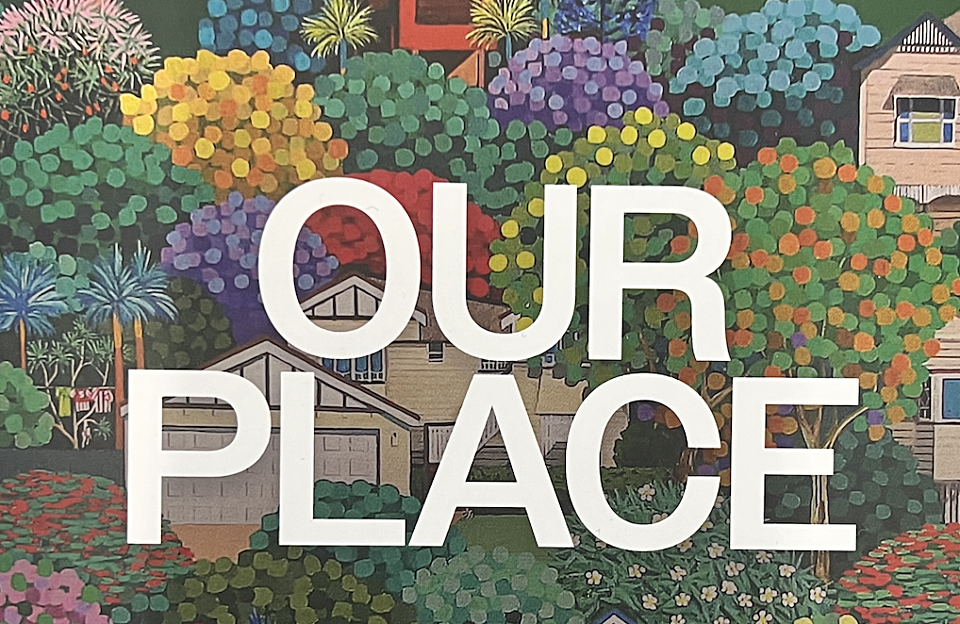
In his new book Our Place, policy expert Matt Lloyd-Cope argues that housing must be at the heart…