
The answer to tough economic times is collective action
Posted on 04 Nov 2026
I watched an angry man on the TV news. “Australia is stuffed, going backwards,” he said. “No one is…
Posted on 05 Aug 2026
By Catherine Brooks, Equitable Philanthropy
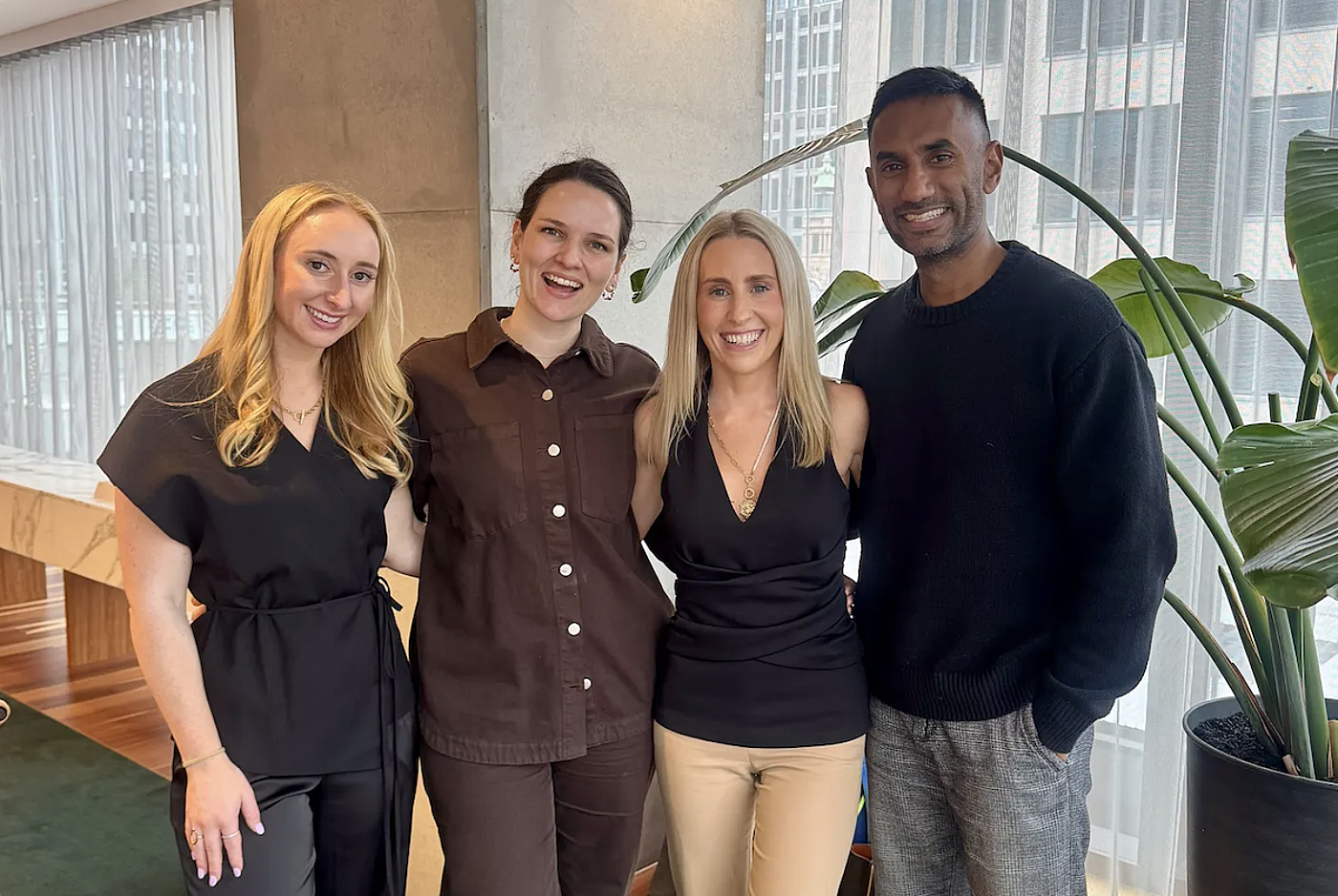
As the Global Impact Summit kicks off in Sydney today, Equitable Philanthropy’s Catherine Brooks explains how the event aims to open doors.
One of the smartest things about the Global Impact Summit is something deceptively simple: it’s the 20-minute breaks between sessions.
At last year’s event, that’s where many of the most important things happened. Collaborations formed, introductions were made, funders met founders, and not-for-profits from different sectors discovered what they had in common. People had real conversations.
Some conferences and other events still operate in a culture that discourages people from engaging openly: don’t approach funders. Don’t pitch. Don’t ask questions that are too direct. Don’t overstep. Don’t make it awkward.

How exactly are we supposed to grow philanthropy if people doing critical work feel discouraged from having honest conversations with the people capable of funding that work?
I’m not suggesting conferences should become chaotic sales environments, but there is a difference between protecting thoughtful engagement and unintentionally creating exclusivity.
I know some people feel excluded from philanthropy spaces. The young founder attending their first event, the grassroots organisation without polished branding. The not-for-profit leader who isn’t part of elite networks. The person standing awkwardly near the coffee station feeling as though they don’t belong in the room.
The sector talks constantly about equity and inclusion, about power imbalances, but we also need to talk honestly about access.
That’s why the Global Impact Summit is important. It’s an event where good people can meet good people, and conversations can happen naturally. If you’ll be in the room, please come and say hi.
More information
Global Impact Summit, Sydney, August 5–6
This is an abridged version of an article first published on Catherine Brooks’ Substack. You can read the original version here.
Posted on 04 Nov 2026
I watched an angry man on the TV news. “Australia is stuffed, going backwards,” he said. “No one is…

Posted on 04 Nov 2026
Working for a cause you believe in can be deeply rewarding, but it can also lead to burnout. Jackie…
Posted on 28 Oct 2026
Altering Australia’s path from anger and potential violence needs more than asking one another to…

Posted on 28 Oct 2026
Are compliance processes crowding out the boardroom conversations that really matter? The…

Posted on 21 Oct 2026
The wider not-for-profit sector doesn't pay much attention to owners corporations, but maybe it…
Posted on 14 Oct 2026
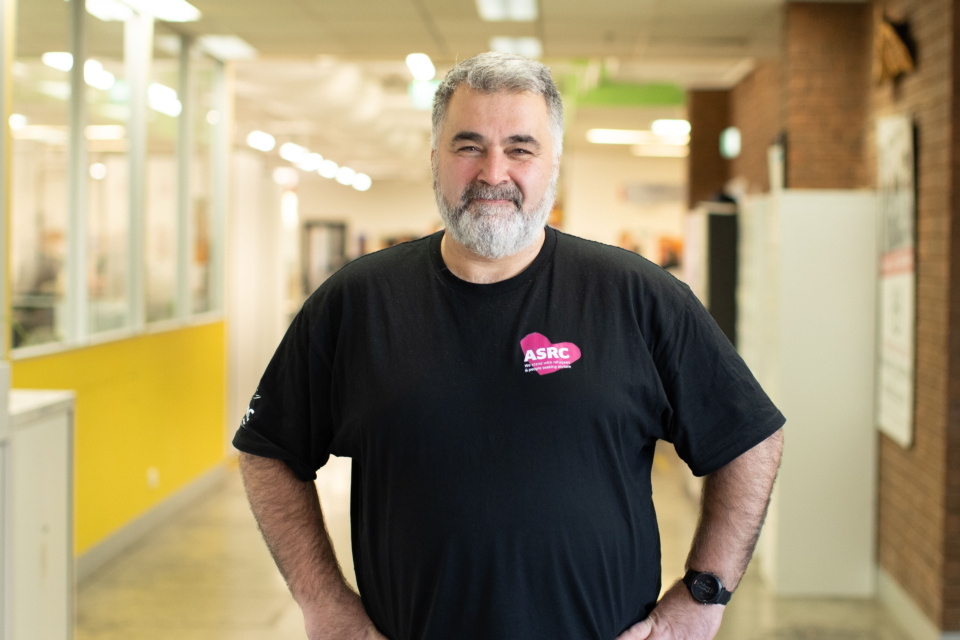
In the ongoing political debates about migration levels, Asylum Seeker Resource Centre founder Kon…
Posted on 14 Oct 2026
Over the weekend, federal Liberal leader Angus Taylor told the Conservative Political Action…
Posted on 07 Oct 2026
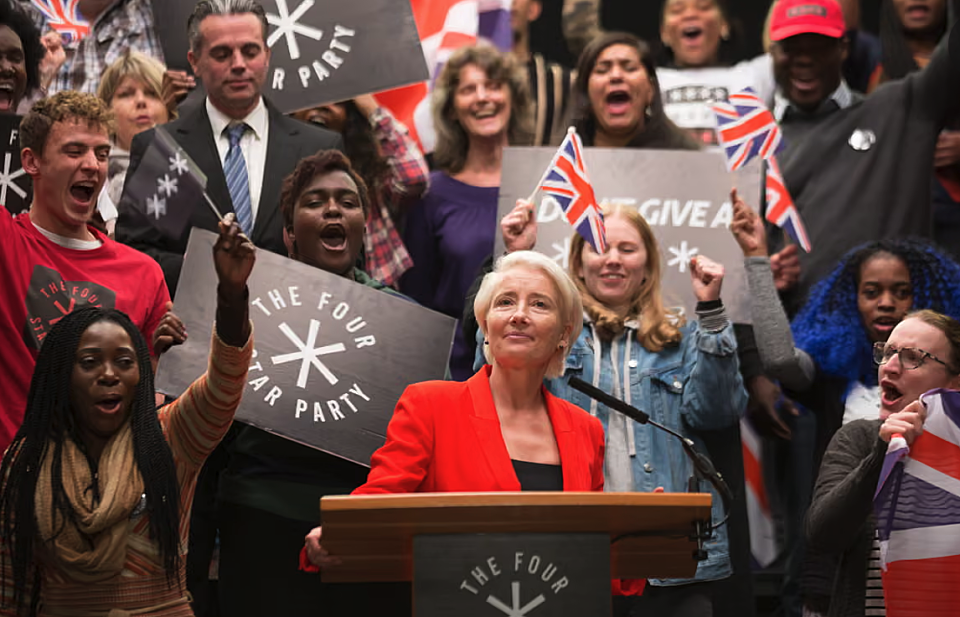
Our Community's founder and leader, Denis Moriarty, writes that when he watched an over-the-top…
Posted on 30 Sep 2026
There's been a lot of talk about AI this week, and some of it has been frightening. So, is AI good…

Posted on 30 Sep 2026
After the biggest AFL game of the year, one player proudly wore the flag of his birth country and…

Posted on 23 Sep 2026
In his new book Our Place, policy expert Matt Lloyd-Cope argues that housing must be at the heart…

Posted on 23 Sep 2026
There are solutions to counter the rise of One Nation but they might not be residing in the mess…