
Fence-sitting isn’t going to work if we want better owners corporations
Posted on 21 Oct 2026
The wider not-for-profit sector doesn't pay much attention to owners corporations, but maybe it…
Posted on 28 Oct 2026
By Denis Moriarty, founder and group managing director, Our Community
Altering Australia’s path from anger and potential violence needs more than asking one another to be nicer, writes Our Community's founder and leader, Denis Moriarty. It is going to require a concerted, deliberate effort.
The horrific attack on independent MP Helen Haines should be a turning point for Australia. A respected, decent and hardworking parliamentarian has lost both legs after being deliberately struck, it is alleged, by a vehicle outside her electorate office. This appalling act of violence should force us to confront a much bigger question: what on earth is happening to the way Australians treat one another?
We are becoming an angrier, less tolerant and increasingly disrespectful society. And unless we do something about it, I fear we are heading somewhere very dangerous.

Look around. Motorists scream abuse and blast their horns at the slightest inconvenience. Supermarkets display signs warning customers not to abuse their staff. Nurses, teachers, council workers and volunteers increasingly find themselves on the receiving end of hostility. Even the small things matter. Young people who won't surrender seats to elderly passengers. Everyday courtesy disappearing. People treating strangers as obstacles rather than fellow human beings.
Individually, these incidents might seem trivial. Collectively, they suggest something important is changing in our national character. We used to pride ourselves on being a relatively relaxed, friendly and decent country. We should be asking whether we are losing that.
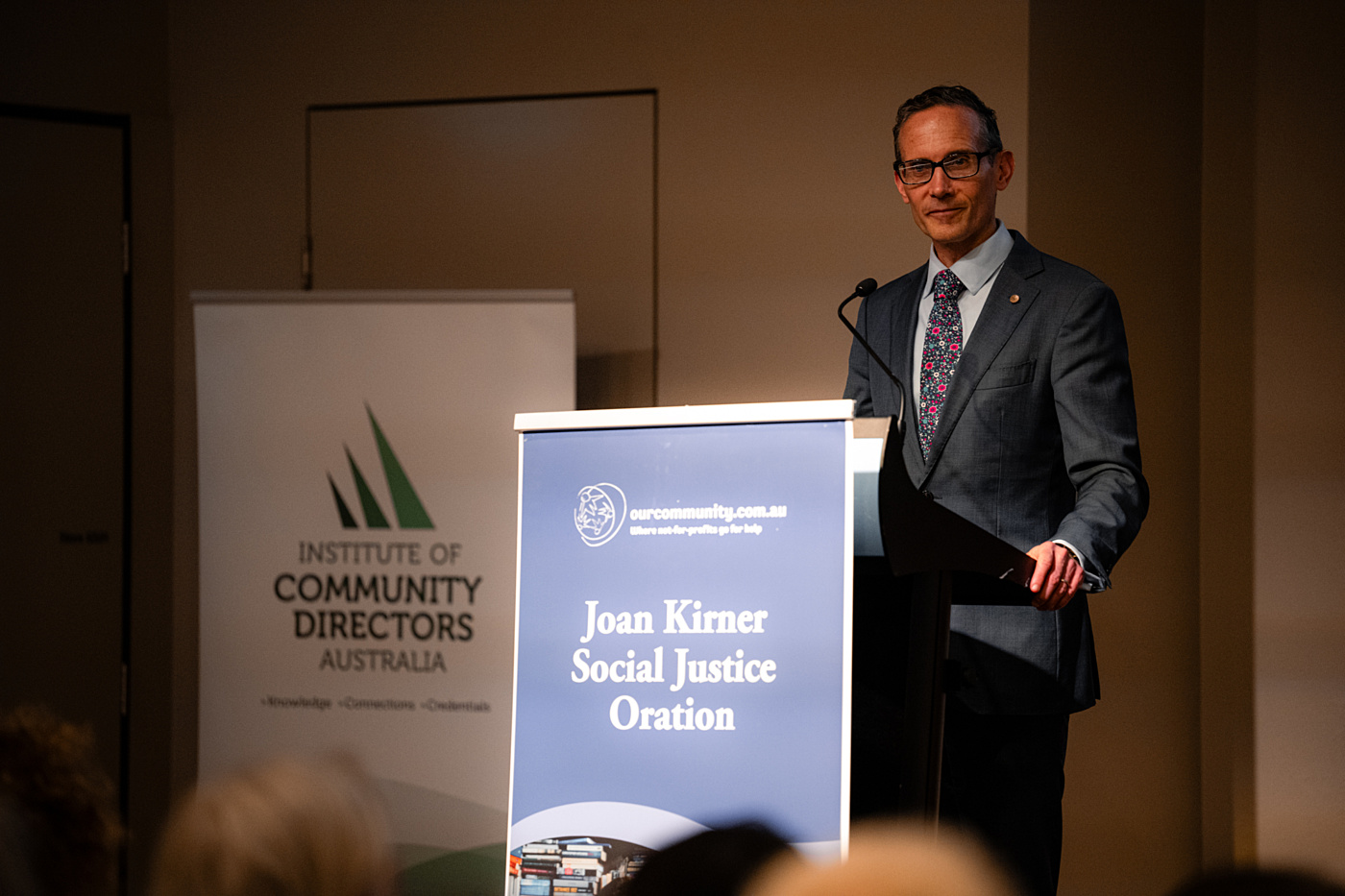
Last week, Charities Minister Andrew Leigh delivered an extraordinary Joan Kirner Social Justice Oration, “The Anger Machine: Rebuilding community in the age of outrage”, which deserves to be read by every Australian politician – and then every Australian.
Leigh identified a fundamental problem: anger has become a business model.
Social media companies have discovered that outrage generates attention, attention generates engagement, and engagement generates advertising revenue. Leigh cited research showing that each additional moral-emotional word in a political social media post was associated with approximately 20 per cent more sharing.
We are being fed a relentless diet of grievance, resentment, hostility and division. Algorithms reward the loudest, nastiest and most inflammatory voices. As Leigh argued, we have moved from social media to antisocial media. But this is not simply a technology problem. It is a cultural problem.
For generations, institutions such as churches, schools, sporting clubs and community organisations helped reinforce basic expectations of behaviour. Many religious teachings were outdated, and some were harmful, but their emphasis on kindness, consideration, service and responsibility to others was valuable.
As religious participation and other forms of community involvement have declined, we have not always found equally effective ways to pass on those expectations. Add financial pressures, loneliness, mental health challenges and an online environment that normalises hostility, and we have a combustible mixture.
“Leigh identifies a fundamental problem: anger has become a business model.”
And what example does Parliament set? Turn on Question Time and watch elected representatives shouting, sneering, interrupting and humiliating one another. We expect schoolchildren to behave better. Political leaders need to set an example too.
Prime Minister Anthony Albanese has called for everyone to lower the temperature. He is right. But asking people to be nicer is not a national strategy.
We have tackled major behavioural challenges before. In 1975, the advertising agency Monahan Dayman Adams helped create “Life. Be in it.”, a brilliant public health campaign featuring Norm, the loveable couch potato. It was funny, memorable, non-judgmental and extraordinarily successful at getting Australians thinking differently about exercise. It began in Victoria and became a national campaign.
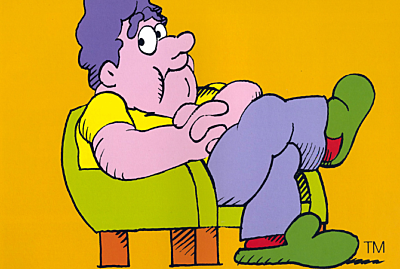
It didn’t lecture people. It changed attitudes by making healthier behaviour seem normal, attractive and achievable.
Why can’t we do the same for kindness, respect and civility? Imagine a sustained, properly funded national campaign encouraging Australians to rediscover everyday decency. Not another government advertising exercise full of worthy slogans, but a creative, engaging movement reaching schools, workplaces, sporting clubs, public transport, television and social media. It would be backed by practical programs to teach conflict resolution, strengthen community connections, challenge online hostility and encourage volunteering.
Yes, it sounds odd and old fashioned, but advertising works, and we cannot keep going the way we are heading.
And it must begin with our political leaders demonstrating the behaviour they expect from everyone else. Leigh, a brilliant political leader, made another crucial point: volunteering, joining community organisations and building friendships help us see other people as human beings rather than enemies.
That is where rebuilding our national character must begin. The attack on Helen Haines cannot automatically be attributed to social media or any single cause. But it has exposed the frightening consequences of a society in which hostility and intimidation are becoming normalised. We need a national conversation, a national strategy and the political courage to act.
Fifty years ago, Australia taught Norm to get off the couch. Now it’s time we taught ourselves to get off the anger machine.
Denis Moriarty is group managing director of OurCommunity.com.au, a social enterprise that helps the country's 600,000 not-for-profits.
We're proud to take a stand on progressive issues. Here are more recent opinion pieces.
Posted on 21 Oct 2026
The wider not-for-profit sector doesn't pay much attention to owners corporations, but maybe it…
Posted on 07 Oct 2026
Our Community's founder and leader, Denis Moriarty, writes that when he watched an over-the-top…

Posted on 30 Sep 2026
After the biggest AFL game of the year, one player proudly wore the flag of his birth country and…

Posted on 23 Sep 2026
There are solutions to counter the rise of One Nation but they might not be residing in the mess…

Posted on 03 Sep 2026
Denis Moriarty has an issue with insurance companies varying premiums because of what they perceive…
Posted on 26 Aug 2026
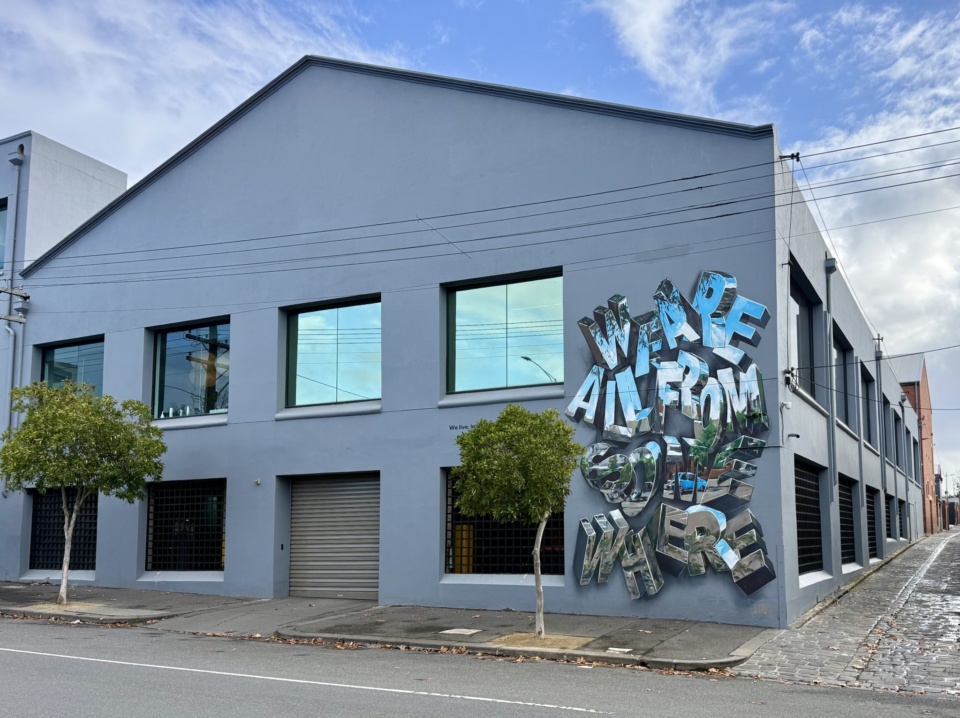
Our Community's founder and leader, Denis Moriarty, says he commissioned a new piece of street art…

Posted on 12 Aug 2026
Our Community's founder and leader, Denis Moriarty, says fostering a child was his worst nightmare,…
Posted on 15 Jul 2026
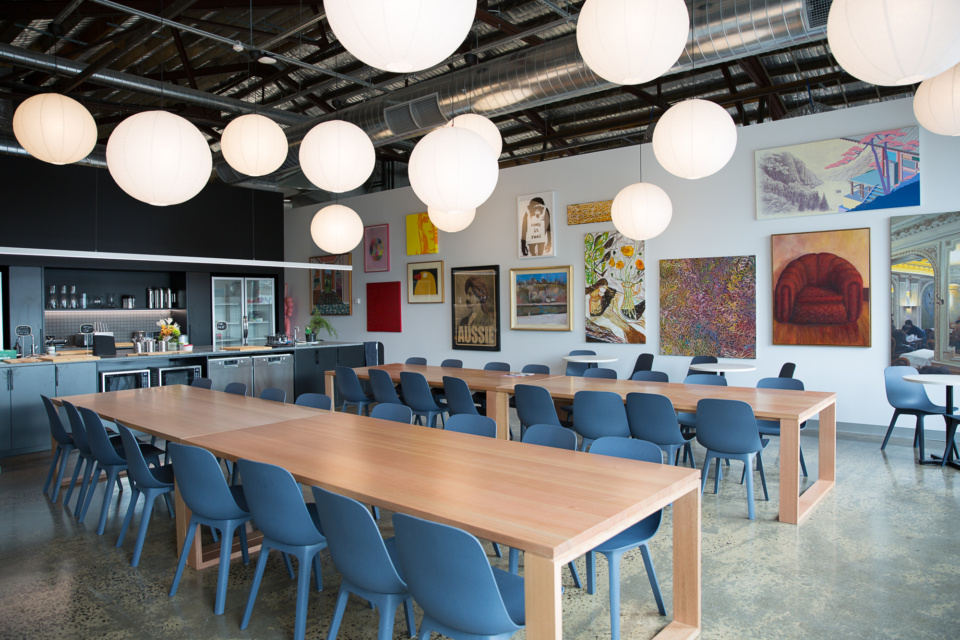
Our Community's founder and leader, Denis Moriarty, on what's special about the shared workplace…

Posted on 08 Jul 2026
The Royal Australasian College of Physicians has found itself facing serious scrutiny from the…

Posted on 30 Jun 2026
Australian house prices rose roughly 8,300 per cent between 1970 and 2025, so it would seem…
Posted on 17 Jun 2026
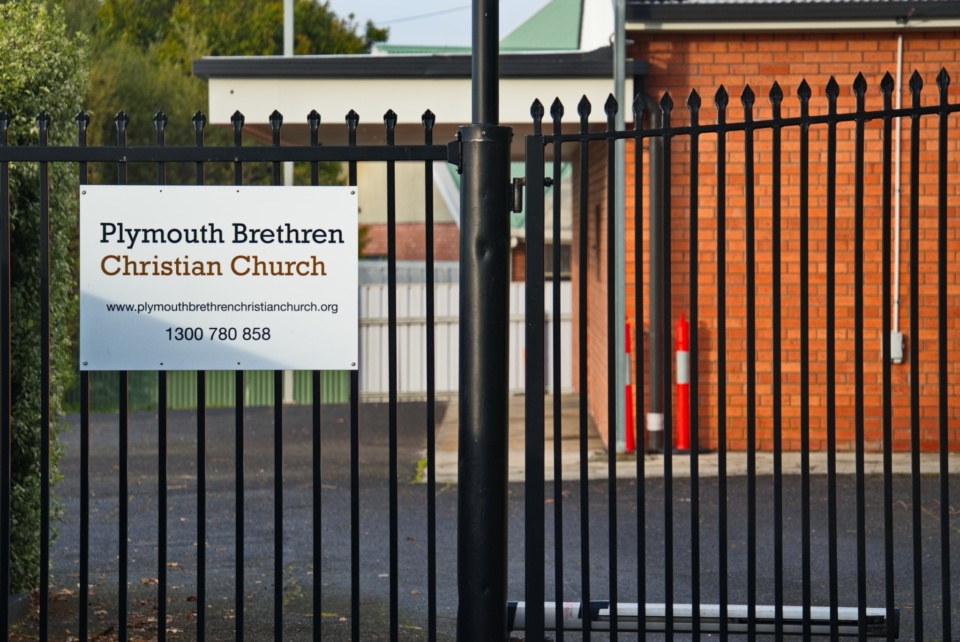
If charges are proven that members of the Brethren movement took part in partisan political…

Posted on 03 Jun 2026
Why exactly are we still getting a day off to celebrate a day that is not the actual birthday of…