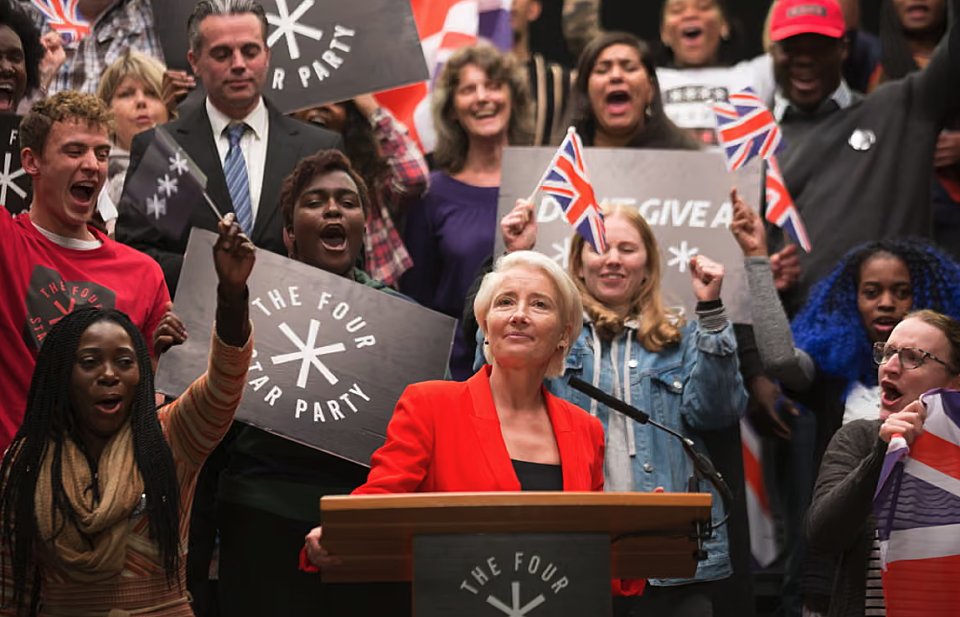
Pauline Hanson and the frightening lesson of ‘Years and Years’
Posted on 07 Oct 2026
Our Community's founder and leader, Denis Moriarty, writes that when he watched an over-the-top…
Posted on 23 Sep 2026
By Denis Moriarty, founder and group managing director, Our Community

There are solutions to counter the rise of One Nation but they might not be residing in the mess that is the current relationship between Australian citizens and government, writes Our Community's founder and leader, Denis Moriarty.
You can’t explain the rise of One Nation by the attraction of their policies, because even they don’t really know what their policies are. For the same reason, you can’t explain it by Australians wanting any particular real-world outcome. If they did, they’d pay heed to all the pundits saying that now Pauline Hanson has a real crack at government, she should be held accountable for her public statements, and they don’t. Any explanation has to be much more general, and more to do with perceptions and feelings. Vibes, basically.
People are fed up, and that’s enough. There’s a widespread feeling that the system is broken, that electoral democracy has flatlined, and that everybody concerned is just in it for what they can get out of it. I don’t personally agree with these propositions, but that just throws me into the dustbin of history along with the other elites who ignore the deafening stomach rumbles of the real people. So what, then, is to be done?
There’s no point in trying to mimic One Nation’s policies, because nobody knows or cares what those are. More than that, the electorate increasingly regards caring about policies – the kind of attitude that values consistency, effectiveness, or acceptance of reality – as a signifier of not listening. Australia is undeniably moving in the direction of Trumpeality, where people demand a government that skips all that boring administrative shit and just uses social media to proclaim every day that it’s fixed everything.
The legacy media finds it very difficult to deal with this worldview, because it has itself a considerable investment in not calling a large proportion of its customers incompetent idiots. This is where we independent commentators come in. I work in the community sector, dealing with voluntary associations, and I have no problem with believing that a minority of concerned citizens might have a truer vision than the average elector of what governments and economies and life in general should be for. That’s just about our mission statement.
The kind of anger we saw reflected in the result of the Secret Harbour by-election in Western Australia isn’t going to be placated by minor changes – see policies, irrelevance of, above. It’s based on a deep revulsion at Australia’s political class, and it can’t be addressed by anything that doesn’t come with a TikTok video of them copping a full-bodied kick in the groin. For the first time in 80 years, the whole concept of parliamentary representative democracy is shifting from background normality into questionable hypothesis.
The process of nomination and election no longer provides legitimacy. The link between the voter and the member is too tenuous. MPs have to conform to the party platform, which automatically makes them into liars about something. Party domination involves prioritisation, compromise, and subordination, all of which are incompatible with true authenticity.
“The legacy media finds it very difficult to deal with this worldview, because it has itself a considerable investment in not calling a large proportion of its customers incompetent idiots.”
Is there, then, any move that can address the bilious resentment that our governments of whatever label now attract? Can we find a path out of this toxic degradation of our relationships that doesn’t involve fascism?
There are, in fact, alternatives that can carry some weight. There’s full democracy, where everybody votes on everything. The ancient Greeks, for example, would have regarded as ludicrous the idea that one could delegate responsibility for lawmaking to somebody else. The entire body of voters (that is, eligible men) turned up in the town square in Athens and got to it. We’ve rather gone off that system over the intervening millennia on the grounds of not having town squares able to accommodate nations that are some thousands of times bigger, but modern technology is now able to cope with that – a text message arrives on your phone, you tick one of the alternatives, and what happens, happens. It may not be optimum, but you can’t complain you weren’t consulted.
Alternatively there’s sortition, where decision-makers are chosen at random through a lottery. A country that invests as much in gambling as Australia does is surely pre-adapted for this. This would bypass the parties and empower individuals, which seems to be what the vibe involves. Venice and Florence did it this way for hundreds of years (though, to be sure, both eventually ended up in practice as just the kind of rotten oligarchy that people quibble about today).
If you’d prefer some middle ground, there’s the citizens’ jury, where a random selection of the population is called together to debate at length on a proposal. That’s actually been applied from time to time in Australia with results that were encouraging enough to explore further but not decisive enough to incorporate in our standard systems of governance. Now that the political pressure cooker is bouncing around ominously on the stove it may be worth looking at it again.
An even simpler solution, of course, would be for those Australians who don’t like the way the world is going to actually join the political parties they’re complaining about and get their views heard there, but our party membership numbers have declined nearly as steadily over the last 50 years as our life expectancy has risen. Our task is to find a means of giving the people power without responsibility. Do you have any ideas on how to achieve this? Because we’re certainly not going to get them from One Nation.
Denis Moriarty is group managing director of OurCommunity.com.au, a social enterprise that helps the country's 600,000 not-for-profits.
We're proud to take a stand on progressive issues. Here are more recent opinion pieces.
Posted on 07 Oct 2026
Our Community's founder and leader, Denis Moriarty, writes that when he watched an over-the-top…

Posted on 30 Sep 2026
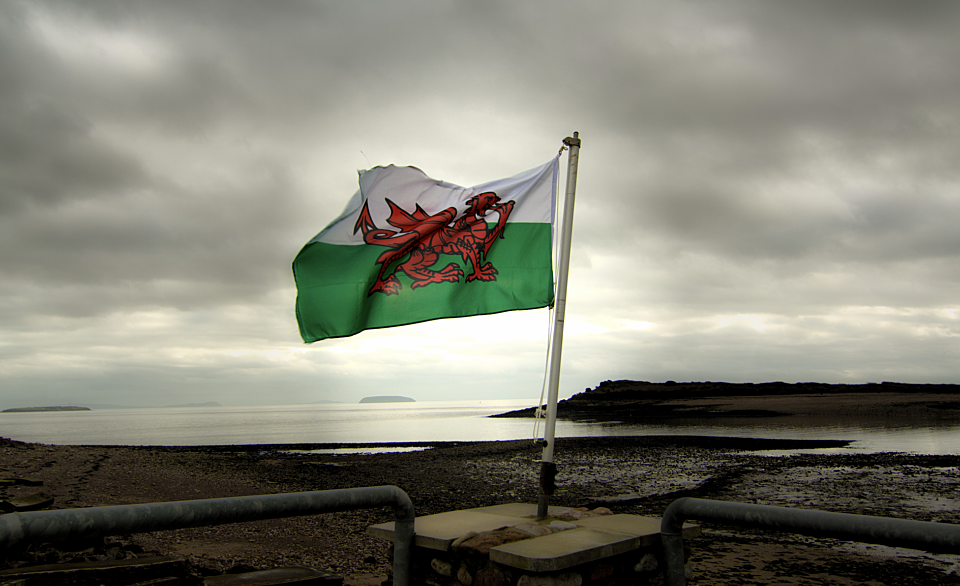
After the biggest AFL game of the year, one player proudly wore the flag of his birth country and…
Posted on 03 Sep 2026
Denis Moriarty has an issue with insurance companies varying premiums because of what they perceive…
Posted on 26 Aug 2026
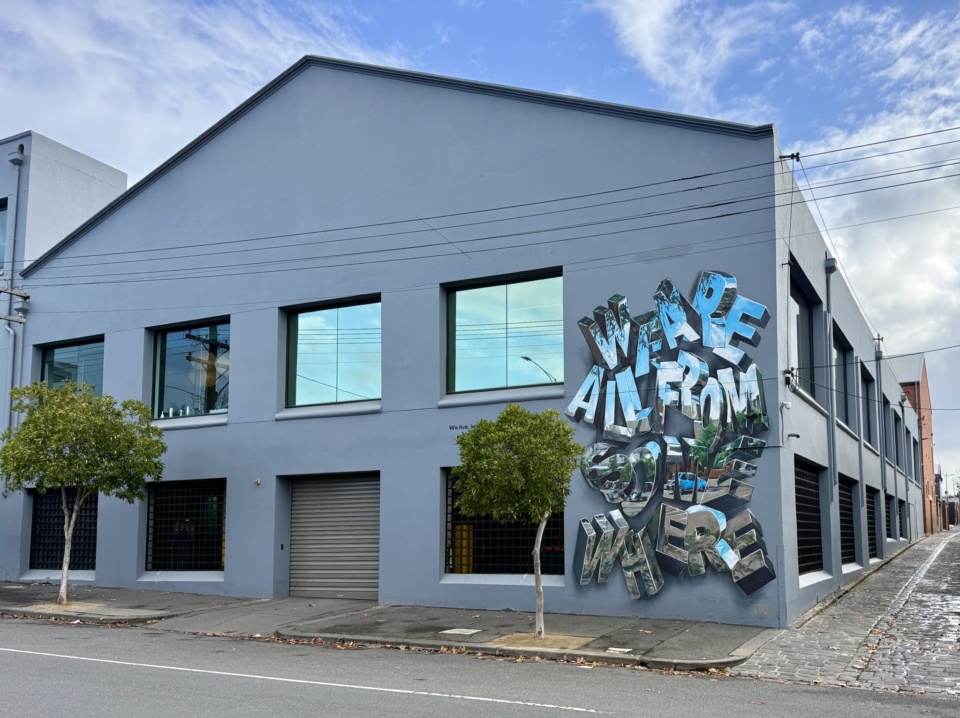
Our Community's founder and leader, Denis Moriarty, says he commissioned a new piece of street art…

Posted on 12 Aug 2026
Our Community's founder and leader, Denis Moriarty, says fostering a child was his worst nightmare,…
Posted on 15 Jul 2026
Our Community's founder and leader, Denis Moriarty, on what's special about the shared workplace…

Posted on 08 Jul 2026
The Royal Australasian College of Physicians has found itself facing serious scrutiny from the…

Posted on 30 Jun 2026
Australian house prices rose roughly 8,300 per cent between 1970 and 2025, so it would seem…
Posted on 17 Jun 2026
If charges are proven that members of the Brethren movement took part in partisan political…

Posted on 03 Jun 2026
Why exactly are we still getting a day off to celebrate a day that is not the actual birthday of…

Posted on 20 May 2026
It is not really a surprise that we have trouble getting our heads around what the rise of…
Posted on 14 May 2026
Is it possible that Australians are revelling in demented hysteria at the moment, imagining all…