Billion-dollar community funding pool is making a difference
Posted on 21 Oct 2026
Backed by tangible successes and government support, community foundations are gaining momentum as…
Posted on 02 Sep 2026
By Nick Place, journalist, Community Directors
One of the architects of the 2024 Not-For-Profit Sector Development Blueprint says the document remains relevant, has been embraced by important ministries and could still lead to a breakthrough in sector-government relations – as long as the sector continues to champion it.
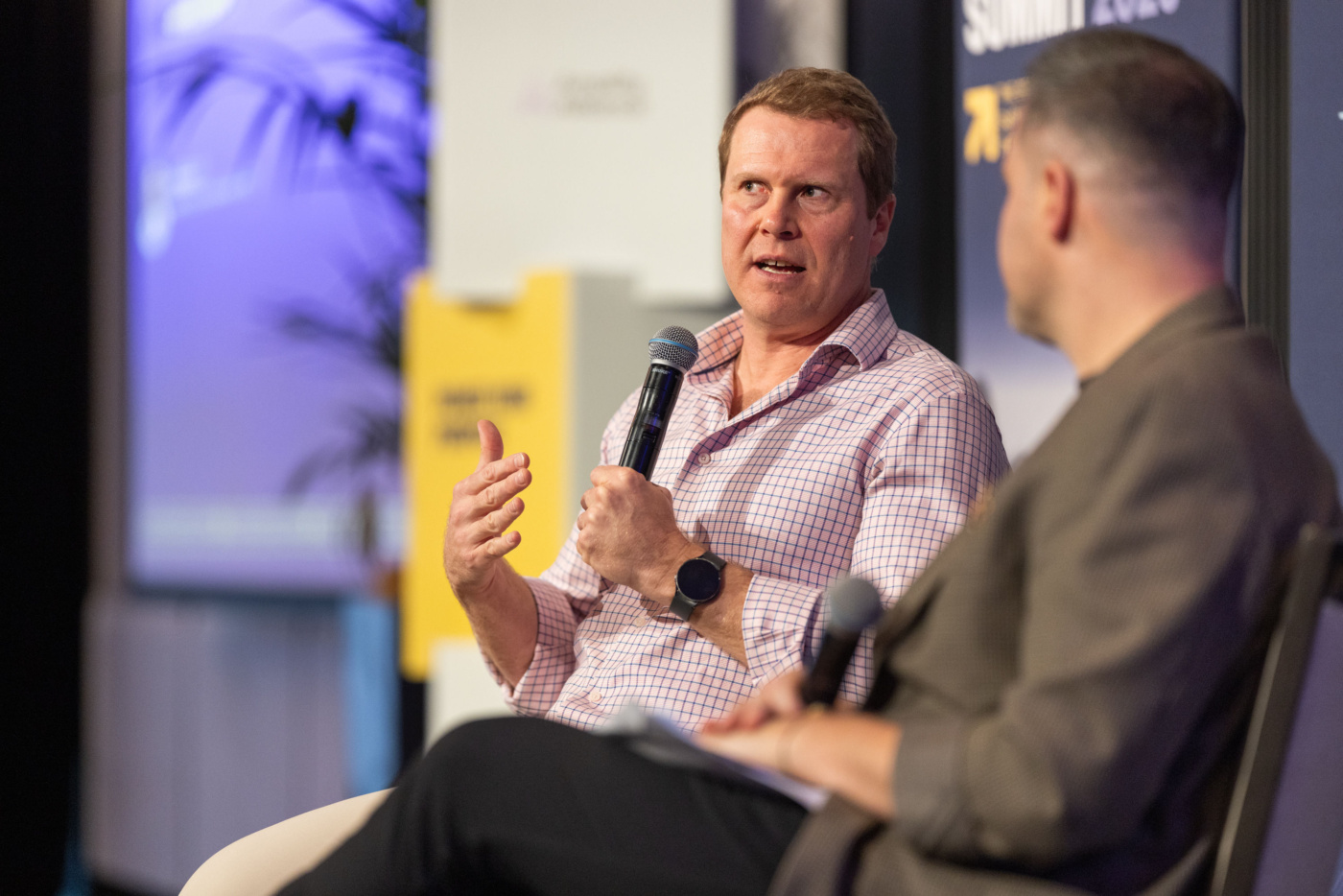
Speaking at the Amplify Alliance National NFP Summit in Canberra last week, Rob Sturrock, from the Australian Council of Social Service (ACOSS), was asked whether the landmark document was gathering dust on a shelf somewhere in Parliament House instead of doing the job it was intended for, as the government did not formally respond to its recommendations by the March 2025 deadline set by the sector.
Sturrock, ACOSS program director for community services, said the blueprint’s mission remained on track, although he warned sector leaders that it needed their continued support and advocacy to reach its goals.
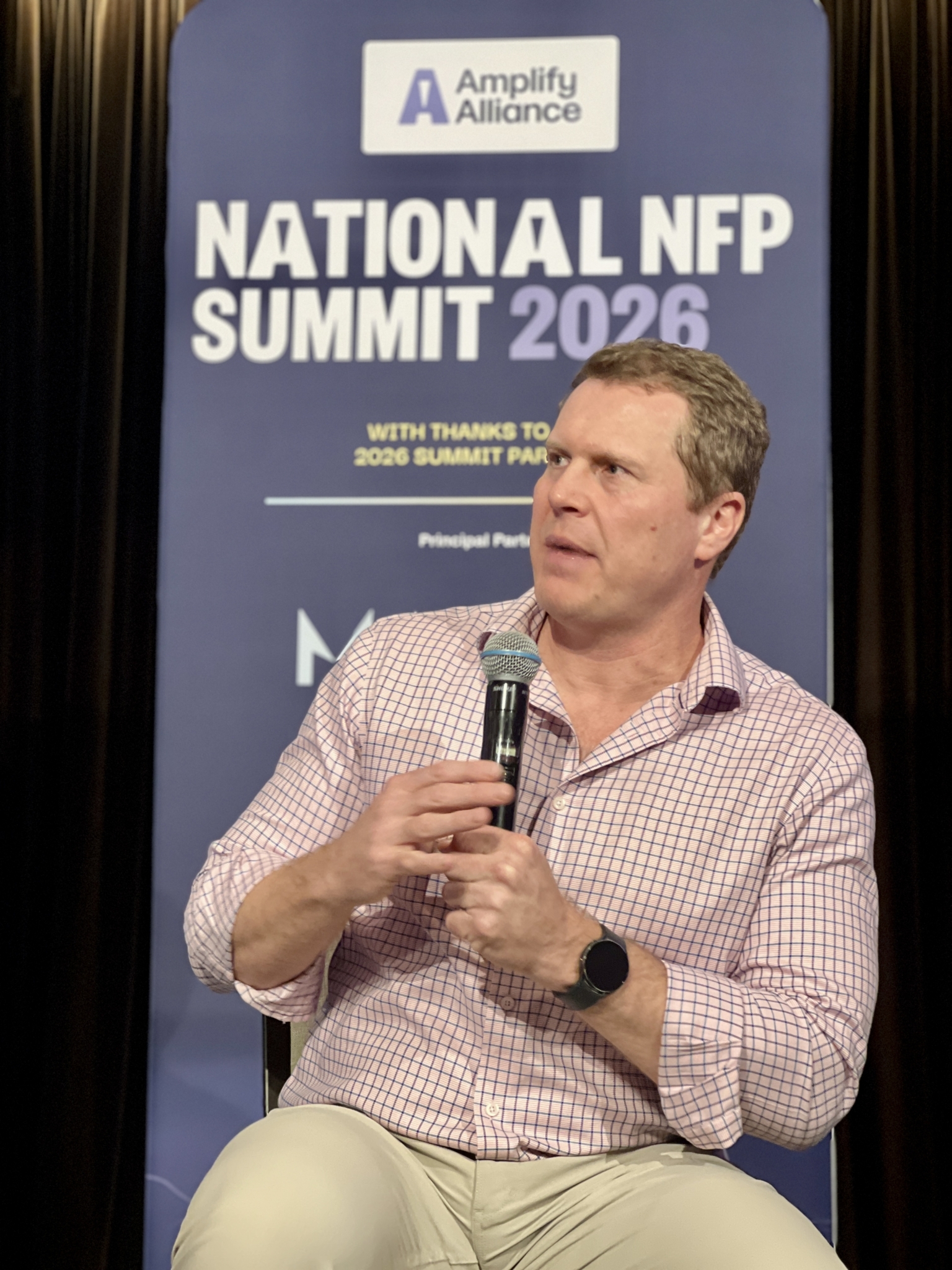
“My contention is that right now it is a breakthrough,” he said. “We have that blueprint as part of the reform agenda for both the government and sector. It is within the machinery of government, it has been picked up and led by elements of our sector. So I do think it is a breakthrough.”
When delivered, the blueprint was met with broad support across political divides and – crucially, Sturrock said – was recognised as a sector-led vision of required actions, but then the government failed to provide a formal response by the deadline requested by the sector.
“In the first 12 months, honestly it was very hard to see that it was an active part of the government’s agenda after we’d handed it over to them,” Sturrock told the summit, but that has now changed, he said. At the sector roundtable last year, ministers made it clear that the blueprint was active. “[Social Services] Minister Tanya Plibersek even committed to giving an update on the blueprint against each initiative at future meetings and at regular intervals,” he said.
The Community Services Advisory Group is now receiving those updates, and Sturrock said they showed that progress is being made. He said the Treasury and the Department of Social Services had shown the most leadership, while the Department of Finance had lagged.
“For our sector, they [the Department of Finance] set so many of the rules and the guidelines and agreements about how the sector is funded, what a grant looks like, how long it can run for,” he said. “They’re across the blueprint, but they haven’t taken it up the way that I’d say Minister Plibersek and DSS has.”
Sector leaders must continue advocating for the blueprint’s major reforms, he said. “We will remain the custodians of its life and its longevity, and it’s only by working together that we’ll achieve the lasting reform that the blueprint is aiming for and get lasting reform from government as well,” he said.
“It’s not something that is going to get implemented for us. It’s something that we’re going to have to deliver together, and the intellectual leadership behind the blueprint remains with us as a sector.”
Sturrock acknowledged the government’s history of failing to act on NFP sector recommendations for system change. In 2023, the former director of the Australian Centre of Philanthropy and Nonprofit Studies, Myles McGregor-Lowndes, famously found that in 30 years of government-sponsored reports on the NFP sector, there had been 160 recommendations put forward, of which 21 had been implemented, 113 had not been implemented and 33 had been partially introduced or were no longer relevant to the sector.
Sturrock said he remained optimistic that the blueprint was different because it was driven by a “big picture” policy vision.
“The blueprint is not just a laundry list of regulatory and funding asks for the sector,” he said. “It’s situated in a wider landscape. Not-for-profits are a fundamental part of Australian democracy and civil society, as I was saying. And we're not simply contractors delivering government programs. Our value and our role in communities across the country is much deeper than that. And perhaps now that’s more important than it’s been in a generation.
“My contention is that right now it is a breakthrough. We have that blueprint as part of the reform agenda for both the government and sector.”
“The sector employs over three million volunteers. “That contributes around 320 million unpaid hours, roughly calculated at about $13.8 billion in additional value. On top of that we’re enriching social cohesion, we’re bringing people together in communities and strengthening them. More critically now than ever, we are safeguarding our democratic system by holding the powerful to account by advocating for systemic change to make Australia fairer, especially for those who need help the most.
“So, all those different ways of how we are contributing to Australia's national wellbeing. And that is reflected in the blueprint and underpins the recommendations we put forward.”
The blueprint was commissioned by the Albanese Labor government when it came to office in 2022, and sector heavyweights and advisers spent two years on it. It was presented to government in November 2024, based on three pillars of reform: to create a better regulatory framework; to be people-focused and clear in purpose; and to ensure the sector could adapt to future challenges. The blueprint made 18 recommendations for reform.
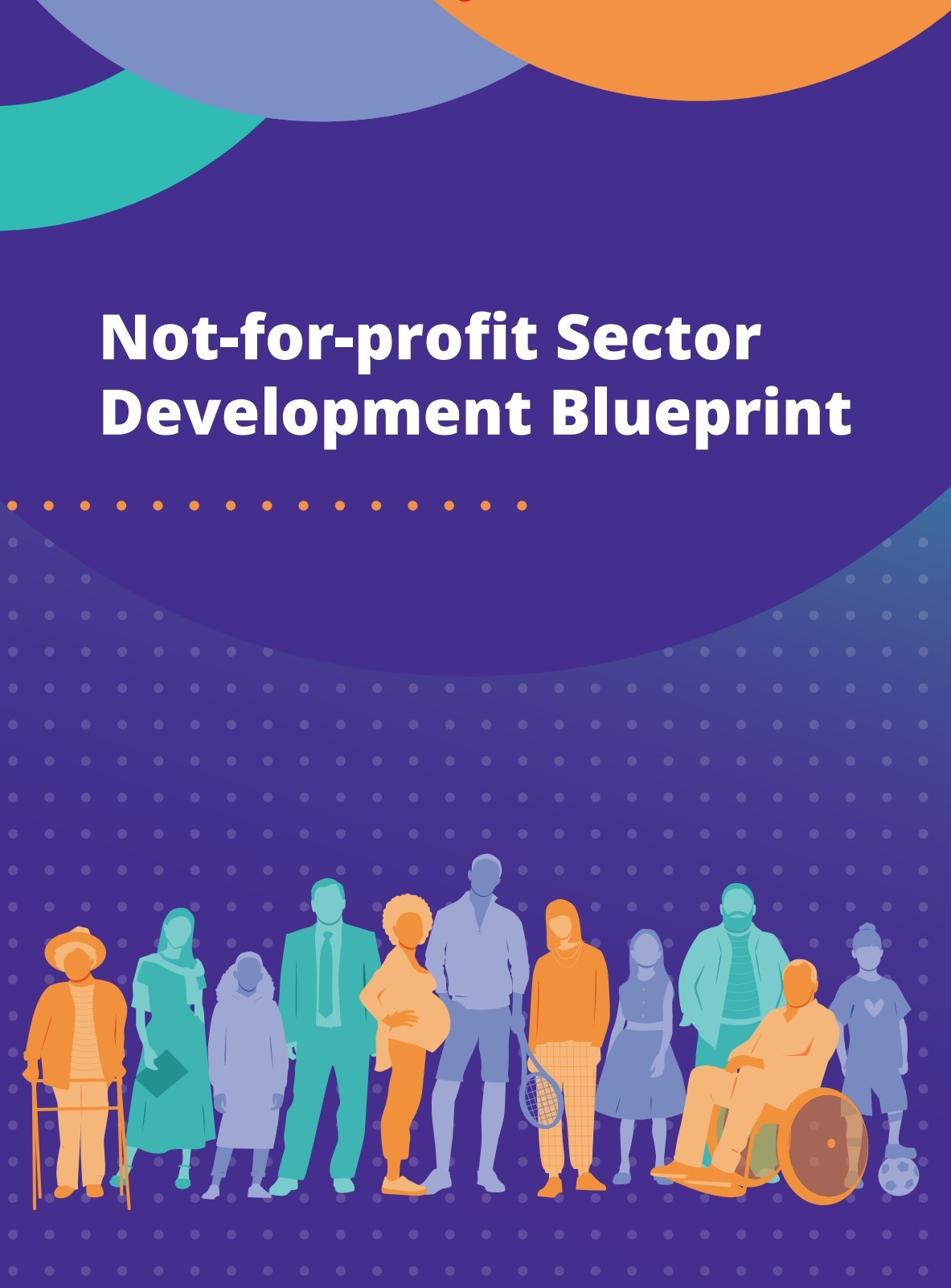
New forms of not-for-profits, changes in volunteer numbers and the way people volunteer, and the demand for charity leaders to be more representative and inclusive of the communities all influenced the blueprint, he said.
Acknowledging impatience in the sector for major reform, driven by the blueprint, Sturrock said the document was deliberately structured as a 10-year plan, with the 18 recommendations stepped out across the decade.
“In a lot of reform documents, everything is urgent, everything is important, but then you risk that the recommendations tend to cancel each other out,” he told the summit. “The blueprint took a different approach and didn’t try and do everything at once.
“We had the foundational reforms we thought were really essential to be done in the first one to two years. Then we had the reforms that we thought were required to consolidate the sector in years three to six, and then, to make sure that it remained a current, relevant and a live document through years seven to 10, built in a review of the reform and renewal of the blueprint itself, asking where do we need to see the sector go at the end.”
What blueprint recommendations have been implemented already?
“Regulatory harmonisation, which was in Initiative 1, was a key, fundamental reform for the first couple of years, and those initial changes are indeed happening,” Sturrock said.
Policy harmonisation work across state and territory borders is being done on working with children checks, background checks, child safety frameworks, and fundraising rules, he said. Treasury announcements on the scrapping of the $2 tax deduction threshold and new community charity DGR guidelines were also from the blueprint.
Meanwhile, within the NFP sector, Sturrock, said Justice Connect was leading the way on arguing the case for unlocking DGR status for more charities, and the Stronger Charities Alliance was advocating for regulatory change to safeguard the sector from political interference in the future. Settlement Services International was pushing for a longer-term plan for migration and to recognise migrant skills, and InfoXchange was pushing the Digital Futures campaign, “a standout example of where the sector is not waiting for the government and is leading the policy thinking and building the coalition and making the case for investment in our sector's digital architecture and capabilities,” Sturrock said.
Not everything was rosy, however. Sturrock said ACOSS disability representatives had warned government “over and over again” about the potentially serious impact of proposed NDIS changes on people with disability, especially as they had not been part of the policy-formation process.
“If we don’t get service reforms right up front, we’re going to continue to pay a very high price for years to come,” he said of that example. “It’s vital that we are the ones urging government to draw on the blueprint when it comes to partnering with us to design the best solutions for the best outcomes.”
Sturrock’s key message to the Amplify Alliance summit audience was that nobody in the sector could afford to leave it to the government or others to make the blueprint recommendations happen.
“I think one of the challenges we face, and that any sector faces when you hand a major reform plan forward, is … that people assume that that work, once it’s launched, is somewhat completed or that there’s some central agency or entity that is slowly implementing the reforms in the background,” he said.
“That’s not true when it comes to the blueprint.”
Posted on 21 Oct 2026
Backed by tangible successes and government support, community foundations are gaining momentum as…
Posted on 21 Oct 2026
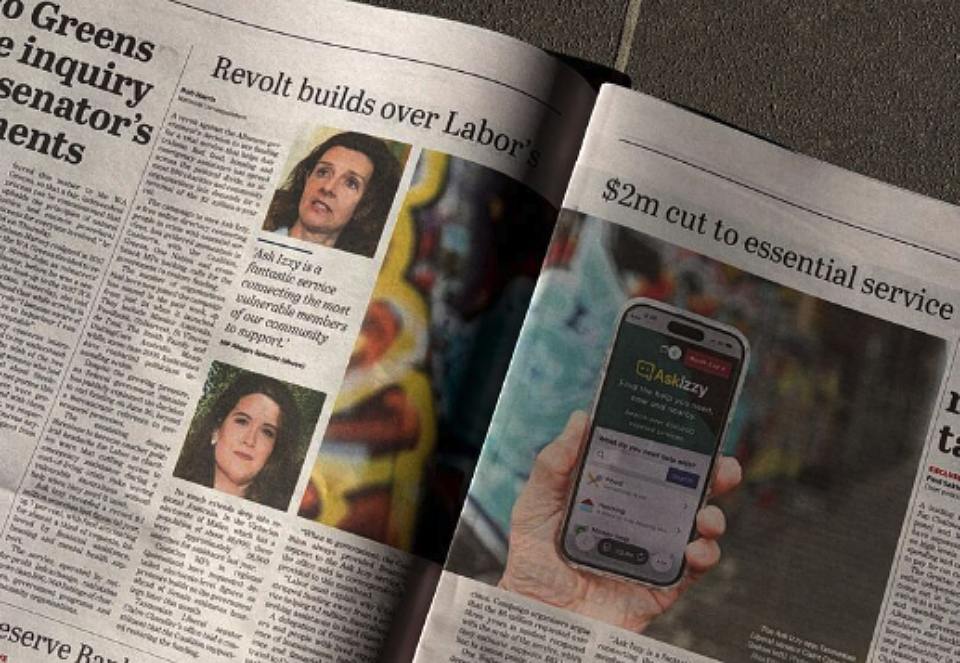
A national campaign to restore federal funding for Ask Izzy has attracted such strong grassroots…
Posted on 21 Oct 2026
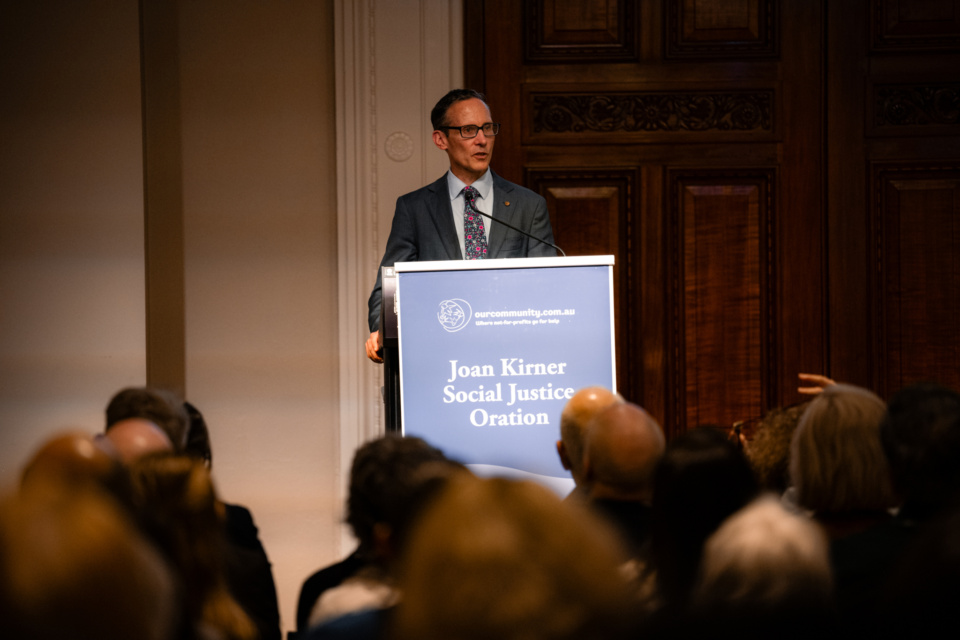
In the wake of an act of violence against federal independent MP Helen Haines, Charities Minister…

Posted on 21 Oct 2026
If your charity takes a stance that happens to align with a political party’s stance in a public…

Posted on 14 Oct 2026
The federal government’s special envoy for social housing and homelessness, Josh Burns MP, has…

Posted on 14 Oct 2026
The Reserve Bank’s move to ban card payment surcharges has led to complications for charities and…

Posted on 14 Oct 2026
Violet Roumeliotis, the chief executive of Australia’s biggest migrant support organisation, will…

Posted on 07 Oct 2026
A major public campaign launched this morning is calling on the federal government to restore…

Posted on 07 Oct 2026
The Australian Literacy & Numeracy Foundation (ALNF) has announced a partnership with mining…

Posted on 07 Oct 2026
A conference in Darwin will this morning hear detailed, strategic plans for how Australia could…

Posted on 30 Sep 2026
Not-for-profit leaders have been warned to be wary of approaches from potential “funding partners”…
Posted on 30 Sep 2026
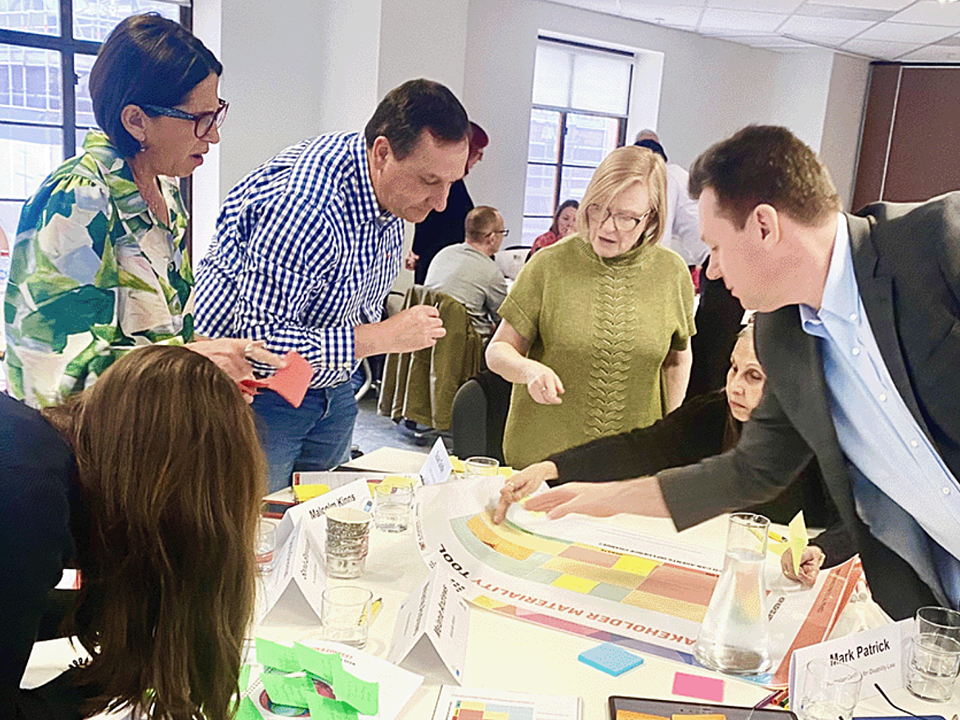
More than 200 fully funded Centre for Social Impact (CSI) scholarships will help equip for-purpose…