
Billion-dollar community funding pool is making a difference
Posted on 21 Oct 2026
Backed by tangible successes and government support, community foundations are gaining momentum as…
Posted on 16 Sep 2026
By Nick Place, journalist, Community Directors

While there is no shortage of studies examining not-for-profits from every angle, a new research project from the Centre for Social Purpose Organisations aims to chart new territory: how effective NFP leaders are at strategic decision-making.
The Centre for Social Purpose Organisations is part of the Melbourne Business School at the University of Melbourne. It aims to bring the school’s business management and leadership training to the NFP sector.
The strategic decision-making study, which includes a major survey of NFP senior executives, is examining how charity leaders work their way through the many unique challenges that come with running a not-for-profit organisation.
“While a growing body of literature examining strategic issue management and decision-making in for-profit organisations exists, there is a lack of evidence-based knowledge about how NFPs navigate these same challenges,” the centre’s director, Dr Libby Ward-Christie, said.
“While it is easy to assume [that] the strategic issues NFP organisations face mirror FP organisations, we know that this just isn’t the case.
“NFP decision-making is often more complex, with more individuals from more diverse backgrounds involved, more complex stakeholder relationships and often a greater degree of public accountability and scrutiny. They are also generally operating in resource-scarce contexts.”

Ward-Christie said Melbourne Business School research had shown that in for-profit organisations, strategic issues do not arrive clearly labelled and needed to be interpreted by executives.
“It is up to the decision-maker to judge whether the matter deserves attention, how urgently it needs a response, and even whether a response is feasible,” she said.
“For a for-profit business turning over less than $20 million annually, who the decision maker is, is usually fairly straightforward. However, in a NFP of the same size, the number and diversity of the decision-makers involved in these matters is far more complex.”
More than 97 per cent of for-profit entities turning over less than $20 million are private companies that legally must have at least one director. Ward-Christie said directors of businesses this size are often also owners, deeply immersed in all aspects of the business and its strategic challenges.
However, for a not-for-profit with the same turnover, the decision-making process is markedly different, she said.
“Not-for-profits, irrespective of size, are required to have a board of at least three directors, and more than 75 per cent of those directors are voluntary,” she explained. “Often these directors are recruited from the for-profit sector, and their experience is not specific to the social purpose context of the organisation they are governing.
“They therefore find themselves relying heavily on the sector-specific and organisational knowledge of their CEO and other senior managers to make effective strategic decisions. This means that, unlike [in] a similarly sized for-profit company, strategic decision-making in a NFP can involve a large number of people, from very different professional backgrounds.
“Often, unbeknownst to them, these decision-makers represent a diversity of norms, values and beliefs because of their professional backgrounds and experience, and this diversity in world views can make agreeing on a course of action more complex and difficult than it is in a for-profit context.”
“While it is easy to assume [that] the strategic issues NFP organisations face mirror FP organisations, we know that this just isn’t the case.”
NFPs also had to consider a wider and more complex group of stakeholders when making strategic decisions, she said, including the community at the core of their social purpose, government, funders and other organisations in the same sector.
As part of their research, Ward-Christie’s team will consider existing publications such as the Not-for-profit Sector Development Blueprint, the Centre for Social Impact’s State of the Social Economy in Australia report, and the Australian Institute of Company Directors’ NFP Governance and Performance Study, which Ward-Christie said had all identified system-led challenges, changes and policy reform agendas.
Despite all these reports, which map the broader sector landscape, questions remain about individual challenges, she said.
“There remains an absence of granular, evidence-based knowledge about how senior leaders within NFP organisations identify, interpret, and respond to the strategic issues their organisations face.
“This study addresses these gaps, focusing on the challenges leaders face, the decisions they must make and the development of frameworks for better outcomes.”
The study aims to develop evidence-based, context-relevant strategic decision-making tools and frameworks that acknowledge:
Phase one is the survey, which is open to senior leaders of charitable NFP organisations, including chief executives, executive directors and other senior managers.
The survey is open now.
To complete the survey, click here.
Posted on 21 Oct 2026
Backed by tangible successes and government support, community foundations are gaining momentum as…
Posted on 21 Oct 2026
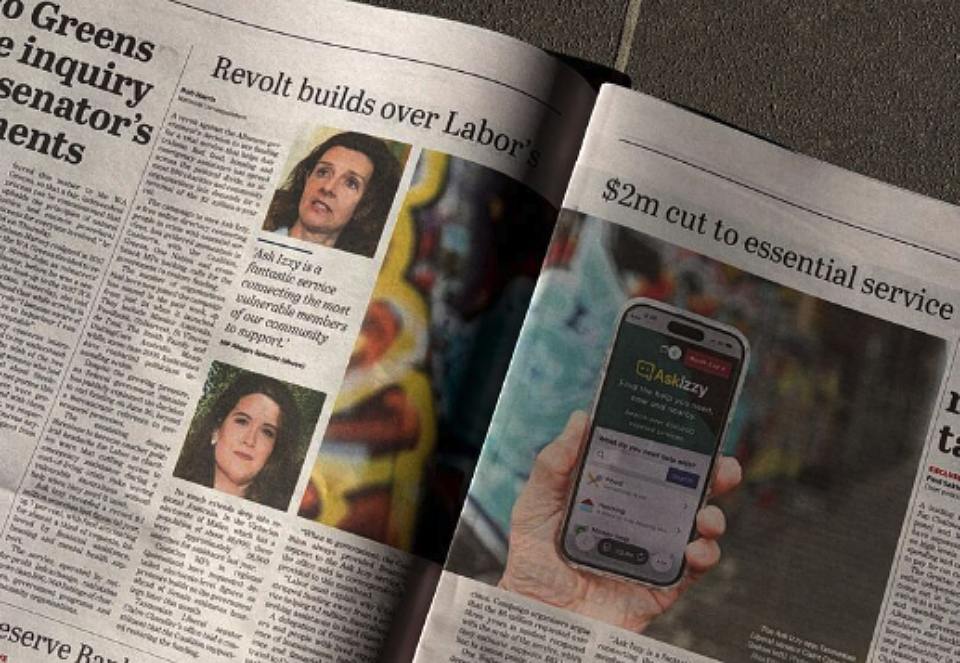
A national campaign to restore federal funding for Ask Izzy has attracted such strong grassroots…
Posted on 21 Oct 2026
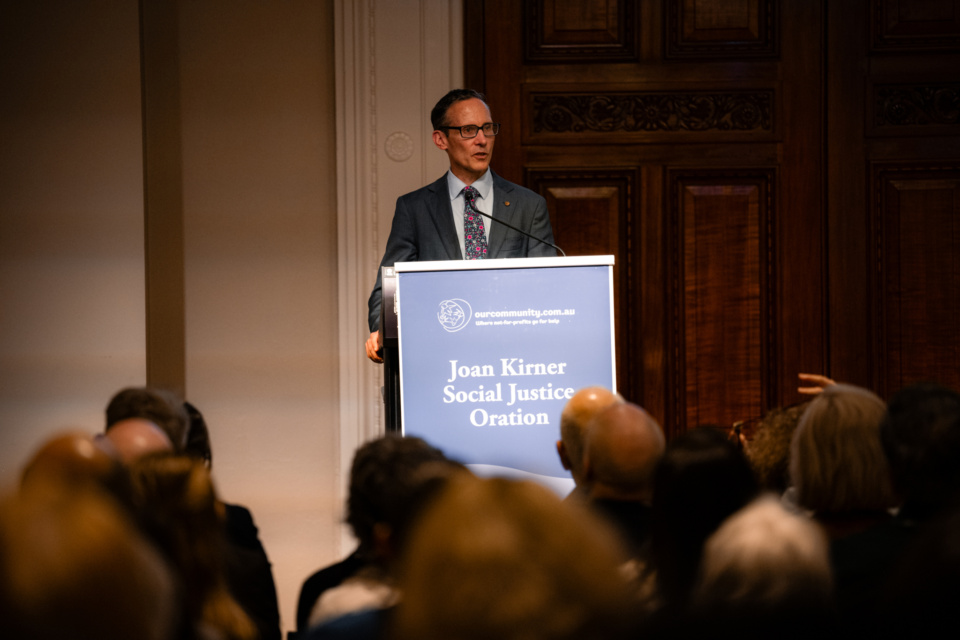
In the wake of an act of violence against federal independent MP Helen Haines, Charities Minister…

Posted on 21 Oct 2026
If your charity takes a stance that happens to align with a political party’s stance in a public…

Posted on 14 Oct 2026
The federal government’s special envoy for social housing and homelessness, Josh Burns MP, has…

Posted on 14 Oct 2026
The Reserve Bank’s move to ban card payment surcharges has led to complications for charities and…

Posted on 14 Oct 2026
Violet Roumeliotis, the chief executive of Australia’s biggest migrant support organisation, will…

Posted on 07 Oct 2026
A major public campaign launched this morning is calling on the federal government to restore…

Posted on 07 Oct 2026
The Australian Literacy & Numeracy Foundation (ALNF) has announced a partnership with mining…

Posted on 07 Oct 2026
A conference in Darwin will this morning hear detailed, strategic plans for how Australia could…

Posted on 30 Sep 2026
Not-for-profit leaders have been warned to be wary of approaches from potential “funding partners”…
Posted on 30 Sep 2026
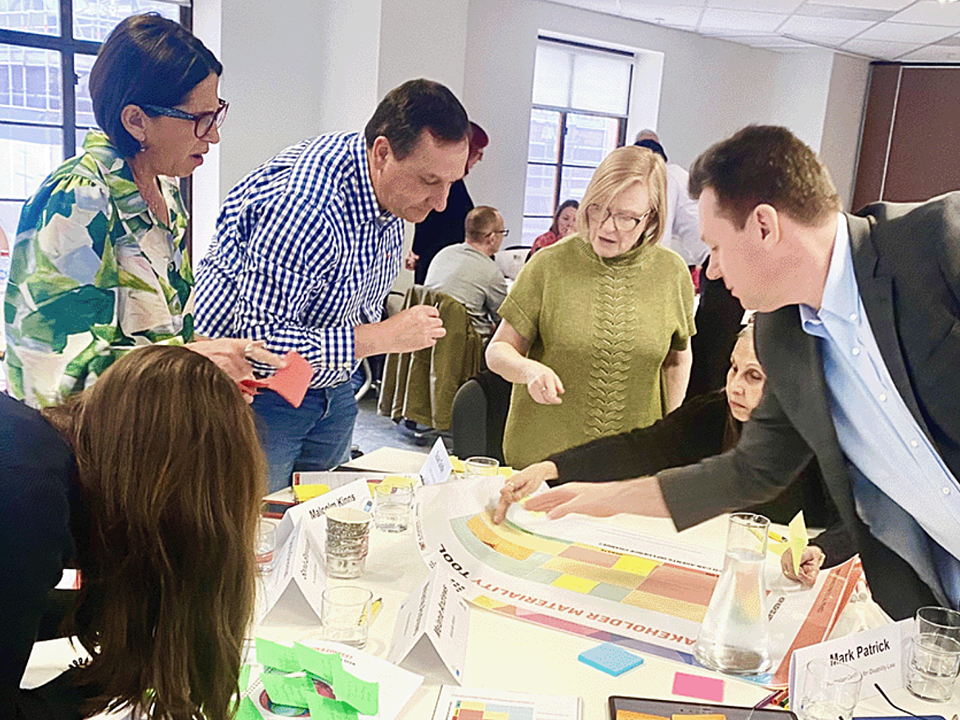
More than 200 fully funded Centre for Social Impact (CSI) scholarships will help equip for-purpose…