From passion project to a national prison newspaper, speaking to and for those doing time
Posted on 07 Oct 2026
Joseph Friedman is co-founder and publisher of About Time, Australia’s only newspaper for…
Posted on 05 Aug 2025
By Nick Place, journalist, Institute of Community Directors Australia
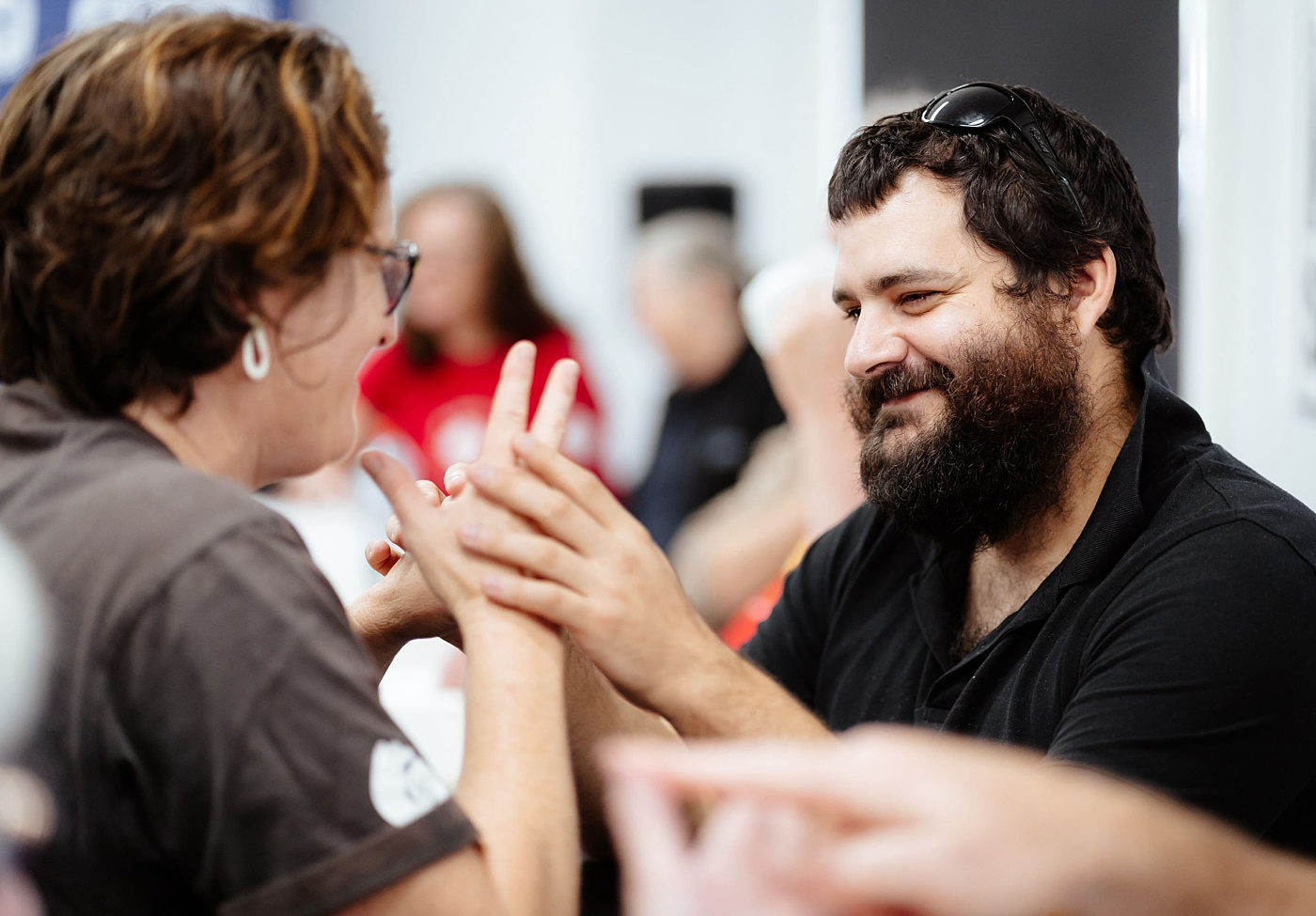
Jex Truran-Lakaev lives with deafblindness and created the Hunter Deafblind Project in NSW to provide social, emotional and practical support for fellow deafblind people. It has gone from strength to strength, as he explains.
In 2015, I founded a small social group for deafblind people in the Hunter region as a place for deafblind people to connect, communicate, develop friendships and reduce their isolation.
Those grassroots beginnings sparked something bigger. It soon became clear that many deafblind individuals, particularly those living in the last of the large residential centres, had spent decades in isolation – with no access to communication, and nobody around them with the skills to support or understand them. Their stories were confronting but motivating, and they became a driving force behind applying for funding to launch the Hunter Deafblind Project.
A common misconception is that deafblind people are completely deaf and completely blind, and that we all communicate the same way.
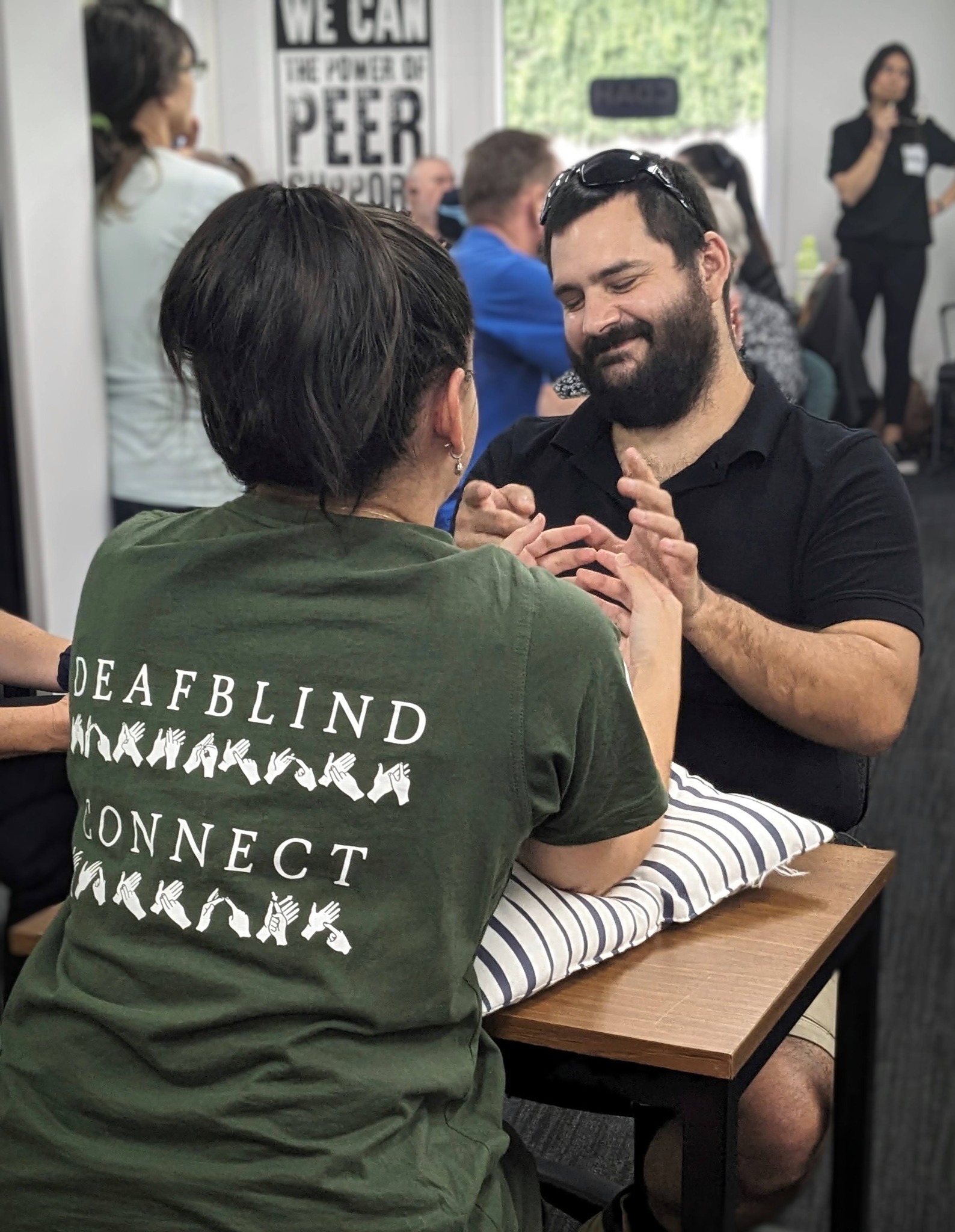
Communication with deafblind individuals can be very complex, especially when the person they’re interacting with isn’t fluent in the appropriate communication method (like tactile signing, for example). Misunderstandings, confusion and miscommunication are unfortunately common, and it's not the fault of the deafblind person – it’s often due to a lack of proper access or support.
Each deafblind person is different. Some may have residual vision or hearing, others may not. Some use tactile sign language, some use braille, some use speech or assistive technology – communication needs to be tailored to the individual's preferred method.
Better explaining, clearer communication and more patience can make a huge difference. Giving deafblind individuals the time and tools to fully understand the conversation helps them respond more accurately and with more confidence.
Throughout the life of this project, we’ve celebrated many significant achievements that reflect the growing strength, confidence and connection within our community.
One of our standout successes is the development of our fortnightly Hub. What began as a social gathering has evolved into a vibrant central meeting point that fosters learning, leadership and meaningful connection. The Hub has become a vital platform where community members engage in accessible workshops – many shaped by community feedback – and gain access to knowledge and skills often inaccessible to them elsewhere.
We’re proud to mentor Auslan students on their journey to becoming interpreters, creating a bridge between education and lived experience, and cultivating a new generation of professionals who are grounded in authentic community connection.
Our team also published a Q1-ranked journal article exploring what it truly takes to build and sustain meaningful community connection. This publication is a testament to our commitment to not only delivering grassroots impact but also contributing to broader discourse and knowledge-sharing.
Year after year, we’ve hosted highly successful deafblind awareness events, drawing hundreds of attendees. These events have not only raised awareness but also elevated the visibility of our community in powerful ways. A recent feature on the ABC brought national attention to our work, further amplifying our voice and mission.
Perhaps most meaningfully, we’ve witnessed profound personal transformation. People now travel up to five hours to attend our Hub sessions – a testament to the connection and value they find in this space. Our deafblind community is no longer isolated; they are seen, heard, empowered, and deeply connected.
This project has not only delivered supports, it has also sparked a movement. The strength and resilience we see today in our community is rooted in the opportunities this project has made possible.
“Who inspires me? I do. I have the power to live with everything life brings. My experiences, my family and community, my education – and most of all, accepting myself. I live with very limited sight and no sound, but I’ve found other ways to achieve the goals I chose for myself.”
Employment opportunities for deafblind people are not one-size-fits-all; they vary depending on the individual’s abilities, preferences, and access to support. With the right reasonable adjustments – such as adaptive technology, communication support, flexible hours, and accessible environments – many deafblind individuals are fully capable of contributing meaningfully to a wide range of roles.
Unfortunately, a significant barrier remains: a lack of understanding or willingness within the broader community and workplace environments. Many employers are unsure how to make these adjustments or are simply unwilling to invest the time or resources to learn. As a result, deafblind individuals are often overlooked, not because they lack ability, but because society fails to recognise or accommodate their potential.
This challenge is part of a broader issue. We still live in a society where people with disabilities are undervalued. Their talents, creativity, resilience and lived experience are often not seen as assets. Instead, outdated views and ableist assumptions persist, limiting opportunities before a fair chance is even given.
What’s needed is a cultural shift – one where inclusion is not seen as charity, but as a benefit to everyone. Creating truly inclusive workplaces unlocks innovation, diversity of thought, and stronger communities.
People who are deafblind or have other disabilities are often underestimated, limited by systems that don’t adapt, and denied the chance to show what they can do in their own way.
Respect and choice matter. Deafblind people – like anyone – should have control over their own goals, careers and paths. It’s not right when others decide for them what’s “too hard” or “not safe” without even giving them a chance to prove themselves.
It’s about adapting the system, not the person. Instead of trying to force deafblind people to follow the same exact steps as everyone else, the system should work with them to find new ways – including new tools, supports, or training methods – that still get the job done safely and effectively.
The quick answer is that accurately capturing data on individuals with dual sensory loss or impairment (such as deafblindness) is extremely complex for many reasons. So, there are lots of statistics out there and I am not sure which ones could be accurate. Deafblindness is low-incidence disability in the scheme of things, and unfortunately this is one of the reasons it is often underfunded, under-recognised and under-researched. Yet having said that, people with deafblindness are one of the most isolated and marginalised groups of people within the disability sector.
The issues with collecting accurate figures include:
Universal access to trained, qualified and consistent communication support – any time and anywhere.
Here’s why:
Who inspires me? I do. I have the power to live with everything life brings. My experiences, my family and community, my education – and most of all, accepting myself. I live with very limited sight and no sound, but I’ve found other ways to achieve the goals I chose for myself.
People should never treat deafblind individuals like they’re less than human. We are not little dogs to be pitied or controlled. We are people, with our own minds, strength and purpose.
Jex’s first language is Auslan, so this interview was conducted via Auslan to English. The Community Advocate would like to thank Justine Lorenz at the Hunter Deafblind Project for her assistance.
Posted on 07 Oct 2026
Joseph Friedman is co-founder and publisher of About Time, Australia’s only newspaper for…
Posted on 30 Sep 2026
At 21 years old, Tate Donohoe is the founder of Ecodia, an AI-assisted software development company…
Posted on 02 Sep 2026
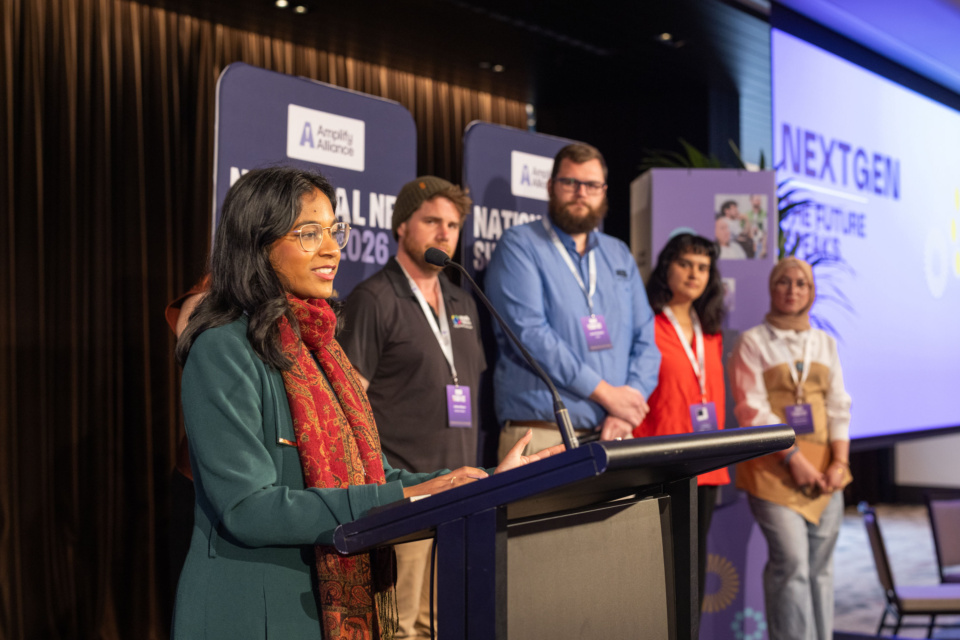
At last week’s Amplify Alliance National NFP Summit, Satara Uthayakumaran, 23, brought the voices…
Posted on 26 Aug 2026
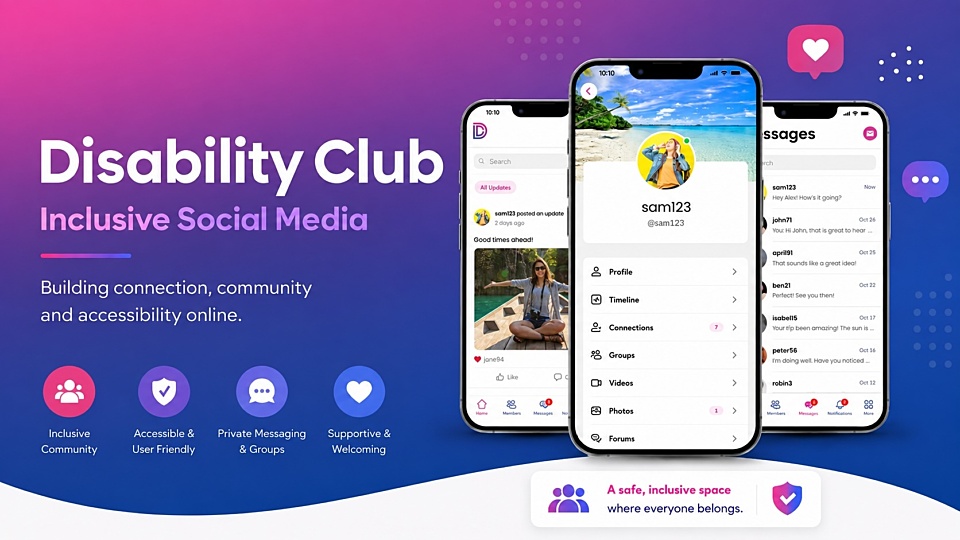
Nathan Johnston lives in Bega, NSW, and lives with cerebral palsy. He’s the creator of Disability…
Posted on 19 Aug 2026
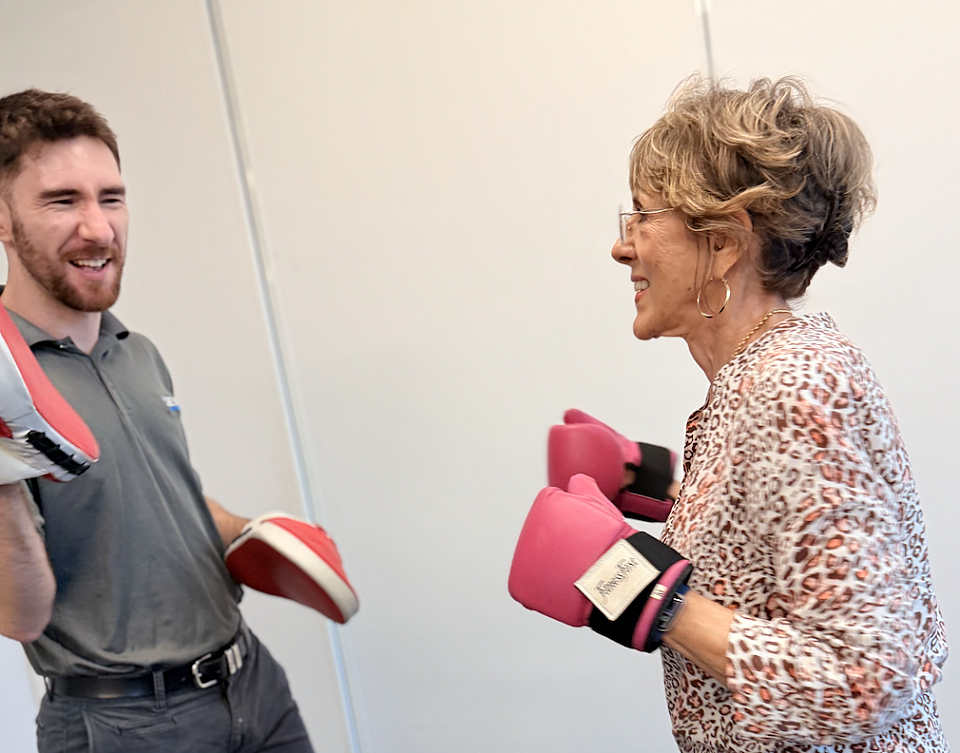
Coralie Wales is the founder of Strong Australia, an ACNC-registered health promotion charity that…
Posted on 08 Jul 2026
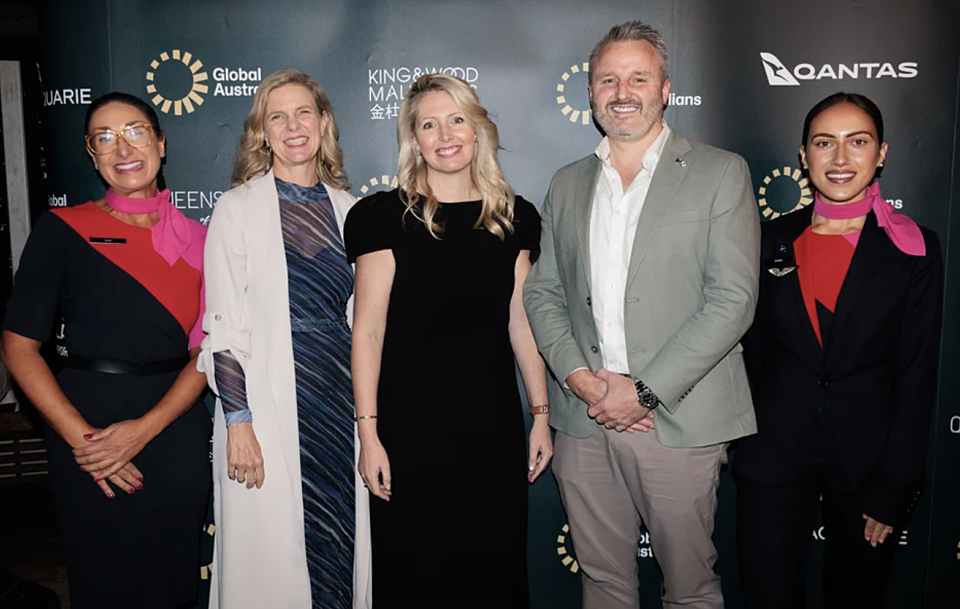
Kate McQuestin is CEO of Global Australians, a not-for-profit aimed at connecting Australians…
Posted on 30 Jun 2026
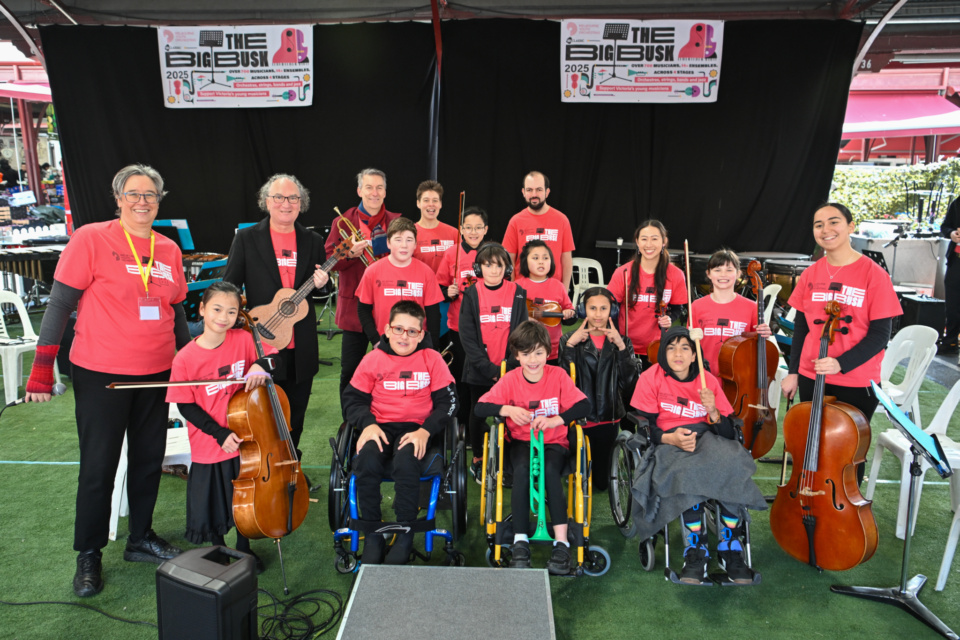
Anthea Skinner is a musicologist, a senior lecturer in disability creative performance at the…

Posted on 24 Jun 2026
Lizzie Mettam manages corporate partnerships for DV Safe Phone, an organisation that provides…
Posted on 17 Jun 2026
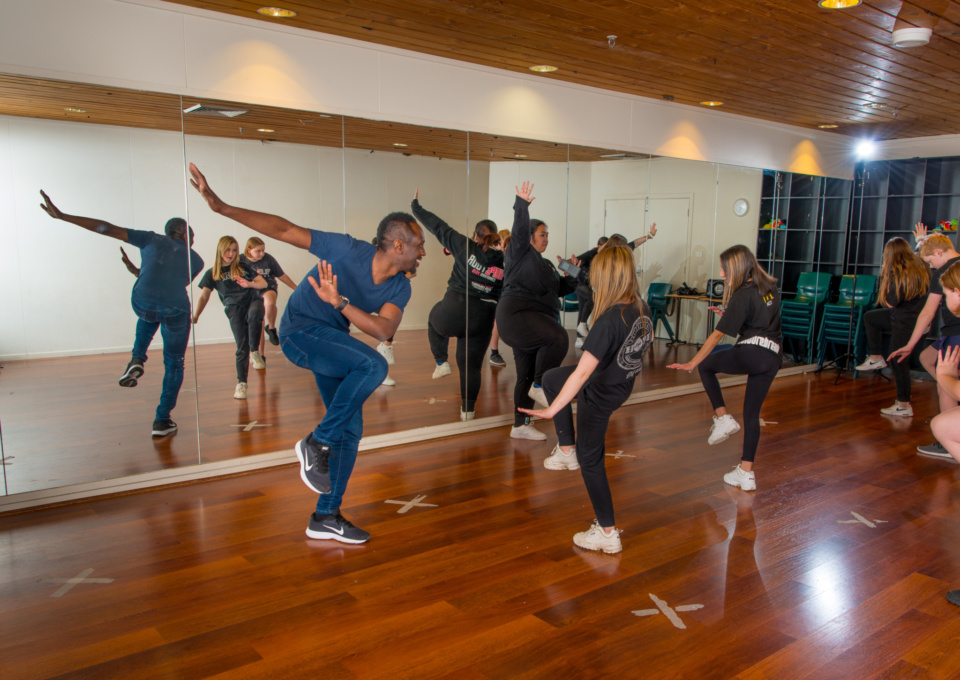
Francis Owusu is the founder of Kulture Break, a charity that helps young people build confidence,…
Posted on 10 Jun 2026
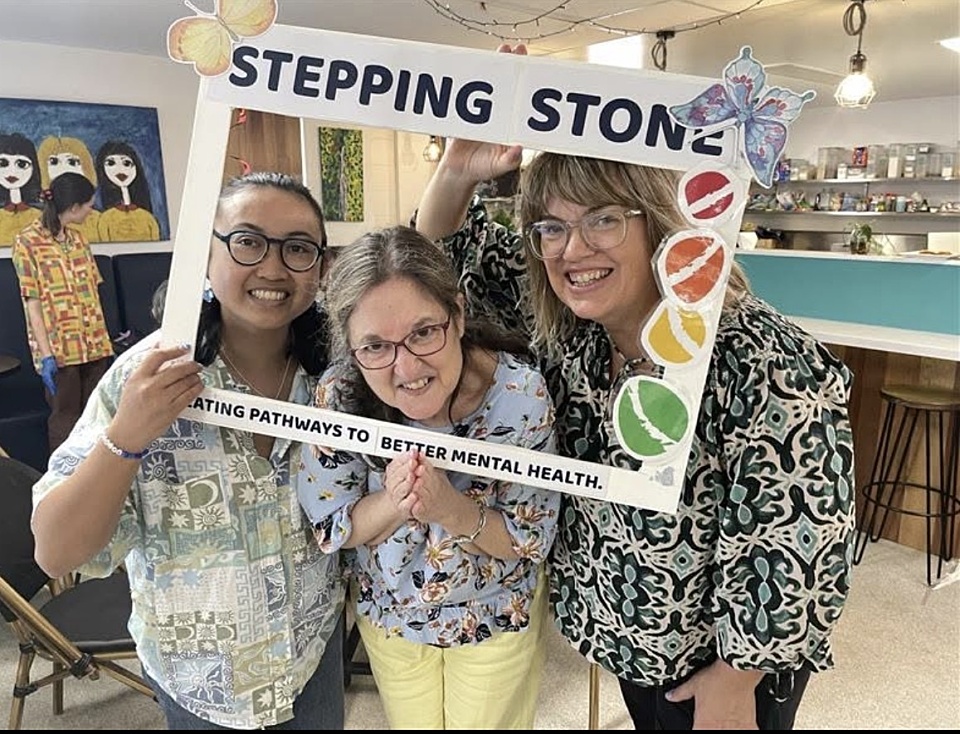
Melanie Sennett is the chief executive officer of Stepping Stone Clubhouse, a Brisbane charity that…
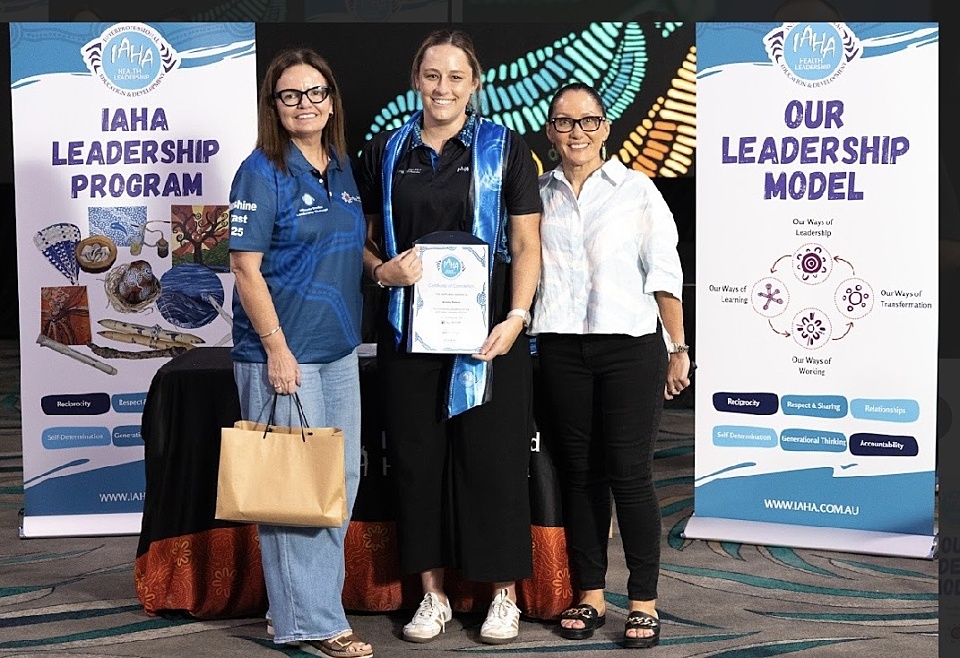
Posted on 03 Jun 2026
Kristy Petrie is a paediatric physiotherapist and proud Gooreng Gooreng woman who sits on the…
Posted on 27 May 2026
Maria Owen is the CEO of ImpactLab, a New Zealand social enterprise that analyses data for…
Become a member of Community Directors – it's free!
If you want to subscribe on an Android device, you will need to either:
https://communitiesincontrol.com.au/uploads/general/CIC/Conference/Podcast/cic-itunes.xml
Need an Android podcasting app? We recommend either Pocketcasts ($3.99) or Stitcher (free).
Make sure you get the right information by visiting the website for your region.