
Save Izzy: campaign calls on government to restore funding for vital services directory
Posted on 07 Oct 2026
A major public campaign launched this morning is calling on the federal government to restore…
Posted on 25 Mar 2026
By Nick Place, journalist, Community Directors

A major new report measuring trust – in each other, the media, institutions and government – has confirmed that Australians are becoming more insular, reflecting a global trend of increased polarisation.
Edelman’s 2026 Australian Trust Barometer, released today, found that 73 per cent of Australians now have an insular mindset, distrusting those who see the world differently.
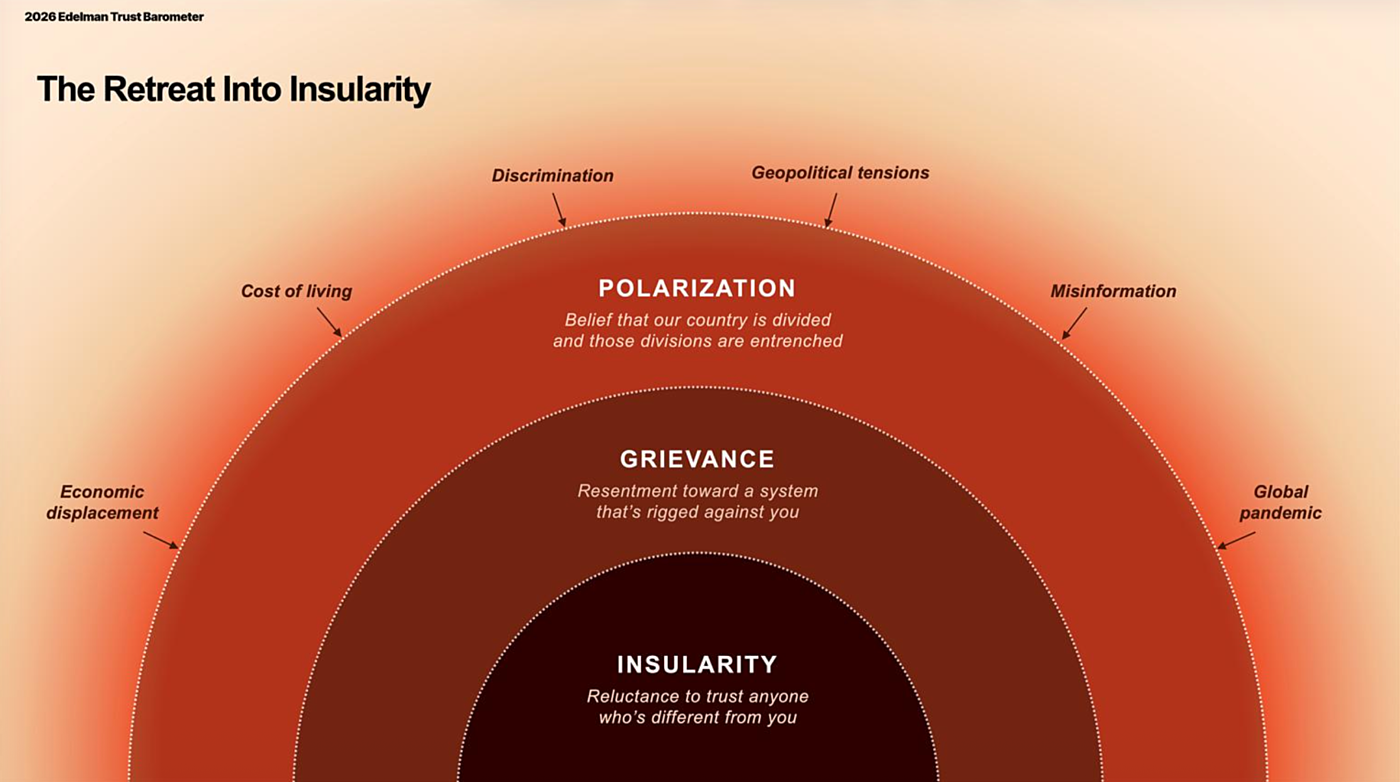
The survey on which the report is based, conducted online between October 23 and November 18 last year, defined the 73 per cent with an insular mindset as “unwilling or hesitant to trust someone who lives by different core values or beliefs, wants to address societal problems differently, or is from a different culture, background or lifestyle to them.”
Australians are also pessimistic about the future, with less than a quarter of those surveyed (22 per cent) believing the next generation will be better off – although that figure was up five per cent on last year’s survey. Globally, those optimistic about the next generation’s prospects sat at 32 per cent, down four per cent.
The good news is that in the past year Australians seem to have found a little more trust in institutions, government and even media, even if this improvement is regarded by the surveyors as fragile.
Average trust in government, business, NGOs and media increased to 54 per cent in 2025, up from 49 per cent the year before, moving the Edelman needle from “distrust” to “neutral”. However, confidence is divided across society: when high- and low-income earners are compared, the gap in trust is the widest since the pandemic, with high-income earners more trusting by 19 percentage points.
The report found that trust in media had grown the most over the year (up eight percentage points), followed by trust in governments (six points) and business (five points).
“This increase in trust is driven in part by key demographic groups such as men and younger Australians; however, little improvement has been seen among some groups, such as low-income earners, further accentuating clear societal divides,” Edelman’s report noted.
“In Australia, we’re witnessing the emergence of opposing institutional realities,” is how Tom Robinson, CEO of Edelman Australia, analysed the figures.
“This means that, across demographics, we’re seeing levels of competence and efficacy in business, governments, NGOs and media, and the leaders of these sectors, differ widely.”
“In 2026, we’ve recorded the largest gap in trust (19 per cent) between high- and low-income earners since the pandemic hit (2021). Therefore, while trust is up, this confidence is felt unevenly,” he said. In 2012, there was a difference in trust of only seven percentage points between Australia’s top 25 per cent of earners and the bottom 25 per cent.
“In Australia, we’re witnessing the emergence of opposing institutional realities.”
Of the somewhat surprising lift in trust in media, Robinson told the Community Advocate it was most likely because people were loyal to media sources that reflected their established beliefs.
“With the rise of insularity, we’re seeing Australians turn away from news sources which lean towards different political views, which in part could explain why trust in media and journalists is up, as people are increasingly seeking out similar voices and sources of information which align with their existing beliefs,” he said.
The survey found that only one in three Australians reported seeking diverse news sources at least weekly, down six percentage points from the year before.
The data suggests that economic and geo-political factors are affecting Australians’ optimism about the future. The report found that 60 per cent of Australians – an all-time high – worried how trade and tariff concerns might affect their work, while more than half (54 per cent) said they were concerned about potential job loss as a result of a possible recession.
“Ultimately, these fears are causing consolidation in who we trust,” Robinson said. “There is a shift towards deeper trust in more localised sources including community and grassroots, and this is contributing towards a national retreat into a more insular mindset.”
Insularity was affecting workplaces, with many Australians (42 per cent) saying they didn’t want to work for a manager with different values, 33 per cent admitting they would put less effort into supporting a project run by colleagues with different political beliefs, and 44 per cent ready to support reducing the number of foreign companies operating locally, even if prices rose. Australians were 10 percentage points more likely than the global average to have that mindset.
“These divisions create clear challenges for institutions, as the population sees the leaders of these sector leaders who are different to them as particularly distrusted,” Robinson said. “There is a correlation between insularity and a sense of grievance against businesses, governments, media and the rich.
“The good news is that Australians hold the view that insularity needs to be addressed, with the clear majority (74 per cent) agreeing this mutual distrust is a moderate or crisis-level problem,” he said.
Interestingly, while eight in 10 Australians look to governments to address the insularity dividing the country, only 36 per cent of those surveyed believed governments were effectively bridging divides and building trust.
For the third sector, it was noteworthy that 73 per cent of those surveyed believed NGOs had an obligation to address insularity, but only 40 per cent believed NGOs were doing a good job of this.
The global version of the report reflected a world also becoming more insular as fear drives people to sit with those who share their views, or feel familiar. “As economic anxiety, geopolitical tension, and technological disruption intensify, people are narrowing their world to smaller, familiar circles that reflect their views, and this hinders economic and societal progress,” the report said.
Among the global survey’s findings, fear that foreign actors were spreading disinformation to sow domestic divisions was at its highest ever level in 15 of 26 countries, at an average of 65 per cent across the survey, up by 11 percentage points since the previous survey. Only Australia, China and India did not report a greater fear of this than in the last survey.
The 2026 Trust Barometer marks the 26th time the Edelman Trust Institute, part of the global communications firm Edelman, has conducted the survey, and Edelman Australia CEO Tom Robinson said it showed Australians need to reconsider how they challenged insularity in Australian society.
“Usually when we think about addressing divides, we try to eliminate differences,” he said. “However, in trying to navigate a world populated by insular groups, we need to be willing and able to work across these differences. This involves surfacing common interests, translating perspectives, and creating conditions for co-operation without requiring agreement.
“For Australians, what this expectation looks like in practice is NGOs helping groups to understand each other, governments setting the tone and modelling civility, [and] media de-escalating tensions and making space for different viewpoints, while businesses are expected to bring people together to create dialogue across difference, and to provide this support across income groups.”
You can access the Australian version of the 2026 Edelman Trust Barometer here.
The 2026 Edelman Trust Barometer global report is here.
Posted on 07 Oct 2026
A major public campaign launched this morning is calling on the federal government to restore…
Posted on 07 Oct 2026
The Australian Literacy & Numeracy Foundation (ALNF) has announced a partnership with mining…
Posted on 07 Oct 2026
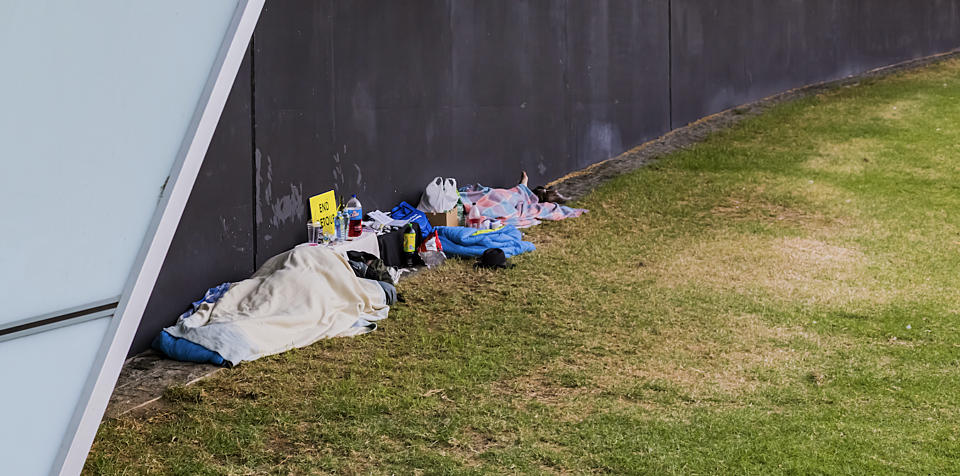
A conference in Darwin will this morning hear detailed, strategic plans for how Australia could…

Posted on 30 Sep 2026
Not-for-profit leaders have been warned to be wary of approaches from potential “funding partners”…
Posted on 30 Sep 2026
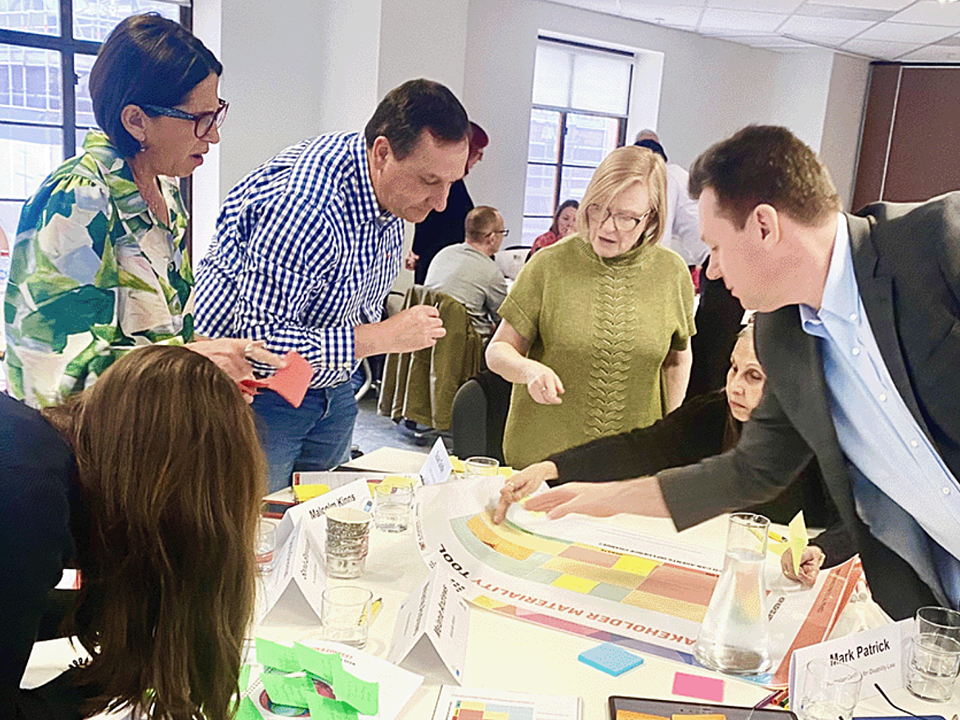
More than 200 fully funded Centre for Social Impact (CSI) scholarships will help equip for-purpose…

Posted on 30 Sep 2026
Personal stories are among the most powerful tools a charity can have to raise funds and awareness,…
Posted on 23 Sep 2026
A just-released major global survey of charities has found that demand for charity assistance has…
Posted on 23 Sep 2026
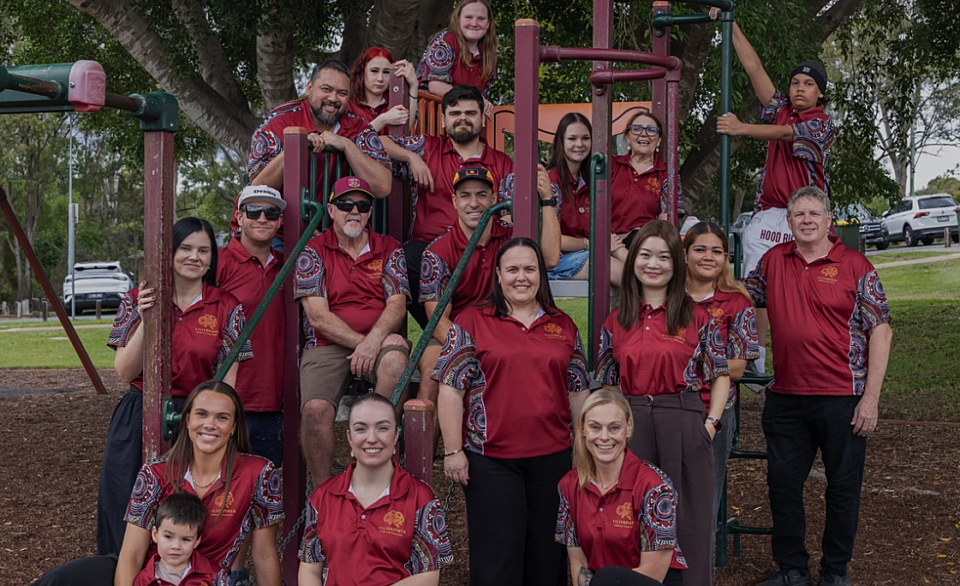
Fresh from welcoming delegates to last week’s Philanthropy Australia conference in Brisbane,…
Posted on 23 Sep 2026
A national strategy to develop Australia's regional cities is needed to break the housing…

Posted on 23 Sep 2026
Eight years after a report to Treasury first suggested the charities regulator should be more…
Posted on 17 Sep 2026
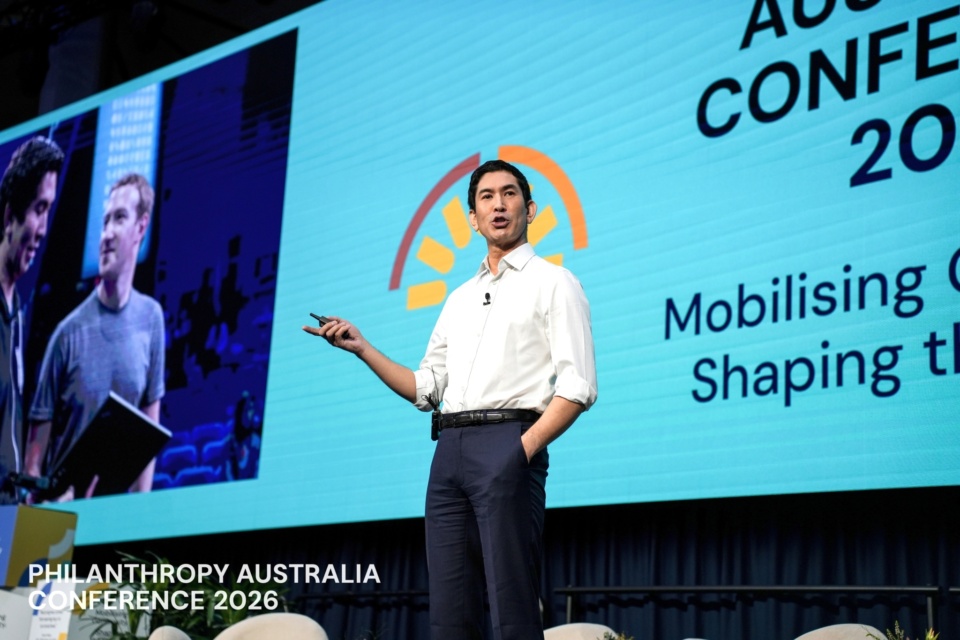
Australia’s biggest gathering of philanthropists, which drew more than 1200 delegates to Brisbane…
Posted on 16 Sep 2026
A new partnership between Paul Ramsay Foundation (PRF) and Atlassian Foundation aims to attract…