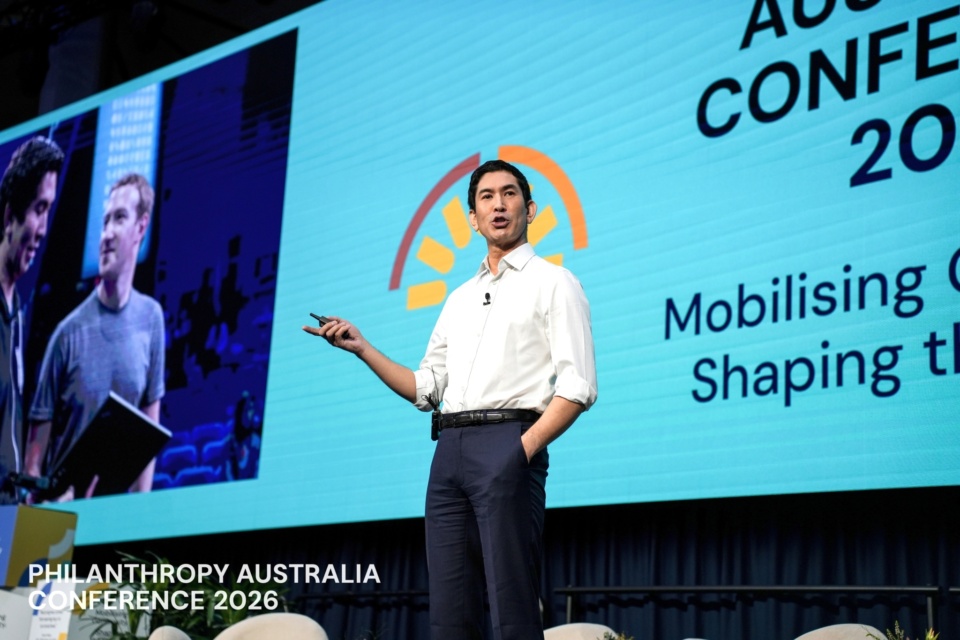
Philanthropists ask: Can we forge a better future?
Posted on 17 Sep 2026
Australia’s biggest gathering of philanthropists, which drew more than 1200 delegates to Brisbane…
Posted on 15 Apr 2026
By Matthew Schulz, journalist, Community Directors

Australian boards are being urged to strengthen their oversight of technology and artificial intelligence (AI), with experts warning that a persistent skills gap is affecting good governance.

Australian Securities and Investments Commission (ASIC) chair Joe Longo highlighted the gap in a keynote speech at last month’s Australian Governance Summit.
“Boards and executives have a defining role to play in driving innovation. And it starts with who is in the boardroom. Almost 80 per cent of board members had a background in legal, finance, and general management last year. By contrast, those with a background in technology was less than 8 per cent. Those numbers have scarcely changed in the past year. This raises serious questions about whether boards are equipped to seize the increasingly technologically driven opportunities before us.”
While Longo’s remarks were primarily aimed at ASX 300 companies, the concern also applies to the not-for-profit sector.
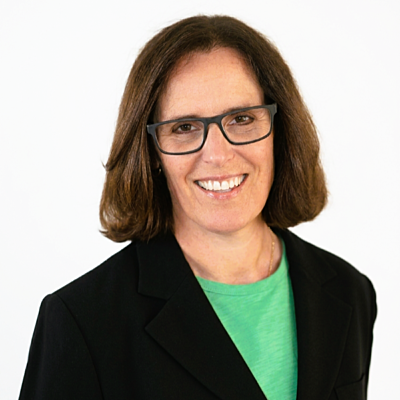
Nicky Veitch, the founder of Envee Digital, said her own experience reflected the structural barriers facing technology professionals seeking board roles.
With more than 30 years of experience in tech, including roles as an information technology (IT) chief and chief technology officer (CTO), Veitch had struggled to secure a position despite targeted applications.
“I applied for 8–10 roles that wanted technology expertise [but] every one said they wanted prior board experience,” she said.
“I can’t get onto a board without prior board experience. And I can’t get prior board experience without being on a board.”
Veitch said the sector faced a “pipeline problem” with too few technology specialists being prepared for directorships.
“Australian boards have long operated as a relatively closed system, with roles going to people who already hold board roles,” she said.
She said the model continued to favour candidates with legal and financial backgrounds, despite the growing risks linked to AI, data and cybersecurity.
“The people who actually have that technology expertise at depth are … not lawyers or CPAs (certified practising accountants). [They are] younger, and mostly haven’t yet accumulated the governance CVs that get you into the room,” Veitch said.
“NFP boards in particular feel the technology gap acutely, and the resource constraints that make it hard to attract experienced directors compound the problem.”
“There’s no doubt that tech executives need to be deliberate about how they go about gaining skills relevant to directorship… particularly around networking, communication and collaboration."

Ben McEvoy, the founder of advocacy and training company Digital Directors, told Community Directors, “There has been an urgent, repeated, unanimously agreed need for more digital expertise amongst directors in Australia’s boardrooms for a number of years and … there has been almost no change in the percentage of directors with this expertise,” he said.
“At this pace, we are on track to have one director with digital expertise in every Australian board room by 2078.”
By comparison, McEvoy, said 72 per cent of large US firms – defined as having revenues above $US1 billion – were now “digital savvy”, with at least three directors with technology expertise. Those organisations enjoyed 38 per cent higher revenue growth than non-savvy firms.
Despite this, he said, many boards remained reluctant to hire directors for their technical backgrounds, and he has recently heard experienced board members claim that they would not appoint a digital director “just for a single skill set”, while others rely on external advisors for technology risk assessments.
In one case, a board appointed a CPA who had been involved in a cyber incident response, so the board felt she had the experience needed.
McEvoy said he founded Digital Directors earlier this year in response to his frustrations about the gap because he had failed to find an advocacy body taking up the cause.
“When I couldn’t find one, I started it myself.”
His organisation now advocates for, places and trains technology-focused directors. McEvoy was struggling to keep up with membership registrations, as would-be directors responded to his organisation’s effort in “banging loudly” on the “closed doors and minds of the orthodoxy”.

McEvoy said technology professionals must develop the skills and knowledge needed to perform as directors.
“There’s no doubt that tech executives need to be deliberate about how they go about gaining skills relevant to directorship… particularly around networking, communication and collaboration,” he said.
Prospective digital directors should increase their exposure to governance areas such as legislation, regulation, risk, finances and strategy, and should shift from operational thinking to oversight.
This included broad-based thinking aimed at greater collaboration and collective decision-making, effective communication, avoiding acronyms and jargon, gaining awareness of other people’s perceptions of issues, and getting out of “solution mode”, he said.
Networks are another factor that might be holding tech professionals back.
“Many tech execs don't swim in the same ponds as traditional directors – they don't go to the same business lunches, the same events, the same conferences, so they aren't making the connections and acquaintances which we know facilitate 80 per cent of board role recruitment activities.”
While many were well qualified and had done training, they could “struggle to present themselves well in order to break into their first role”, McEvoy said
Veitch said boards must reassess risk as technology threats increase.
“It’s about risk. Boards see bringing in someone without board experience as riskier than lacking tech expertise, but they are just choosing the risk they understand. Lawyers and accountants can handle governance issues broadly, but tech risks are less understood.”
Posted on 17 Sep 2026
Australia’s biggest gathering of philanthropists, which drew more than 1200 delegates to Brisbane…

Posted on 17 Sep 2026
Experts in Australian philanthropy say there are stark differences between philanthropic money and…

Posted on 17 Sep 2026
One of Australia’s foremost fundraising observers says Australian not-for-profits must get the…
Posted on 17 Sep 2026
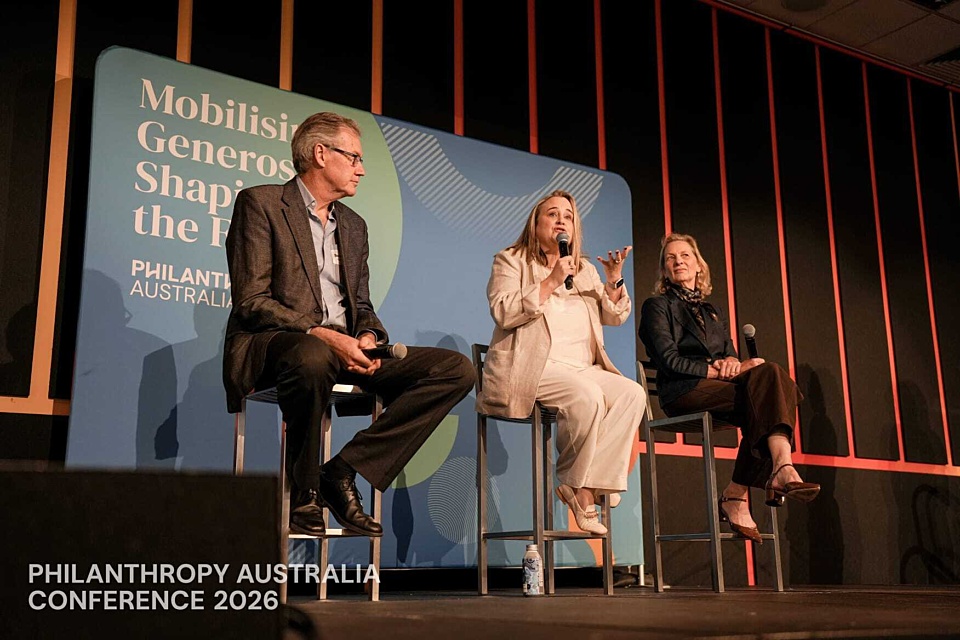
As direct giving dries up, charities face growing dependence on big donors and negotiating the…

Posted on 17 Sep 2026
Charities reported $14.8 billion in donations and bequests last financial year, the second-highest…

Posted on 17 Sep 2026
My father often googles my name, and as a result, years ago, I received a surprising gift in the…
Posted on 17 Sep 2026
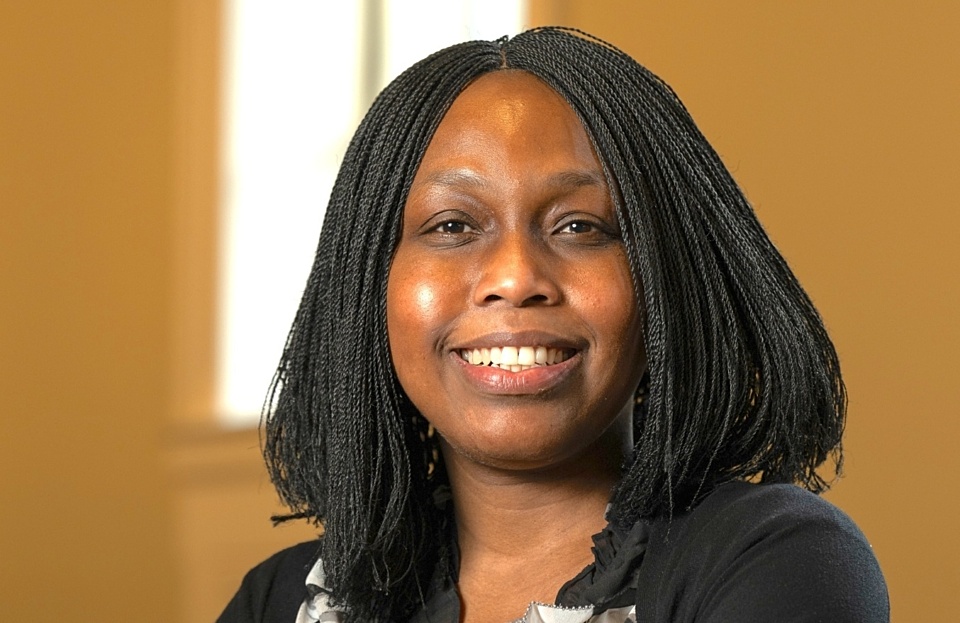
Where Evelyn Mugisha grew up in rural Uganda, the subjects and careers considered suitable for…
Posted on 09 Sep 2026
A global gathering of philanthropists in Brisbane this week is aiming to tackle society’s biggest…
Posted on 09 Sep 2026
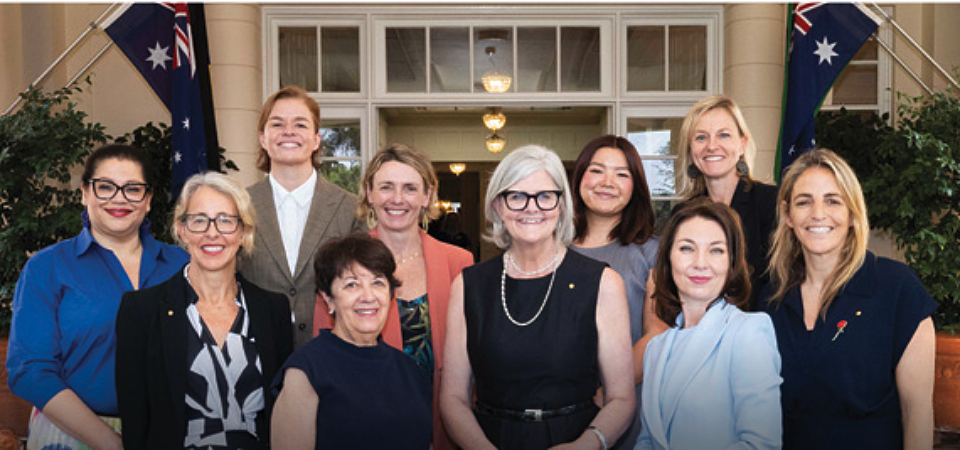
Media attention about women's philanthropy has more than doubled in three years, according to new…
Posted on 26 Aug 2026
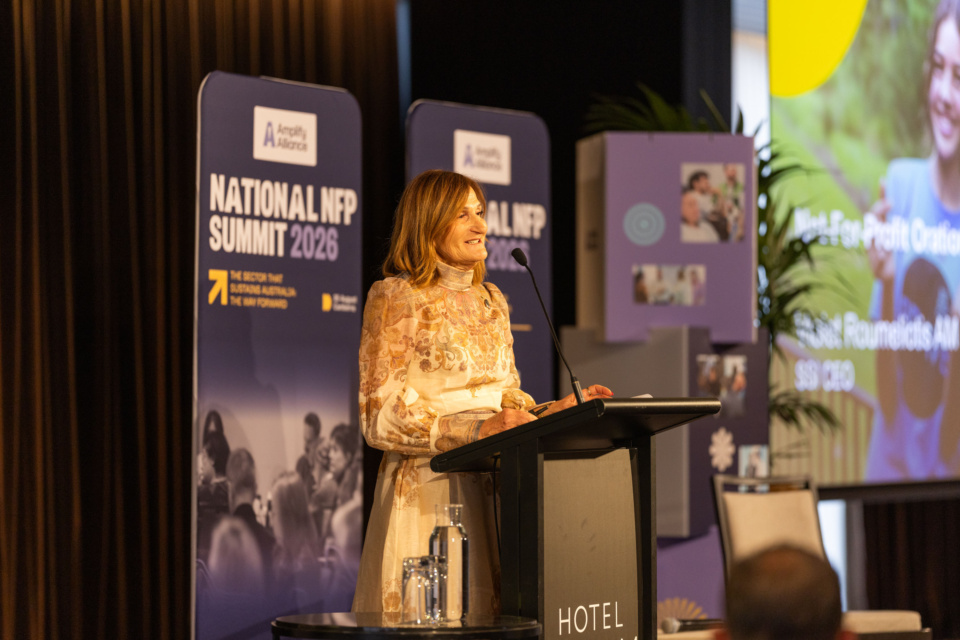
Sector leader Violet Roumeliotis has called on funders to stop treating not-for-profit…

Posted on 13 Aug 2026
As a teenager, I attended summer camp for seven years, first spending two weeks at a time camping…

Posted on 13 Aug 2026
Not-for-profits are full of people with great ideas, but that doesn’t mean they are set up for…