
Philanthropists ask: Can we forge a better future?
Posted on 17 Sep 2026
Australia’s biggest gathering of philanthropists, which drew more than 1200 delegates to Brisbane…
Posted on 15 Apr 2026
By Matthew Schulz, journalist, Institute of Community Directors Australia

Tania Sacco knows what it means to aim carefully. As a competitive archer who has represented Victoria, she understands focus, discipline and adjusting for tricky conditions.
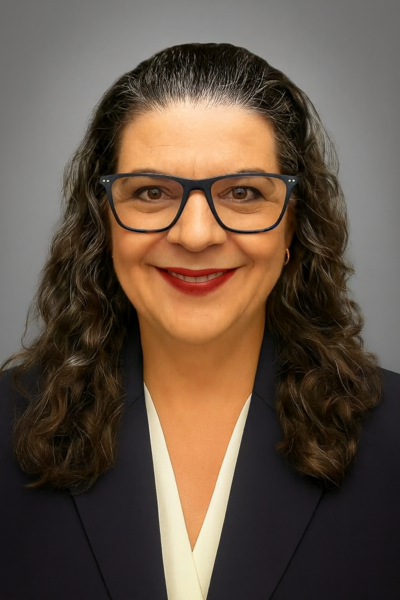
They are skills she has drawn on as the chair of disability support organisation Blairlogie Living and Learning, and in her paid work in a neighbourhood house.
Yet not-for-profit targets can be less predictable than those in archery, and the stakes much higher.
Blairlogie, for example, provides disability support to more than 400 adults and teens across nine council areas from its base in Cranbourne South, in Melbourne’s southeast.
The registered NDIS not-for-profit was formed more than 40 years ago by a group of dedicated parents who wanted their children to have access to decent services.
Decades on, maintaining service quality in the face of funding pressures has required Sacco to draw on her training as a graduate of the Institute of Community Directors Australia’s (ICDA’s) Diploma of Governance.
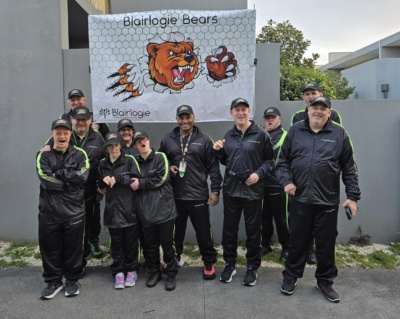
Blairlogie provides day services, housing and programs that build work skills, such as its “Brewlogie” barista training, and it has plans for “Bloomlogie”, a floristry program.
“The biggest challenge that we face is NDIS funding,” she says. “We are seeing one organisation after another close their doors … we are about to have a disability crisis.”
“NDIS needs to listen to the sector providers and make real changes to funding, or the outcome will be disastrous.”
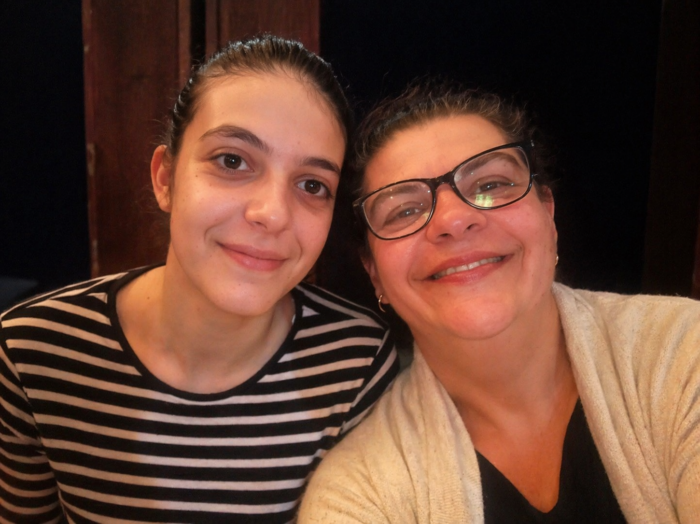
Sacco understands that impact more than most, because her governance expertise is grounded in personal experience.
Her daughter Claudia, 24, is “severely autistic” and has attended Blairlogie in recent years. This year she moved into supported housing, which has boosted her confidence and eased pressure on the family.
Sacco’s dual perspective – as chair and parent – has sharpened her sense of responsibility.
“I take the position extremely seriously and continuously strive to improve how the board functions alongside the CEO and leadership team,” she said.
Sacco joined the Blairlogie board in November 2019 and became chair in 2023.
While it is her first time as chair of an organisation, she has had more than two decades of experience in the community sector, as well as a career spanning banking, telecommunications, security and management. She has also been a Justice of the Peace for 18 years.
“Having two children on the autism spectrum, disability advocacy is a core passion of mine,” she says. “When the opportunity arose to join [Blairlogie’s] board, I grabbed it with both hands.”
Sacco said board directors were crucial to the good running of an organisation, and the Blairlogie board was “the most functional board I have ever worked on”.
“I have worked on others that have – quite bluntly – been damaging to the organisations they profess to support.”
In a sector where funding is tight and compliance demands are rising, ineffective boards can do harm, she said.
“Ineffectual board members have the capacity to do damage even when their intentions are good.”
Her commitment to the role led her to complete the Diploma of Governance, and she argues governance training should be standard in the not-for-profit sector.
“I have said it before, and I’ll say it again, that this diploma is so important and should be a baseline for all board members to work towards.”
“We must start thinking smarter about how we do things, combining resources … no one is going to provide us a golden ticket. We are going to have to make it ourselves.”
Sacco’s leadership style was shaped less in boardrooms and training sessions than in hands-on work in neighbourhood houses.
More than 20 years ago, she walked into a community house in Hampton Park seeking occasional care for her young children. She stayed, volunteered and worked in roles from board member, to receptionist, to manager.
“I did every job in that centre … working my way to manager in a 13-year period,” she said.
She later helped turn around a struggling community house in Hallam and worked at the Foundation Learning Centre in Narre Warren, where her son attended an alternative education program.
“My son was one of their greatest successes,” she said.
Now, as an administrative officer at Upper Beaconsfield Community Centre, in Melbourne’s outer southeast, she is focused on passing on what she has learned.
“This centre is in a position of rebirth, and I am looking forward to sharing all that I have learnt … with a new generation of community leaders,” she said.
Sacco is also involved in a campaign for a better deal for neighbourhood centres, calling on the Victorian government to restore adequate funding to organisations that help “the most vulnerable members of our communities”.
Throughout Sacco’s career. she has refused to accept constraints as fixed.
And while she nominates “funding, funding and funding” as the sector’s biggest challenge, she believes “there are no problems, just solutions waiting to be found”.
“We must start thinking smarter about how we do things, combining resources … no one is going to provide us a golden ticket. We are going to have to make it ourselves.”
While in the not-for-profit world “there is never enough time and there is never enough money”, leaders can choose how they respond.
For Sacco, that has meant viewing challenges with ‘glass half full’ optimism, tempered by realism and honesty.
She said the Community Directors diploma reinforced that mindset, particularly its focus on collaboration and considering competing perspectives, and it gave her energy to continue her life’s mission of helping her communities.
“Education is power, and the more power you have in this vein, the more you can contribute to your organisation and world.”
Posted on 17 Sep 2026
Australia’s biggest gathering of philanthropists, which drew more than 1200 delegates to Brisbane…
Posted on 17 Sep 2026
Experts in Australian philanthropy say there are stark differences between philanthropic money and…

Posted on 17 Sep 2026
One of Australia’s foremost fundraising observers says Australian not-for-profits must get the…
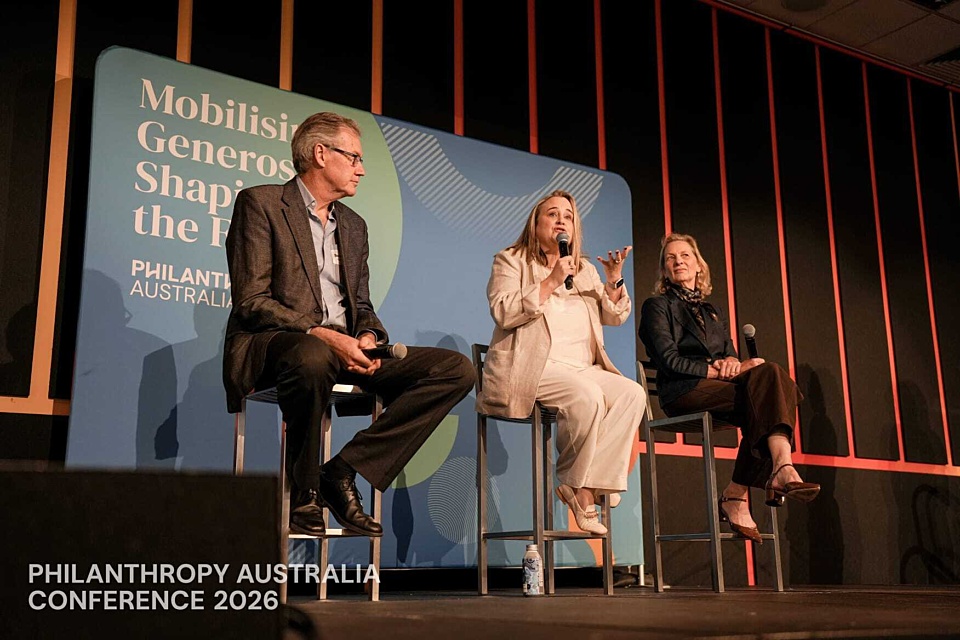
Posted on 17 Sep 2026
As direct giving dries up, charities face growing dependence on big donors and negotiating the…

Posted on 17 Sep 2026
Charities reported $14.8 billion in donations and bequests last financial year, the second-highest…

Posted on 17 Sep 2026
My father often googles my name, and as a result, years ago, I received a surprising gift in the…
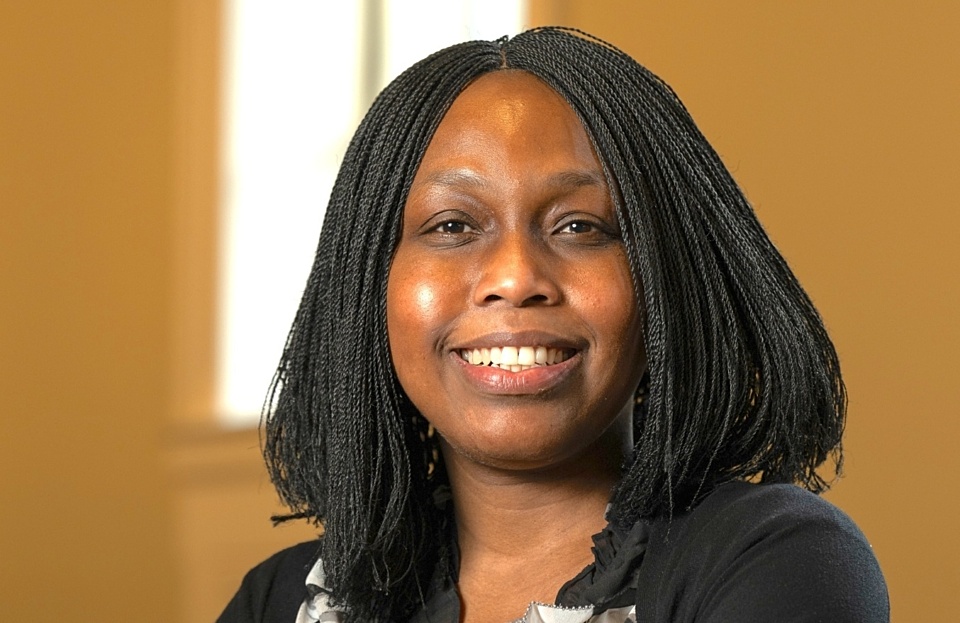
Posted on 17 Sep 2026
Where Evelyn Mugisha grew up in rural Uganda, the subjects and careers considered suitable for…
Posted on 09 Sep 2026
A global gathering of philanthropists in Brisbane this week is aiming to tackle society’s biggest…
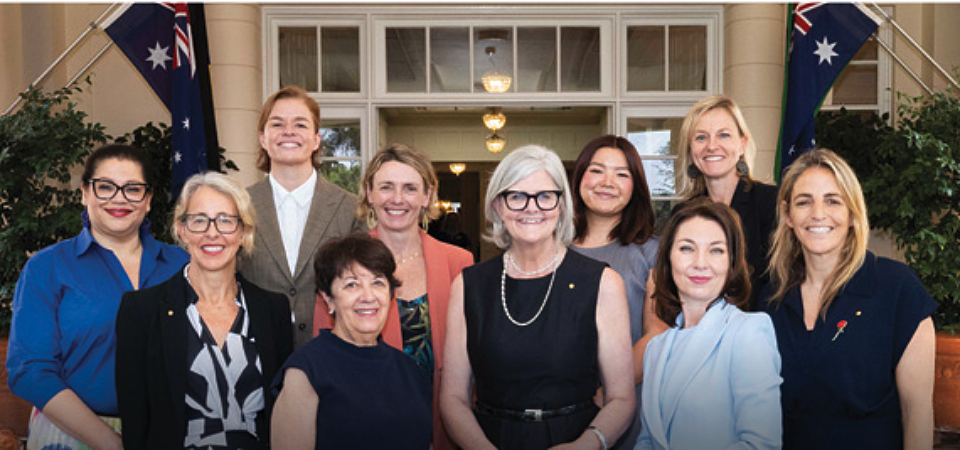
Posted on 09 Sep 2026
Media attention about women's philanthropy has more than doubled in three years, according to new…
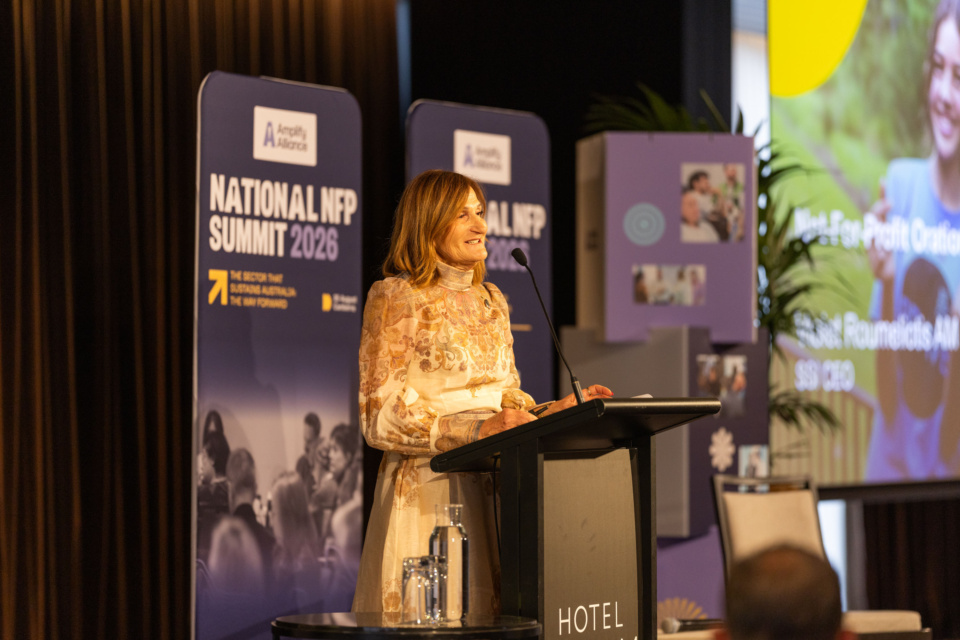
Posted on 26 Aug 2026
Sector leader Violet Roumeliotis has called on funders to stop treating not-for-profit…

Posted on 13 Aug 2026
As a teenager, I attended summer camp for seven years, first spending two weeks at a time camping…

Posted on 13 Aug 2026
Not-for-profits are full of people with great ideas, but that doesn’t mean they are set up for…