
Philanthropists ask: Can we forge a better future?
Posted on 17 Sep 2026
Australia’s biggest gathering of philanthropists, which drew more than 1200 delegates to Brisbane…
Posted on 18 May 2026
By Matthew Schulz, journalist, Community Directors
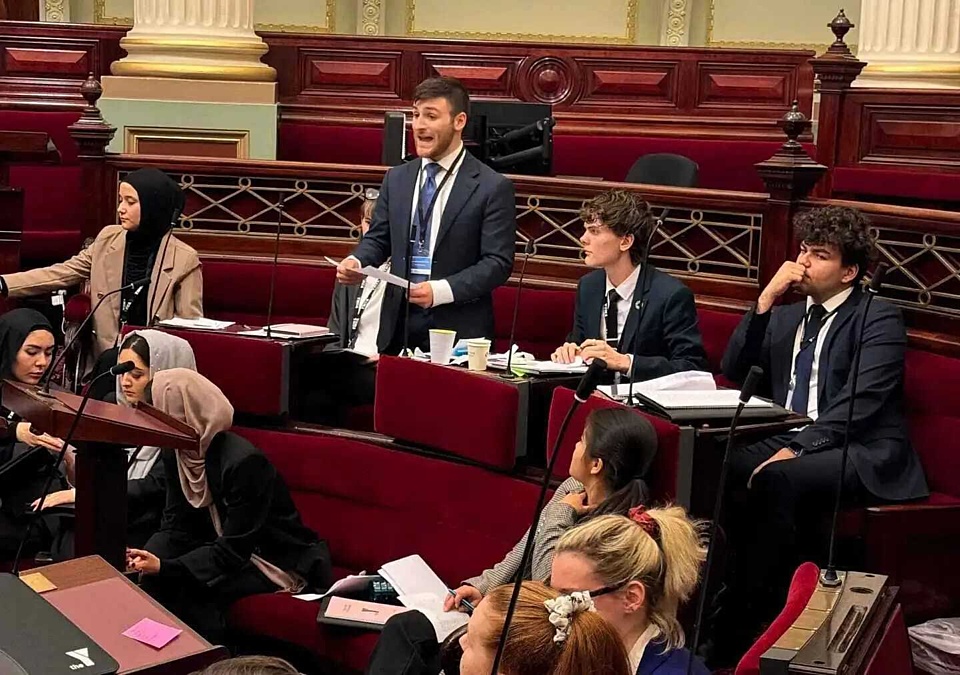
Some might think a passion for governance is unusual in a teenager – especially one whose life has been deeply touched by hardship – but Quinney Brownfield doesn’t see it that way.
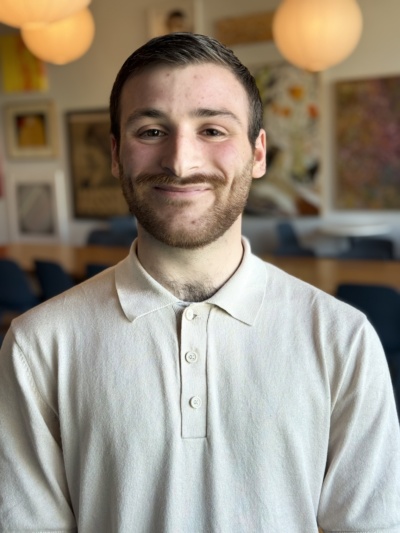
"Governance is one of those things people don't notice until something goes wrong," he says. "You can ignore constitutions and regulations until suddenly there's a complaint or a major issue."
Community Directors member Brownfield is turning 20 this month but he’s been a governance enthusiast since the age of 15.
And his awareness of what it takes to get things done has been forged by both personal and professional insights and setbacks.
It’s nearly three years since he failed to win a seat on the Frankston Council, as its youngest ever candidate, but that experience and others ultimately helped him win work as a political staffer with Victoria's Labor Government.
Yet he likes to think about what he does there as “policy, not politics”. “It puts a focus on changing laws and policies to help people,” he said.
Brownfield also serves on the board of Peninsula Rotaract, sits on the Youth Advisory Committee at Headspace Frankston, mentors Frankston High School students, and recently added Community Directors financial training to his portfolio of study.
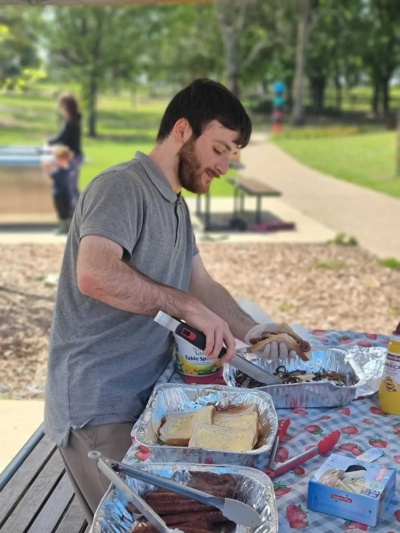
Yet he is someone who has had every reason to step back from public life.
In Year 10, while Brownfield was experiencing mental health and bullying challenges at school, his father died and his mother became seriously ill with cancer. She spent much of the year in hospital. As the second eldest of seven children, he stepped up, dropping out of school to pick up the primary caring role.
The routine was tough: up at 7.30am to get siblings ready for school, lunches made the night before, housework through the day, after-school pickups, and dinner on the table each night.
While he struggled as the primary carer, the experience gave him insights into the stress felt by guardians.
“I could have done a lot better than I did, but I tried my best and I think I'm better for it with the things I learned along the way. I’m a really good pasta cook now.”
Brownfield’s setbacks also opened doors.
During the gap between dropping out and returning to finish school, he decided he wanted to learn about politics and emailed all of his local MPs.
Only one office wrote back. Peta Murphy, then the federal Labor member for Dunkley, offered him a placement of one day a week. Every Wednesday, for nearly six months, he volunteered in her electorate office. Then the offer was suddenly withdrawn. He was told he couldn't come in anymore, and Brownfield assumed he had failed in his brief. A few weeks later it emerged that Murphy had been hospitalised.
She died just before Christmas 2023, from breast cancer. Even now her legacy lives on in the shape of reforms to gambling advertising regulations.
"She was one of those rare figures where people from all sides of politics spoke highly of her," Brownfield said.
"She wasn't afraid to speak up against the Labor Party if she thought something wasn't right, and she wasn't afraid to actually do something about it."
Months after Murphy's death, Brownfield was on his feet in the Victorian Legislative Council.
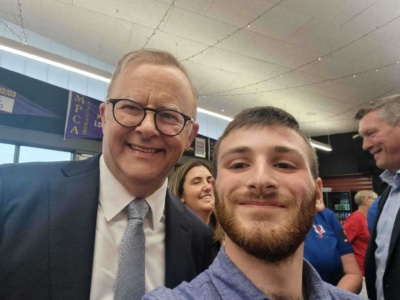
As a student at Padua College on the Mornington Peninsula, he was part of a four-person team that participated in the Victorian Youth Parliament. His team spent months crafting a bill focused on sustainable farming practices and resources for Victorian farmers, which “passed” almost unanimously.
Brownfield argued in the chamber that Australians "stand on the edge of a huge step forward" in favour of the state's farming future.
Soon afterward, aged 18, he ran for Frankston Council’s Pines Ward, the youngest candidate ever to contest a council election. He believes the experience was formative, and he was frank about being from a low-income family with seven kids raised in government housing.
"22.5 per cent of residents in Frankston are aged between 0 and 17, but nobody's here to represent them in council," he said at the time.
“Young people may not always have the same experience or wisdom, but we have drive and energy. That’s why collaboration between younger and older generations is so important.”
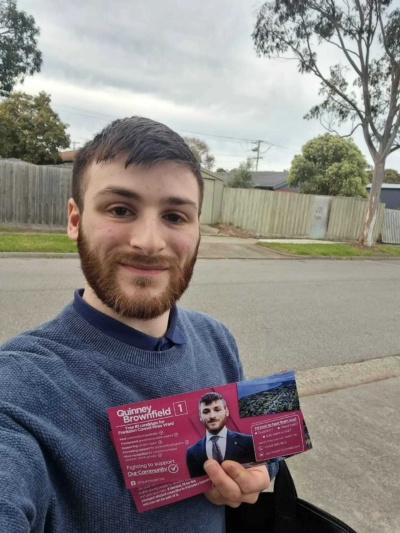
Brownfield’s interest in governance was developed through Rotaract, the youth branch of Rotary. He serves on the Peninsula Rotaract board but is also involved in the broader Rotary zone across Australia, New Zealand, parts of Asia and the Pacific. That work has taken him to Nepal twice.
"One thing that really affects youth organisations is poor governance," he says. "I've seen many youth organisations struggle with that, and I enjoy being able to help improve those systems."
He said his recent Community Directors training in finances for boards had added another layer to the governance foundations he had been building for several years.
"A lot of financial management seems straightforward at first, but there are ways to make systems much more efficient and effective once you properly understand them," he says.
The course covered budgeting, financial reporting, grants, governance structures and compliance, material he said was essential for anyone on a community board.
His mentors include political conservatives, and while he sees himself as progressive, that’s the point. "It stops you from living in an echo chamber and helps you understand different perspectives," he says.
He is aware that some people find his ambition uncomfortable, and that to some he comes across as egotistical for being aspirational.
But he argues, "If you aim high, even if you don't reach that exact goal, you'll still go much further than if you never aimed for anything at all."
“People who criticise young ambition are often victims of a system that tells young people to wait their turn. Society says you need to be older before taking on leadership roles, but that’s just not true.
“We’re seeing more young people stepping into leadership positions. Young people may not always have the same experience or wisdom, but we have drive and energy. That’s why collaboration between younger and older generations is so important.”
His advice to young people wanting to get involved is to start local and push back against the idea that volunteering must be entirely selfless.
"You should absolutely help people, but it's also okay to gain professional development, networks, skills, confidence or fulfilment from it," he says. "In fact, if you're getting something meaningful from volunteering, you're probably more committed and more effective at it."
"Volunteering and community work are part of my personal life because they're what make me happy. That's where my friends are, where my mentors are, and where I keep learning and growing."
Posted on 17 Sep 2026
Australia’s biggest gathering of philanthropists, which drew more than 1200 delegates to Brisbane…
Posted on 17 Sep 2026
Experts in Australian philanthropy say there are stark differences between philanthropic money and…

Posted on 17 Sep 2026
One of Australia’s foremost fundraising observers says Australian not-for-profits must get the…
Posted on 17 Sep 2026
As direct giving dries up, charities face growing dependence on big donors and negotiating the…

Posted on 17 Sep 2026
Charities reported $14.8 billion in donations and bequests last financial year, the second-highest…

Posted on 17 Sep 2026
My father often googles my name, and as a result, years ago, I received a surprising gift in the…
Posted on 17 Sep 2026
Where Evelyn Mugisha grew up in rural Uganda, the subjects and careers considered suitable for…
Posted on 09 Sep 2026
A global gathering of philanthropists in Brisbane this week is aiming to tackle society’s biggest…
Posted on 09 Sep 2026
Media attention about women's philanthropy has more than doubled in three years, according to new…
Posted on 26 Aug 2026
Sector leader Violet Roumeliotis has called on funders to stop treating not-for-profit…

Posted on 13 Aug 2026
As a teenager, I attended summer camp for seven years, first spending two weeks at a time camping…

Posted on 13 Aug 2026
Not-for-profits are full of people with great ideas, but that doesn’t mean they are set up for…