
Philanthropists ask: Can we forge a better future?
Posted on 17 Sep 2026
Australia’s biggest gathering of philanthropists, which drew more than 1200 delegates to Brisbane…
Posted on 12 Mar 2026
By Matthew Schulz, journalist, Institute of Community Directors Australia
Sarita Narayan’s first professional training was not in boardrooms or strategy workshops, but in forests.
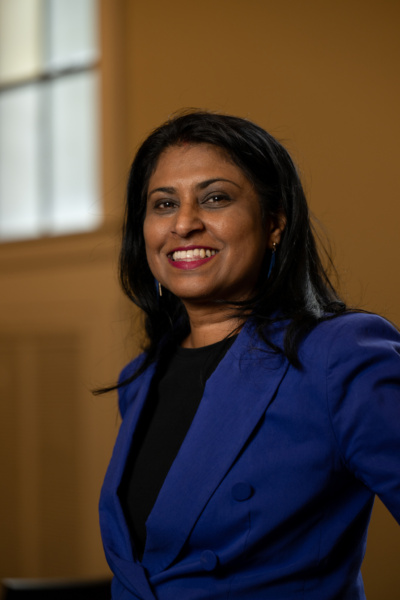
Before the Community Directors graduate became known for helping organisations tackle diversity and inclusion challenges, Narayan trained and worked as a forester. The work demanded patience, systems thinking and an understanding that growth takes time.
Those lessons still shape her thinking today as the founder of consultancy SDN Connect, and as the chair of diversity-in-leadership charity CALD2LEAD.
These days she is focused on the growth of people and leaders. Like any well-functioning ecosystem, she says, diverse organisations are stronger than homogenous ones.
“When organisations fail to recognise and address the structural barriers faced by migrants and CALD professionals, they lose talent, weaken decision-making, and fail to reflect the communities they serve,” Narayan says.
Narayan’s mission to celebrate diversity and resilience comes from life experience, and a love of learning.
“My purpose, however, goes beyond my professional roles,” she says. “I was born into a low-income family in Fiji. I am a descendant of indentured labourers brought to Fiji by the British in the 1870s.
“Across four generations, my ancestors persevered through hardship and displacement, shaping a legacy of resilience.”
Her parents believed education was the way forward, which helped “open the door to a scholarship opportunity for me to study in Canberra.”
Those values remain, she says, taking the form of “a strong belief in the power of education and support to overcome even the most entrenched barriers”.
“What matters most to me is seeing others step into leadership and decision-making spaces they once believed were not meant for them.”
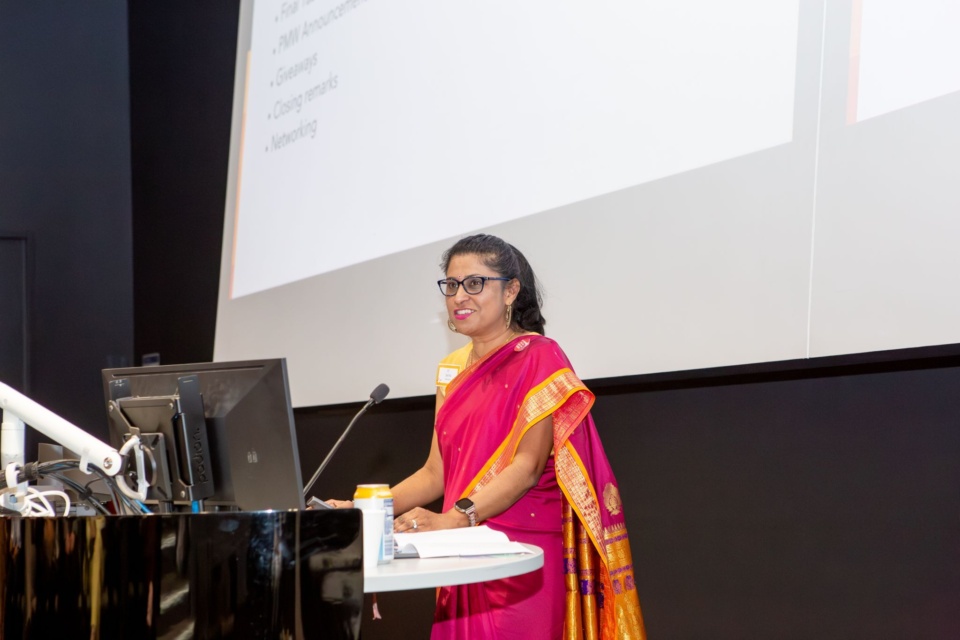
For Narayan, building a career in Australia was not straightforward, even though she had graduated here and entered the workforce with experience. She struggled to gain work in her field, and after securing a job, she faced cultural challenges.
In one early meeting, a manager asked her for a “ballpark figure”.
“I had no idea what that meant,” Narayan recently told Lina Ashar’s What It Takes video series. Too embarrassed to ask for an explanation, she had to decipher the phrase later.
Cultural quirks took some getting used to, too. For instance, Fijians are conscious of appearing humble in conversations, whereas in Australia, participation is expected. Initially Narayan stayed silent in meetings, until one manager noticed and gave simple advice: ask questions. That helped her build confidence, and it’s a lesson she has shared with others.
Over time, Narayan built a career spanning more than two decades in the Victorian public sector, working in strategic projects, policy and infrastructure planning.
In that work, colleagues from culturally diverse backgrounds began approaching her for career advice. Those conversations grew into something larger.
At the Department of Transport and Planning she chaired a staff network for culturally and linguistically diverse employees that grew to more than 300 members.
What began as informal cultural gatherings gradually evolved into a platform for discussion about careers, recruitment practices and workplace inclusion.
She said senior leaders admitted that at times they wanted to help but didn’t know how, but it was that attitude that opened the door to addressing barriers for diverse staff.
A couple of years ago Narayan left the public service to develop her mission and she now leads two ventures.
She founded SDN Connect to help organisations with strategy, facilitation and governance. She also runs a program called The Resilient Journeys in which she coaches culturally diverse professionals about their careers.
Last year, she was elected to chair CALD2LEAD, a not-for-profit – and Community Directors partner – that supports culturally diverse women to access leadership and governance opportunities.
In all those roles, Narayan keeps hearing the same story: talented migrants struggle to gain visibility and opportunity.
“What matters most to me is seeing others step into leadership and decision-making spaces they once believed were not meant for them.”
Looking back, Narayan says she would tell her younger self to “trust your voice sooner” and not to allow any person or situation to “dim your light”.
She said that her experience from having worked with so many others from diverse backgrounds showed that leadership journeys – and careers – rarely travel in a straight line, especially for migrants.
But Narayan has learnt that leadership skills, like the forests she once studied, can grow in most places, when the conditions are right.
Posted on 17 Sep 2026
Australia’s biggest gathering of philanthropists, which drew more than 1200 delegates to Brisbane…
Posted on 17 Sep 2026
Experts in Australian philanthropy say there are stark differences between philanthropic money and…

Posted on 17 Sep 2026
One of Australia’s foremost fundraising observers says Australian not-for-profits must get the…
Posted on 17 Sep 2026
As direct giving dries up, charities face growing dependence on big donors and negotiating the…

Posted on 17 Sep 2026
Charities reported $14.8 billion in donations and bequests last financial year, the second-highest…

Posted on 17 Sep 2026
My father often googles my name, and as a result, years ago, I received a surprising gift in the…
Posted on 17 Sep 2026
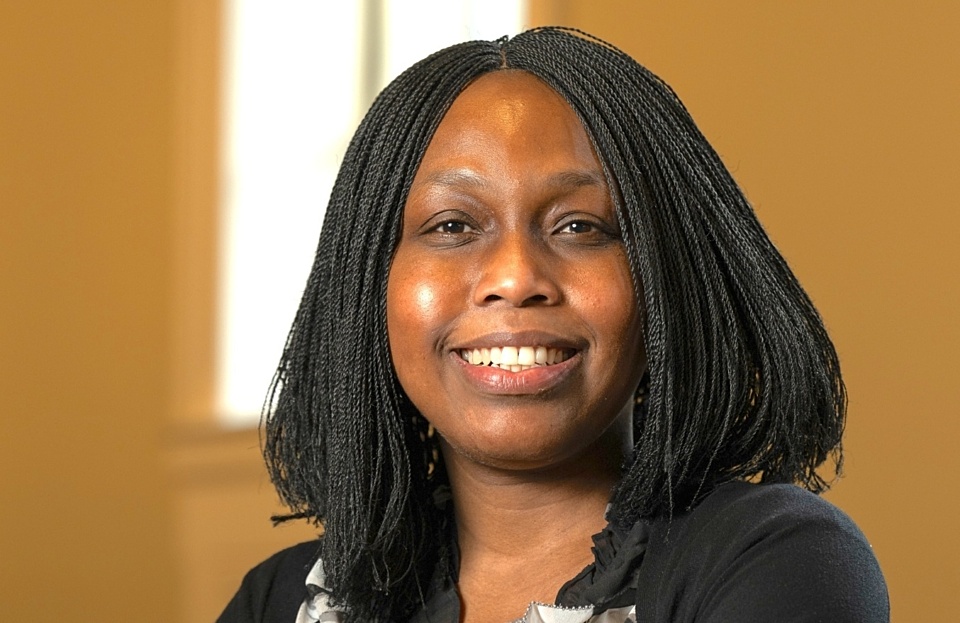
Where Evelyn Mugisha grew up in rural Uganda, the subjects and careers considered suitable for…
Posted on 09 Sep 2026
A global gathering of philanthropists in Brisbane this week is aiming to tackle society’s biggest…
Posted on 09 Sep 2026
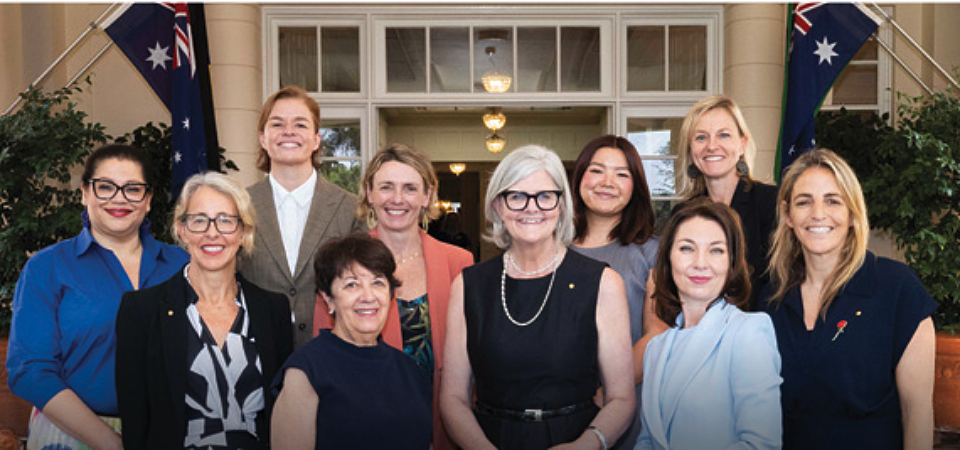
Media attention about women's philanthropy has more than doubled in three years, according to new…
Posted on 26 Aug 2026
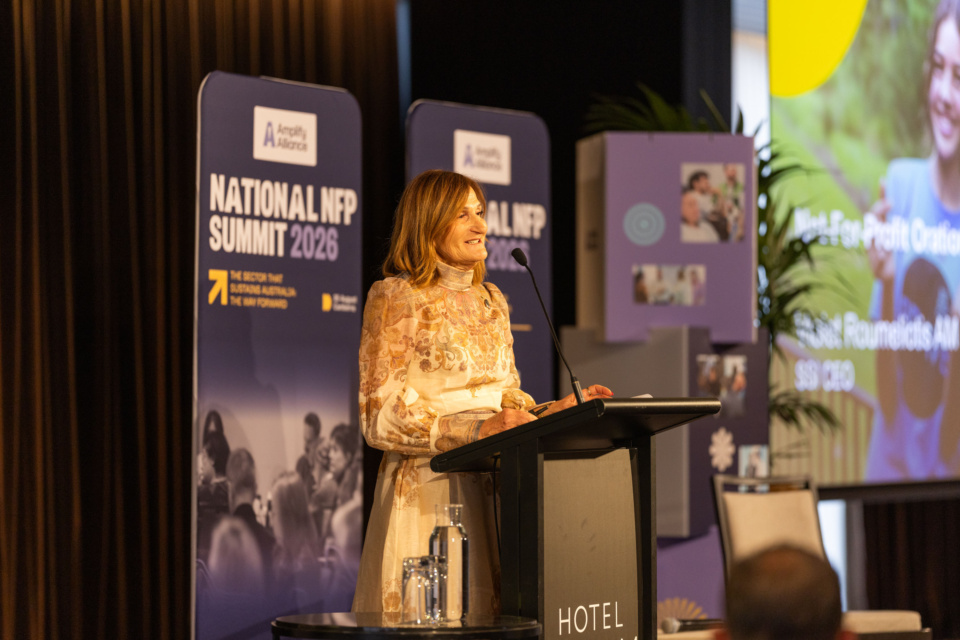
Sector leader Violet Roumeliotis has called on funders to stop treating not-for-profit…

Posted on 13 Aug 2026
As a teenager, I attended summer camp for seven years, first spending two weeks at a time camping…

Posted on 13 Aug 2026
Not-for-profits are full of people with great ideas, but that doesn’t mean they are set up for…