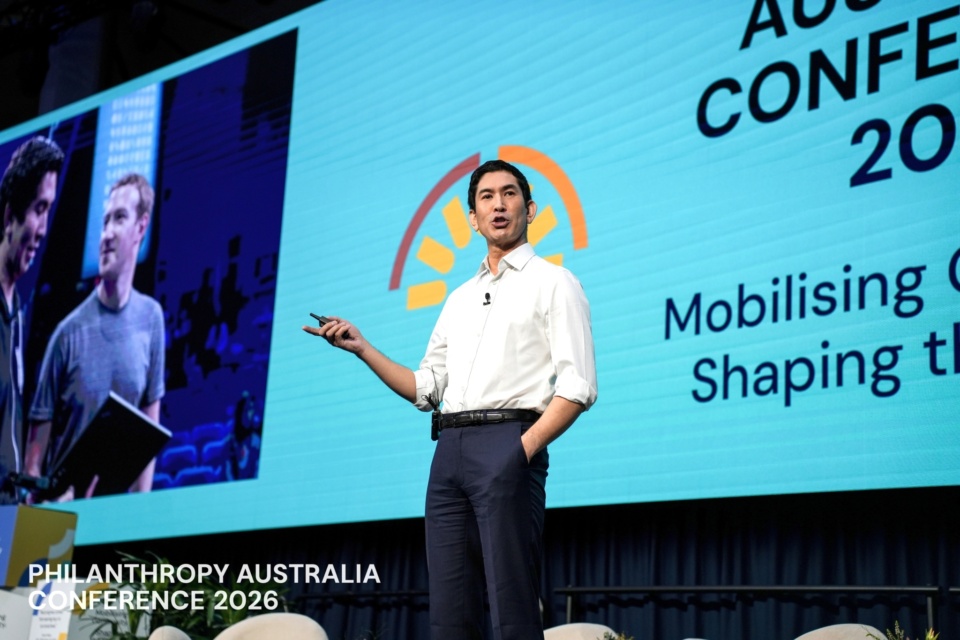
Philanthropists ask: Can we forge a better future?
Posted on 17 Sep 2026
Australia’s biggest gathering of philanthropists, which drew more than 1200 delegates to Brisbane…
Posted on 22 Jul 2026
By Matthew Schulz, journalist, Community Directors
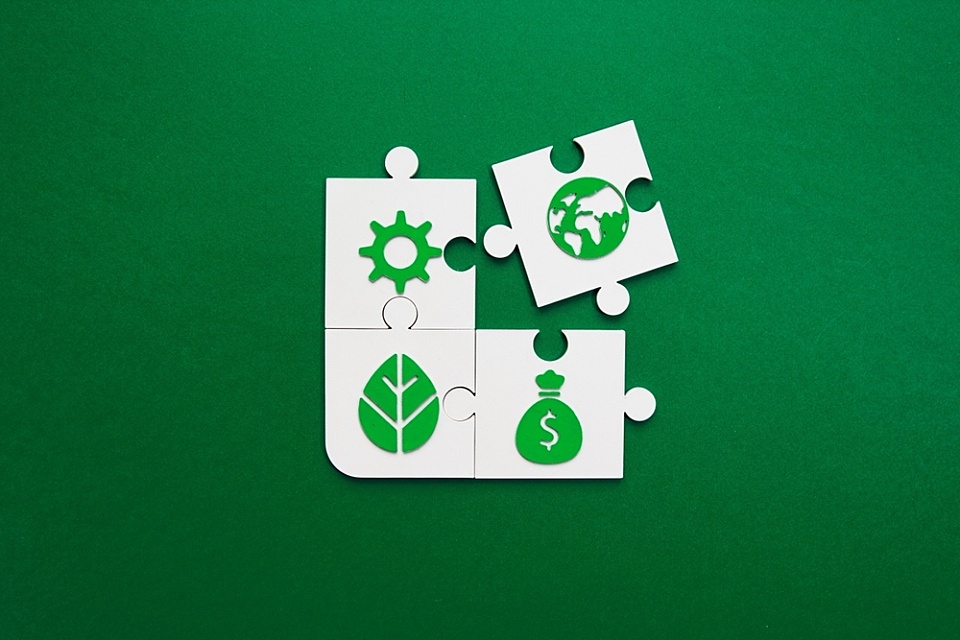
For many people, ESG sounds like corporate and business jargon. For not-for-profits, it might be the most useful framework they have never used.
ESG, which stands for environmental, social and governance, first emerged in the corporate world as a three-part lens to help investors assess the non-financial impacts of companies. Awkward acronym aside, it has become a sophisticated way to structure thinking about how organisations manage and measure everything outside their finances, and the concept has been growing rapidly in the for-purpose sector.
In many cases, not-for-profits are already deeply engaged with all three factors, but don’t link them in an overt way.
For not-for-profit leaders already stretched by funding, delivery and reporting obligations, adopting an ESG framework might sound like one more thing to deal with, but the CEO of Think Impact, Suzi Young, argues that it can be central to good decision making.
Young co-hosted a masterclass on ESG and materiality at the Social Impact Summit in Sydney earlier this month. She was joined by Think Impact colleague Dhruv Iyer and Settlement Services International social impact lead Kailly Hill.
"Organisations and not-for-profits have finite resources, time and investment, and there is never-ending need," Young said. "We need to understand how to make good decisions about where to prioritise precious time and resources for making a difference to the people or cause we are here for."
ESG, she argues, is a structured way to think about what matters to an organisation and its stakeholders, and where its energy should go.
"We need to understand how to make good decisions about where to prioritise precious time and resources for making a difference to the people or cause we are here for."
Organisations adopt ESG for different reasons. Funders and governments are increasingly using it as a common reporting language, which means for-purpose organisations that can't speak it are at a disadvantage when making the case for funding or policy change.
But resilience is the reason Young keeps returning to. "The ESG process is helpful for not-for-profits of any size because it helps them think holistically," she said. "The system of E, S, and G makes you think systematically about environmental, social, and governance issues."

Young believes the environmental pillar is where most for-purpose organisations have the largest gap. "Many not-for-profits are not mature in environmental thinking because it has not been on their radar," Young said. "They often do not have the resources to calculate their carbon footprint because they are busy delivering in the social space. But it is coming onto their radar."
That is partly because mandatory emissions reporting is expanding in Australia. Registered charities are currently excluded, but new requirements – which cover emissions across an organisation’s entire supply chain – could draw them in indirectly.
For example, for a care organisation whose workers drive to clients, fossil fuels are embedded in the cost of delivery. Young said some organisations have reduced their reliance on fossil fuels and therefore their emissions.
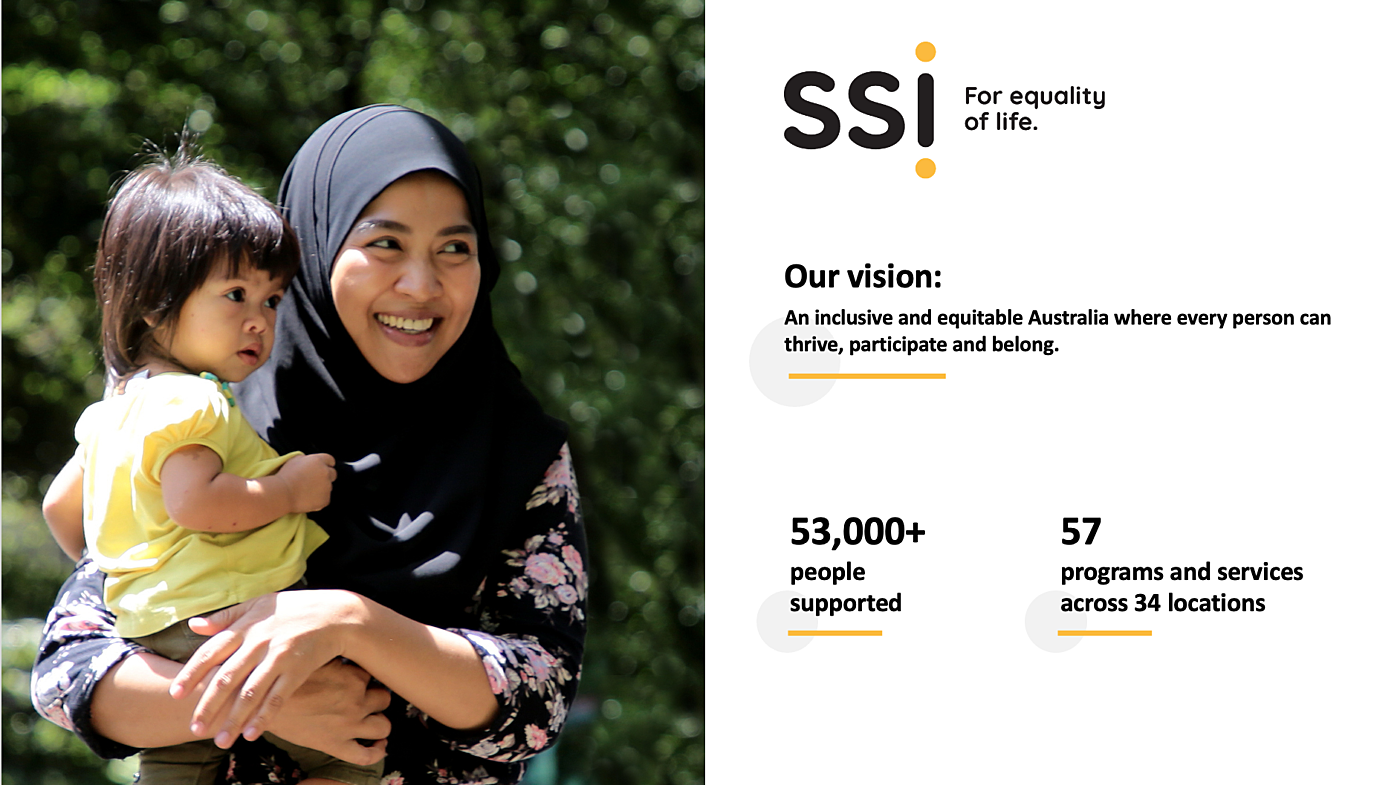
Settlement Services International (SSI) is acutely aware of the climate impact on programs. SSI works with more than 53,000 people each year across 57 programs supporting refugees, migrants, people with disability and women escaping violence. Kailly Hill, SSI's social impact lead, said the link between environmental and social impact was one of the most important insights from its ESG process.
"As the climate changes, increasing resource scarcity contributes to conflict and instability, which leads to migration, displacement and greater demand for services like ours," Hill said. "That's exactly the space we work in, and we're already seeing those trends globally."
"We work with many vulnerable people, and they're often the least able to withstand environmental impacts while also being the most exposed to them," Hill said. "There are increased barriers to evacuation, transport, access to information and services, poorer quality housing, and health impacts."
For SSI, "climate change is a driver of displacement," Young said. "People may not have the language for it, but climate change can be a reason people come to Australia, including from the Pacific Islands."
SSI had been using “integrated reporting” for several years, including in its annual report. The process organises reports according to how the organisation creates value across its programs. Hill said SSI already had a sophisticated framework for measuring social impact across its programs, but the ESG process added a new dimension.
"We were already doing work in all three areas – environmental, social and governance – but we weren't looking at it holistically," Hill said. "In particular, we weren't intentionally examining the connection between environmental impacts and social impacts."
As the organisation approached the end of a three-year strategy, it sought to use the ESG work in its new plans. Partly in response to the new framework, SSI has introduced a strategic lens called “responsible futures”, focused on environmental, social and governance responsibility, and embedded ESG goals into its new strategy.
Hill said SSI worked with Think Impact to ensure its ESG plan was suitable for a for-purpose organisation.
"The ESG process … can feel very corporate, and there's a risk that it becomes mainly about compliance. At SSI, that wasn't what we wanted. Think Impact … understand impact, they understand purpose, and we knew they would keep those things front and centre."
Think Impact senior consultant Dhruv Iyer said, "If it is done well, ESG should work alongside or in harmony with the social impact framework an organisation already has … Anyone can write an ESG report. Reporting on ESG is relatively straightforward. The question is whether it gives your organisation any benefits."
Think Impact conducted a double materiality assessment – a process that looks simultaneously at what the outside world does to an organisation and what the organisation does to the world.
It involved desk research, peer benchmarking, a review of sustainability standards, and direct engagement with SSI's stakeholders: staff, clients, board members, member organisations, volunteers and service delivery partners.
The findings were then used to develop three linked outputs: an ESG strategy, an action plan, and an integrated reporting framework. The action plan set out specific actions, performance indicators and responsibilities for each material issue, while the reporting framework brought together the material topics, goals and indicators into a single structure for disclosure and reporting.
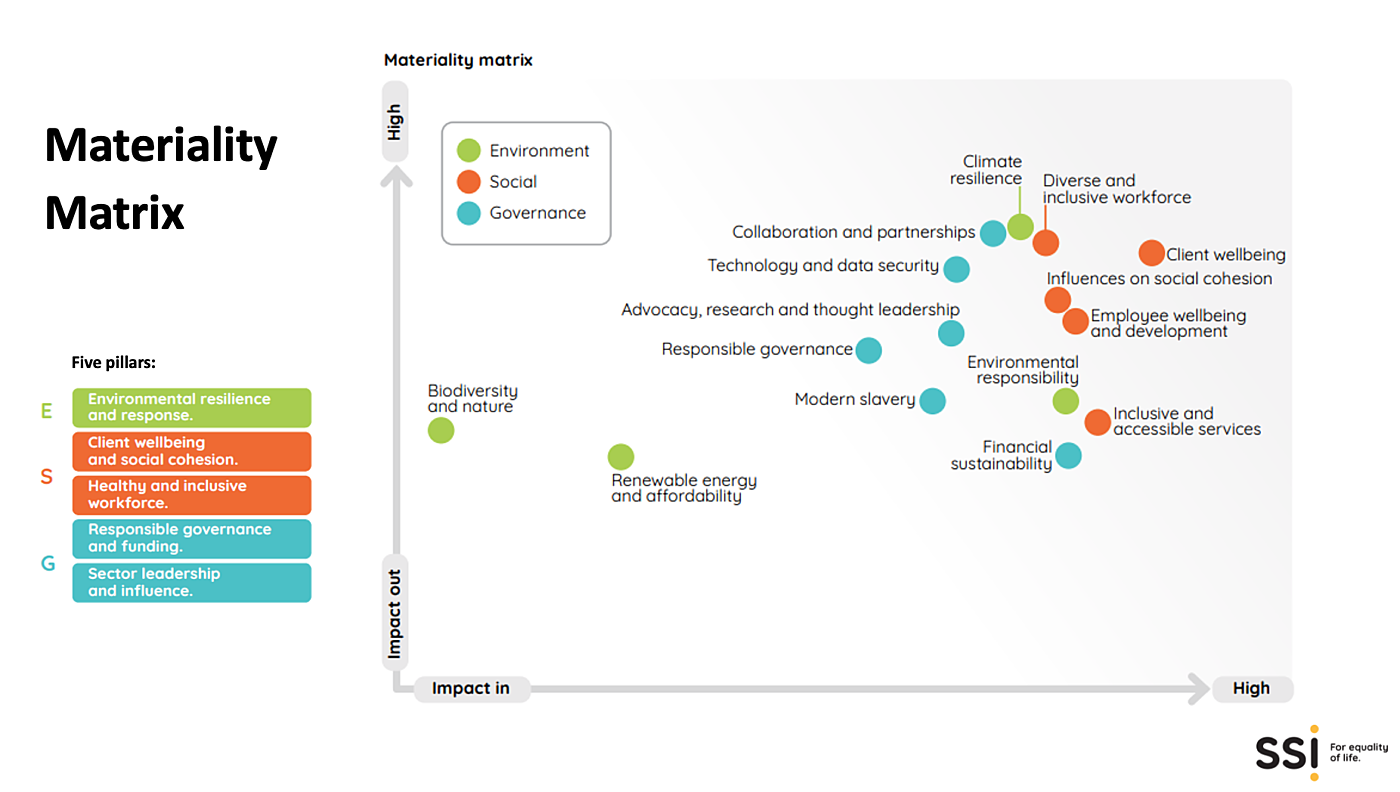
In SSI’s case, the process identified 15 material topics, grouped into five pillars:
These topics were then plotted on a materiality “matrix” and prioritised into tiers. For instance, the study suggested that client wellbeing was critical to SSI’s operations, and that climate resilience and workforce diversity had the greatest impact on its communities.
For SSI, the biggest gap was related to the environmental pillar, and Hill said the organisation would respond with several initiatives, including closely tracking carbon emissions, and reducing waste.
“They're relatively small investments, but they're important foundational pieces."
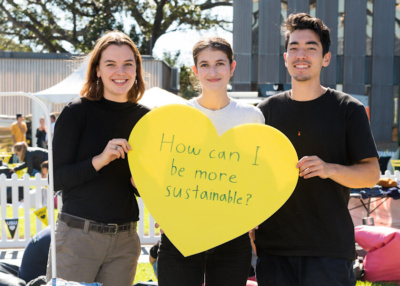
While SSI’s is a large and sophisticated example of an ESG strategy, the University of Sydney Union's – produced with Think Impact’s help – was driven by student expectations of environmental responsibility, a large campus footprint, and the need to align with the university's own net zero commitments.
The process involved a simpler materiality assessment and a one-day workshop.
In another example, Haven Home Safe, a community housing provider, was able to connect its ESG framework to its theory of change and to the community housing sector’s own ESG reporting framework. The sector framework was developed by Australian Community Housing to support impact investment, using standardised metrics.
For smaller organisations, Hill said, "They don't need to undertake a full materiality assessment involving large numbers of stakeholders. The important thing is to think from different stakeholder perspectives rather than relying solely on your own organisational viewpoint."
Young argues that funders have a role to play in ESG.
"Funders could ask how organisations are thinking about climate change in the context of their ability to deliver on purpose," she said. "That highlights governance, because it shows how well organisations understand the context in which they are trying to deliver impact, and how they are planning for the future."
The risk of a flood or storm is an example of what organisations need to factor into their thinking. A storm could lead to roads being blocked by trees, which could mean that workers would be unable to reach vulnerable clients.
SSI experienced this issue when a flood meant newly arrived migrants in a rural area were left without access to food or services.
"That is a climate impact directly affecting the ability to deliver services," Young said. "How are organisations managing that risk?"
Young said funders should be careful that ESG requirements do not just become another compliance burden.
"It is not necessarily about imposing standard metrics," Young said. "The process is context-specific and encourages organisations to speak to stakeholders, get feedback, and prioritise. Funders asking the question can be a good lever, because it tells organisations this is important. But they also need to provide funding to do the work. Organisations need to be able to invest in themselves."
Download our FREE 42-page Measuring What Matters guide for a quick handle on evaluation principles and frameworks, outcomes and data gathering.
Then, visit the outcomes measurement section of our website for answers to '10 questions every board member needs to ask about measuring outcomes', evaluation templates, and data and privacy policies.
Find more resources in our tools and resources section.
Posted on 17 Sep 2026
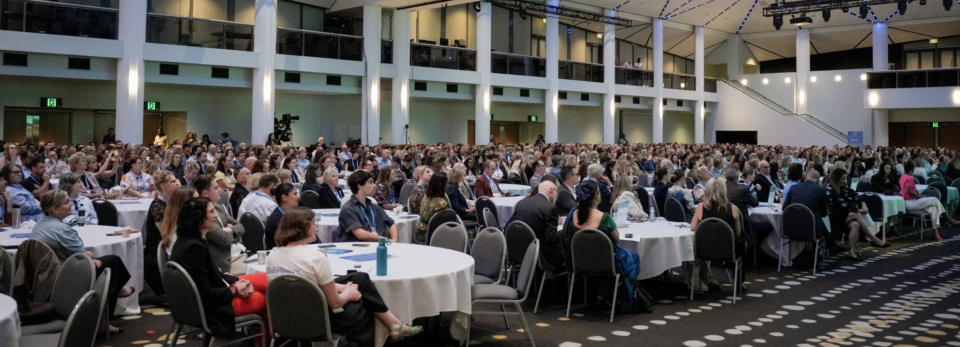
Australia’s biggest gathering of philanthropists, which drew more than 1200 delegates to Brisbane…
Posted on 17 Sep 2026
Experts in Australian philanthropy say there are stark differences between philanthropic money and…

Posted on 17 Sep 2026
One of Australia’s foremost fundraising observers says Australian not-for-profits must get the…
Posted on 17 Sep 2026
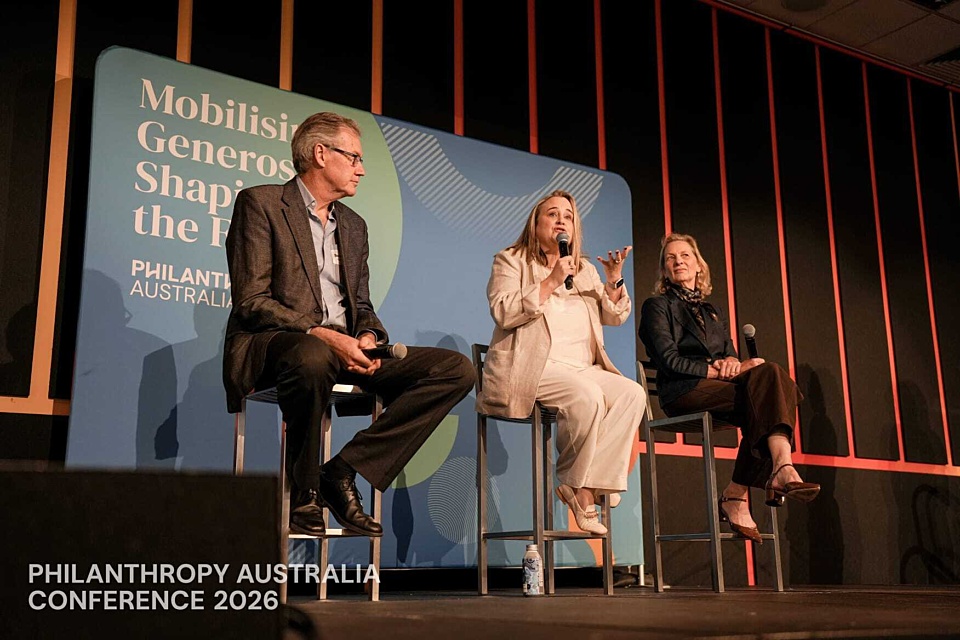
As direct giving dries up, charities face growing dependence on big donors and negotiating the…

Posted on 17 Sep 2026
Charities reported $14.8 billion in donations and bequests last financial year, the second-highest…

Posted on 17 Sep 2026
My father often googles my name, and as a result, years ago, I received a surprising gift in the…
Posted on 17 Sep 2026
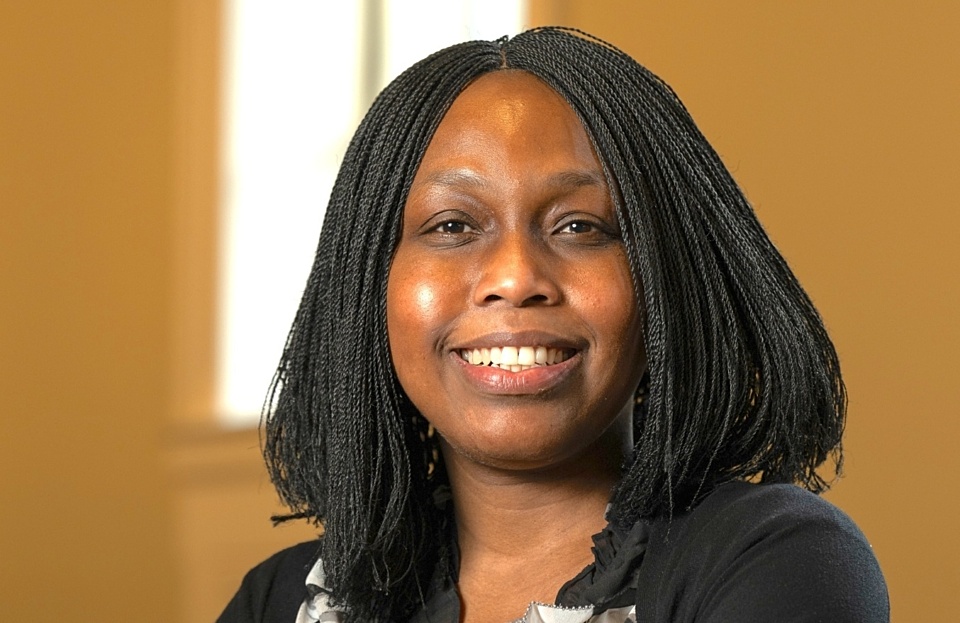
Where Evelyn Mugisha grew up in rural Uganda, the subjects and careers considered suitable for…
Posted on 09 Sep 2026
A global gathering of philanthropists in Brisbane this week is aiming to tackle society’s biggest…
Posted on 09 Sep 2026
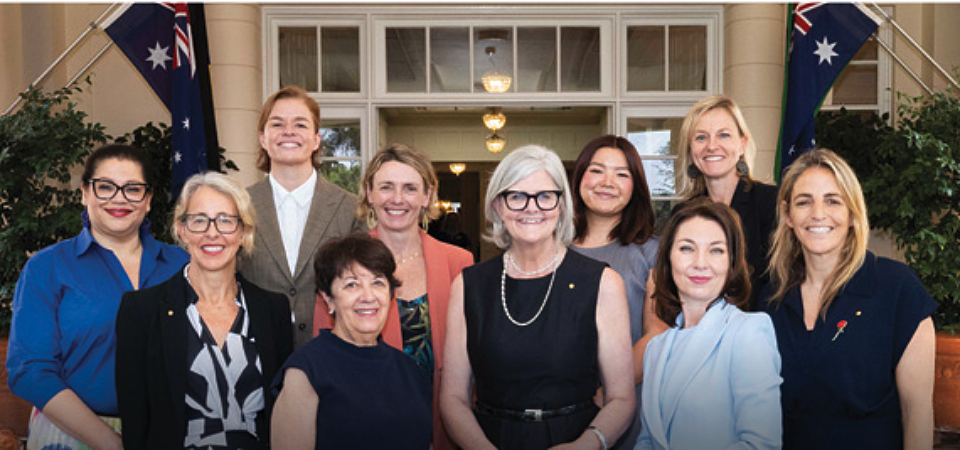
Media attention about women's philanthropy has more than doubled in three years, according to new…
Posted on 26 Aug 2026
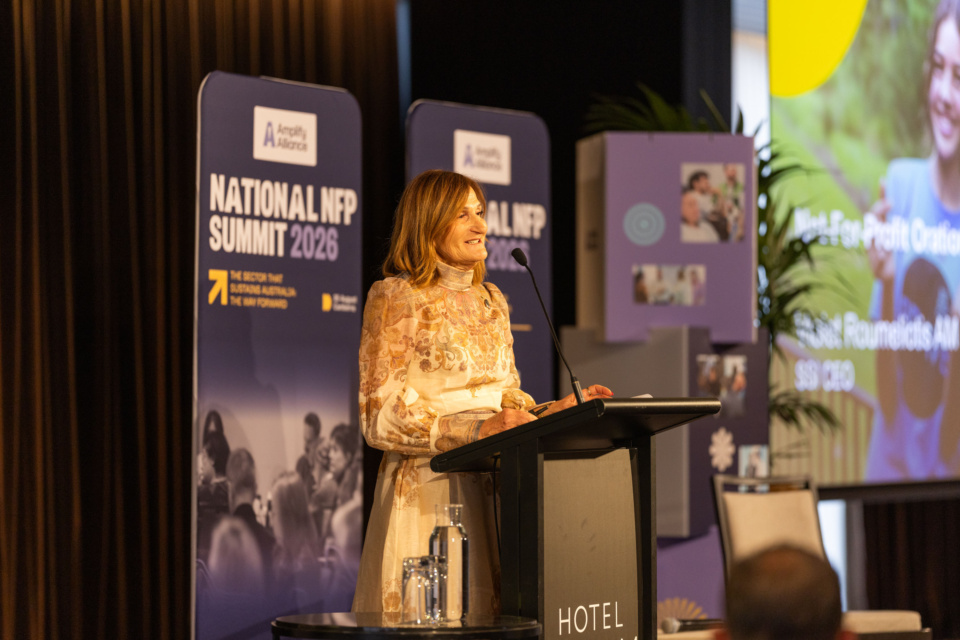
Sector leader Violet Roumeliotis has called on funders to stop treating not-for-profit…

Posted on 13 Aug 2026
As a teenager, I attended summer camp for seven years, first spending two weeks at a time camping…

Posted on 13 Aug 2026
Not-for-profits are full of people with great ideas, but that doesn’t mean they are set up for…