Pauline Hanson and the frightening lesson of ‘Years and Years’
Posted on 07 Oct 2026
Our Community's founder and leader, Denis Moriarty, writes that when he watched an over-the-top…
Posted on 16 Jul 2025
By Nick Place, Institute of Community Directors Australia
The disability sector has reacted sharply to a media report last week that the National Disability Insurance Agency appeared to summarily cancel a client’s access to the NDIS in the wake of a talkback radio segment.
An article by Rick Morton in the Saturday Paper quoted internal emails and other sources to suggest that NDIA chief executive Rebecca Falkingham’s executive team had not followed their own policies in removing the disabled person’s support after talkback radio queried whether the participant was a “rort risk”.
Radio host Ben Fordham cherry-picked selected YouTube clips of the disability advocate and NDIS participant to suggest the claimant was using buzz words and coaching doctors to boost access to the support. According to the Saturday Paper, no attempts were made to contact the NDIS participant’s medical practitioners or to officially investigate the claims. The participant was simply barred from accessing services – until reinstated 10 months later.
A spokesperson for the NDIA told the Community Advocate the agency had conducted itself legally and in line with the NDIS Act throughout.
“The Agency has zero tolerance for anyone who seeks or encourages people to rort the Scheme,” they said. “We had information which indicated the individual authored their own medical reports, encouraged others to undertake the same processes via YouTube promotion and used NDIS funds to pay family members.
“This triggered an eligibility reassessment which found that based on the current information, this person did not continue to meet the eligibility criteria.
“As per a participant’s right, they requested a review of this decision through to the Administrative Review Tribunal (ART).
“New information was provided during these proceedings which informed resolution of the ART proceedings and access to the scheme.”
“People with disability who rely on NDIS supports must not be placed at risk or live in fear that they will be summarily removed from the Scheme for their advocacy, views or any arbitrary decision of senior NDIA staff.”
However, not everybody in the wider sector is comfortable with the way the events played out.
In the wake of the article, a group of disability representative organisations has written to the NDIA registering its dismay at the reported events, seeking “urgent clarification” on issues raised, and calling for accountability within the organisation.

“People with disability who rely on NDIS supports must not be placed at risk or live in fear that they will be summarily removed from the Scheme for their advocacy, views or any arbitrary decision of senior NDIA staff,” the joint statement said. “If there are concerns about whether a person with disability meets the eligibility criteria for the NDIS, this must be dealt with in accordance with procedural fairness and operational guidelines.”
Signatories to the statement included Women With Disabilities Australia, the Australian Autism Alliance, the Australian Federation of Disability Organisations, Children and Young People with Disability Australia, Community Mental Health Australia, Disability Advocacy Network Australia, Down Syndrome Australia, First Peoples Disability Network Australia, Inclusion Australia, the National Ethnic Disability Alliance, People with Disability Australia and Physical Disability Australia.
They are calling for an independent inquiry by the Commonwealth Ombudsman, in consultation with the Disability Discrimination Commissioner, into the reported case, and potentially others, where the NDIA has “acted to remove people with disability from the NDIS without due process or fair treatment.” They have also requested access to all legal advice related to these actions, and for an urgent roundtable between disability representative organisations, the NDIA acting CEO and senior staff, and NDIS Minister Jenny McAllister.
The NDIA said it “welcomes all feedback from the disability community, as we continue to strengthen the NDIS so it is meeting the needs of our participants.”
Posted on 07 Oct 2026
Our Community's founder and leader, Denis Moriarty, writes that when he watched an over-the-top…
Posted on 07 Oct 2026
A major public campaign launched this morning is calling on the federal government to restore…

Posted on 07 Oct 2026
The Australian Literacy & Numeracy Foundation (ALNF) has announced a partnership with mining…
Posted on 07 Oct 2026
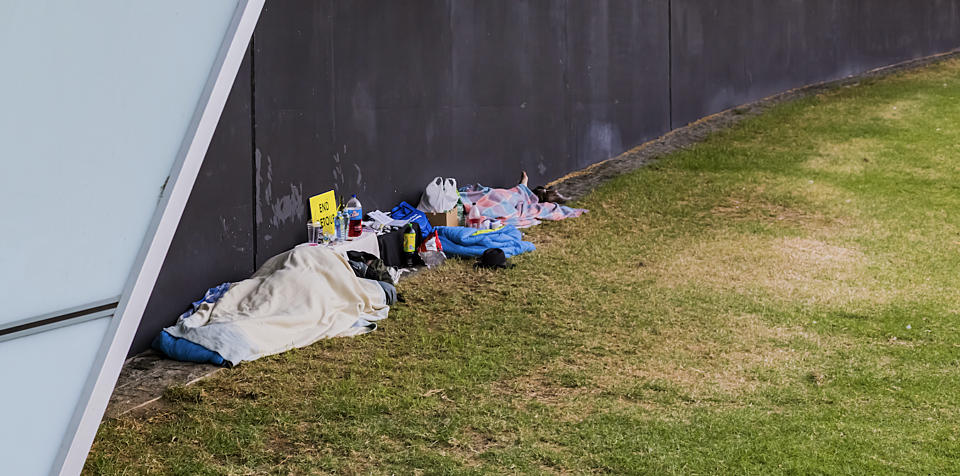
A conference in Darwin will this morning hear detailed, strategic plans for how Australia could…
Posted on 07 Oct 2026
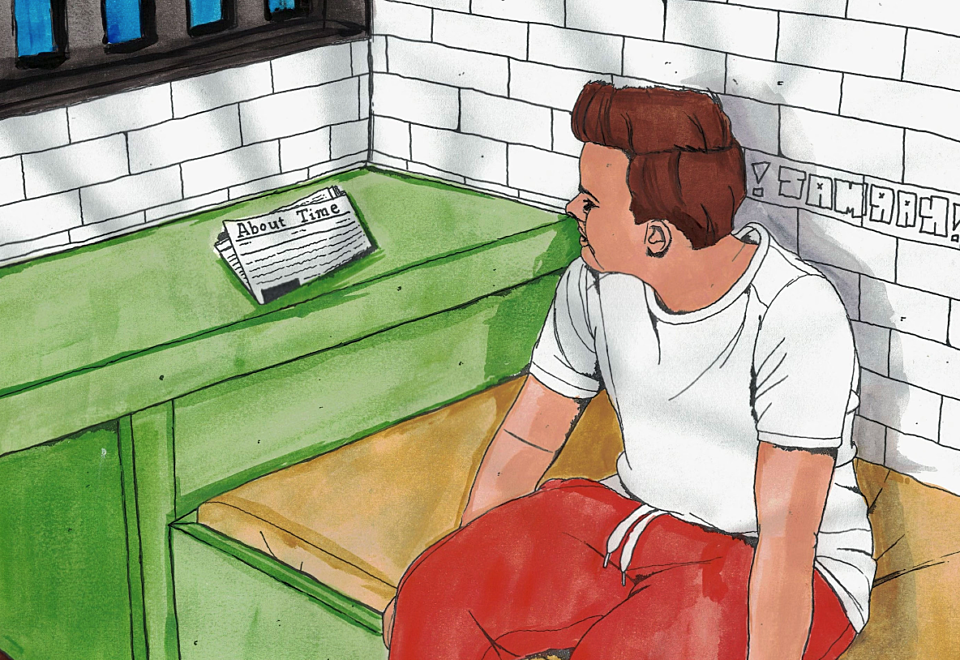
Joseph Friedman is co-founder and publisher of About Time, Australia’s only newspaper for…

Posted on 30 Sep 2026
There's been a lot of talk about AI this week, and some of it has been frightening. So, is AI good…
Posted on 30 Sep 2026
After the biggest AFL game of the year, one player proudly wore the flag of his birth country and…
Posted on 30 Sep 2026
At 21 years old, Tate Donohoe is the founder of Ecodia, an AI-assisted software development company…

Posted on 30 Sep 2026
Not-for-profit leaders have been warned to be wary of approaches from potential “funding partners”…
Posted on 30 Sep 2026
More than 200 fully funded Centre for Social Impact (CSI) scholarships will help equip for-purpose…

Posted on 30 Sep 2026
Personal stories are among the most powerful tools a charity can have to raise funds and awareness,…

Posted on 23 Sep 2026
In his new book Our Place, policy expert Matt Lloyd-Cope argues that housing must be at the heart…