
Pauline Hanson and the frightening lesson of ‘Years and Years’
Posted on 07 Oct 2026
Our Community's founder and leader, Denis Moriarty, writes that when he watched an over-the-top…
Posted on 14 May 2024
By Greg Thom, journalist, Institute of Community Directors Australia

Companies are being urged to disclose the cultural, ethnic and racial make-up of their boards to ensure greater accountability and transparency.
Diversity Council Australia (DCA) wants companies listed on the Australian Stock Exchange (ASX) to report on the diversity of their board membership beyond existing gender-based requirements.
DCA has joined forces with the University of Sydney Business School and the Jumbunna Institute for indigenous Education and Research at the University of Technology Sydney (UTS) to push for the reform.
The trio have made a joint submission calling on the Australian Stock Exchange to incorporate objectives for greater cultural and racial diversity in its corporate governance principles.
The pro-diversity push has been made as part of the consultation on the fifth edition of the ASX Corporate Governance Council Principles.
A consultation draft emphasises board diversity initiatives as one of the key areas being considered for revision in line with:
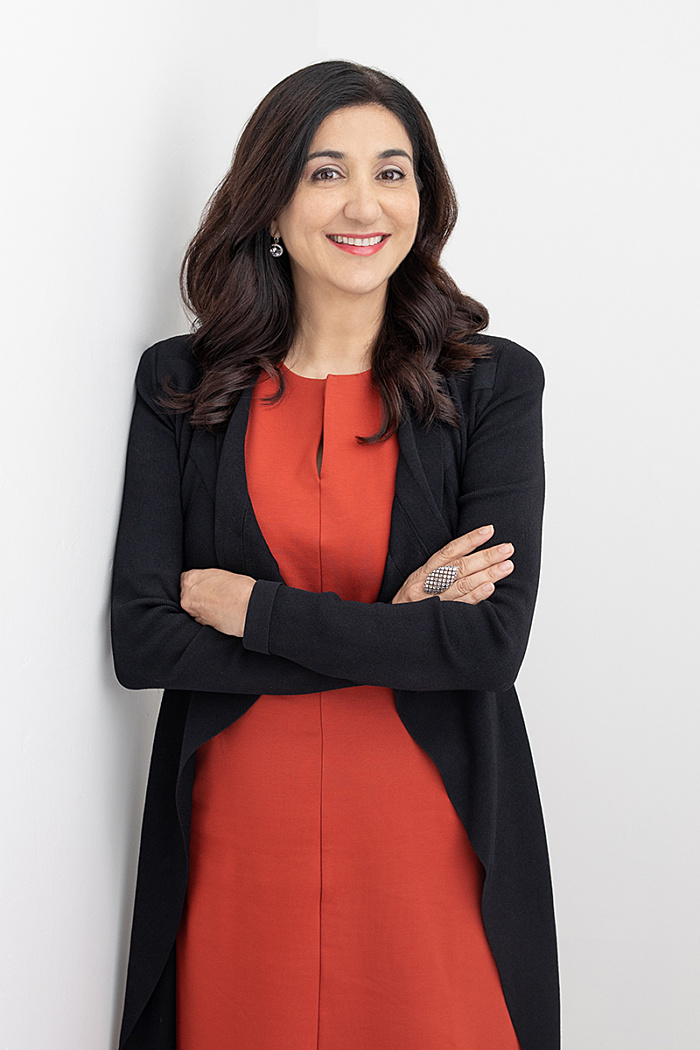
Diversity Council Australia CEO Lisa Annese said that when the ASX first introduced gender targets and reporting in 2010, women’s representation in ASX leadership increased significantly.
“However, when it comes to considering leadership diversity beyond gender, Australia is lagging, with only a small percentage of entities including First Nations peoples, people who are culturally, ethnically or racially diverse, LGBTQI+ employees and people with disabilities in their diversity reporting.
“Given the current backlash against and increasing hostility towards diversity and inclusion practices in Australia and globally, encouraging companies to set and publicly report on diversity targets is critical.”
Ms Annese said ASX-listed companies have a key role to play in championing diversity and inclusion in today’s complex environment by ensuring their leadership reflects the diversity of the communities they serve.
“Given the current backlash and increasing hostility towards diversity and inclusion practices in Australia and globally, encouraging companies to set and publicly report on diversity targets is critical.”
Professor Nareen Young, associate dean of Indigenous leadership and engagement at UTS Business School, said understandings of “diversity” had changed.
"It is high time we move beyond the understanding that diversity means a limited cohort of white women, and towards ensuring that boards represent the communities they serve. It is not complex or complicated – it's straightforward.”
Professor Young said companies needed to embrace the capabilities and knowledge of First Nations people, people of colour, and culturally and racially marginalised people in relation to Australian boards.
“Governance skills are not the preserve of one section of the community. We also need to start discussing social class and background as a diversity dimension and we’ll be exploring this aspect more going forward."
Dr Dimitria Groutsis, associate professor at the University of Sydney Business School, expressed concern at the continued homogeneity of company board directors.
Boards represent a powerful and influential voice in the decisions made at the highest levels in corporate Australia, NGOs, and sport, he said.
“Beyond the vast pool of diverse talent that remains undervalued and underutilised, why particular groups are restricted from having a seat at the table is curious.
"It’s time to change this through meaningful measures, reporting and target setting while demystifying the pathway to boards for a diverse group of directors."
DCA also endorsed calls from other organisations for more LGBTIQA+ and disability representation on boards.
Posted on 07 Oct 2026
Our Community's founder and leader, Denis Moriarty, writes that when he watched an over-the-top…

Posted on 07 Oct 2026
A major public campaign launched this morning is calling on the federal government to restore…
Posted on 07 Oct 2026
The Australian Literacy & Numeracy Foundation (ALNF) has announced a partnership with mining…

Posted on 07 Oct 2026
A conference in Darwin will this morning hear detailed, strategic plans for how Australia could…

Posted on 07 Oct 2026
Joseph Friedman is co-founder and publisher of About Time, Australia’s only newspaper for…

Posted on 30 Sep 2026
There's been a lot of talk about AI this week, and some of it has been frightening. So, is AI good…

Posted on 30 Sep 2026
After the biggest AFL game of the year, one player proudly wore the flag of his birth country and…

Posted on 30 Sep 2026
At 21 years old, Tate Donohoe is the founder of Ecodia, an AI-assisted software development company…

Posted on 30 Sep 2026
Not-for-profit leaders have been warned to be wary of approaches from potential “funding partners”…

Posted on 30 Sep 2026
More than 200 fully funded Centre for Social Impact (CSI) scholarships will help equip for-purpose…

Posted on 30 Sep 2026
Personal stories are among the most powerful tools a charity can have to raise funds and awareness,…

Posted on 23 Sep 2026
In his new book Our Place, policy expert Matt Lloyd-Cope argues that housing must be at the heart…