
Philanthropists ask: Can we forge a better future?
Posted on 17 Sep 2026
Australia’s biggest gathering of philanthropists, which drew more than 1200 delegates to Brisbane…
Posted on 15 Apr 2026
By Matthew Schulz and Nick Place, journalists, Community Directors
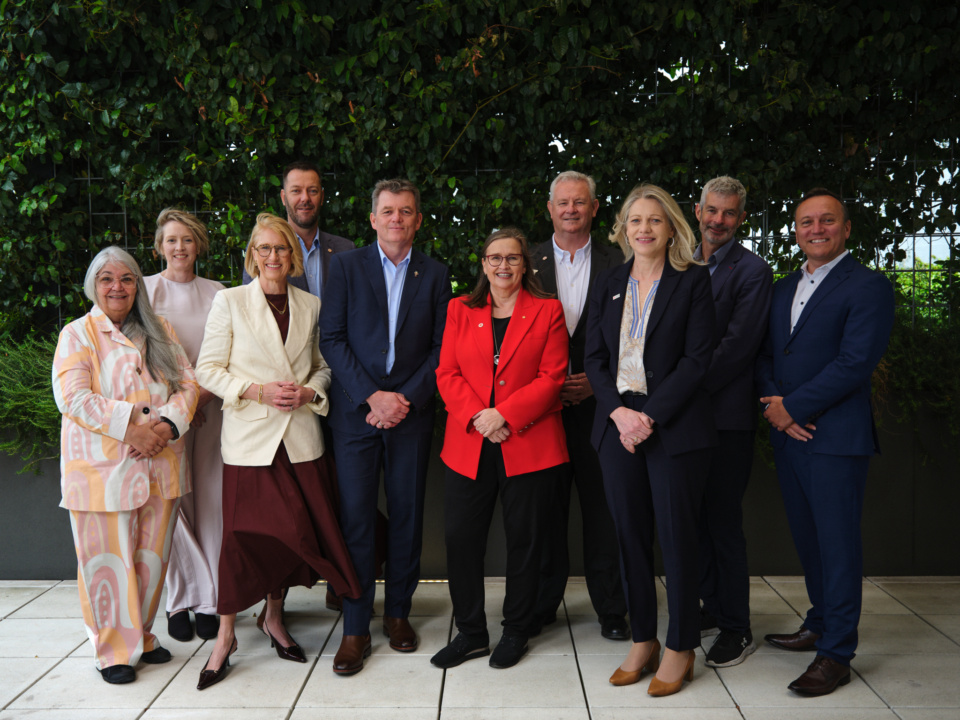
The Australian Red Cross has overhauled its governance, replacing a large member-based board with a smaller skills-based model to strengthen decision-making.
The 111-year-old organisation hopes the move will help it to remain relevant at a time when demand is growing for emergency response and recovery services and international humanitarian aid.
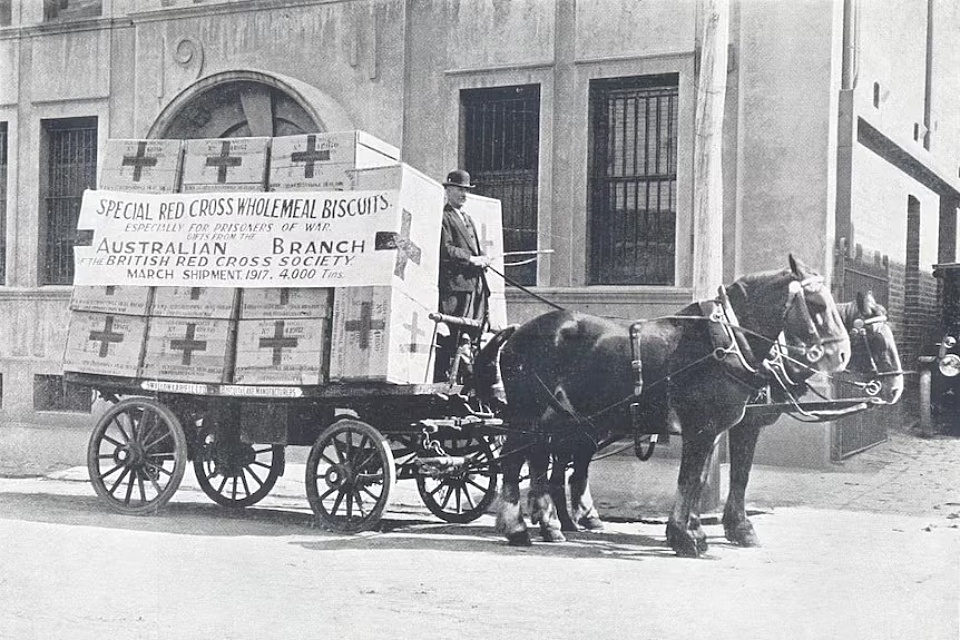
Established just after the outbreak of World War I – and now a major player in the world’s largest humanitarian network – the organisation finalised the governance restructure in mid-2025 and believes the change has already improved its board’s capability in strategic leadership, digital transformation and financial stewardship.
Former chair Charles Burkitt, who was at the helm of the organisation as it implemented the changes but stepped down at the end of 2025, said the shift had “already begun to enhance our capacity to adapt to the evolving humanitarian challenges the world is facing”.

The changes:
The National Council – which in turn is drawn largely from Division Councils in each state and territory – remains the peak representative body for members and appoints all but one of the board members.
The board’s main roles are to:
The transformation stands as a useful exemplar for other complex federated organisations seeking to speed up decision-making without sacrificing effectiveness or transparency.
The changes required care, because of the Australian Red Cross’s deep roots in the community, and the importance of consultation with its 17,000 members, volunteers and staff.
Burkitt told Community Directors that the Red Cross had undertaken the “comprehensive review of its governance arrangements with the aim of ensuring the structure is contemporary, aligned with the International Red Cross and Red Crescent Movement requirements, and will support the organisation’s vision and purpose for the next 111 years”.
“By modernising our governance, we’re… strengthening our ability to respond to the evolving needs of communities … and will ensure Australian Red Cross continues to be effective, efficient, and there for people in their times of need.”
The changes required the organisation needed to recruit board members with the skills it needed.
“We needed to shift from a federated appointed board to a skills-based board to boost our agility in decision making and governance oversight,” said Burkitt.
The previous structure reflected the organisation’s federated, member-based history, and it meant strong representation from divisions and a relatively large board.
In 2007, then CEO Robert Tickner addressed the underlying problems associated with the federated structure when he told a national health conference that the structure had “dramatically limited the capacity of Australian Red Cross to respond effectively on a national basis”.
Burkitt said the reforms were developed over four years using an “issues-led approach”, with agreement on key principles guiding the process, rather than a pre-determined outcome.
The review involved comparisons with other international Red Cross societies and Australian organisations.
Consultation was extensive and included the formal oversight bodies for the Red Cross, thousands of members, and stakeholders such as the Department of the Prime Minister and Cabinet.
The organisation’s Royal Charter meant final approval was required from both the National Council and the Governor-General.
Asked about the response to changes by the outgoing board, Burkitt – who stepped off the board in December – said it had unanimously endorsed the new rules.
Burkitt said once the National Council approved the reforms, members, volunteers, staff and other stakeholders were informed through newsletters, website updates, emails and letters.
He said the process had seen a careful rollout of the changes, including staggered end-of-board terms to maintain organisational knowledge and stability.
“A key consideration in the transition was implementation and induction timeframes. Thanks to thorough planning, transitional arrangements were put in place to ensure continuity and stability at board level throughout the change process.”
To recruit new board members, the board established an elections and appointments panel to oversee the process and called in a specialist board search firm to find strong candidates.
He said the panel came up with a “relatively deep shortlist for interview”, with the new structure in effect by July 2025.
Early board meetings had reflected the “depth and breadth of experience and strategic insight brought by our new board members,” Burkitt said.
Separating governance roles, including removing the past president role from the board, also made sense, creating “significant efficiencies” and making a role that had been too cumbersome for one person more manageable.
Burkitt said the reforms were a “significant step forward”.
“By modernising our governance, we’re… strengthening our ability to respond to the evolving needs of communities … and will ensure Australian Red Cross continues to be effective, efficient, and there for people in their times of need.”
Asked whether the Red Cross had advice for leaders of other organisation, Burkitt stressed that “strong leadership and alignment from the board instilled confidence … regarding the importance of this project and its goal being firmly grounded in organisational best interests”.
He said the organisation focused on a “strong process”. It gave itself sufficient time to roll out the changes, and the “issues-led approach” allowed for clear and objective discussions on critical issues, even before any new rules (the constitution) were drafted.
“Once the principles were all agreed upon, it was important to ensure that the draft documents clearly reflected the principles discussed and agreed. This required a more comprehensive approach to drafting, rather than just adapting a law firm precedent.”
This also contributed to a more efficient approval process, he said.
More about the Red Cross governance structure | New board and National Council members
Posted on 17 Sep 2026
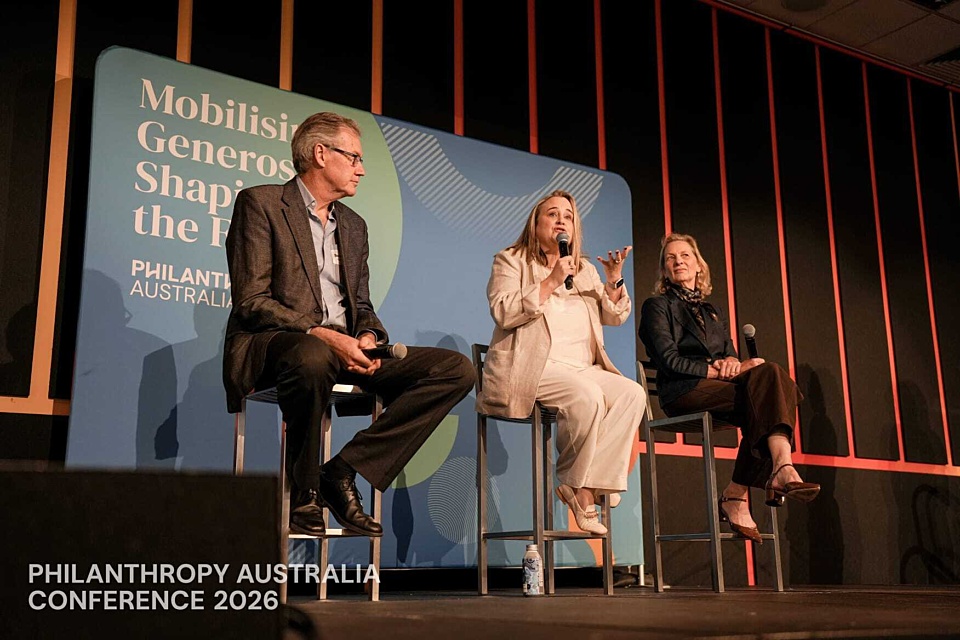
Australia’s biggest gathering of philanthropists, which drew more than 1200 delegates to Brisbane…

Posted on 17 Sep 2026
Experts in Australian philanthropy say there are stark differences between philanthropic money and…

Posted on 17 Sep 2026
One of Australia’s foremost fundraising observers says Australian not-for-profits must get the…
Posted on 17 Sep 2026
As direct giving dries up, charities face growing dependence on big donors and negotiating the…

Posted on 17 Sep 2026
Charities reported $14.8 billion in donations and bequests last financial year, the second-highest…

Posted on 17 Sep 2026
My father often googles my name, and as a result, years ago, I received a surprising gift in the…

Posted on 17 Sep 2026
Where Evelyn Mugisha grew up in rural Uganda, the subjects and careers considered suitable for…
Posted on 09 Sep 2026
A global gathering of philanthropists in Brisbane this week is aiming to tackle society’s biggest…
Posted on 09 Sep 2026
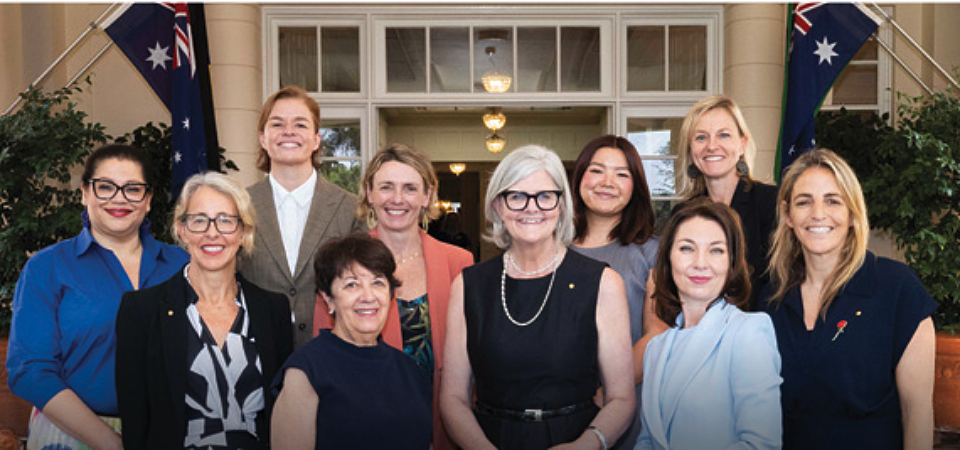
Media attention about women's philanthropy has more than doubled in three years, according to new…
Posted on 26 Aug 2026
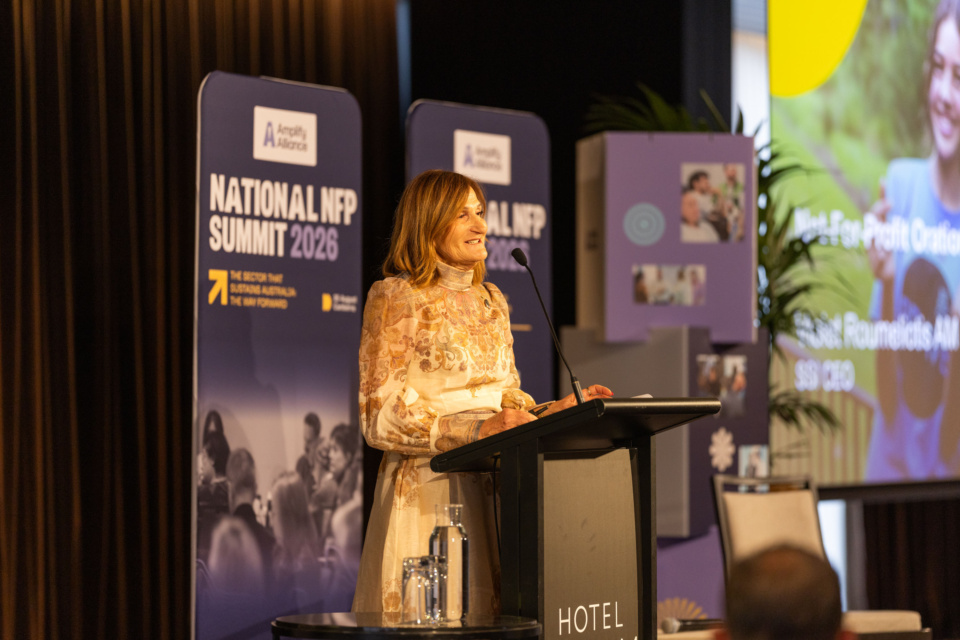
Sector leader Violet Roumeliotis has called on funders to stop treating not-for-profit…

Posted on 13 Aug 2026
As a teenager, I attended summer camp for seven years, first spending two weeks at a time camping…

Posted on 13 Aug 2026
Not-for-profits are full of people with great ideas, but that doesn’t mean they are set up for…