
Philanthropists ask: Can we forge a better future?
Posted on 17 Sep 2026
Australia’s biggest gathering of philanthropists, which drew more than 1200 delegates to Brisbane…
Posted on 10 Jun 2026
By Matthew Schulz, journalist, Community Directors
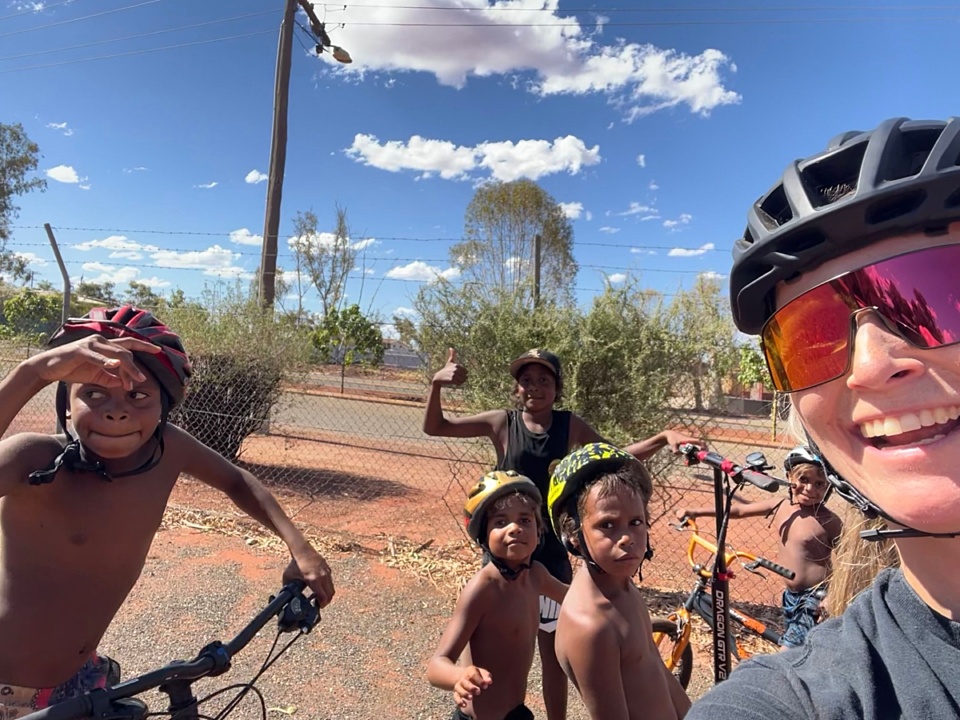
Sabine Bird has shaped her career around a small outback town most Australians couldn't find on a map.
"I've definitely shaped my career around my ongoing commitment to this community project," she says. "That has meant taking some risks along the way."
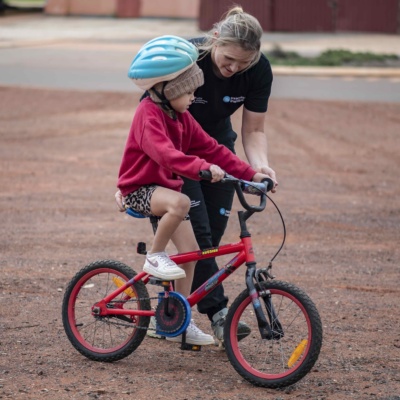
Bird is the coordinator of the Laverton Cycling Project, a community development program run by the Cycling Development Foundation (CDF), which has been putting bikes into the hands of First Nations children in Laverton – a remote Northern Goldfields community 957 km north-east of Perth on the edge of the Great Victoria Desert – for more than nine years.
She is also a board director of the same organisation and a recent graduate of ICDA's Diploma of Governance, which she completed with funding from the Australian Sports Commission's Women Leaders in Sport grant.
Her path to that role was not a straight one. Bird holds a PhD in neuroscience from the University of Western Australia, where she investigated Alzheimer's disease. She’s worked in research labs, supported cancer patients and worked with postgraduate students. She’s also raced and now coaches competitive road cyclists and can fix their bikes when needed.
Her skill set may appear to be an eclectic foundation for a community cycling coordinator, but it turned out to be a good fit for a role that uses cycling as a vehicle for social support and youth engagement, which she says “teaches values, purpose, resilience and cultural exchange in ways few other initiatives can.”
Her early work across the life sciences triggered "a particular interest in helping people reach new potentials." Sport drew her in because of what it makes possible beyond the physical – "the concept of team development, the impact of social networks, and opportunities to learn real life skills of perseverance, values and accountability."
The move from coaching elite road cyclists to working with kids in remote Aboriginal communities might look to some like a detour. For Bird, it really is the whole point.
"Change usually happens slowly and steadily. It rarely arrives in dramatic leaps; instead, it gently settles into individuals, communities, and even whole societies."
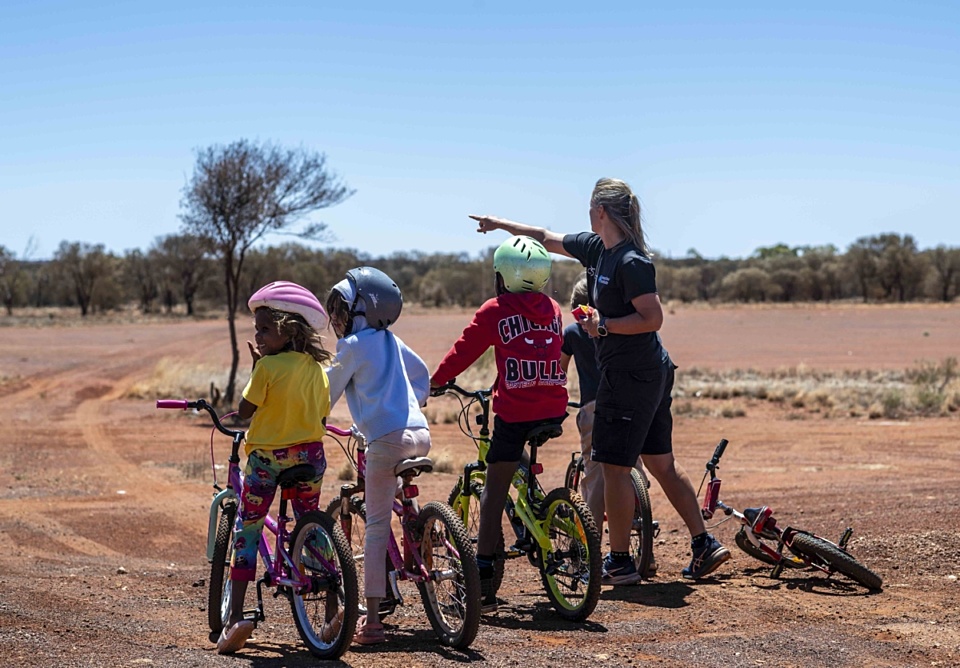
What began as a two-week pilot community development program has grown into a year-round commitment for Bird, who now runs the project on a hybrid basis – working from Perth between visits and travelling to Laverton each month to deliver sessions on the ground, a round trip of roughly 1,800 kilometres.
The Laverton Cycling Project’s goals include:
"The purpose is to promote and encourage lifelong learning, relationships, growth and personal development," Bird says. "We want to spark the conversations."
The project has expanded beyond Laverton to assist the even more remote Aboriginal communities of Mulga Queen and Cosmo Newberry.
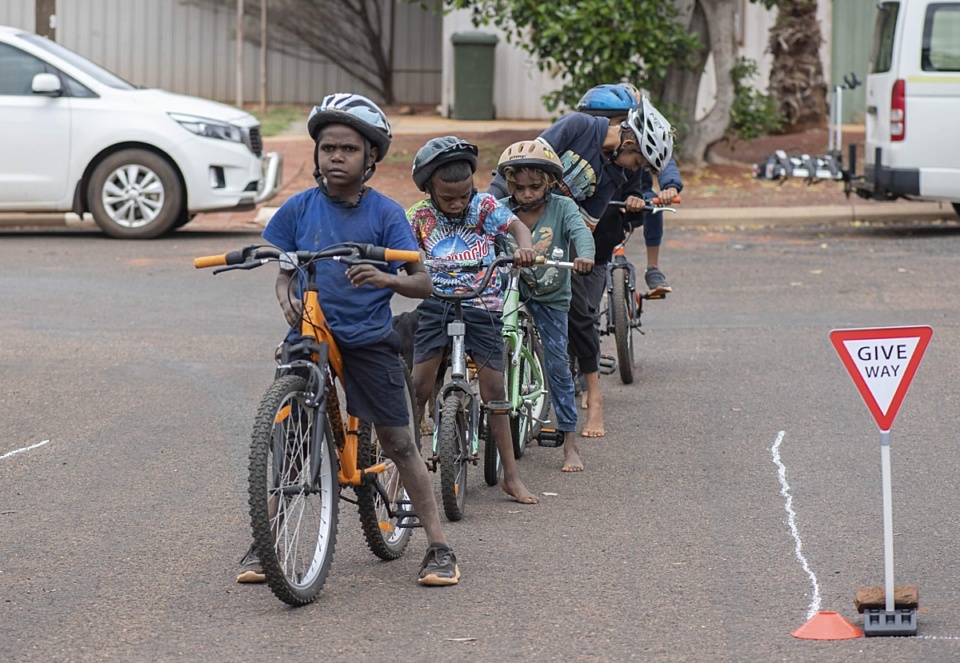
Just last month, the youth cycling project supported 45 children in three days and as many locations. The program – which delivers hands-on science education along with cycling, and opportunities to visit Perth – has become part of the local fabric. "We are welcomed with open arms … we are trusted with their children.”
Bird has built that trust by turning up every month, regardless of anything else that might be going on in her life, and that has meant sacrificing other career opportunities.
"I chose not to apply for 'bigger' roles because they wouldn't have allowed me to continue running this project alongside my regular professional work."
She left a position at the Western Australian Department of Justice late last year, after three years in the community offender monitoring unit. That job had begun to clash with the Laverton gig, and leaving the department gave her the chance to focus on the long-term future of the Laverton project.
Even so, she said, the experience had made her realise that “purpose and professional growth don’t have to be mutually exclusive, and that people will often back you when they see genuine commitment”.
She said cycling was “one of the few sports that genuinely spans all ages and abilities”. “This inclusivity and freedom is what drew me to the sport in the first place, and it’s why I remain deeply committed to it.”
The project is now expanding beyond the pilot. Last month, Bird delivered the project's first adult health and wellbeing seminar, involving guest speakers from Sydney, who run a session on menopause for Laverton women.
"We had an unexpected high attendance," Bird says, "and the only thing that was even better than that was to hear how the conversation continued the next day. That's what we want."
It's a deliberate broadening of scope beyond youth cycling into health, education and community connection for all ages.
"Change usually happens slowly and steadily. It rarely arrives in dramatic leaps; instead, it gently settles into individuals, communities, and even whole societies."
She believes the project is an investment in future generations, who will be surrounded by more open, supportive thinking simply because their community has seen what's possible. "Hope leads people to support us. It encourages them to listen."
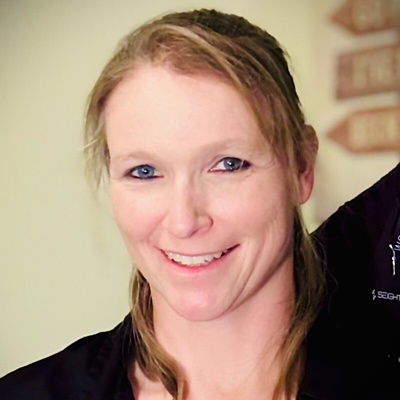
It's in this context that Bird's governance expertise has landed.
"The opportunity to complete [the ICDA Diploma of Governance] has been worth far more than I could have imagined – or afforded," she says. "Knowledge is power, but it is also protection; it helps safeguard against poor decisions and strengthens the quality of governance."
She'd already begun applying that knowledge before she'd even finished. And she's frank about what she didn't fully understand before she started.
"Understanding the responsibilities of a board member – and being fully accountable for every decision – only truly sank in during the diploma course," she says. "I have always lived by a strong set of personal values, but the course highlighted how easily good governance practices can slip if they are not consciously upheld."
Bird is aware of the tensions of governance, currently holding unusual dual positions: staff coordinator and board director of the same small organisation. While not an ideal long-term structure, it's a practical reality for small NFPs in geographically isolated areas, where the small size of the talent pool limits choices. The diploma has helped Bird to navigate the tension and made her alert to potential problems in areas like ethical fundraising, where resource pressures can quietly erode good decision-making.
"Ensuring that both the board and staff are protected through the right policies and governance frameworks – and being prepared for audits or public scrutiny – is not just necessary, it is healthy for the organisation."
But Bird's thinking extends beyond her own organisation. Sport, she argues, is one of the few fields where young people genuinely learn values through lived experience – perseverance, teamwork, resilience, failing and getting back up. Yet the sector remains one of the least likely to offer women a pathway into paid leadership. "Women in leadership remain chronically underrepresented, and this gap is even more pronounced in sport," she says.
That's what makes grants like the one that funded her diploma meaningful, she argues – not just for the individual. "They provide not only the skills and confidence to step into leadership roles, but also the opportunity to help shift the landscape – to lead people and organisations with integrity, capability and purpose."
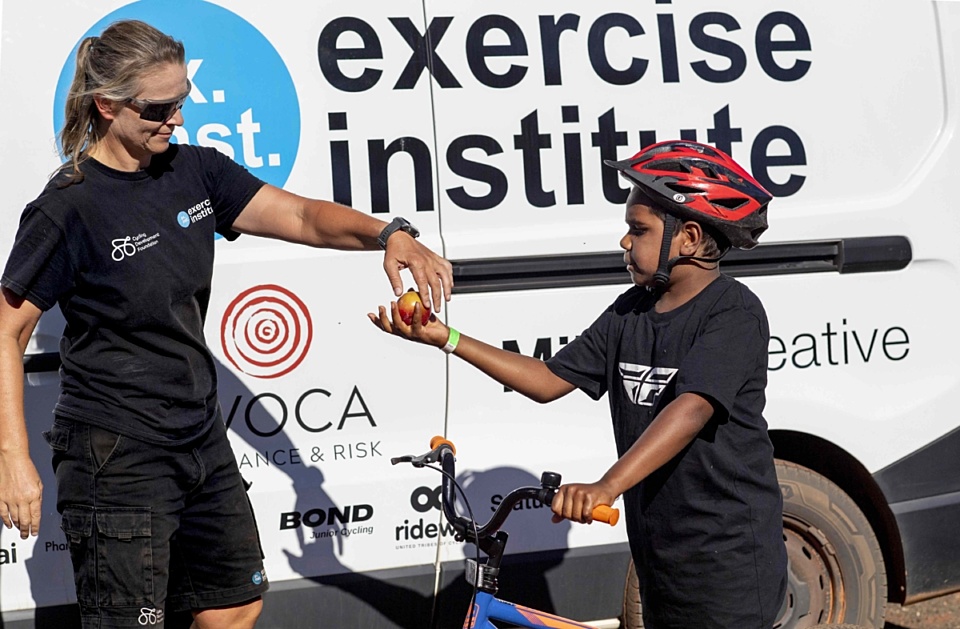
Nine years in, she's still loading the project’s van each month as it rolls into townships.
“We are trying to build a success story that many others might not attempt, as it requires patience and endurance. And like anything worthwhile, it takes time.”
The Perth to Laverton Cycling Classic raises money for the project
Posted on 17 Sep 2026
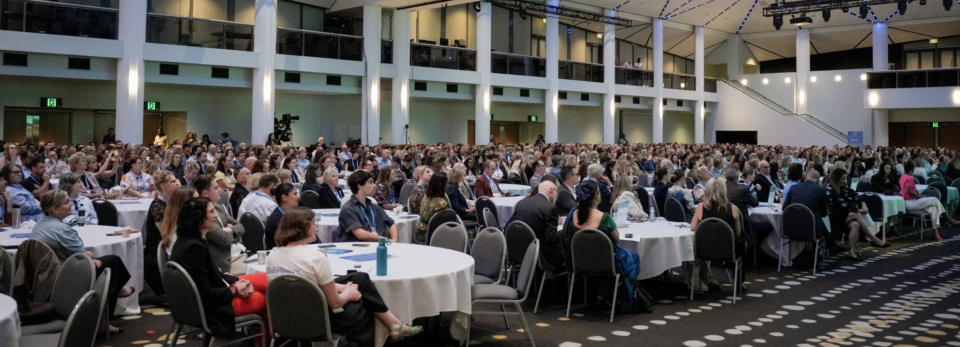
Australia’s biggest gathering of philanthropists, which drew more than 1200 delegates to Brisbane…
Posted on 17 Sep 2026
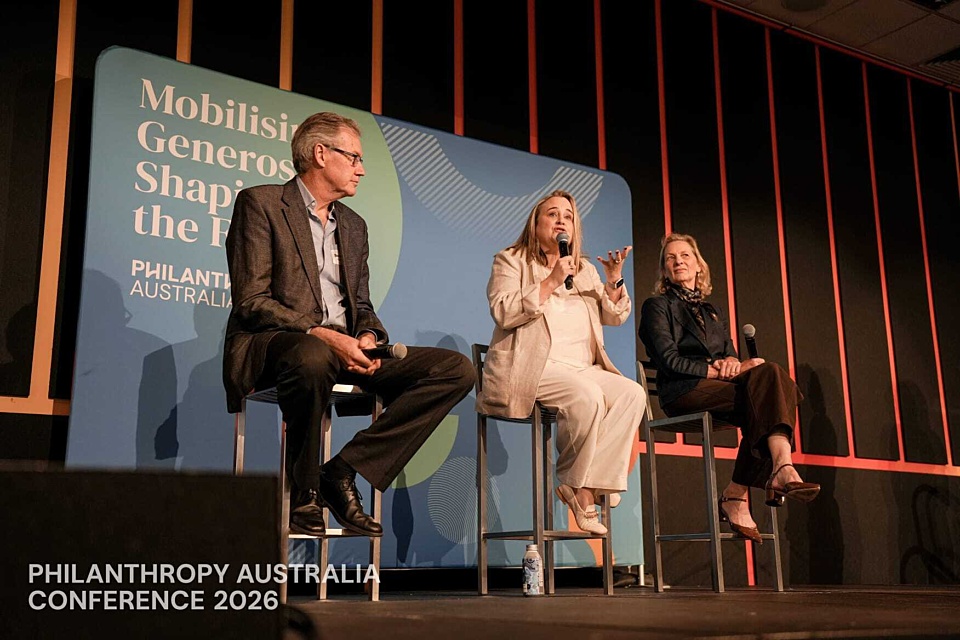
Experts in Australian philanthropy say there are stark differences between philanthropic money and…

Posted on 17 Sep 2026
One of Australia’s foremost fundraising observers says Australian not-for-profits must get the…
Posted on 17 Sep 2026
As direct giving dries up, charities face growing dependence on big donors and negotiating the…

Posted on 17 Sep 2026
Charities reported $14.8 billion in donations and bequests last financial year, the second-highest…

Posted on 17 Sep 2026
My father often googles my name, and as a result, years ago, I received a surprising gift in the…
Posted on 17 Sep 2026
Where Evelyn Mugisha grew up in rural Uganda, the subjects and careers considered suitable for…
Posted on 09 Sep 2026
A global gathering of philanthropists in Brisbane this week is aiming to tackle society’s biggest…
Posted on 09 Sep 2026
Media attention about women's philanthropy has more than doubled in three years, according to new…
Posted on 26 Aug 2026
Sector leader Violet Roumeliotis has called on funders to stop treating not-for-profit…

Posted on 13 Aug 2026
As a teenager, I attended summer camp for seven years, first spending two weeks at a time camping…

Posted on 13 Aug 2026
Not-for-profits are full of people with great ideas, but that doesn’t mean they are set up for…