
Save Izzy: campaign calls on government to restore funding for vital services directory
Posted on 07 Oct 2026
A major public campaign launched this morning is calling on the federal government to restore…
Posted on 30 Jun 2026
By Nick Place, journalist, Community Directors
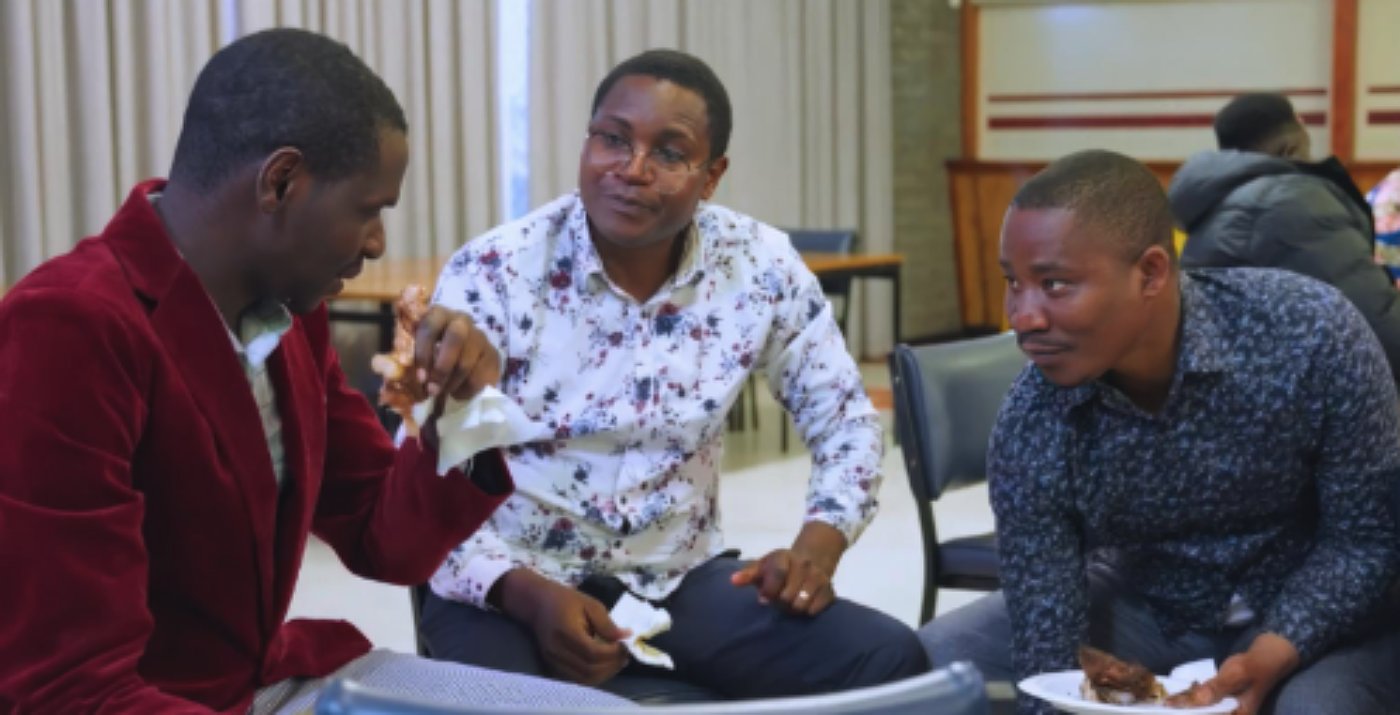
A mental health study conducted among multicultural men’s groups in South Australia has concluded that existing systems and funding models are the biggest barriers to meeting the needs of these communities and wider society.
“The findings are clear and directly relevant to anyone working in or alongside community-led organisations,” said project report author Ukash Ahmed, from the Multicultural Communities Council of South Australia (MCCSA).
“Prevention is not a program – it is a set of conditions, and those conditions, including stable community spaces, paid and supported connector roles, and long-term trust-based funding, are precisely what the sector continues to under-resource.”
In completing the study, Ahmed said he was struck by the systemic barriers that stand in the way of meeting community needs. Even enthusiastic service providers were bound by funding conditions that made the required responsive, outreach-based work almost impossible.
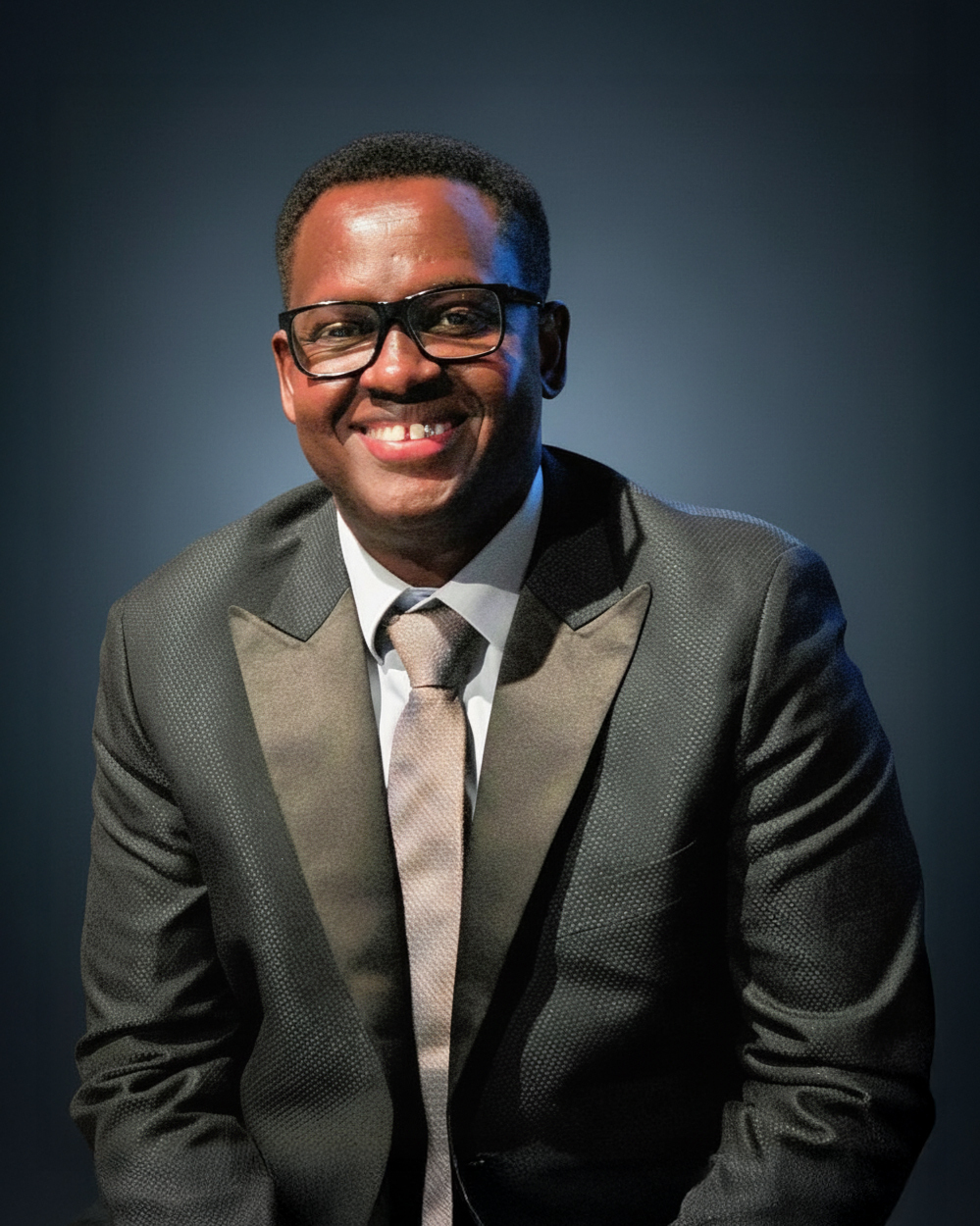
“The barriers weren’t located in communities,” Ahmed told the Community Advocate. “They were largely structural in how prevention is funded and commissioned.”
The MCCSA Multicultural Men’s Community Connections Discovery Project was a two-year community-led project run in partnership with four culturally and linguistically diverse men’s groups – the Association of the Burundian Community of SA, the Kabudu Men's Group of SA, Australians for Syria SA, and the Latin American Society of SA.
Funded by the Fay Fuller Foundation, it explored what mental health and wellbeing means to men in those communities and sought to assist them in designing culturally appropriate responses.
Ahmed said the project drew more than 125 regular participants and trained 18 community leaders and community connectors, but the wider lessons were striking.
“Honestly, we went into this project knowing that CALD men faced barriers, stigma, language, and mistrust of services,” he said. “What surprised us ran in two directions. First, I was struck by the sheer depth of knowledge and wisdom these communities already held about health and wellbeing.
“Once men started genuinely connecting with one another, it became clear they understood what they needed and how to support each other; that knowledge was there all along, waiting for the conditions that would let it surface.”
But Ahmed and his team ran into the systemic funding and operational barriers that handcuff service providers.
“I was surprised by the scale of systemic barriers to meeting community needs,” he admitted, saying that supporting communities battling with the after-effects of war or other trauma required more than extra money.
“What’s needed is a fundamental shift in how the sector thinks about prevention. Right now, funders pay for programs. What communities need is investment in conditions: stable and affordable venues, connector roles that are formalised and paid rather than dependent on volunteer goodwill, and funding cycles long enough, three to five years at minimum, to allow trust to be built and sustained,” he said.
“The deeper work is around cultural responsiveness, and I want to be clear that this is a safety issue, not a nicety. Any service working in the mental health space must be structurally and culturally competent, and the care itself must be delivered by staff who are trained in cultural intelligence.
“When a service can’t protect confidentiality in a way a community understands, or can’t engage an interpreter safely, or can’t recognise how trauma from war and displacement shapes the way a man presents, that is not just an engagement gap. It puts people at risk. Cultural responsiveness has to be built into the structure of an organisation and into the competence of every staff member delivering care. It cannot be a one-off training session or a line in a policy.
“None of that is cosmetic work. It requires commissioning frameworks to change, not just budgets to grow,” he said.
“Communities don’t need rescuing, they need resourcing.”
Ahmed said he was hopeful that genuine mental health support could be achieved if delivery systems were reconsidered.
“We got a glimpse of what that looks like during this project. The Association of the Burundian Community of SA started with seven men and grew to 42 regular participants, with community gatherings drawing around 1,400 people,” he said. “Men who had never spoken about mental health, who associated it with being ‘crazy’, who had survived war and displacement and resettlement, began having those conversations openly, in their own languages, in spaces that felt like theirs.”
Ahmed said the men involved were eloquent in describing why the project was achieving such strong results.
“One connector told us: ‘Since we got this project, men are coming together, sitting, discussing their issues just like how it was in Africa. Most people feel like they are back home.’ Another said, ‘Before this project, our community never talked about mental health. Now they have more confidence. Nobody is scared. Nobody is shy. They speak up about their problems.’”
The essential ingredient was a realisation that small investments in trust and time were powerful. “You don't need millions, you need belief in people,” one community connector said. “Communities don’t need rescuing, they need resourcing.”
Ahmed said the lessons were starting to be discussed or adopted by other funders and health departments, but there was a long way to go.
“The only genuine way to prevent crisis and hospitalisation is through early intervention and prevention. Yet the funding settings continue to pour resources into the acute end while under-investing in the community-led work that stops people reaching that point in the first place,” he said.
“Until that balance shifts, we will keep treating crises we could have prevented.”
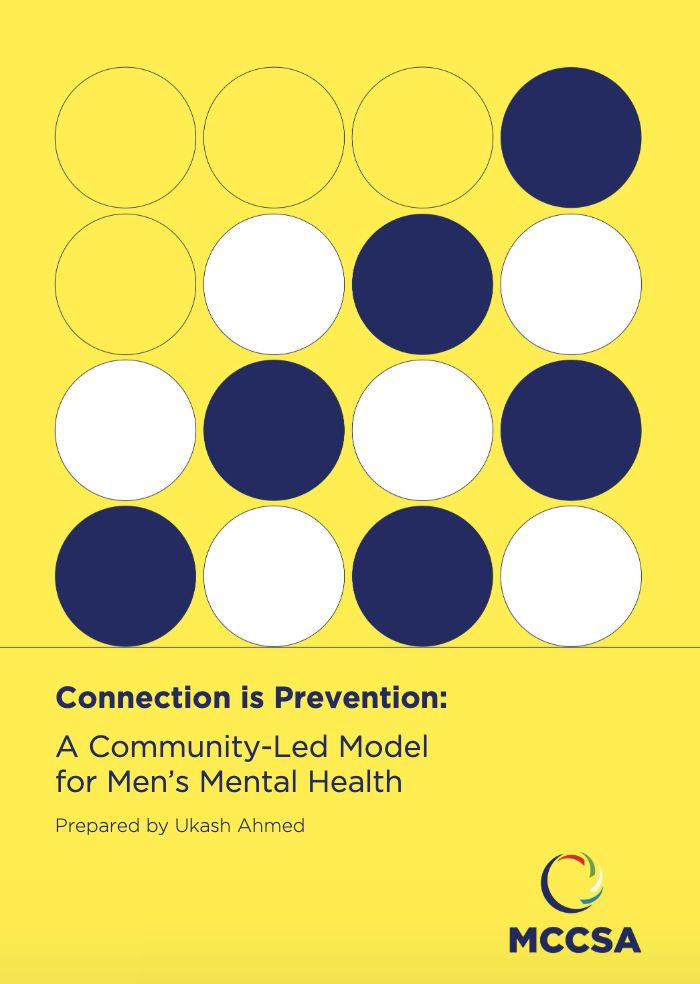
Report author Ukash Ahmed wrote about the findings of the project here.
The report, Connection Is Prevention, is here.
Watch a documentary about Connection Is Prevention here.
Posted on 07 Oct 2026
A major public campaign launched this morning is calling on the federal government to restore…

Posted on 07 Oct 2026
The Australian Literacy & Numeracy Foundation (ALNF) has announced a partnership with mining…
Posted on 07 Oct 2026
A conference in Darwin will this morning hear detailed, strategic plans for how Australia could…

Posted on 30 Sep 2026
Not-for-profit leaders have been warned to be wary of approaches from potential “funding partners”…
Posted on 30 Sep 2026
More than 200 fully funded Centre for Social Impact (CSI) scholarships will help equip for-purpose…

Posted on 30 Sep 2026
Personal stories are among the most powerful tools a charity can have to raise funds and awareness,…
Posted on 23 Sep 2026
A just-released major global survey of charities has found that demand for charity assistance has…
Posted on 23 Sep 2026
Fresh from welcoming delegates to last week’s Philanthropy Australia conference in Brisbane,…

Posted on 23 Sep 2026
A national strategy to develop Australia's regional cities is needed to break the housing…

Posted on 23 Sep 2026
Eight years after a report to Treasury first suggested the charities regulator should be more…
Posted on 17 Sep 2026
Australia’s biggest gathering of philanthropists, which drew more than 1200 delegates to Brisbane…

Posted on 16 Sep 2026
A new partnership between Paul Ramsay Foundation (PRF) and Atlassian Foundation aims to attract…