
Save Izzy: campaign calls on government to restore funding for vital services directory
Posted on 07 Oct 2026
A major public campaign launched this morning is calling on the federal government to restore…
Posted on 15 Jul 2026
By Nick Place, journalist, Community Directors
Domestic violence sector leaders have voiced concerns over a planned test of the AusAlert disaster warning system set for July 27.
AusAlert is a government initiative designed to send warning messages to all mobile devices in a designated area when a natural disaster, security threat, biosecurity incident or public health emergency looms.
The warning emits a loud siren for about 10 seconds and makes phones vibrate. Users cannot opt out, and the most serious AusAlert – which is the one being tested on July 27 – will sound even if a phone has been set to silent or do not disturb.
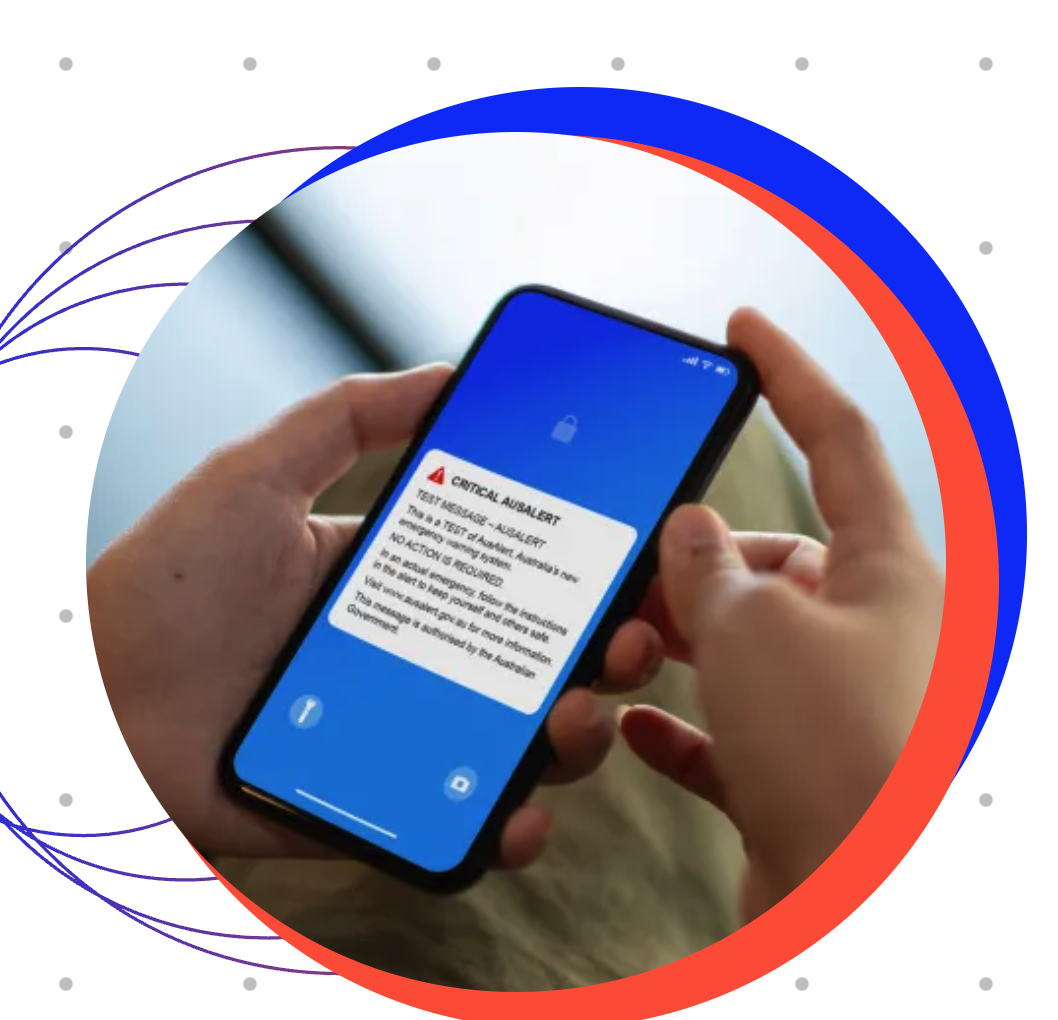
The alarms pose a risk to women and children who live with the danger of domestic violence and have a secret “safe phone”.
The Council for Single Mothers and their Children (CSMC) has raised concerns that the test could loudly reveal hidden phones or devices, with dangerous ramifications for women and children.
“For single mothers experiencing family violence, coercive control, stalking, or technology-facilitated abuse, an upcoming nationwide emergency alert test could create unexpected safety risks,” a CSMC statement said.
“The alert will be sent to mobile phones, smartwatches, tablets, and even some children’s safety watches and connected car systems.
“For many people, this will be a routine test that might at worst startle. However, for family violence victim survivors, the alert could unintentionally expose hidden devices, reveal safety plans, or draw unwanted attention from a person using violence.”
DV Safe Phone’s corporate giving lead, Lizzie Mettam, said her organisation had been working closely with hundreds of frontline domestic violence agencies to get the message out.
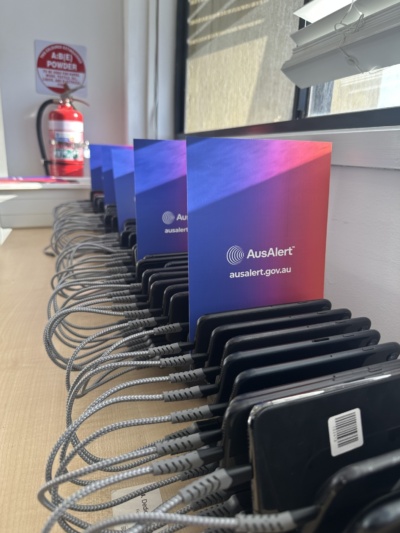
"At DV Safe Phone, we've distributed almost 21,000 safe phone kits through more than 600 frontline agencies across Australia. For the past couple of months, we've been working closely with those agencies to raise awareness of the AusAlert trial, including placing information in every shipment of safe phone kits.
“The message is simple: if your safety depends on a phone remaining hidden, make sure it's switched off or in aeroplane mode before the test. Putting your phone on silent or do not disturb will not prevent the audible emergency alert from sounding."
DV Safe Phone wasn’t against the AusAlert program, though.
"We support the introduction of AusAlert and recognise how important it will be in protecting Australians during emergencies. Our focus is simply on ensuring that victim-survivors and the frontline workers supporting them are aware of the trial so they can take simple steps to keep hidden phones hidden."
Mettam said hidden phones were often crucial for domestic violence survivors.
"For many people experiencing domestic and family violence, a hidden phone isn't just a phone. It's part of their safety plan. It's often their only safe way to contact police, a support service or someone they trust without their partner knowing.”
Mettam said that the latest alerts highlighted bigger issues around technology and coercive control.
"Technology has become a powerful tool for both safety and abuse. While it enables people to access support, emergency services and loved ones, it can also be misused by perpetrators through surveillance, location tracking, account access and device monitoring," Mettam said.
"That's why technology needs to be designed with vulnerable users in mind. As new systems are introduced, it's essential that governments, technology companies and frontline services work together to understand how they might affect people experiencing coercive control and ensure appropriate safeguards and public education are in place."
“For family violence victim survivors, the alert could unintentionally expose hidden devices, reveal safety plans, or draw unwanted attention from a person using violence.”
The AusAlert test is set for the following times on Monday July 27:
It is expected to be delivered to all compatible devices. It could arrive up to an hour after these advertised times.
“This means a hidden phone, smartwatch, tablet or children’s safety device could suddenly make noise, potentially alerting an abusive person to its existence,” the CSMC said.
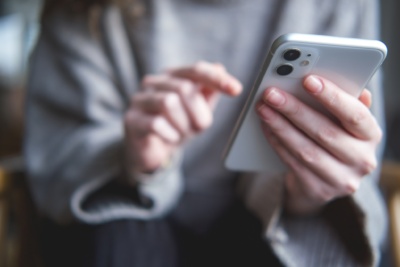
This could lead to the discovery of a secret phone used for safety planning, expose a device being used to communicate with support services, reveal a child’s safety watch, escalate controlling or abusive behaviour, and compromise carefully developed safety strategies, the council said.
There are two types of AusAlerts, both designed to draw a user’s attention to their phone or device.
A critical alert – which is the alert being trialled – warns of immediate danger. It makes phones vibrate and emit a loud siren-like warning sound for about 10 seconds. This alert will override a phone’s silent or do not disturb modes, and users cannot opt out from receiving them.
A priority alert is a “watch and act” warning of potential danger. It has the same vibration and siren, but it does not sound when a device is in silent or do not disturb mode. Users can opt out.
The government is aware of the danger the system poses to users of hidden devices, acknowledging: “AusAlert may increase risk for people experiencing violence, especially if they live with someone who uses violence. Alerts may expose safety devices.”
Its advice to people at risk is to ensure their secret phone or device is turned off or is in “aeroplane” mode well before the test, and then for at least one hour after the alert’s scheduled delivery.
The Council for Single Mothers and their Children said it was essential vulnerable women and children checked that “aeroplane” mode was on, or the device was turned off, for all devices that would otherwise sound the alarm. This includes mobile phones, smartwatches, tablets, children’s GPS or safety watches, spare or emergency phones, and devices stored in bags, workplaces or other “safe” locations.
“Every person’s situation is different. If you are concerned that the AusAlert test could affect your safety, consider discussing a plan with a family violence worker, support service, trusted advocate or legal representative,” the CSMC statement said.
“Planning ahead may help reduce the risk of the alert exposing devices, communications or safety arrangements that are important to you and your family.”
AusAlert safety information in English
Posted on 07 Oct 2026
A major public campaign launched this morning is calling on the federal government to restore…
Posted on 07 Oct 2026
The Australian Literacy & Numeracy Foundation (ALNF) has announced a partnership with mining…
Posted on 07 Oct 2026
A conference in Darwin will this morning hear detailed, strategic plans for how Australia could…

Posted on 30 Sep 2026
Not-for-profit leaders have been warned to be wary of approaches from potential “funding partners”…
Posted on 30 Sep 2026
More than 200 fully funded Centre for Social Impact (CSI) scholarships will help equip for-purpose…
Posted on 30 Sep 2026
Personal stories are among the most powerful tools a charity can have to raise funds and awareness,…

Posted on 23 Sep 2026
A just-released major global survey of charities has found that demand for charity assistance has…
Posted on 23 Sep 2026
Fresh from welcoming delegates to last week’s Philanthropy Australia conference in Brisbane,…

Posted on 23 Sep 2026
A national strategy to develop Australia's regional cities is needed to break the housing…
Posted on 23 Sep 2026
Eight years after a report to Treasury first suggested the charities regulator should be more…

Posted on 17 Sep 2026
Australia’s biggest gathering of philanthropists, which drew more than 1200 delegates to Brisbane…
Posted on 16 Sep 2026
A new partnership between Paul Ramsay Foundation (PRF) and Atlassian Foundation aims to attract…